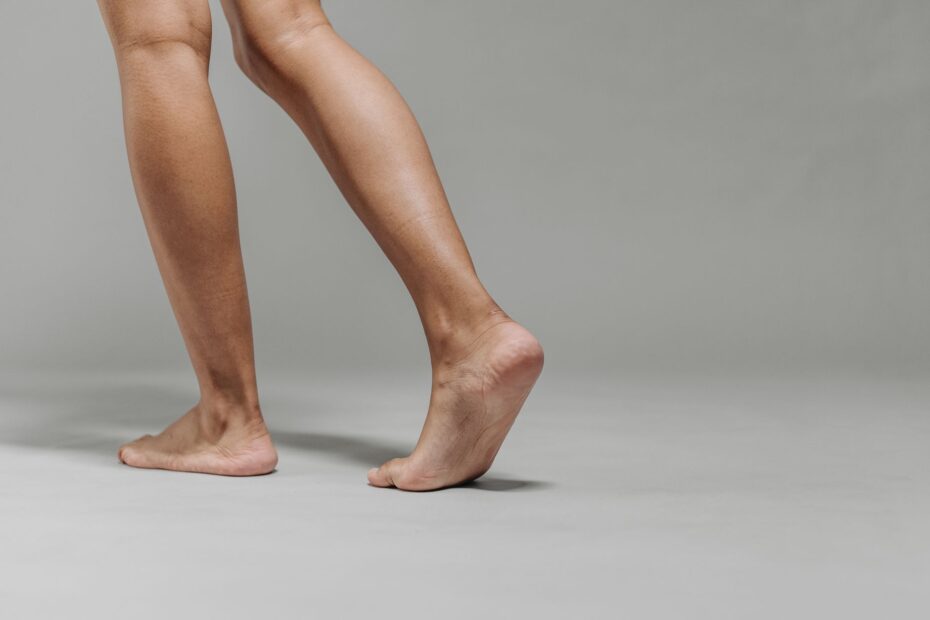
Each unshod step trades stronger ground sensation for less skin protection. Direct contact can engage foot intrinsic muscles and sharpen proprioception, but hard or contaminated ground can strain the plantar fascia, irritate the forefoot, or expose skin to cuts.
The sections below cover surfaces, gradual adaptation, warning signs, and footwear choices so you can decide where bare feet fit into your daily routine.
Ground Contact Changes Sensation and Load
A bare sole detects texture, slope, temperature, and pressure in greater detail than a shoe-covered sole. Your feet may touch a clean kitchen floor, grass, pavement, or a trail, and each setting places a different demand on your skin, joints, and gait mechanics.
| Setting | Ground feedback | Main load or exposure |
|---|---|---|
| Clean indoor floor | High | Hard surface pressure and household trip hazards |
| Carpet | Moderate | Lower impact with less precise surface feedback |
| Grass | High | Uneven ground, insects, hidden debris, and moisture |
| Pavement | High | Forefoot pressure, heat, cuts, and sharp objects |
| Trail | Very high | Twisting forces, punctures, and unstable footing |
Direct contact sends more information to your nervous system about foot placement. That sensory input, called proprioception, helps you sense your foot position without looking down. Less cushioning also shifts more plantar pressure toward the forefoot for some walkers, so your joints, plantar fascia, and skin handle work that structured footwear once absorbed.
Hard ground does not automatically harm your feet, but a sudden change in load can expose weak links. A person accustomed to thick soles may feel calf fatigue after five minutes on tile, while someone already barefoot at home may feel no change at all. Your footwear history matters as much as the surface itself.
Muscle Activity and Balance Can Improve With Gradual Exposure
Small foot muscles carry more work
Removing a stiff sole asks the small stabilizers beneath and between your foot bones to contribute more. Foot intrinsic muscles help control toe position, arch tension, and push-off. The benefits of walking barefoot can include better awareness of foot placement, though no single pattern suits every foot.
- Toe control helps your forefoot steady itself during push-off and direction changes.
- Arch tension comes from muscles and connective tissue working together beneath your midfoot.
- Ankle motion can feel less restricted without a stiff heel counter around your rearfoot.
- Ground feedback gives your brain faster detail about slick tile or uneven grass.
Your gait can become quieter and more deliberate because a hard heel strike feels immediate without cushioning. Better balance and proprioception can follow for a healthy adult practicing on a predictable surface. Barefoot time does not replace strength work, vision care, or physical therapy for an existing balance problem.
Foot strength does not promise a higher arch, a different foot shape, or relief from every heel ache. Pain has a cause, and your cause matters more than a footwear trend. A tight calf, an irritated tendon, and plantar fasciitis need different responses.
Foot Pain and Arch Symptoms Depend on the Cause
Brief soreness differs from a growing pain pattern
A foot accustomed to arch support and thick soles can protest after an abrupt change. Mild sole fatigue, calf tightness, or Achilles stiffness that settles by the next day can reflect new loading. Persistent pain signals that tissue demand has exceeded your present tolerance.
Do not label every ache as “getting stronger.” Plantar fasciitis tends to produce sharp heel pain during initial steps after rest. A stress injury can cause focused bone tenderness and pain that rises during each session. Tendon trouble, arthritis, bunions, and rigid flatfoot patterns need a diagnosis before you reduce cushioning.
Clinical guidance follows the diagnosis
Podiatrists do not share one universal rule about bare feet. Brief indoor exposure can suit someone with intact skin, steady balance, and no active pain. Guidance from the American Podiatric Medical Association stresses foot coverage in settings with sharp debris, heat, wet floors, or other hazards.
Your work and footwear habits change the decision. Someone wearing firm work boots for 10 hours each day faces a sharper loading change than someone who spends evenings barefoot at home. That contrast explains why two feet can react very differently to the same five-minute walk.
Short exposure works as a useful check on tolerance. Your next-morning heel, calf, and forefoot comfort gives more useful feedback than a step-count target. Pain that grows across several sessions calls for less barefoot time, not more.
Surface Choice Shapes the Main Risks
Focused pain makes surface choice more than a comfort issue. Clean indoor flooring removes outdoor hazards, yet tile, concrete, and hardwood can still irritate a tender heel or forefoot because they offer little shock absorption. Your safest starting surface is clean, dry, familiar, and easy to inspect.
| Surface | Traction and impact | Exposure concerns |
|---|---|---|
| Hardwood or tile | Firm, sometimes slick | Splinters, dropped objects, and slips |
| Carpet | Soft, stable | Lower hazard load, though loose edges can catch toes |
| Grass | Uneven and variable | Thorns, animal waste, holes, and damp skin |
| Poolside | Wet and slippery | Burns from hot decking and skin infection exposure |
| Public changing area | Variable traction | Shared wet surfaces and cuts from unseen debris |
Outdoor barefoot time raises the chance of cuts, puncture wounds and infection risk, burns from hot pavement, parasites, and contaminated ground. A puncture can trap debris below the skin, where walking pressure pushes the injured area deeper. Redness, warmth, swelling, drainage, or rising pain after a wound calls for prompt medical care.
Grass also attracts claims about inflammation, energy, and broad healing. Available evidence does not establish those claims as medical effects. Your feet can enjoy grass as a pleasant texture, but sensory comfort is not proof of whole-body change.
Hard floors deserve the same practical judgment. Is walking barefoot indoors healthy for you depends on skin condition, balance, surface traction, and how your feet respond the next day. A spotless tile floor can still be a poor choice during a heel-pain flare.
When protective sensation is reduced, hazards that others notice can become injuries before pain provides a warning.
Reduced Sensation Raises the Need for Foot Coverage
A tiny cut can become serious once feeling or blood flow is reduced. Diabetes-related peripheral neuropathy can dull pain and temperature signals, while poor circulation can slow tissue repair. Your daily foot check matters because a blister, splinter, or burn may not hurt enough to draw attention.
- Reduced sensation leaves you less able to notice glass, heat, pressure, or a developing blister.
- Open wounds need coverage from dirt, friction, and repeated impact until a clinician clears activity.
- Immune suppression raises the stakes of a skin infection after even a small break in skin.
- Recent surgery changes tissue capacity during recovery and needs surgeon-specific advice.
- Foot deformity can concentrate pressure beneath a bunion, claw toe, or prominent bone.
- Unexplained pain deserves assessment before you change footwear or loading habits.
People with diabetes need extra caution around bare feet, especially outdoors and around hot pavement. Daily inspection and covered footwear reduce exposure to unnoticed injuries. That approach aligns with foot-care guidance from the American Diabetes Association.
Age alone does not rule out barefoot time. Barefoot walking for seniors can fit a short indoor routine for someone with steady mobility and clear sensation. But vision changes, loose rugs, pet toys, and slippery floors can raise fall risk in older adults, making secure footwear the safer default in many homes.
Choose covered footwear around broken glass, garages, pools, public showers, hot decks, and any area where you cannot inspect the surface.
Gradual Adaptation Builds Tolerance More Safely
Short sessions reveal your response
Start on a clean, familiar floor where every step is visible. A conservative plan begins with two to five minutes during normal home activity, not a long exercise walk. Your feet, calves, and Achilles tendon should feel normal by the following day before added time.
| Phase | Daily exposure | What to watch |
|---|---|---|
| Days 1 through 7 | 2 to 5 minutes | Skin rubbing, calf tightness, heel soreness |
| Days 8 through 14 | 5 to 10 minutes | Morning stiffness or forefoot tenderness |
| Following weeks | Add 2 to 5 minutes | Comfort during activity and recovery by next day |
How long to walk barefoot each day has no universal number. Your body sets the useful limit through next-day recovery, not through a social-media challenge or a daily step count. Hold the same duration after soreness, and return to structured shoes after symptoms build.
Gradual adaptation gives tendons, skin, and calf muscles time to adjust to a different load. A jump from zero barefoot minutes to a 30-minute pavement walk asks too much from tissues that have spent months inside cushioned shoes. Your pace should stay slow enough that walking remains comfortable.
Symptoms set the pace
- Inspect the floor Remove sharp debris, check for wet spots, and choose a well-lit route through your home.
- Check your skin Look at heels, soles, and between toes for blisters, cracks, or rubbed areas.
- Track next-day comfort Use morning heel and calf stiffness as a clear signal of excessive load.
- Reduce exposure Cut time back after soreness rather than adding more barefoot minutes.
- Stop for sharp pain Limping, swelling, or focal bone pain calls for covered footwear and clinical advice.
Barefoot Walking Versus Socks and Shoes Depends on the Setting
The floor that feels harmless in bare feet can become slick in smooth socks. Socks reduce contact with dust and minor debris, but they can slide on tile or hardwood unless they have reliable grips. Your traction matters more than the material covering your toes.
| Option | Feedback and cushioning | Suitable setting |
|---|---|---|
| Bare feet | Highest feedback, no cushioning | Clean home floors for healthy, comfortable feet |
| Grip socks | Moderate feedback, low cushioning | Dry indoor flooring with stable traction |
| Structured shoes | Lower feedback, more cushioning and coverage | Outdoor routes, work areas, pain flares, and fall concerns |
| Minimalist footwear | High feedback, limited cushioning, covered sole | Gradual outdoor use after comfortable indoor exposure |
Minimalist footwear can serve as a middle ground because it covers your skin while leaving less sole thickness between you and the ground. It is not automatically healthier than conventional shoes. Your activity level, foot shape, and pain history still decide whether less cushioning makes sense.
Structured shoes serve a clear purpose around rough ground, workplace hazards, wet areas, and long outdoor walks. Bare feet offer richer feedback, while shoes limit exposure to sharp objects and hot surfaces. Neither choice needs to define your whole day.
Whatever you wear, symptoms that persist or alter your gait deserve more attention than any footwear preference.
Warning Signs Call for a Safer Next Step
Comfort from one session to the next is a practical rule for barefoot walking and foot health. Continue only with intact skin, a clear floor, stable steps, and no rising symptom pattern. Covered footwear belongs back on your feet once those conditions change.
- Persistent heel pain needs assessment after several days, especially with painful initial steps after rest.
- Focal swelling or bruising can signal a stress injury or acute tissue damage.
- Numbness or color change calls for prompt care because circulation or nerve function may be involved.
- New instability raises fall concerns and warrants review of balance, vision, and footwear.
- Puncture or burn needs prompt attention, particularly with diabetic neuropathy or poor circulation.
- Infection signs include spreading redness, warmth, drainage, fever, or worsening tenderness around a wound.
Skin inspection should become routine after outdoor exposure, even after a brief grass walk. A thorn, hot-surface burn, or small cut can go unnoticed beneath reduced sensation. Your next step is simple: return to covered shoes and seek clinical advice rather than pushing through a warning sign.
Sudden pain that changes your stride deserves respect. Limping shifts load into your opposite foot, knee, hip, and back. Stopping early can spare you from turning a small irritation into a longer recovery period.
Bottom Line
Bare feet are neither medicine nor a mistake by default. Your foot health depends on tissue tolerance, surface hazards, sensation, balance, and the pace of change. Start indoors, keep exposure brief, and use discomfort as useful data.
Stronger foot control is valuable only when your skin, joints, and tendons can handle the load without a growing pain pattern. For barefoot walking and foot health, the practical choice is the one that leaves you steady, comfortable, and free of skin injury the next day.
FAQ
How does barefoot walking affect foot health?
Barefoot walking increases ground feedback and asks your foot intrinsic muscles, skin, plantar fascia, calves, and joints to handle more direct load. Your response depends on surface firmness, exposure time, balance, sensation, and prior footwear habits. A gradual indoor routine can suit healthy feet, while pain, reduced sensation, or wounds call for more coverage.
What are the potential benefits of walking barefoot?
Potential benefits include stronger awareness of foot placement, more toe movement, and greater input for proprioception. Your gait may become quieter because hard heel contact feels immediate without cushioning. Those changes do not promise pain relief, a higher arch, or better balance for every person.
Is it bad for your feet to walk barefoot on hard floors?
Hard floors are not automatically harmful, but tile, concrete, and hardwood offer little shock absorption. Your heel, forefoot, calves, or Achilles tendon can become sore after a sudden long session. Begin with two to five minutes on a clean floor and reduce time after next-day stiffness or pain.
How long should you walk barefoot daily?
Start with two to five minutes on a clean indoor floor, then hold that amount until your feet and calves feel normal the next day. Add only a few minutes at a time. Your useful daily amount is the one that does not cause lingering soreness, limping, swelling, or skin irritation.
Do podiatrists recommend walking barefoot?
Podiatrists base advice on your diagnosis, skin condition, sensation, balance, footwear history, and activity demands. Brief indoor exposure can suit a healthy foot with no pain, while diabetes-related peripheral neuropathy, ulcers, deformity, recent surgery, or active heel pain call for professional guidance before barefoot activity.
Who should avoid barefoot walking, including people with diabetes or neuropathy?
A numb or neuropathic foot, open wound, poor circulation, immune suppression, recent surgery, severe balance trouble, or unexplained pain warrants shoes until a clinician gives personal guidance. Your reduced sensation can hide a burn, puncture, or blister until skin damage has progressed.