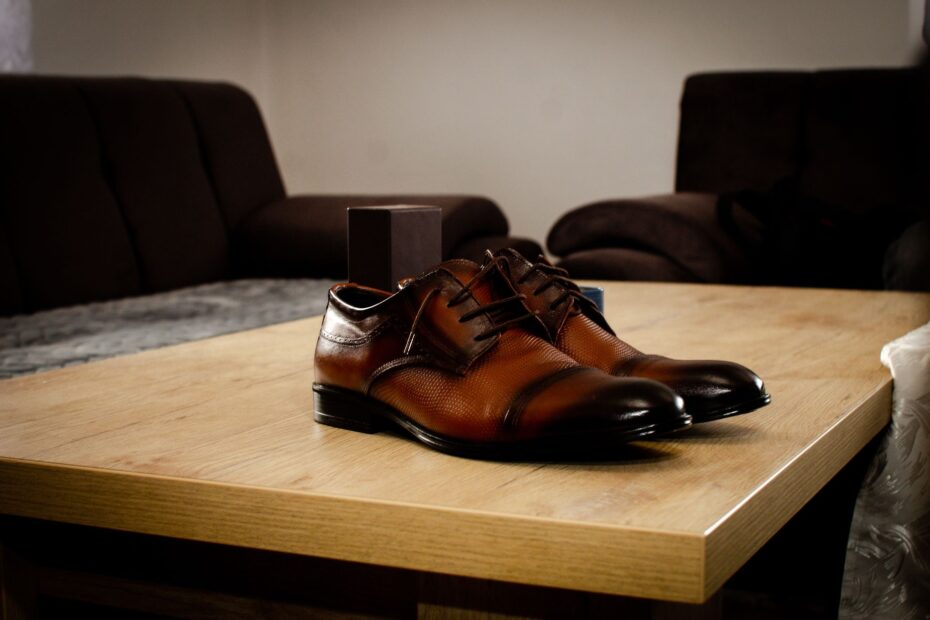
Trapped moisture lets bacteria feed on sweat and skin residue, creating odor inside the shoe. Sweat from eccrine glands leaves water, salts, oils, and skin debris behind; bacteria break down that residue into odor-causing volatile fatty acids. Your feet may be clean, yet yesterday’s damp insole can still hold a sour smell.
This explanation helps you trace odor in work shoes, sneakers, gym pairs, and school footwear, then dry, wash, and store each pair with less damage.
Moisture and Bacteria Start the Odor Cycle
Sweat itself has little smell at first. Inside a closed shoe, sweat mixes with shed skin cells and oils, giving bacteria material to break down. Brevibacterium is one bacterial group linked with foot odor, and its activity produces sharp-smelling volatile fatty acids.
Your shoe insoles, heel cups, toe seams, and foam padding hold residue that a quick surface wipe misses. That explains why do shoes smell even after you wash your feet: bacteria and their food source remain inside the pair.
Fresh sweat and embedded odor behave differently. A pair worn through a workout may smell mild after a full day in moving indoor air. A smell that returns within an hour points toward damp padding, dirty insoles, or residue already established in the shoe.
Example: your running shoes sit in a zipped gym bag from Friday evening through Monday morning. The bag does not add odor by itself. It traps moisture against the lining, allowing bacterial activity to continue through the weekend.
That trapped moisture dries at different rates depending on temperature, airflow, and what the shoe is made of.
- Trapped sweat: Moisture wets the lining and gives bacteria a damp place to remain active.
- Shed skin cells: Toe boxes and insoles collect skin debris that bacteria use as food.
- Bacterial breakdown: Bacteria turn sweat residue and oils into pungent odor-causing compounds.
- Dense foam: Thick cushioning holds water longer than a thin textile layer.
Heat, Dampness, and Shoe Materials Affect Drying
Warm, damp padding holds odor longer because moisture cannot escape fast enough. Darkness and low airflow keep the interior wet after your foot leaves the shoe. Wearing the same pair day after day leaves little time for the lining and insole to dry.
Your schedule may make that cycle hard to interrupt. A hospital shift, school day, rainy commute, or evening practice can leave footwear damp for hours. Shoes stored under a bed, in a locker, or at the bottom of a gym bag dry far more slowly than shoes left open indoors.
Material changes the drying trade-off
| Shoe construction | Moisture behavior | Practical response |
|---|---|---|
| Mesh athletic upper | Moves air through the upper, though foam may stay wet | Remove your insole and loosen laces after exercise |
| Canvas shoe | Absorbs moisture but dries well in open indoor air | Follow the care label and dry the shoe fully |
| Leather shoe | Holds heat around the foot and reacts poorly to soaking | Wipe the interior and dry it at room temperature |
| Sealed synthetic shoe | Can hold heat and moisture against the lining | Rotate pairs and wear dry socks for each use |
Breathable shoe materials reduce trapped heat, but no upper is odor-proof. A mesh sneaker worn daily without drying may smell stronger than a leather pair worn twice weekly. For your situation, the key detail is how much moisture remains between wears.
Keep wet shoes away from radiators, clothes dryers, and direct high heat. High heat can warp soles, shrink uppers, loosen adhesives, and harden leather.
A Short Check Identifies the Main Odor Source
Drying works better after you identify what keeps feeding the smell. Start with the shoe, then inspect the socks and feet that bring moisture back into the pair. This check separates trapped dampness from foot fungus, excessive sweating, poor ventilation, or worn-out shoe materials.
- Recent soaking: Rain, snow, spills, and workouts may leave moisture deep inside the shoe.
- Drying gap: A pair worn again before it dries keeps the damp interior active.
- Insole condition: Darkened foam, trapped grit, and a sharp smell point to buildup near your foot.
- Sock pattern: Thin cotton socks may stay damp longer than moisture-wicking socks during long shifts.
- Pair-to-pair pattern: One smelly pair points toward footwear buildup, while every pair points toward your feet.
- Material wear: Crumbling foam, stained lining, and persistent odor can signal a shoe near the end of usable life.
Foot symptoms change the next step
Itching, scaling, cracks between toes, rash, pain, or peeling skin can point to foot fungus, also called tinea pedis or athlete’s foot. That condition affects the skin barrier and can keep transferring moisture and odor into fresh socks and cleaned shoes.
Your foot odor may rise with excessive sweating, known medically as hyperhidrosis. Dry shoes still matter, yet damp socks by midday suggest that your foot care needs attention too. A pharmacist, podiatrist, or doctor can help with persistent sweating or skin symptoms that continue despite a careful shoe routine.
When no ongoing foot condition is driving the smell, removing the moisture and residue already inside the pair becomes the practical priority.
Skin cracks and pain deserve prompt attention. Open skin inside a sweaty shoe can worsen irritation and make daily footwear hard to tolerate.
Drying and Cleaning Remove Existing Shoe Odor
Start with drying rather than fragrance. Pull out removable insoles, shake out grit, loosen the laces, spread the tongue open, and place both shoes in a ventilated indoor spot. A shoe deodorizer spray used on wet foam only adds scent to the damp material behind the smell.
For how to get rid of shoe odor, remove residue as well as smell. Wipe nonwashable interiors with a lightly damp cloth and mild soap, then dry them fully. Your removable insoles need separate attention because they have the closest contact with sweat and skin debris.
Cleaning methods depend on shoe material
| Material | Safer odor-removal method | Method to avoid |
|---|---|---|
| Washable athletic shoes | Follow the maker’s care directions, then air dry thoroughly | High heat or soaking glued components |
| Canvas | Hand clean or wash only as the care label permits | Storage while the fabric remains damp |
| Leather | Use a leather-safe interior cleaner and dry at room temperature | Immersing the shoe in water |
| Suede | Brush away dry debris and use suede-specific care products | Water saturation or heavy scrubbing |
Baking soda can absorb some odor overnight after the shoe is dry. Put it in a breathable pouch or paper filter rather than pouring loose powder into seams. Activated charcoal inserts work through a similar absorbent action, yet neither removes old skin debris from a dirty insole.
Shoe deodorizer sprays can reduce a smell for a short period, though scent is not the same as odor removal. Drying removes moisture, cleaning removes residue, and a deodorizer mainly masks or absorbs leftover smell. That difference matters while you work out how to remove odor from shoes without hiding a damp-shoe problem.
A Daily Routine Keeps Shoes Fresher Between Wears
Drier shoes stay fresher because bacteria have less moisture available. Wear clean moisture-wicking socks each day, and change socks after exercise where practical. Your socks are the layer that transfers sweat and skin debris directly into the shoe lining.
A rotation does not require a large shoe collection. Give each pair a full day of indoor air drying between wears where your schedule allows. With one essential work pair, remove the insole, loosen the laces, and place the shoes near moving room air after you get home.
A seven-day maintenance rhythm
- After each wear: Open your shoes wide and remove insoles before indoor storage.
- After workouts: Take gym shoes out of your bag soon after arriving home.
- Twice weekly: Air insoles separately and brush visible grit from toe boxes.
- Weekly inspection: Check your pairs for dampness, stained lining, and lingering residue.
- Monthly cleaning: Wash washable footwear as directed and wipe gym bags that hold wet shoes.
Example: a student wears one pair from morning classes through sports practice. Packing dry replacement socks cuts the wet layer inside the shoe during the highest-sweat part of the day. Your pair then has a better chance of drying overnight.
Foot powder intended for fungal conditions may suit your situation after advice from a pharmacist, podiatrist, or doctor. Shoe washing and drying still matter because powder on your feet does not remove residue from the insole. A dry interior and dry socks work together.
Deodorizers Have Limits and Persistent Symptoms Need Care
Cedarwood inserts, charcoal pouches, and shoe deodorizer sprays can make a closet smell less harsh. They do not pull sweat residue out of foam or remove skin debris from an insole. Use them after your shoes are dry and clean, rather than as a rescue step for wet footwear.
Some pairs reach a practical limit. Deeply worn foam, a permanently stained lining, or an insole that remains sharply odorous after cleaning and complete drying may hold residue too deeply. Your next step may be a new insole, while structural damage in the shoe itself may keep the smell present.
Persistent foot symptoms need medical attention
Ongoing odor may come from foot sweat, athlete’s foot, or skin debris returning with every wear. Speak with a pharmacist, podiatrist, or doctor where odor comes with itching, scaling, cracking, rash, pain, peeling skin, or excessive sweating.
Care for both the shoes and your feet. Focusing only on footwear leaves the source on your skin, while focusing only on your feet leaves a damp pair ready to restart the cycle. That two-part approach answers how to keep shoes fresh over time.
A Dry Interior Makes the Biggest Difference
Shoe odor is a moisture problem before it becomes a fragrance problem. Remove sweat-fed residue, dry every layer fully, and give each pair time out of service. Your socks, insoles, gym bag, and storage space all affect the result.
Start with the pair that smells strongest. Open it, inspect the insole, dry it fully, and clean it according to its material. That process gives you a clear signal: a reduced smell points to trapped moisture and residue, while recurring odor across every pair points toward your feet or socks.
FAQ
Why do shoes smell bad even though my feet are clean?
Clean feet remove fresh sweat from your skin, but odor can remain in the insole, lining, seams, and foam. Bacteria feed on trapped skin cells and oils there. Dry your shoes fully, clean removable insoles, and remove debris before judging your foot-washing routine.
What bacteria cause foot and shoe odor?
Bacteria such as Brevibacterium contribute to foot and shoe odor by breaking down sweat residue, oils, and skin debris. Their activity produces odor-causing volatile fatty acids. Your closed shoes give those bacteria a warm, damp surface that holds the smell near your feet.
How do you get the smell out of shoes overnight?
Open the shoes fully, remove the insoles, and place both in a dry ventilated room overnight. Baking soda in a pouch can absorb some remaining odor after drying begins. Thick soaked foam or heavy insole buildup may need more than one night.
Can I put baking soda in my shoes overnight?
Yes. Baking soda works best in a breathable pouch or paper filter placed inside a dry shoe. Loose powder can settle into seams and foam. It absorbs some odor but does not remove embedded skin debris or trapped moisture.
How do I stop shoes from smelling after wearing them?
Open the shoes as soon as you take them off, remove removable insoles, and leave them in moving indoor air. Wear dry moisture-wicking socks for your next use. A full drying gap between wears slows the moisture-and-bacteria cycle.
Should I wash shoes, and how do I dry them safely?
Wash athletic shoes or canvas only where the care label permits it. Leather and suede need material-specific interior cleaning rather than soaking. Dry every pair at room temperature with the laces loosened, and keep them away from radiators, clothes dryers, and direct high heat.