Finding the right pair of ballet shoes changes the way class feels. Whether you’re chasing clean footwork at the barre or just want flats that slip under everyday outfits, the wrong fit drags the whole experience down. I’ve narrowed six options that cover real dancer needs and casual wear in one shortlist, so the decision gets easier fast.
The Choices Worth Comparing
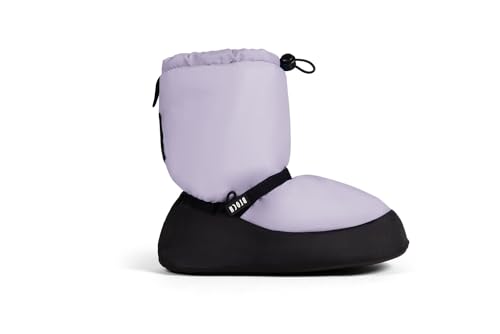
Adult Dance Warm-Up Booties by Bloch

Stelle Stretch Canvas Split-Sole Ballet Shoes

Bloch Minimalist Stretch Satin Ribbon (Pink)

Stelle Stretch Canvas Ballet Slippers

Stelle Stretch Canvas Ballet Flats

WHITIN Wide Toe Box Barefoot Ballet Flats W93
More On The Choices That Made The List
Most studio dancers know that cold muscles turn a clean tendu into a stiff one. The Adult Dance Warm-Up Booties by Bloch slip on between combinations to keep the feet and ankles warm without overheating the rest of the body, and they stay out of the way when class resumes.
Unlike the canvas slippers and ribbons later in this list, these aren’t meant to be danced in. They’re a transitional layer for barre work, rehearsal breaks, and waiting on the wings during a long studio day.
What Works In Its Favor
- Keeps feet and ankles warm during long warm-up blocks
- Quick to slip on and off between combinations
- Backed by Bloch’s long-running dance reputation
- Pairs well with any soft ballet slipper for full studio coverage
Things To Consider
- Not designed for actual dance work, so it won’t replace a slipper
- Owners commonly rotate through pairs over a couple of seasons with frequent studio use
Who It Suits Best
Studio dancers logging back-to-back classes who want warm feet between active sets without losing prep time.
Where Another Pick Suits Better
For someone who actually needs a slipper to dance in, the Stelle Stretch Canvas Ballet Slippers cover that need at a much lower entry cost.
Starting ballet as an adult doesn’t require pro-grade gear, and the Stelle Stretch Canvas Split-Sole Ballet Shoes meet the brief without much fuss. The split-sole layout, where the rubber pad is split under the arch and the heel rather than running as one strip, lets the foot articulate cleanly through demi-pointe work.
Stretch canvas, the knit-like fabric that hugs the foot instead of fighting it, means the slipper molds to the wearer’s shape within a class or two. Compared to the Bloch Warm-Up Booties I covered first, this is the option that actually goes on the foot for pliés and relevés.
A Few Strong Suits
- Highly stretchy canvas adapts to narrow and slightly wider feet
- Split-sole design supports arch articulation for cleaner lines
- Lightweight construction suits beginners and casual class-goers
- Easy to wash by hand and lay flat to dry
- Low entry cost for adults trying ballet for the first time
Worth Noting
- Durability under heavy daily studio use is shorter than premium canvas pairs
- Limited structure means it won’t shape feet the way a stiffer slipper does
- Sizing can run inconsistent, so checking fit notes matters
Key Specs
Made For
Beginners and returning dancers who want a forgiving, soft slipper for one or two classes a week.
Not Your Match When
Daily studio students should look at the Bloch Minimalist Stretch Satin Ribbon for the ribbon path or upgrade to a more structured leather slipper.
For dancers in pointe work, the ribbon choice changes everything. The Bloch Minimalist Stretch Satin Ribbon wraps the ankle and moves with it, instead of pulling against it. The satin finish looks stage-ready without the stiffness of older cotton-tape options.
This isn’t a full slipper, so it pairs with the canvas shoes earlier in the list or replaces worn-out ribbons on a pointe pair. The stretch build, woven from 88% nylon and 12% spandex, keeps the line tight while letting the foot articulate through plié to relevé.
Features That Help
- Allows natural flexion and extension of the ankle and heel
- Reduces tendon strain compared to non-stretch ribbons
- Holds shape without bunching at the ankle
- One-size format fits a wide range of ankle widths
Honest Caveats
- One size may not suit very small or very large ankles perfectly
- Sewing and tying skills matter, since stretch ribbon behaves differently from traditional tape
Who Will Love This
Pre-pointe and pointe dancers looking to upgrade tired ribbons for a smoother feel across the top of the foot.
Skip It When
Someone who only wears soft slippers for barre should grab the Stelle Stretch Canvas Ballet Flats instead.
The Stelle Stretch Canvas Ballet Slippers answer a simpler question: what feels good for a quick home practice or a low-key class. The canvas upper and full-sole design give a grounded feel that’s friendlier for beginners still working on toe articulation.
Compared to the Stelle split-sole pair earlier in this list, this version trades articulation for stability. For floor work, light stretching, and barre practice at home, that tradeoff tends to feel right.
Useful Highlights
- Full-sole layout offers more contact and a steady feel for new dancers
- Stretch canvas shapes to the foot across a few wears
- Light enough to toss in a dance bag without bulk
- Hand-washable for easy care after sweaty sessions
Points To Note
- Full sole slightly limits arch visibility in advanced work
- Elastic tension can loosen faster than premium pairs
Perfect Match For
Casual practitioners and beginners who want a soft, no-fuss slipper for home barre or weekly adult class.
Look Elsewhere When
Anyone chasing a cleaner arch line for performance should consider the Stelle Stretch Canvas Ballet Flats later in the list.
Some dancers want one pair to bridge class and the coffee run. The Stelle Stretch Canvas Ballet Flats work for both, leaning into a flexible, sock-like fit that wears well for warm weather and travel days.
Walking around in them isn’t quite the same as a structured street flat, but they hold up for short trips. This is also the pair I’ll point hybrid shoppers toward before reaching for a dedicated barefoot shoe later in the list.
Strengths Worth Knowing
- Highly stretchy upper adapts to different foot volumes
- Versatile look pairs with jeans, leggings, and dancewear
- Light enough to fold into a tote for travel
- Pulls double duty for casual floor work at home
- Cleans up with a damp cloth for quick refresh
Less Ideal Details
- Not as supportive as a true street flat for hours of walking
- Thin sole means rough pavement shows through over time
- Less structured than canvas slippers used in formal class
Best Suited To
Hybrid wearers splitting time between casual dance classes and everyday outfits in warmer months.
Reach For A Different Pick When
All-day walking needs should point toward the WHITIN Wide Toe Box Barefoot Ballet Flats W93 for more foot room.
Not everyone squeezing into a ballet shape wants a tight toe box. The WHITIN Wide Toe Box Barefoot Ballet Flats W93 keep the flat profile but spread the toe area, the front section where the toes sit, so each toe can splay instead of crowding. For wider feet, that single change is usually the deciding factor.
This is more of a lifestyle flat than a studio slipper, but the construction borrows from barefoot shoe thinking. Compared to the Stelle stretch flats earlier in this list, the WHITIN option trades the sock-like hug for a roomier, more grounded fit.
What Stands Out
- Wide toe box suits people who find traditional flats too narrow
- Flexible sole supports a barefoot-style walking gait
- Neutral look works with casual and work-leaning outfits
- Lightweight build for errands and travel days
Practical Considerations
- Not a substitute for a true dance slipper in class
- Wide shape may feel loose on narrower feet
Feature Snapshot
Right Fit For
Anyone with wider feet or comfort-first priorities who wants ballet-inspired styling without the squeeze.
Swap It Out When
Studio-only buyers should stick with the Stelle Stretch Canvas Split-Sole Ballet Shoes for proper dance function.
Getting The Ballet Shoe That Actually Fits Your Day
The shortest path to a good pair starts with honest answers about how the shoes will be used. A dancer logging six studio hours a week needs something completely different from someone who wants a polished flat for a casual Friday. Fit, sole structure, and material weight each push the decision in a particular direction.
Material And Weight Choices
Canvas uppers breathe well and stretch with the foot, which helps beginners avoid blisters during the awkward break-in window. Leather options feel stiffer at first but mold to the foot over time and tend to last longer under heavy studio use. Synthetic knits fall in between, offering stretch without the same level of structure. For warm climates or sweaty hands at the barre, lighter fabrics pull sweat away faster.
Sole Shape And Studio Demands
Full soles give beginners a stable platform and a clear feel for the floor, while split soles, where the rubber is split under the arch and heel, let advanced dancers articulate the arch for cleaner lines. The right choice depends on how much demi-pointe work shows up in the warm-up. Most adult beginners benefit from a full sole in the first year, then graduate to a split sole as foot strength builds.
Sizing And The Break-In Curve
Ballet shoes usually fit snugly, almost like a second skin, but they shouldn’t crush the toes or pinch the heel. Stretch fabrics loosen more than leather, so a snug fit out of the box is fine for canvas. For leather, a touch of room across the toe box is acceptable because the material gives over a few sessions. Trying on both shoes with the same socks or tights planned for class gives the most honest read.
What Separates The Picks On This List
Common Shopping Slip Ups
The biggest mistake is ordering the same size as a street shoe and expecting the same fit. Ballet silhouettes run narrower and tighter by design, and brands vary in how they grade their sizing. Skipping a quick check of the return policy also burns people, since a wrong size on a tight-fitting shoe is tough to break in. For online orders, wearing the socks planned for class and standing on a hard floor during a try-on tells more than sitting on a couch.
Where The Extra Money Goes
Higher-priced ballet shoes usually deliver denser canvas, longer-lasting elastic, leather soles that grip better on marley floors, and stronger stitching at the heel and toe. For dancers practicing daily or performing, those upgrades matter because cheaper pairs wear through faster under repeated friction. For a once-a-week class or a home practice, the lower tier covers the job just fine and leaves room for extras like ribbons or warm-up booties.
Frequently Asked Questions
How tight should ballet shoes fit?
Ballet shoes should feel snug across the heel and arch without sliding, with toes resting flat and not crunched at the front. A little gap at the very back is normal because the foot moves during relevé.
Can I wear ballet shoes outside the studio?
Soft slippers aren’t built for pavement, but ballet flats inspired by the silhouette are fine for casual wear. Studio slippers wear out fast when used on rough surfaces.
How long do ballet shoes typically last?
Casual dancers wearing them once a week often get six months to a year, while daily studio users replace pairs every few months. Heel wear and elastic stretch are the usual signals.
Do I need ribbons for soft ballet shoes?
Ribbons are required for pointe shoes but optional for soft slippers, where a single elastic strap across the arch is enough for most adult classes.
What’s the difference between split-sole and full-sole ballet shoes?
Split soles split the padding under the arch and heel for a more articulated line, while full soles offer one continuous pad for stability and a grounded feel during early training.
Bottom Line
The right ballet shoe depends on whether the day centers on studio work, casual wear, or a mix of both. Beginners get the most mileage out of forgiving canvas slippers, while pre-pointe dancers should think about upgrading their ribbons early. Comfort shoppers with wider feet now have a real option too, which makes the category feel more welcoming than it used to. Pick the pair that matches the actual routine, and the rest of class tends to fall into place.