Ballet slippers live in a weird spot between studio gear and everyday footwear. Whether you’re a parent outfitting a toddler for her first class, a teenager juggling recitals, or an adult who just wants something light and flexible around the house, the right pair changes how class feels. I’ve spent time digging through what’s actually available, comparing materials, sole splits, and sizing runs, so you don’t have to wade through dozens of near-identical listings. This roundup covers seven solid options across kids, teens, and adults, with notes on who each pair genuinely suits.
A Fast Comparison Of The Options
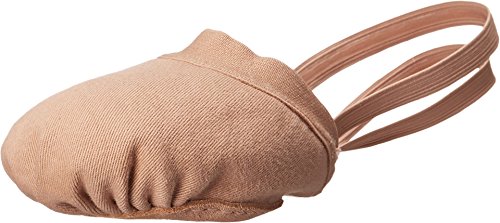
Bloch Spin II Athletic Shoe

Dayrose Stretchy Split Sole Slippers

Dynadans Soft Leather Slippers

Stelle Soft Leather Split Sole

Dynadans Split Sole Women’s Slipper

WENDYWU Pointe Shoe with Toe Pads

Dynadans Kids PU Slippers
A Deeper Look At The Lineup
The Bloch Spin II sits at the top of this list for a reason: Bloch has been making dance footwear since 1932, and that history shows in the construction. This isn’t a slipper so much as an athletic-crossover shoe, built for dancers who want something they can wear to class and then keep moving through the rest of the day. It comes in US women’s sizing from X-Small (1.5 to 3) through Small (3.5 to 5), which covers a useful middle slice of adult feet.
Compared to the pure studio slippers later in this list, the Spin II reads as a hybrid. The fit feels more like a sneaker than a soft slipper, which is exactly the point for dancers transitioning between barre work and errands. For anyone who’s already invested in Bloch’s ecosystem of tights and leotards, this pairs naturally.
Positive Points
- Backed by a heritage dance brand with decades of fit data behind it
- Athletic-shoe construction handles sidewalk wear between classes
- Sizing covers the most common adult women’s ranges without guesswork
- Versatile enough for studio warm-ups and casual street wear in one shoe
- More structured than a typical soft slipper, so it holds shape over time
Things To Consider
- Not a traditional soft slipper, so purists may want a separate pair for barre
- Sizing stops where it stops; larger or smaller feet will need a different Bloch model
Key Specs
Who Will Love This
Adult dancers who want one shoe for class, commute, and casual wear, especially those already comfortable with the Bloch brand.
Look Elsewhere When
Parents shopping for a young child in weekly class should instead consider the Dynadans Soft Leather Slippers, which run in much smaller sizes.
Dayrose makes slippers specifically aimed at girls and teens, and the stretchy upper is the headline feature. A split sole (where the sole is divided under the ball and heel of the foot, rather than running continuously) gives a beginner more articulation through the arch, which matters when a teacher is constantly reminding new students to point their feet. The fabric forgives slightly-off sizing, which is real life when a kid outgrows shoes every few months.
This is the kind of slipper I’d recommend to a parent whose daughter just started class and isn’t sure she’ll stick with it. It’s also useful for gymnastics crossover, since the flexibility suits floor work too.
The Practical Payoff
- Stretchy upper forgives the small sizing misses common in growing kids
- Split sole supports arch articulation, helping beginners point correctly
- Lightweight enough for young feet to manage through a full class
- Doubles as a gymnastics or floor-work slipper for multi-activity kids
Trade Offs
- Lacks the structure of leather, so it may wear out faster with heavy use
- Limited size info from the manufacturer, so verifying fit by measuring the foot is wise
- Stretch fabric can feel less precise than a fitted leather slipper once a dancer advances
Best Suited To
Girls and teens just starting dance or gymnastics who need a forgiving, comfortable slipper that won’t fight slightly-off sizing.
Consider Something Else When
Someone wanting a more durable leather practice shoe should look at the Stelle Soft Leather Split Sole, which uses a sturdier upper.
Dynadans’ soft leather slippers are the most size-flexible option in this roundup, covering toddlers, big kids, and adults in one model. The soft leather breaks in quickly and conforms to the foot, which is helpful when a child is between sizes or a household has multiple dancers at different ages. Soft leather also tends to breathe better than synthetics during long class blocks.
If a family wants to buy one slipper style that can be reused as siblings grow, or shared between a parent and an older child doing adult classes, this is the practical pick. It’s a different value proposition than the Bloch Spin II: less about brand prestige, more about covering everyone with one order.
Real Benefits
- One slipper model serves toddlers, kids, and adults, simplifying family orders
- Soft leather molds to the foot without a long break-in period
- Breathes better than PU or stretch-fabric alternatives during warm classes
- Lightweight build won’t fatigue younger dancers during long rehearsals
Points To Keep In Mind
- Soft leather scuffs and creases visibly, which shows wear sooner than PU
- Limited published sizing details mean measuring feet before ordering is essential
- Construction is more basic than premium studio brands like Bloch
Feature Snapshot
The Right Fit
Families with multiple dancers of different ages, or any household wanting one go-to slipper style that grows with kids.
Skip It When
An adult dancer looking for a more substantial everyday-crossover shoe would be better served by the Bloch Spin II Athletic Shoe.
Stelle’s split-sole slipper sits in the same family as the Dynadans soft leather model, but with positioning more clearly aimed at girls and toddlers in active practice. The split sole helps young dancers articulate through the arch, while the soft leather keeps the break-in period short. For recital seasons when a kid is in class multiple times a week, this style holds up reasonably well to repeated use.
Where Stelle differs from the Dayrose option earlier is material: Dayrose leans stretch-fabric, Stelle goes leather. Parents who want a more “classic” ballet look without paying studio-brand pricing often land here.
What Pays Off
- Soft leather gives a traditional ballet aesthetic without premium pricing
- Split sole supports arch work for developing dancers
- Quick break-in suits kids who need to wear them straight out of the box for a recital
- Reasonable durability for two or three classes per week over a season
Honest Caveats
- Manufacturer provides limited public specs, so verifying the exact size chart is on the shopper
- Soft leather will show scuffs faster than PU alternatives
Quick Facts
Made For
Girls and toddlers attending weekly class or recital prep who need a traditional leather slipper at a moderate price.
Another Choice May Suit
Anyone needing a broader size range that includes adults should check the Dynadans Soft Leather Slippers, which span the full family.
This Dynadans model covers women and older girls in one listing, which makes it useful for households where a teen and an adult are both attending class. The split sole supports pointed feet through barre and center work, and Dynadans has a track record of making straightforward, no-frills slippers that hold up to weekly use.
Compared to the earlier Dynadans soft leather option, this one is positioned slightly more toward the women’s end of the catalog. It’s a sensible middle-ground pick when the Bloch Spin II feels too athletic and the Dayrose feels too youth-focused.
Where It Helps
- Crosses age groups, so a teen and a parent can wear the same style
- Split sole design supports the arch work teachers emphasize from year one
- Practical, no-frills construction that survives frequent laundering
- Sensible choice for adult beginners who don’t want to commit to a premium brand yet
Worth Bearing In Mind
- Not a performance-tier shoe, so advancing dancers will eventually outgrow it
- Manufacturer doesn’t publish extensive specs, leaving fit verification to the shopper
Perfect Match For
Adult women and older girls taking weekly class who want a versatile split-sole slipper without premium-brand pricing.
Reach For A Different Pick When
Dancers who want one shoe that handles both studio and street wear should consider the Bloch Spin II Athletic Shoe instead.
Pointe shoes are a different category entirely from soft slippers. Pointe shoes have a reinforced toe box that lets a dancer rise onto the tips of the toes, which requires significant training and ankle strength. WENDYWU’s pointe shoe includes toe pads and uses a PU sole, making it an entry-level option for dancers who have been cleared by their teacher to begin pointe work.
This is not a beginner ballet slipper, and it’s not a casual street shoe. It’s a specialty item for dancers transitioning from soft slippers into structured pointe work, usually after years of training.
The Case For It
- Comes with toe pads included, removing a separate purchase
- PU sole is more durable than traditional satin exteriors
- Available in pink, matching the standard recital aesthetic
- Positioned for kids, girls, and ladies in one model line
Potential Sticking Points
- Pointe shoes require proper fitting and ideally teacher guidance; a generic fit from a marketplace listing is risky for first-time pointe dancers
- Limited published specs mean fit verification is critical
- Not a substitute for soft slippers in regular class
Spec Overview
Built With In Mind
Dancers cleared by their teacher to start pointe work, especially those wanting an entry-level set with toe pads included.
Where Another Pick Suits Better
Anyone not yet ready for pointe should stay with the Dynadans Split Sole Women’s Slipper for regular class work.
PU (polyurethane) slippers are the most low-maintenance option in this roundup. The synthetic upper wipes clean rather than absorbing sweat like leather, which matters when a young dancer is in class two or three times a week and the slippers are getting tossed into a dance bag between sessions. PU also tends to cost less, so replacing outgrown pairs hurts less.
The Dynadans kids PU slipper comes in toddler through big kid sizes, including 12, 13, and 1.5 little kid. It’s the kind of shoe parents grab when they need something functional and don’t want to worry about leather-care routines.
What Works In Its Favor
- PU upper wipes clean instead of requiring leather-care products
- Typically costs less than leather equivalents, easier on growing-kid budgets
- Lightweight and flexible for young feet in early classes
- Wide size spread from toddler to big kid covers years of growth
Small Caveats
- PU doesn’t breathe like leather, so feet may feel warmer in long classes
- Less form-fitting than leather, which can feel loose during advanced barre work
Right Fit For
Parents of younger kids who want an easy-care slipper that can be wiped down and replaced without fuss as feet grow.
Not Your Match When
Dancers wanting the traditional leather aesthetic for recitals should consider the Stelle Soft Leather Split Sole instead.
What Matters Most Before Choosing Ballet Slippers As Shoes
Sole Style Shapes the Whole Experience
The biggest decision is between a full sole and a split sole. A full sole runs continuously under the foot and gives more support for beginners. A split sole divides under the arch, which lets a dancer articulate and point more cleanly but requires some ankle strength to use well. Most kids’ and beginner slippers lean split sole because teachers want articulation early, but it’s worth matching the slipper to the level of class.
Material Affects Comfort and Upkeep
Leather slippers mold to the foot, breathe well, and develop a personalized fit, but they scuff and need gentle cleaning. PU and synthetic fabrics wipe clean and cost less, but they run warmer and don’t conform the same way. Stretch-fabric slippers are the most forgiving on sizing, useful for growing kids whose feet change between orders.
Sizing Is Where Most Orders Go Wrong
Ballet slippers typically run in letter sizes (like A through E for width) alongside numeric length, but marketplace listings often simplify this. Measuring the foot while standing and comparing to the brand’s published chart is the single most reliable way to get a fit that doesn’t pinch or flop. Snug at the heel with a small amount of toe room is the usual target.
Honest Limits of Marketplace Fits
Specialty items like pointe shoes really need to be fitted in person or with teacher guidance. A first pair of pointe shoes bought from a general listing carries real risk; the wrong fit can bruise or damage developing feet. For soft slippers, the marketplace works fine for most households, but for pointe, a specialty retailer is the safer route.
Smart Choices Across These Picks
Mistakes Worth Dodging
The most common slip-up is ordering by age instead of by measurement. Kids’ feet vary wildly within an age range, and ballet sizing doesn’t follow standard sneaker sizing. Another frequent miss is choosing pure aesthetics over function: a recital-ready slipper that pinches the toes will sabotage class, even if it photographs beautifully. Finally, many dancers hang onto slippers long past their useful life; once the sole is smooth or the elastic is shot, the shoe stops doing its job.
Where The Extra Money Goes
Higher-tier ballet slippers earn their cost through better leather, more precise sizing runs, and longer-lasting construction. For a once-a-week recreational dancer, the difference is modest. For a serious student logging multiple classes per week plus rehearsals, the upgrade pays back in comfort, durability, and a more reliable fit. The biggest jump in cost usually appears at the pointe-shoe level, where structural differences matter most for safety and performance.
Frequently Asked Questions
How tight should ballet slippers fit?
Snug around the heel and arch with a tiny bit of room at the toes, almost like a second skin. Slippers that flop at the heel will slip off during turns and tend to cause blisters where the foot slides inside the shoe.
Can adults wear the same slippers as kids?
Many models, including several Dynadans options in this roundup, come in sizes that span both age groups. The construction is usually identical; only the sizing changes. Adult beginners often start with a youth or unisex model before committing to a brand-specific fit.
How long do ballet slippers typically last?
For a dancer in weekly class, soft slippers generally last a full season or longer. Daily-use dancers may need replacements every few months. Leather outlasts PU when cared for, but PU survives laundering better.
Do I need special socks or tights with ballet slippers?
Most ballet slippers are designed to be worn barefoot or with convertible tights that have a hole in the foot. Standard socks add bulk and can make the foot slide inside the slipper.
What’s the difference between ballet slippers and ballet flats?
Ballet flats are street shoes with a structured sole for walking. Ballet slippers are soft, flexible studio footwear designed to let the foot articulate and the teacher see the dancer’s footwork. Wearing flats to a ballet class is generally not recommended.
Closing Remarks
The right ballet slipper depends less on brand prestige and more on matching the shoe to the dancer’s age, class level, and how often they’ll wear it. Young beginners usually do best with forgiving split-sole designs in stretch fabric or soft leather, while adult dancers crossing into street wear may prefer something more structured like the Bloch Spin II. Whatever you pick, measure the foot carefully and expect to replace slippers as the dancer grows or advances. A well-fitting pair makes class feel easier, and that’s worth getting right.