Most dress shoes squeeze your toes into a narrow, elevated heel and call it class. For anyone who wants a flatter, foot-shaped fit without abandoning a clean silhouette, barefoot dress shoes fill a specific gap. I put together this shortlist for office workers, wedding guests, and weekend dressers who want real toe room in something that still looks pulled together.
A Fast Comparison Of The Options
Bruno Marc Men’s Derby Lace-Up Dress Shoes
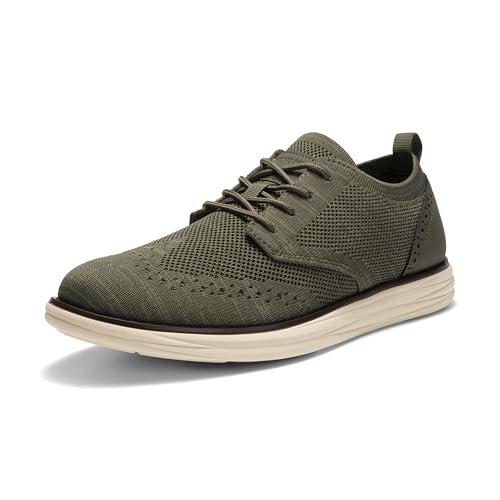
Bruno Marc Men’s KnitFlex Mesh Oxford Sneakers

WHITIN Men’s Wide Barefoot Sneakers W81
WHITIN Men’s Wide Toe Box Minimalist Sneakers W883
WHITIN Men’s Barefoot Minimalist Cross-Trainer W63
Inside Each Recommended Option
The Bruno Marc Derby leans traditional on purpose. A derby (a lace-up shoe with open eyelets stitched on top of the vamp) gives a bit more give across the instep than a balmoral Oxford, which matters for swollen feet after a long commute.
It also includes an Oxford-style lining, a cushioned insole, and a slip-resistant outsole aimed at all-day standing. For most office workers who need something boardroom-appropriate, the clean monochrome look reads as professional.
Positive Takeaways
- Cushioned insole softens hours of standing during conferences or trade shows
- Slip-resistant outsole helps on polished lobby floors or wet sidewalks
- Open lacing system eases pressure across the top of the foot
- Monochrome finish pairs easily with navy, charcoal, and black suits
Things To Consider
- Leather benefits from periodic conditioning to prevent creasing and drying
- Sizing runs slightly narrow for wide-foot wearers
Who It Suits Best
Office professionals, wedding guests, and anyone needing a traditional derby that accepts flat insoles.
Look Elsewhere When
Pick the WHITIN W81 instead if a wider toe box and ground feel matter more than a formal silhouette.
The KnitFlex borrows an Oxford-shaped silhouette and swaps the leather for a breathable knit upper. That single material change shifts the whole experience from stiff to sock-like.
Compared to the leather derby above, this one trades formality for ventilation. Smart-casual offices, dinner dates, and travel days are where it earns its keep, and the padded insole (a cushioned footbed sewn inside the shoe) handles long walking stretches without complaint.
What Earns Its Place
- Knit upper flexes with the foot and avoids hot spots
- Lightweight construction reduces fatigue on travel days
- Slim profile slips under tailored trousers without bulk
- Padded insole cushions extended periods on foot
Worth Noting
- Knit fabric scuffs on rough pavement and shows wear sooner than leather
- Not suited for black-tie or strict business-formal settings
- Limited weather protection in heavy rain
Feature Snapshot
Made For
Smart-casual dressers, frequent travelers, and anyone who treats knit sneakers as everyday footwear.
Skip It When
Reach for the WHITIN W883 instead if you want a wider toe box and a flatter sole for natural foot movement.
The WHITIN W81 is built around a wide toe box, meaning the front of the shoe lets your toes splay instead of compressing them. That alone is the reason many people try barefoot-style footwear in the first place.
The shoe skips traditional dress materials entirely and leans casual. Think weekend errands, relaxed offices, and any setting where comfort matters more than polish. Owners commonly report relief from the pinched-toe feeling caused by standard sneakers.
Where It Delivers
- Wide toe box accommodates natural foot splay
- Flexible sole encourages ground-feel during walks
- Lightweight build suits long periods of standing
Trade Offs
- Looks distinctly casual, not suitable for traditional business attire
- Minimal structure means less arch support for flat-footed wearers
- Mesh upper offers little insulation in cold weather
Best Suited To
Anyone prioritizing foot relaxation over formality, especially during long shifts or recovery days.
Another Choice May Suit
Choose the Bruno Marc Derby if you need a shoe that reads formal in traditional office settings.
The W883 takes the barefoot formula further with a minimalist construction. Zero-drop means the heel and forefoot sit at the same height, removing the raised heel found in most dress shoes.
For someone transitioning into barefoot footwear, this sneaker offers a middle ground. It works for casual offices, dinners out, and weekend wear. Compare that to the W81 above, which leans even more toward recovery and lounging.
Positive Points
- Zero-drop platform encourages a natural standing posture
- Wide toe box suits people with bunions or wider forefeet
- Minimalist look pairs with jeans and casual trousers
- Flexible outsole bends with the foot during walking
Points To Note
- Lacks the cushioning runners might expect for high-impact exercise
- Sizing can run large; trying on before committing is wise
- Not ideal for environments requiring polished dress shoes
Who Will Love This
Beginners exploring barefoot footwear and anyone wanting an everyday sneaker that respects foot anatomy.
Reach For A Different Pick When
The WHITIN W63 suits active dressers who want cross-training capability alongside a barefoot feel.
The W63 is positioned for trail and training use, blending barefoot principles with athletic construction. The cross-trainer label (a shoe designed to handle varied activities like running, lifting, and agility work) signals versatility over single-purpose performance.
It is the least dress-coded option on this list, but earns a spot for anyone splitting time between gym sessions and casual outings. Among the WHITIN trio reviewed here, it handles the widest range of movement.
Good Reasons To Consider
- Cross-trainer design handles varied activities from lifting to short runs
- Barefoot geometry supports natural foot mechanics
- Durable outsole resists wear on outdoor surfaces
Honest Caveats
- Athletic styling rules it out for formal occasions
- Outsole lugs (the gripping bumps on the bottom) can feel bulky on hard indoor floors
- Less cushioning than traditional running shoes for high-mileage joggers
Perfect Match For
Active wearers who want one shoe that bridges workouts, errands, and casual outings without switching pairs.
A Better Fit Elsewhere
The WHITIN W883 fits better if your day skews toward sitting, walking, and light activity rather than training.
What To Weigh Before Buying Barefoot Dress Shoes For Men
The category splits into two camps: dress-coded derbies and Oxfords that borrow barefoot principles, and minimalist sneakers that dress up just enough. Knowing which side you fall on saves a lot of returns.
Toe Box Shape and Foot Splay
A wide toe box lets your toes spread naturally rather than crowding together. This is the defining feature of most barefoot shoes and the main reason people switch. Measure your forefoot, not just your length, before ordering.
Stack Height and Drop
Stack height refers to the thickness of material between your foot and the ground. Zero-drop means no elevated heel, which changes posture and calf engagement. Beginners often ease into lower drops over several weeks.
Upper Materials
Leather reads formal but needs break-in and care. Knit and mesh breathe well and feel light, though they scuff faster. Match the material to your climate and typical surfaces.
Sole Flexibility
Thin, flexible outsoles deliver ground feedback, which is part of the barefoot appeal. Stiffer soles last longer on pavement but dull that connection. Most dress-coded picks sit somewhere between.
Key Considerations Across These Picks
Mistakes Worth Dodging
Treating barefoot as a dress-shoe replacement when the toe box is visibly wide. Some settings still expect a tapered silhouette, and forcing it creates an awkward fit. Match the shoe to the room, not just your feet.
Where The Extra Money Goes
Higher-tier barefoot options typically invest in better leather, more refined stitching, and proprietary footbeds. The upgrade shows up in durability and comfort over years rather than months, and it matters most for daily wearers.
Frequently Asked Questions
Can barefoot dress shoes work in a traditional office?
Yes, when the toe box stays tapered and the materials read as leather or refined knit. The Bruno Marc Derby fits that brief. Wide minimalist sneakers usually do not.
How long does barefoot shoe adjustment take?
Most people need two to four weeks of gradual wear before lower-drop shoes feel natural. Short sessions at first help the foot adapt without soreness.
Are barefoot dress shoes true to size?
Sizing varies widely between brands. Wide toe boxes often mean going up half a size for length. Checking the specific sizing notes for each model prevents early returns.
Do these shoes fit custom orthotics?
Many minimalist sneakers have removable insoles that accept thin orthotics. Traditional leather derbies usually do not, so plan accordingly if you rely on inserts.
Can I use barefoot shoes for running?
Only models specifically built for running, like the W63, handle repeated impact well. Standard minimalist sneakers suit walking and gym work better.
Final Take
Barefoot dress shoes cover more ground than the name implies, from formal derbies to training-ready sneakers. Start with the setting you wear them in most, then narrow by toe room and stack height. The right pair disappears on your feet, and that is the whole point.