Switching to barefoot toe shoes changes how the foot spreads, how the heel lands, and how the whole leg stacks up under load. Runners, hikers, lifters, and people with cranky forefoot joints all want the same core feature: a wide, foot-shaped toe box that lets the toes splay instead of being squeezed into a tapered last. Finding a pair that fits the shape, holds up on real terrain, and still feels wearable around town is the actual challenge.
I put this list together for shoppers weighing minimalist design against real-world durability. Each pick below earns its slot for a specific reason, and the buying guide at the end walks through the specs that actually matter.
How The Shortlist Stacks Up

Ariat Men’s Hilo Shoe

CIVHOM Men’s Extra Wide Toe Box Barefoot Sneakers

SAGUARO Men’s Barefoot Minimalist Trail Shoe

SAGUARO Men’s Wide Toe Box Zero-Drop Trail Shoes
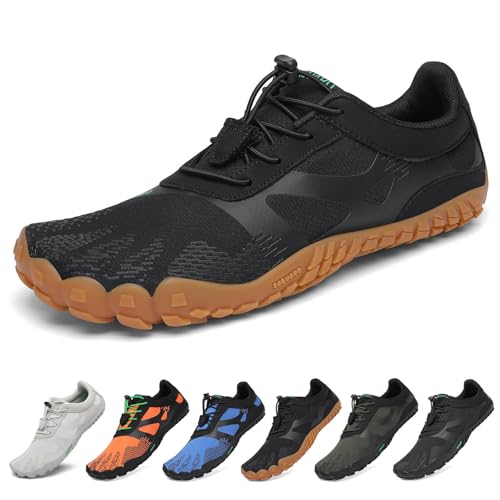
SAGUARO Barefoot Wide Toe Box Hiking Shoe
Taking A Closer Look At The Options
The Ariat Hilo sits in an odd spot in this list because it leans more Western-casual than true minimalist, yet the roomier forefoot still gives toes space to spread compared with a standard sneaker. It’s a slip-on built around a lighter cushioned platform, the kind of shoe you grab for errands, porch nights, or low-key weekend wear rather than a tempo run.
Shoppers who want a barefoot toe-shape feel without going full zero-drop on the trail will find this one friendlier than the SAGUARO entries below. The trade-off is that it doesn’t claim the same technical trail features, so it won’t replace a hiking or running shoe for serious miles.
The Value In It
- Slip-on silhouette makes it grab-and-go friendly for daily routines
- Cushioned interior softens the barefoot-style forefoot for casual wear
- Versatile styling bridges Western-leaning wardrobes and minimalist taste
- Comfortable enough for all-day standing around the house or office
Trade-Offs To Consider
- Not positioned as a performance trail or running shoe
- Western styling may not appeal to shoppers wanting a sleek athletic look
Who It Suits Best
Right for shoppers wanting a casual, slip-on barefoot toe-shape shoe for everyday wear, not technical mileage.
Where Another Pick Suits Better
For trail runners and hikers, the SAGUARO Barefoot Wide Toe Box Hiking Shoe is a better fit thanks to its trail-specific design.
CIVHOM’s extra-wide entry goes all-in on forefoot volume, which makes it the most accommodating pair on this list for feet that bunion, swell after long shifts, or simply don’t tolerate tapered lasts. The breathable knit upper keeps airflow steady during gym sets, and the non-slip outsole pattern handles light trail segments without feeling clunky.
Compared with the Ariat Hilo above, this is a much more athletic shoe, and compared with the SAGUARO picks below, the toe box is noticeably roomier. Shoppers with standard-width feet may find the fit sloppy, and the trade-off shows up in lateral stability during aggressive lateral movements.
Everyday Perks
- Extra-wide toe box accommodates bunions, swollen feet, and wide forefeet
- Breathable knit upper manages heat during long gym sessions or warm commutes
- Non-slip outsole pattern grips gym floors and light trail terrain alike
- Lightweight build reduces fatigue over multi-hour wear
Points To Keep In Mind
- Extra width can feel loose on narrow or standard-width feet
- Knit upper may collect dust and debris on dusty trails, requiring more upkeep
- Lacks the rugged outsole of dedicated hiking shoes for serious backcountry use
Quick Facts
Made For
Wide-footed shoppers and gym-goers who need extra forefoot room for lifting, cardio, and casual wear in one shoe.
Skip It When
Runners who want a streamlined, performance-tuned trail shoe will prefer the SAGUARO Men’s Barefoot Minimalist Trail Shoe for tighter terrain.
SAGUARO’s trail running entry pushes hard on minimalist credentials with a zero-drop platform and a wide forefoot, the two specs most barefoot toe-shoe shoppers actually care about. Zero-drop means the heel and forefoot sit at the same height from the ground, encouraging a flatter landing and more ankle engagement.
It sells for less than many competing minimalist trail pairs, which is exactly why it lands the Value Pick slot. You give up some of the rugged outsole depth found in pricier hiking models, so it’s better tuned to packed trails and gravel than boulder fields.
Everyday Wins
- Zero-drop platform supports natural foot positioning on runs
- Wide toe box lets toes splay for better balance on uneven terrain
- Lower entry price than most minimalist trail competitors
- Light enough for tempo days and recovery jogs alike
Honest Caveats
- Less outsole depth than rugged hiking models, so rocky trails wear the sole faster
- Minimal cushioning may feel harsh for shoppers transitioning from traditional running shoes
Best Suited To
Budget-conscious trail runners who want a true minimalist platform and don’t mind a thinner sole.
Look Elsewhere When
Hikers tackling rocky or wet terrain should consider the SAGUARO Barefoot Wide Toe Box Hiking Shoe for added traction.
This SAGUARO pairs the same wide toe box and zero-drop geometry as the previous pick but markets itself toward gym-and-hiking crossover use. The construction leans a touch more robust, which makes it the safer bet for shoppers bouncing between treadmill sessions and weekend trail loops.
The honest read is that it’s not a dedicated mountaineering boot, so shoppers expecting technical hiking performance may want to size up to the hiking-specific SAGUARO entry below. For mixed indoor-outdoor weeks, this one carries more versatility per dollar than most rivals.
What It Does Well
- Bridges gym and trail use without specializing too hard in either
- Wide toe box gives toes room during lifts and forefoot strikes
- Zero-drop geometry supports natural foot posture across activities
- Versatile styling works for casual wear between workouts
Things To Consider
- Not as grippy as a dedicated hiking shoe on wet rock or loose scree
- Cushioning is lighter than what long-distance road runners may want
Feature Snapshot
Whose Shelf It Belongs On
Gym-goers and casual hikers who want one minimalist shoe that handles both routines without swapping pairs.
Consider Something Else When
Shoppers focused on technical day hikes should grab the SAGUARO Barefoot Wide Toe Box Hiking Shoe for added trail-specific traction.
The hiking-tuned SAGUARO caps the list with the most trail-focused design of the five, aimed at day hikes, uneven terrain, and shoppers who want a barefoot toe feel without giving up grip. It keeps the wide toe box and zero-drop geometry shared across the SAGUARO family while building the upper for outdoor conditions.
For most hikers, the wider platform improves balance on roots and rocks, but the trade-off is reduced lateral stability compared with a stiffer hiking boot. It’s a strong match for established trails, less so for technical off-trail scrambling.
Positive Takeaways
- Trail-tuned outsole grips dirt, gravel, and moderate rocky terrain
- Wide toe box helps with balance on uneven natural surfaces
- Zero-drop geometry supports a natural foot position over long days
- Suitable for both men and women thanks to the unisex shape
Worth Noting
- Less lateral stability than a traditional hiking boot on steep side-hilling
- Minimal structure may feel exposed under heavy pack loads on multi-day trips
Core Details
Perfect Match For
Day hikers and casual trekkers who want minimalist toe splay without giving up trail traction on established routes.
Reach For A Different Pick When
Shoppers wanting one shoe for both gym and trail should consider the SAGUARO Men’s Wide Toe Box Zero-Drop Trail Shoes for more crossover versatility.
What Matters Most Before Choosing Barefoot Toe Shoes
Toe Box Width and Shape
A truly foot-shaped last matters more than the barefoot label on the box. Look for a toe box that mirrors the natural fan of the forefoot rather than tapering to a point. Shoppers with bunions or wide feet often need an extra-wide platform like the CIVHOM pair to avoid pinch points on longer walks. Standard-width shoppers should still confirm the widest part of their foot sits inside the shoe without compression.
Drop Height and Stack
Drop refers to the height difference between heel and forefoot. Zero-drop shoes keep them level, which trains a flatter landing and stronger calf engagement. Higher-drop shoes feel cushioned and familiar but reduce that natural gait feedback. For first-time minimalist shoppers, easing in with shorter sessions helps the calves and Achilles adapt without soreness.
Outsole and Terrain Match
A barefoot toe shoe built for the gym won’t survive a sharp-rock trail, and a thin minimalist hiking sole won’t feel right under a heavy squat. Match the outsole depth and lug pattern to the primary surface. Knit uppers breathe well indoors but collect debris on dusty trails, so factor in maintenance for crossover pairs.
Sizing Quirks
Minimalist brands often run small or vary by model. Reading recent owner feedback for narrow vs. wide sizing quirks helps avoid a return cycle. Shoppers between sizes typically do better sizing up and adding a thin insole rather than cramming into a snug fit, which defeats the toe-splay purpose entirely.
Key Considerations Across These Picks
Common Buying Slip Ups
The most common mistake is chasing the barefoot label without checking the toe box shape, since many “minimalist” shoes still taper aggressively. Another trap is buying a thin trail runner expecting hiking performance, or grabbing a chunky casual pair and expecting it to handle tempo runs. Match the shoe’s design intent to your actual primary use, and size based on forefoot comfort, not heel snugness.
Why Top Tier Costs More
Premium barefoot toe shoes usually charge more for stronger uppers, more durable outsoles, and refined foot-shaped lasts that don’t compromise on room. The upgrade pays off most for shoppers logging serious weekly miles or tackling rough terrain. For casual wearers or first-timers testing the minimalist waters, value-tier picks like the SAGUARO trail entry cover the basics without stretching the budget.
Frequently Asked Questions
How long does it take to adjust to barefoot toe shoes?
Most shoppers need two to six weeks of gradual wear to let calf muscles and the Achilles adapt, especially when transitioning from traditional cushioned shoes.
Are barefoot toe shoes safe for people with foot pain?
Shoppers with plantar fasciitis or chronic forefoot pain should ease in slowly, since the thin soles offer less shock absorption than traditional running shoes.
Can I use barefoot toe shoes for running?
Yes, minimalist trail and running models are designed for that, but shoppers should build mileage gradually to avoid shin and calf strain.
How do I clean knit barefoot shoes?
A gentle hand wash with mild soap and air drying works best, since machine washing can warp the shape and break down glue on bonded uppers.
Do barefoot toe shoes have arch support?
Most minimalist models use a thin, flat insole rather than structured arch support, which encourages natural foot strength over time.
Final Takeaway
Barefoot toe shoes reward shoppers who match the design to their actual habits. Runners and gym-goers benefit most from the SAGUARO trail and crossover pairs, wide-footed shoppers will appreciate the CIVHOM roomy fit, and casual wearers who want the toe-shape feel without the trail focus can lean on the Ariat Hilo. Pick the shape, drop, and outsole that fit your weekly routine, and ease in gradually so the feet and calves have time to catch up.