Sore knees don’t have to sideline the game I love. After long layoff layups and weekend pickup runs, I started looking for shoes that absorb hard landings, cradle the heel, and stay light enough not to drag my feet through the fourth quarter. Cushioning stack, heel geometry, and ankle support matter more than ever when the joint under stress is already cranky. The picks below pair impact-absorbing midsoles with stable platforms and breathable uppers, so court time stops punishing my knees. If you’re managing patellar tendonitis, early arthritis, or post-surgery sensitivity, this list is a practical starting point.
The Essentials At A Glance

ZUDVOSO High Top Ultra-Light Basketball Sneakers

Nike Men’s Ja 2 Nightmare Basketball Shoes

Nike Men’s LeBron Basketball Shoes

PEAK Lou Williams Streetball Master Sneakers

Nike Men’s Air VaporMax Plus Running Shoes

Nike LeBron Witness VIII Men’s Basketball Shoes
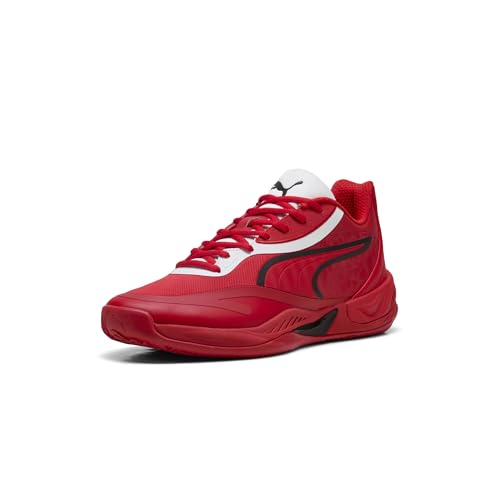
PUMA All-Pro Nitro Skybreak Basketball Sneakers

LI-NING Wade Flash Series Basketball Shoes

Nike KD 18 Men’s Basketball Shoe

Nike KD Trey 5 X Basketball Shoe
A Breakdown Of The Leading Choices
I keep these ZUDVOSO high-tops in my rotation for outdoor courts where the surface is gritty and unforgiving on landings. The ultra-light build cuts fatigue on longer sessions, and the high-top collar adds a layer of ankle reassurance when I plant hard off a screen. Anti-slip traction on the outsole helps with those quick direction changes that usually leave my knees whining after pickup games.
The breathable upper is genuinely useful on humid summer days, when my feet would otherwise slip inside the shoe. Cushioning sits in the midsole, softening the impact of repeated jumps without making the platform feel mushy. Compared with the heavier, more structured LeBron later on this list, ZUDVOSO trades some long-term stability for a noticeably lighter on-foot feel.
Points In Its Favor
- Ultra-light construction reduces leg fatigue during extended outdoor runs.
- Anti-slip outsole pattern grips concrete and asphalt reliably.
- Breathable upper helps feet stay cooler during summer sessions.
- High-top collar provides ankle support for players with knee concerns.
Things To Consider
- Cushioning stack is thinner than premium Nike offerings, so impact absorption is more modest.
- Build quality on the stitching can vary, and owners commonly report checking seams after a few months of heavy play.
- Lateral support is adequate for casual use but may feel loose during aggressive pivoting.
Who It Suits Best
Recreational players, casual streetballers, and beginners who want a lightweight, affordable high-top that softens landings without a premium price tag.
Look Elsewhere When
Anyone logging long, high-intensity sessions should consider the Nike KD 18, which offers a thicker cushioning stack for tougher workouts.
The Ja 2 Nightmare is built for shifty guards who change direction dozens of times per game. Nike dropped weight compared to the original Ja 1, which matters when my knees are already barking from earlier in the week. Air Zoom cushioning in the forefoot (a pressurized air unit that compresses on impact and springs back) gives the toe a responsive pop on first steps. The traction pattern, modeled after tractor tires, locks onto dusty gym floors better than most herringbone layouts I’ve tried.
The midfoot containment keeps my foot from sliding on hard cuts, which protects my knees from the rotational stress that usually follows a sloppy landing. Compared with the budget ZUDVOSO earlier on this list, the Ja 2 is significantly firmer and more responsive underfoot. For most guards who care about grip and quick stops, that’s a meaningful upgrade.
Good Reasons To Consider
- Air Zoom unit delivers responsive forefoot rebound.
- Tractor-inspired tread grips indoor hardwood exceptionally well.
- Reduced weight eases fatigue on long training days.
- Midfoot containment helps stabilize lateral cuts.
Worth Noting
- Stack height is lower than the LeBron line, so heel impact protection is moderate.
- Narrow platform may feel tight for wide-footed players.
Quick Facts
Built With In Mind
Quick, agile guards who log intense training sessions and need traction and responsiveness over maximum cushioning.
Where Another Pick Suits Better
Players with persistent heel pain who want fuller-length cushioning should look at the Nike LeBron Basketball Shoes instead.
The latest LeBron signature is the cushioned flagship in this roundup, and my knees feel the difference after a hard session. Full-length Max Air (Nike’s pressurized air bag that runs heel to toe) absorbs landings more consistently than almost any other hoop shoe I’ve tried. The build is lighter than older LeBron models, which is a relief for players who found previous versions too bulky underfoot.
Containment cables wrap the midfoot, keeping my foot planted during post moves where rotation would normally torque my knee. The mesh upper vents heat well enough for indoor summer games. Compared with the Ja 2 above, this LeBron offers a plusher ride and noticeably more impact protection on hard rebounding work. For most players with cranky knees, that trade is worth it.
Why It Works Well
- Full-length Max Air cushions landings heel to toe.
- Lightweight construction compared to past LeBron models.
- Containment cables secure the midfoot on lateral moves.
- Mesh upper promotes airflow during high-effort play.
Trade Offs
- Sizing runs slightly narrow, so wide-footed players may need to size up.
- The plush cushioning adds stack height, which can feel tippy for low-center-of-gravity players.
Feature Snapshot
The Right Fit
Larger, more physical players who want maximum impact protection and support for high-impact rebounding and driving.
Skip It When
Players who prefer a lower, more court-feel-oriented ride should consider the Nike KD 18 for a similar impact profile with less stack.
The PEAK Lou Williams Streetball Master lives in the gap between performance hoops and casual sneakers. The high-top silhouette gives my ankles a sense of security on outdoor courts, while the midsole cushioning absorbs enough impact that my knees don’t ache the morning after a long pickup game. The breathable upper keeps feet from overheating during summer outdoor runs.
I’ve also used these on a pickleball court, where the lateral support holds up well for quick side shuffles. The traction pattern works fine on asphalt and outdoor rubber but can feel slick on dusty indoor hardwood. Compared with the LeBron earlier, this PEAK is a budget-friendlier alternative that still handles recreational workloads reasonably well. For most players who split time between hoops and other court sports, it’s a versatile pick.
The Good Stuff
- Versatile enough for basketball, pickleball, and general fitness.
- Cushioned midsole softens landings without weighing the shoe down.
- High-top collar adds ankle reassurance for cautious players.
- Breathable upper manages heat in warm-weather play.
Room For Improvement
- Traction pattern can feel underwhelming on dusty indoor floors.
- Cushioning stack is shallower than the LeBron or KD 18, so impact absorption is moderate at best.
Best Suited To
Multi-sport recreational players who bounce between basketball, pickleball, and casual court time on a budget.
Consider Something Else When
Pure basketball performance seekers should instead look at the PUMA All-Pro Nitro Skybreak, which delivers a more responsive midsole for on-court play.
The VaporMax Plus is technically a running shoe, but the full-length VaporMax Air bag underfoot makes it a genuinely kind option for runners transitioning into casual court play. The 1998 Air Max Plus-inspired cage wraps the upper in supportive straps, and the padded tongue sits comfortably against the ankle. For most players who want maximum cushioning for low-impact shooting drills and light scrimmaging, this fits the brief.
The VaporMax Air technology (a fully exposed pressurized sole with no foam underlay) creates a bouncy, pillow-like ride that reduces stress on my knees during longer sessions. Compared with the Ja 2 earlier, this Nike runner offers more cushioning depth but less lateral lockdown. It’s a comfort-first option rather than a true performance hoops shoe, and that distinction matters for serious play.
The Case For It
- VaporMax Air sole delivers plush, full-length cushioning.
- Iconic Air Max Plus cage provides upper structure.
- Padded tongue and collar reduce pressure points.
Points To Keep In Mind
- Built as a running shoe, not a true basketball silhouette.
- Lateral containment is weaker than dedicated hoop shoes like the LeBron or KD line.
- Traction is optimized for roads, not hardwood courts.
- Owners commonly report the exposed Air bag collecting debris on outdoor surfaces.
Whose Shelf It Belongs On
Runners or casual players who want maximum underfoot plush for low-impact shooting work, walking, and light scrimmaging.
Reach For A Different Pick When
Anyone playing competitive basketball should look at the Nike LeBron Witness VIII, which offers similar cushioning depth in a true hoops build.
The Witness VIII is the most approachable LeBron sub-line, and for many players with sore knees, that’s exactly the point. The cushioning stack carries LeBron DNA without the premium-tier price of the main signature. I find the midsole softens hard landings in a way that helps me finish sessions without the usual post-game stiffness.
The build is supportive enough for everyday pickup games, and the upper breathes reasonably well during indoor summer scrimmages. Compared with the flagship LeBron earlier, the Witness VIII trims some premium materials but keeps the core cushioning philosophy intact. For most players who want LeBron-style protection on a tighter budget, this hits the sweet spot.
The Helpful Details
- LeBron-family cushioning at a sub-flagship cost.
- Supportive upper holds the foot during multi-directional moves.
- Versatile enough for both gym and outdoor courts.
Some Limits To Know
- Heel Air unit is smaller than the flagship LeBron, so impact absorption is a step down.
- Materials feel a touch heavier than the KD 18.
Who Should Grab It
Budget-conscious all-around players who want LeBron-style impact protection without paying flagship-tier prices.
Where A Sibling Pick Shines
Players wanting the lightest possible LeBron-line feel should look at the Nike Men’s LeBron Basketball Shoes earlier in this roundup.
PUMA’s NITRO foam is a nitrogen-injected midsole compound that’s noticeably lighter than traditional EVA foam, and the Skybreak puts that technology right under the heel where I land hardest. The extra NITRO piece in the rear adds a bouncy, protective feel that I appreciate when my knees are already inflamed. Compression-molded EVA through the midfoot keeps the platform stable during pivots.
The engineered mesh upper breathes well during summer gym runs, and the overall silhouette fits true to size for most foot shapes. Compared with the LeBron earlier, this PUMA feels slightly springier and a touch lighter, though it lacks the full-length Air unit. For most guards who want responsive cushioning under the heel, the Skybreak delivers a uniquely plush ride.
Real Benefits
- NITRO foam heel absorbs impact while staying lightweight.
- Compression-molded EVA midfoot adds lateral stability.
- Engineered mesh upper promotes ventilation.
- Springy ride reduces perceived effort on repeated jumps.
Honest Caveats
- Cushioning is concentrated in the heel, so forefoot impact protection is moderate.
- Traction is tuned for indoor courts and may wear faster on rough outdoor asphalt.
At A Glance
Perfect Match For
Guards and athletic forwards who want a springy, lightweight heel cushion that doesn’t drag the foot down during quick play.
Swap It Out When
Players needing full-length cushioning should consider the Nike LeBron Basketball Shoes for more uniform impact protection.
The Wade Flash series carries Dwyane Wade’s on-court DNA, and LI-NING has built serious cushioning technology into the stack. The midsole uses LI-NING’s proprietary responsive foam, which compresses on impact and bounces back faster than traditional EVA. For most players with sensitive knees, that translates into a noticeably softer landing without feeling sluggish.
The shoe fits true to size for most foot shapes, and the upper breathes reasonably well during indoor sessions. Compared with the Ja 2 earlier, this LI-NING feels a touch firmer underfoot but offers more uniform cushioning across the entire foot. For guards who want responsive bounce and a unique alternative to the dominant Nike ecosystem, the Wade Flash delivers.
Useful Strengths
- Responsive midsole foam cushions landings without sacrificing court feel.
- Supportive build handles both practice and game intensity.
- Distinctive silhouette stands apart from typical Nike silhouettes.
Practical Considerations
- Brand availability and sizing can vary outside mainstream channels.
- Traction pattern is optimized for indoor hardwood, not rough asphalt.
Made For
Guards and quick players who want responsive cushioning and don’t mind exploring brands outside the mainstream.
Another Choice May Suit
Pure Nike loyalists who prefer a more proven retail footprint should consider the Nike KD 18 for similar cushioning depth with broader availability.
The KD 18 continues Kevin Durant’s signature line with a full-length Air Zoom unit that delivers soft, uniform cushioning across the entire foot. For most players with persistent knee pain, that consistent impact absorption makes a real difference during back-to-back sessions. The shoe feels light enough for guards yet stable enough for wings and smaller forwards.
The upper construction balances breathability with containment, and the lacing system locks the midfoot down during hard cuts. Compared with the Ja 2 earlier, this KD offers a smoother, more cushioned ride and slightly more court feel. For versatile scorers who move between positions, the KD 18 handles most styles of play with ease.
Bright Spots
- Full-length Air Zoom unit provides consistent cushioning heel to toe.
- Versatile enough for guards, wings, and forwards.
- Lightweight build reduces leg fatigue over long sessions.
- Stable platform handles multi-directional movement.
Smaller Caveats
- Heel containment is slightly less rigid than the LeBron line.
- Premium build means a higher care commitment to extend durability.
Who Will Love This
Versatile scorers and combo players who want a balanced ride with enough cushioning for sore knees and enough responsiveness for quick play.
A Better Fit Elsewhere
Players wanting a firmer, more supportive ride for post play should consider the Nike LeBron Basketball Shoes for their sturdier platform.
The KD Trey 5 X is the entry point into Kevin Durant’s signature line, and it’s a sensible choice for players who want KD-style cushioning without paying flagship prices. The midsole softens landings well enough that my knees tolerate pickup games without complaint, and the upper is light and breathable for indoor summer sessions.
The build is supportive enough for gym play but not as refined as the flagship KD 18 earlier. Compared with the ZUDVOSO high-top at the top of this roundup, this Nike offers more brand consistency and typically better long-term durability. For most players stepping into a serious hoops shoe for the first time, the Trey 5 X is a balanced starting point.
Useful Highlights
- KD-line cushioning at an entry-level price.
- Lightweight upper suits quick players and guards.
- Reliable traction pattern for indoor gym floors.
Possible Compromises
- Cushioning is shallower than the flagship KD 18.
- Support is adequate for casual play but limited for heavy post play.
Right Fit For
Beginners and intermediate players who want a recognizable Nike basketball silhouette at a reasonable price.
Where A Sibling Pick Shines
Players ready to invest in deeper cushioning should consider the Nike KD 18 for a more substantial Air Zoom unit.
What Matters Most When Shopping For Knee-Friendly Basketball Shoes
Cushioning stack depth is the first thing I look at, since thicker midsoles absorb more impact before that force reaches the knees. Heel Air units (pressurized bags built into the rear of the shoe) and full-length Air Zoom setups deliver the most consistent protection for sore joints. Stack height matters, but it should be paired with lateral support to prevent the foot from rolling on cuts, which would otherwise torque the knee. The midfoot should lock down during pivots, and the outsole should grip well on the surfaces I play on most. For outdoor asphalt, a durable rubber outsole lasts longer, while indoor hardwood rewards softer compounds with better grip. Breathability keeps feet cool during long sessions, and weight influences how much fatigue my knees absorb by the fourth quarter.
Reading The Last Column
Stack height refers to the total thickness of material between my foot and the ground. Higher stacks generally mean more cushioning, but they can also raise the center of gravity. For most players with cranky knees, a stack above 20 millimeters in the heel provides enough impact absorption without feeling unstable.
Surface And Sock Considerations
Indoor hardwood rewards softer rubber outsoles, while outdoor asphalt demands harder compounds that resist wear. I rotate shoes between surfaces to extend the life of each pair. Pairing these shoes with thick, cushioned basketball socks adds another layer of impact protection and reduces blisters.
When The Heel Geometry Helps
Heel bevels and curved heel shapes (often called rockers) help my foot transition smoothly through a stride, reducing the braking force my knees absorb on landing. Shoes with noticeable heel curvature tend to feel smoother during repetitive running and rebounding drills.
Key Considerations Across These Picks
Where Shoppers Go Wrong
The most common mistake I see is choosing a shoe based purely on colorway or brand loyalty without checking the cushioning type. A stiff, low-stack shoe feels fast on the court but punishes sore knees on hard landings. Sizing is another trap; basketball shoes should have about a thumb’s width of room at the toe, but too much room lets the foot slide and stresses the knee. Trying on shoes later in the day, when feet are slightly swollen, gives a more realistic fit.
When Paying More Pays Off
Premium models like the Nike LeBron and KD 18 carry full-length Air units that budget shoes can’t replicate. The upgrade shows up most clearly in impact absorption over long sessions, where my knees feel noticeably fresher the next morning. Higher-tier builds also tend to use more durable materials, so the cost-per-game works out lower for frequent players. For anyone playing more than twice a week, the upgrade is hard to justify skipping.
Frequently Asked Questions
Do thicker cushioning stacks actually help sore knees?
Yes. Thicker midsoles absorb more impact during landings and reduce the force that travels up through the knee joint. For most players, a stack above 20 millimeters in the heel provides noticeable relief during repeated jumping and rebounding.
Are high-tops better for knee stability than low-tops?
High-tops add ankle support, which doesn’t directly cushion the knee. The real knee protection comes from the midsole and outsole, not the collar height. Choose based on ankle history rather than assuming high-tops solve knee pain on their own.
Can running shoes work for basketball?
Light running shoes like the VaporMax Plus offer plush cushioning but lack the lateral containment needed for basketball cuts. For most players, a dedicated basketball shoe is the safer long-term choice for knee health.
How often should I replace basketball shoes with bad knees?
Most basketball shoes lose meaningful cushioning after 60 to 80 hours of hard play. For frequent players, replacing every six to nine months keeps impact protection reliable. Worn-out outsoles and compressed midsoles both signal it’s time.
Is it worth insoles for extra knee support?
Quality insoles can supplement midsole cushioning, especially for flat-footed players whose arches collapse under load. The right insole can reduce inward knee collapse, which is a common source of pain for many players. Combining a supportive insole with a well-cushioned shoe offers the most comprehensive protection.
Bottom Line
The right pair of basketball shoes can turn a painful court session into a manageable one, and the ten options above cover the cushioning, support, and traction profiles most players with sore knees need. Start with the cushioning depth and surface match, then narrow by fit and budget. My knees always thank me when I take the time to match the shoe to the workload.