Overpronation changes how the foot rolls inward with every cut and jump, and most court shoes simply aren’t designed to handle that extra collapse. Players with flatter arches or ankles that drift inward often end up with knee soreness, arch fatigue, or wiped-out lateral stability after a single pickup run. I’ve put together this shortlist of basketball shoes for overpronation that lean on supportive midsoles, structured uppers, and wide platforms to keep the foot centered through every move. Each pick here addresses foot mechanics differently, so the right match depends on your foot shape, position, and how much cushion you want underfoot.
How The Shortlist Stacks Up

adidas Men’s Anthony Edwards 1 Basketball Shoes

PEAK High Top Lou Williams Streetball Master
adidas Mens Own the Game 3.0 Basketball

Nike Unisex Adult Giannis Immortality 4 Basketball Shoes

adidas Men’s Harden Vol 6 Shoes

Puma Mens Genetics Basketball Shoes
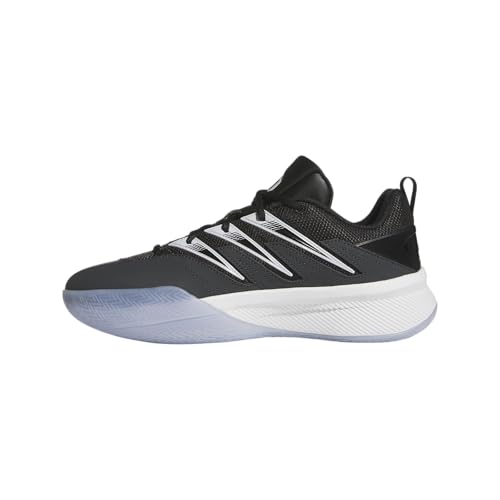
Adidas Unisex-Adult Dame Certified 3 Basketball

Nike Lebron Witness VIII Men’s Basketball Shoes
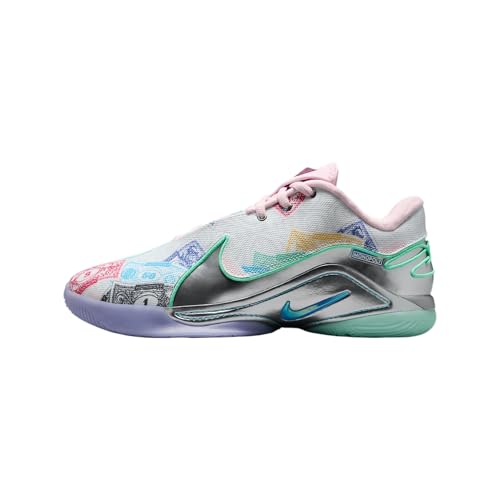
Nike Men’s Lebron XXII Crown Jewel Basketball Shoes
PUMA All-Pro Nitro Skybreak Basketball Sneakers
Meet The Standout Selections
The Anthony Edwards 1 sits in a sweet spot for overpronators who don’t want to sacrifice pop for support. Its midsole layers Boost cushioning (the responsive foam pellets that compress and spring back) underneath a Lightstrike carrier, which translates to soft landings on hard cuts without a mushy feel. Players who land hard on the inside edge after a jump stop will appreciate how the foam stack absorbs that impact before the ankle has a chance to roll.
The rubber outsole wraps wide enough at the heel to create a stabilizing base, which helps center the foot through lateral shuffles. Compared to the more stripped-down Own the Game 3.0 later on this list, this Anthony Edwards signature adds visible structure without going full maximalist. For scorers logging serious minutes, the build quality feels a step above entry-level adidas lines.
A Strong Showing
- Boost + Lightstrike blend delivers real energy return on explosive drives
- Wide rubber outsole gives overpronators a planted base for direction changes
- Lightweight construction keeps legs fresher over long pickup sessions
- Signature AE detailing adds a premium look without inflating the feel
Things To Consider
- Color and sizeway availability can be patchy on the listing page
- Higher stack height may feel tippy for players used to low-cut trainers
Feature Snapshot
Right Fit For
Explosive wing players and combo guards who need a stable, responsive platform for driving lanes and pulling up off the dribble.
Where A Sibling Pick Shines
Heavier forwards and post players who want even more max cushion should look at the Nike Lebron XXII Crown Jewel further down this list.
PEAK’s Lou Williams Streetball Master is one of the rare high-top basketball shoes that delivers real ankle coverage without a flagship price. The high collar locks the heel in place, which is exactly the kind of structure overpronators want when their ankles tend to drift inward on hard stops. Indoor or outdoor, the cushioned midsole absorbs enough impact to keep arches from aching after long runs.
Breathable mesh panels across the upper help when the gym heats up, and the lacing pattern pulls the midfoot tight without hotspots. For shoppers who need stability but can’t justify a premium signature model, this is a smart budget bridge. Compared to the PUMA Genetics in slot six, the Streetball Master trades aesthetics for a more conservative, function-first look.
Strengths Worth Knowing
- High-top collar adds ankle security that overpronators benefit from on hard cuts
- Cushioned midsole reduces arch fatigue during long outdoor sessions
- Breathable mesh keeps feet cooler in summer gyms
- Accessible price point compared to flagship signatures
Worth Noting
- Heavier than low-cut performance shoes, which may tire out quick guards
- Sizing can run narrow; wider feet may need to size up
Made For
Outdoor pickup players and recreational athletes who want high-top support without paying flagship prices.
Look Elsewhere When
Quick guards who prefer a low-cut, lightweight build should try the adidas Harden Vol 6 instead.
The Own the Game 3.0 is the kind of no-fuss trainer that handles twice-a-week gym runs without overpromising. It leans on a midfoot support chassis (the structural cage that wraps under the arch) to keep the foot from collapsing inward, which is the core concern for overpronators on hard gym floors. The cushion underfoot is forgiving on impact without floating the foot too high off the court.
It doesn’t carry the flash of the Anthony Edwards 1 above, and that’s the point. Players who just want a sturdy, predictable shoe for rec leagues and casual drills will find plenty to like here. Availability on this listing has been spotty at times, so it’s worth checking the page for current sizeway options.
Key Advantages
- Midfoot support chassis resists inward rolling during cuts
- Forgiving cushion handles concrete and hardwood equally well
- Clean, understated styling works for gym and casual wear
Room For Improvement
- Listing availability has been inconsistent, so sizing can be limited
- Lacks the energy return of flagship Boost-based adidas models
Spec Overview
Whose Shelf It Belongs On
Rec league players and casual gym hoopers who log a couple of sessions a week and want a reliable, no-drama trainer.
Reach For A Different Pick When
Players chasing elite cushion and responsiveness should step up to the Nike Lebron XXII Crown Jewel instead.
The Giannis Immortality line was built for a player who drives hard from the perimeter and needs structure without weight. For overpronators, the standout detail is the wider forefoot platform, which spreads pressure across the ball of the foot and keeps the toes from splaying when landing. That extra real estate reduces the inward tilt that often triggers knee discomfort after long sessions.
The midsole sits lower to the ground than max-cushion flagships, which gives it a connected, court-feel ride. Compared to the Lebron XXII Crown Jewel later on this list, this model trades plush cushion for a nimbler, more grounded feel. Wide-footed players especially should pay attention here.
Useful Touches
- Wide forefoot accommodates broader feet and reduces splay
- Lower midsole stack provides a grounded court feel
- Lightweight build favors quick-twitch movement patterns
Points To Note
- Less plush than max-cushion competitors; sensitive knees may want more foam
- Unisex sizing can confuse shoppers between men’s and women’s conversion
Built With In Mind
Wide-footed players and athletic wings who want a grounded, supportive ride rather than a max-cushion feel.
Skip It When
Heavier players who need maximum impact protection should consider the Nike Lebron Witness VIII instead.
The Harden Vol 6 was designed for a player who lives on hesitations, crossovers, and step-backs. Its Boost midsole gives back energy on every push-off, while the bands across the forefoot and heel pull the foot into the platform and prevent it from sliding around inside the shoe. For overpronators, that containment matters, because loose foot movement inside the upper is what usually amplifies inward rolling.
Compared to the Dame Certified 3 below, this model is a more aggressive performance build with stronger lockdown features. Guards who change direction ten times a possession will feel the difference immediately. Wide-footed shoppers may want to try them on first, since the bands tighten the fit considerably.
Where It Helps
- Boost midsole delivers high energy return on push-offs and jumps
- Forefoot and heel bands lock the foot in place during cuts
- Lightweight feel suits shiftier guards and combo players
Honest Caveats
- Band-driven lockdown runs snug; wide feet may find it tight across the forefoot
- Lower stack height offers less impact protection than max-cushion options
Feature Rundown
Who Should Grab It
Shift-point guards and combo players who change direction constantly and need a shoe that keeps up with their feet.
Swap It Out When
Players with wider feet or those wanting more cushion should pivot to the PUMA All-Pro Nitro Skybreak further down.
The Puma Genetics takes its visual cues from big-cat anatomy, and that biomimicry shows up in the outsole pattern as much as in the colorways. The tread pulls from the natural grip of a paw, which translates to confident stops and push-offs on polished gym floors. For overpronators, the midsole platform sits wide and stable, giving the foot a centered foundation through lateral moves.
Pricing on the listing has been friendly when sizeways are available, making it an attractive style pick for players who care about the look. The cushion stack is more moderate than the max-cushion options on this list, so it’s better suited to players who don’t want their feet elevated off the court. Compared to the Dame Certified 3 below, the Genetics leans more into visual identity.
Where It Excels
- Paw-inspired tread delivers reliable grip on indoor surfaces
- Wide midsole platform supports overpronators through cuts
- Distinctive colorways stand out from the standard black-and-white crowd
A Few Limitations
- Stack height is moderate, not max-cushion; sensitive knees may want more
- Listing availability has been uneven in some sizeways
Best Suited To
Style-conscious streetball players who want a distinctive look without sacrificing supportive geometry.
Consider Something Else When
Post players needing maximum impact protection should look at the Nike Lebron Witness VIII instead.
The Dame Certified 3 sits in adidas’s entry-tier signature lineup, and that makes it one of the more approachable shoes on this list for overpronators just starting to think about foot mechanics. The midsole uses Bounce cushioning (a responsive EVA-based foam tuned for springy step-offs) that softens landings without a marshmallow feel. The upper stays light, which matters for newer players still building endurance.
It doesn’t offer the band-driven lockdown of the Harden Vol 6 above, but the price-to-build ratio is genuinely strong. For shoppers who want a real basketball shoe rather than a fashion crossover, this Dame model covers the basics well. Beginners tend to find it forgiving right out of the box.
Benefits That Matter
- Bounce cushion softens impact without weighing the shoe down
- Lightweight build helps newer players stay fresh through full sessions
- Accessible price point keeps the entry barrier low
Trade Offs
- Less aggressive lockdown than the Harden Vol 6 or Anthony Edwards 1
- Unisex sizing can complicate men’s-to-women’s conversions
Perfect Match For
Beginners, casual gym players, and shoppers stepping into their first signature-style basketball shoe.
A Better Fit Elsewhere
More experienced players wanting stronger containment should consider the adidas Harden Vol 6 instead.
The Witness VIII sits below LeBron’s flagship line but borrows a lot of its stability DNA. It uses a max-cushion midsole stack that absorbs hard landings, paired with a wide outsole base that keeps the foot centered through contact. For overpronators with heavier frames, that combination is the practical reason to consider this model over nimbler low-cut shoes.
The upper feels more substantial than the Giannis Immortality 4 above, which some players will appreciate for the locked-in feel and others may find bulky. Compared to the Lebron XXII Crown Jewel further down, this model gives up some premium tech for a more approachable price. Bigger forwards and physical wings will get the most out of the build.
What Pays Off
- Max-cushion stack absorbs hard landings for heavier players
- Wide outsole base provides lateral stability on drives
- Substantial upper gives a locked-in, supportive feel
Potential Drawbacks
- Bulky build may feel clunky to faster, shiftier guards
- Heavier than low-cut alternatives on this list
Key Specs
Who It Suits Best
Bigger forwards, post players, and physical wings who need maximum cushion and a stable platform under load.
Not Your Match When
Quick guards who prioritize speed and lightweight feel should reach for the Nike Giannis Immortality 4 instead.
The Lebron XXII Crown Jewel pulls out the stops for overpronators willing to invest in top-tier tech. Dual Air Zoom units sit in the forefoot and heel, giving both ends of the foot a snappy, responsive pop on takeoff and a soft cushion on landing. The wing-shaped stability pieces along the midfoot lock the foot over the platform, which is the exact mechanism overpronators need to keep the ankle from drifting inward.
It also runs a midsole plate (a structural layer inside the foam) for torsional rigidity, so the shoe doesn’t twist awkwardly when planted. Compared to the Witness VIII earlier, this flagship is faster, more responsive, and noticeably more engineered. Players with serious mileage who want every advantage will appreciate the build.
The Case For It
- Dual Air Zoom units deliver premium responsiveness and cushioning
- Wing-shaped midfoot pieces provide strong lateral stability
- Torsional midsole plate keeps the shoe rigid through hard plants
- Soft, low-to-the-ground court feel supports quick first steps
Where It May Fall Short
- Premium pricing puts it out of reach for casual shoppers
- Stack height sits higher; players used to low-cut trainers may need an adjustment period
Right Fit For
Serious players logging heavy minutes who want flagship cushion, stability, and response in one package.
Where Another Pick Suits Better
Casual gym players who don’t need maximum tech should save money with the Adidas Dame Certified 3.
The All-Pro Nitro Skybreak rounds out this list with a foam-forward setup aimed at players who log multiple sessions a week. NITRO foam in the heel adds responsive cushioning, while compression-molded EVA through the midfoot softens landings without losing court feel. Overpronators get a platform that absorbs impact at the heel and keeps the arch supported through transitions.
The engineered mesh upper breathes well, which matters for players who run two-a-days or long summer leagues. Pink and white is the most visible colorway on the listing, so shoppers wanting a more understated look may need to check for alternate sizeways. Compared to the PUMA Genetics in slot six, this model leans more into performance than style.
Practical Advantages
- NITRO foam heel gives responsive, lightweight cushioning
- Compression-molded EVA midsole softens landings for frequent players
- Engineered mesh upper breathes well during multi-session weeks
Things To Weigh
- Listing colorways can be limited depending on size
- Less lateral structure than flagships like the Lebron XXII
Quick Facts
Who Will Love This
Multi-session players, league athletes, and gym regulars who want a breathable, foam-forward daily trainer.
Consider Something Else When
Players chasing flagship lateral stability should look at the Nike Lebron XXII Crown Jewel instead.
Matching Shoes to Your Foot Mechanics
Choosing basketball shoes for overpronation starts with understanding how the shoe fights inward rolling. The most important feature is midfoot support, whether it’s a structural shank (a stiff strip embedded in the midsole), a containment band, or a wing-shaped overlay, because that’s what keeps the arch from collapsing during cuts. The second is midsole width: a wider platform gives the foot a broader base to roll on, which reduces the angle of inward tilt on hard stops.
Cushion type matters too, and softer isn’t always better for overpronators. Max-cushion stacks like the Lebron Witness VIII or Lebron XXII absorb impact but can feel unstable to players with severe pronation, while firmer, grounded setups like the Giannis Immortality 4 give more proprioceptive feedback (the body’s sense of where the foot is in space). Breathable mesh uppers like the PUMA Skybreak help during long sessions, and high-top collars like the PEAK Lou Williams add ankle security for shoppers who want extra containment.
Reading Your Foot Shape
Players with flatter arches and heavier frames usually need a structured midfoot chassis and a wider platform. Lighter, narrower-footed players can usually get away with band-driven containment in a lower-cut model. If you’ve had knee or arch pain after recent play, lean toward firmer, more supportive builds before chasing soft cushion.
Fit, Sizing, and Break-In
Try basketball shoes later in the afternoon when feet are slightly swollen, and leave a thumb’s width at the toe box. Most of the models on this list run true to size, but the PEAK Lou Williams and adidas Harden Vol 6 can run snug. Owners commonly report that band-driven models like the Harden need a few sessions to fully break in across the forefoot.
Match the Shoe to Your Position
Guards need lightweight containment and traction for cuts. Wings benefit from balanced cushion with midfoot structure. Bigger forwards and post players usually want max cushion, a wide platform, and a tall, supportive upper. Matching position to build keeps the shoe from fighting the player.
Smart Shopping Considerations
Common Buying Slip-Ups
The most frequent mistake is choosing a shoe purely on cushion softness. Overpronators who buy the plushest model often end up with a wobbly platform that actually amplifies inward rolling. Another trap is ignoring midfoot support in favor of brand recognition or colorway; the Anthony Edwards 1 looks great but only works because it pairs Boost with a wide, structured base. Skipping a try-on, especially with band-driven shoes, leads to returns and lost time.
Where The Extra Money Goes
Premium models like the Lebron XXII Crown Jewel use dual Air Zoom units, wing-shaped stability overlays, and a torsional plate that budget builds simply can’t match. That tech translates to faster response times, more reliable lateral stability, and better durability over heavy use. For casual players logging a session a week, the upgrade rarely pays off. For serious athletes logging multiple sessions, the difference in foot fatigue and joint comfort compounds over a season.
Frequently Asked Questions
Do basketball shoes actually help with overpronation?
Yes, when they include structured midfoot support and a wide platform, they help control inward rolling. The right shoe won’t fix the underlying biomechanics, but it can reduce knee and arch strain significantly over a season of play.
Should overpronators use insoles with basketball shoes?
Many overpronators add a medial-post insole (a firmer wedge on the inner edge that resists collapse) for extra support. Most of the shoes on this list have removable insoles, so swapping in a custom or off-the-shelf orthotic is straightforward. Match the insole to the shoe’s volume rather than stacking extra height that can cause heel slip.
Are high-tops better for overpronation than low-tops?
Not necessarily, but high-tops like the PEAK Lou Williams add ankle containment that low-cuts can’t match. Low-cut performance shoes with strong midfoot bands can support overpronators equally well if the fit is right.
How often should overpronators replace basketball shoes?
Most players replace basketball shoes every six to twelve months depending on frequency. Overpronators often wear down the inner edge of the outsole faster, so checking the tread every few months helps catch uneven wear before it changes the foot’s mechanics.
Can overpronators wear lightweight basketball shoes?
Yes, as long as the shoe has solid midfoot structure. The Giannis Immortality 4 and Harden Vol 6 are both lightweight, but they lock the foot in through wide platforms and containment bands. Pure minimal shoes usually don’t work well for overpronators on hard courts.
Final Verdict
The right basketball shoes for overpronation depend on your foot shape, position, and how often you play. Heavier forwards and post players should start with the Nike Lebron Witness VIII or Lebron XXII Crown Jewel for maximum cushion and stability. Guards and wings with mild pronation will do well in the adidas Harden Vol 6 or Giannis Immortality 4. Shoppers on tighter budgets should look at the Dame Certified 3 or PEAK Lou Williams Streetball Master, both of which deliver real structure without the flagship price.