Shin splints can derail a season fast, and the wrong footwear often makes things worse. Plenty of basketball shoes promise cushioning without explaining what that means for overworked shins, and that’s where most shoppers get stuck. I pulled together ten options that lean into shock absorption, structured midsoles, and supportive uppers, plus a couple of compression sleeves that pair well with any shoe on the list. My goal here is to help players who log real gym time and feel that deep ache along the tibia find something that genuinely helps them keep playing.
Your Options, Compared

Adidas Unisex-Adult Avery

Nike Men’s Ja 2 Nightmare Basketball Shoes
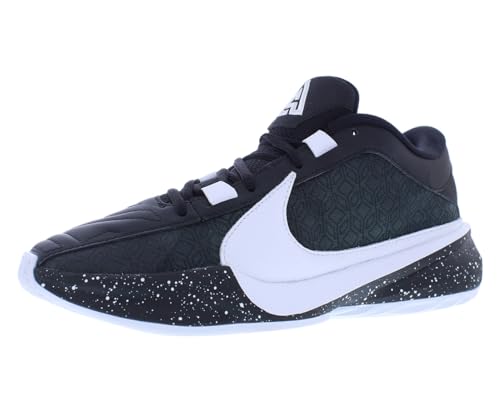
Nike Men’s Zoom Freak 5 Basketball Shoes

CAMBIVO Calf Compression Sleeve 3 Pairs

PEAK High Top Lou Williams Streetball Master

NIKE Women’s Flex Supreme TR 5

Under Armour Unisex Curry 12 Team

Zensah Running Leg Compression Sleeves

Nike KD 18 Men’s Basketball Shoe
PUMA Mens All-Pro Nitro Skybreak
A Deeper Look At The Lineup
The Adidas Unisex-Adult Avery borrows a court silhouette but lives most of its life off the hardwood, and that’s exactly why it makes this list. The Cloudfoam sockliner is the real hero here, a soft foam insert that cradles the foot on every landing. For someone whose shins flare up after a few pickup games each week, that extra step-absorption matters more than flashy traction patterns.
The synthetic leather upper holds up to daily wear without creasing badly, and the rubber outsole grips gym floors and sidewalks with equal confidence. Recreational players who split time between the court and casual outings get a lot of mileage out of this one. Compared to the more aggressive performance shoes later in the lineup, the Avery trades court-ready lockdown for all-day comfort.
Bright Spots
- Cloudfoam Comfort sockliner softens repeated landings during casual play
- Synthetic leather upper resists scuffs from outdoor courts
- Rubber outsole pattern grips gym floors without feeling sticky
- Doubles as a daily-wear sneaker between gym sessions
Things To Consider
- Less structured than performance basketball shoes for lateral cuts
- Sizing can run slightly narrow for wider feet
- Not built for the pounding of daily full-court sessions
Key Specifications
Who It Suits Best
Casual players who hit the gym a couple times a week and want a shoe that handles errands just as well as half-court sessions.
Consider Something Else When
Competitive hoopers needing stronger lateral support should look at the Under Armour Unisex Curry 12 Team instead.
The Nike Ja 2 Nightmare was built for guards who refuse to slow down, and that intensity shows up in the cushioning setup. Air Zoom units in the forefoot absorb the shock of every hard plant, which is meaningful for athletes whose shins burn after a few aggressive drives. The lighter build keeps the legs fresher during long training blocks.
The traction pattern borrows from tractor tire geometry, giving quick stops and sharp directional changes a confident grip. Players who favor speed and constant movement get a shoe that matches their tempo. The earlier Adidas Avery is friendlier to casual wear, but the Ja 2 is tuned for someone pushing real pace every session.
Key Advantages
- Air Zoom cushioning softens hard landings on drives and rebounds
- Tractor-tire-inspired traction grips through quick cuts
- Lightweight construction reduces leg fatigue over long sessions
Worth Noting
- Narrow platform may feel tight for wider feet
- Outsole pattern collects dust on dirty courts
Feature Snapshot
Right Fit For
Explosive guards logging serious training hours who need impact protection built into every stride.
Look Elsewhere When
Budget-focused shoppers should consider the Nike Men’s Zoom Freak 5 Basketball Shoes for a similar feel at a lower tier.
The Nike Zoom Freak 5 brings signature-grade cushioning to a friendlier tier, and that balance is what makes it a smart pickup for growing athletes. Zoom Air units in the forefoot absorb repeated landings during drills and full-court scrimmages, taking some pressure off tender shins. Younger players dealing with early shin discomfort find the foam setup forgiving without feeling sluggish.
Compared to the pricier Ja 2 Nightmare reviewed above, the Freak 5 trims some material weight and aggressive styling but keeps the core impact protection. It’s a sensible middle ground for high schoolers and weekend warriors who want Nike tech without draining a wallet. The trade-off shows up in breathability, where the upper runs warmer than mesh-forward competitors.
Everyday Wins
- Zoom Air cushioning protects shins during frequent practice sessions
- Lower entry tier for shoppers seeking Nike performance
- Structured heel holds the foot steady on hard cuts
- Durable enough for outdoor blacktop play
Trade Offs
- Upper runs warmer than mesh-heavy trainers in hot gyms
- Color availability shifts often between releases
Built With In Mind
Budget-conscious athletes who still want responsive cushioning for shin-sensitive legs and regular gym time.
A Better Fit Elsewhere
Players wanting stronger ankle lockdown for outdoor courts will get more from the PEAK High Top Lou Williams Streetball Master.
The CAMBIVO Calf Compression Sleeve tackles shin splints from a different angle, working on the soft tissue around the tibia rather than the foot itself. Graduated 15-20mmHg compression supports blood flow and reduces the throbbing ache that follows intense gym sessions. Athletes rotating between basketball and running find it useful across both.
The three-pair pack covers a week of regular training without constant laundry cycles, and the nylon-elastane-spandex blend stretches without losing rebound. Pairing one of these sleeves with any of the basketball shoes above creates a layered approach that addresses shin splints from two angles. The honest read is that sizing matters a lot here, so measuring before ordering avoids the common mistake of guessing.
Positive Takeaways
- Graduated 15-20mmHg compression supports circulation in the lower leg
- Three-pair pack keeps fresh sleeves on hand throughout the week
- Works under socks during basketball, running, or recovery
- Footless design avoids bunching inside the shoe
Honest Caveats
- Sizing between ranges can feel inconsistent, measure carefully
- Compression level may feel too firm for first-time sleeve wearers
Made For
Athletes splitting time between court sports and cardio who want ongoing shin support across every workout.
Skip It When
Players needing a more targeted ribbed design might prefer the Zensah Running Leg Compression Sleeves for specific shin relief.
The PEAK High Top Lou Williams Streetball Master is the kind of shoe that does a lot without asking for much. The high-top collar wraps the ankle for players whose shins ache partly because of unstable landings, adding stability where it counts. Breathable panels across the upper keep feet from overheating during outdoor summer runs.
Where the earlier Nike offerings focus on signature tech, this PEAK model leans into practical comfort for the player who just wants to play without worry. The Lou Williams signature design carries a streetball vibe that translates well to outdoor courts and gym time alike. Sizing tends to run a touch small based on widely reported feedback, so trying them on with basketball socks is wise.
Everyday Perks
- High-top collar stabilizes ankles on uneven outdoor landings
- Breathable mesh panels reduce sweat buildup
- Cushioned midsole softens impact for shin-sensitive players
- Aggressive price tier for shoppers watching their budget
Points To Keep In Mind
- Traction pattern wears faster on rough outdoor surfaces
- Wide-footed players may need to size up
Quick Facts
Best Suited To
Outdoor streetball regulars and budget-focused players needing ankle support alongside cushioned landings.
Reach For A Different Pick When
Anyone wanting a more cushioned signature feel should step up to the Nike KD 18 Men’s Basketball Shoe.
The Nike Women’s Flex Supreme TR 5 takes a cross-training approach that works well for players mixing basketball with lighter cardio days. The lightweight mesh upper flexes naturally with the foot, reducing the rigid stress that aggravates shin splints in stiffer basketball-specific shoes. For someone whose shins hate constant impact, that flexibility is a relief during agility drills.
The minimal design philosophy places support only where it’s actually needed, so the shoe never feels like a cage around the foot. Trainees who rotate between court sessions and gym classes appreciate the versatility, though serious hoop players may want more lockdown. Compare this to the PEAK Lou Williams above, which locks the ankle but sacrifices flexibility.
The Helpful Details
- Ultra-flexible outsole moves naturally with foot mechanics
- Lightweight mesh upper keeps the foot cool during transitions
- Minimal overlays reduce pressure points on the forefoot
Small Caveats
- Less ankle lockdown than high-top basketball models
- Outsole traction is better suited to gym floors than rough asphalt
Perfect Match For
Women balancing basketball, training, and conditioning who want a flexible shoe that won’t punish tender shins.
Where A Sibling Pick Shines
Pure basketball players wanting stronger lateral stability should consider the Under Armour Unisex Curry 12 Team.
The Under Armour Curry 12 Team threads the needle between performance tech and everyday wearability. The breathable engineered mesh upper wraps the foot without constriction, a small but meaningful detail for players whose shins feel worse when their feet overheat. The fit profile holds the midfoot during lateral movement without squeezing.
Compared to the lighter Nike Ja 2 Nightmare, this Curry 12 Team offers a more grounded ride, which some athletes prefer for shooters and combo guards who plant often. The aesthetic holds up off the court too, making it easy to wear straight from the gym. It’s the kind of shoe that handles pickup runs, drills, and casual sessions without needing rotation.
Useful Strengths
- Engineered mesh upper promotes airflow during warm sessions
- Enhanced midfoot wrap stabilizes the foot on hard cuts
- Versatile enough to wear between gym and errands
- Underfoot cushioning absorbs impact for sensitive shins
Points To Note
- Slightly heavier than speed-focused competitors
Spec Overview
Who Should Grab It
Shooters and combo guards wanting balanced cushioning, lockdown, and a shoe they can wear straight through the day.
Swap It Out When
Pure speed trainers chasing a lighter ride will appreciate the Nike Men’s Ja 2 Nightmare Basketball Shoes more.
The Zensah Running Leg Compression Sleeve targets shin splints head-on with V-shape ribbing engineered specifically for the area. Graduated compression supports circulation while the textured knit applies gentle pressure along the tibia, easing the dull ache that flares up during long cardio blocks. Runners and court athletes alike find the focused approach more useful than generic compression sleeves.
The nylon-spandex blend wicks moisture and stays light during sweaty workouts, and the construction holds up well through repeated wash cycles. Compared to the CAMBIVO sleeves reviewed earlier, Zensah leans harder into targeted relief rather than general calf support. Sizing options cover a wide range of leg shapes, which helps shoppers avoid the common fit guesswork.
A Few Strong Suits
- V-shape ribbing precisely targets shin splint discomfort
- Graduated compression promotes blood flow for faster recovery
- Moisture-wicking fabric keeps legs dry during intense workouts
- Durable knit holds compression through repeated washes
Areas To Watch
- More expensive per pair than bulk-pack alternatives
- Strong compression can feel restrictive during rest days
The Right Fit
Runners, crossfitters, and basketball players wanting targeted shin relief rather than general calf support.
Another Choice May Suit
Shoppers wanting multiple sleeves for a full training week should consider the CAMBIVO Calf Compression Sleeve 3 Pairs pack.
The Nike KD 18 Men’s Basketball Shoe carries full-length responsive cushioning that handles the kind of pounding that sidelines shin-splint sufferers. The midsole stack absorbs impact on every drive and jump, which is the difference between finishing a session strong and limping to the locker room. For versatile wings who play multiple positions, that versatility translates well to the court.
Unlike the lighter Ja 2 Nightmare, the KD 18 leans into a plusher, more cushioned ride that favors players who want softness underfoot. The trade-off is added weight, which speed-first guards may not love. Casual players and combo wings who want forgiving landings get a lot of value from this build.
What Works In Its Favor
- Full-length cushioning softens landings across the entire foot
- Premium build suited to long sessions and varied movements
- Holds up well to both indoor and outdoor court wear
- Supportive upper wraps the midfoot for confident cuts
Less Ideal Details
- Heavier than speed-focused Nike models
- Traction grooves can collect dust on well-worn courts
Details At A Glance
Whose Shelf It Belongs On
Versatile wings and combo players wanting maximum impact absorption for long, demanding sessions.
Not Your Match When
Speedy guards wanting a featherweight ride will prefer the lighter Nike Ja 2 Nightmare Basketball Shoes.
The PUMA All-Pro Nitro Skybreak brings real foam technology to a shoe that looks at home in a streetwear rotation. The NITRO foam heel piece adds extra pop under the back of the stride, and the compression-molded EVA midsole keeps the forefoot cushioned for shin-sensitive players. Engineering meets aesthetic in a way that rarely shows up at this tier.
The engineered mesh upper breathes well during warm gym sessions, and the pink-and-white colorway delivers personality without sacrificing function. Compared to the all-business Curry 12 Team, this PUMA trades subtle styling for a louder look. The Skybreak suits style-conscious players who want their footwear to pull double duty between gym and hangout.
What Makes Sense
- NITRO foam heel adds responsive lift on takeoff
- Compression-molded EVA midsole cushions the forefoot
- Engineered mesh upper breathes through long sessions
- Eye-catching colorway transitions from gym to street
Factors To Consider
- Colorway limits pairing with certain team uniforms
- Less ankle structure than high-top options
Made For
Style-conscious players wanting modern foam cushioning alongside a look that stands out on the court.
Where Another Pick Suits Better
Players prioritizing pure ankle support should rotate to the PEAK High Top Lou Williams Streetball Master instead.
Factors To Consider When Choosing Basketball Shoes For Shin Splints
Cushioning and Midsole Composition
The midsole is the layer between the foot and the court, and it absorbs most of the impact that causes shin splints. Look for foams labeled Air Zoom, NITRO, Cloudfoam, or compression-molded EVA, since each one handles repeated landings differently. A plush midsole reduces the stress transmitted up the tibia, and that translates directly to less ache after gym sessions. The trade-off is weight: more cushioning often means a heavier shoe, which matters for guards chasing pace.
Fit, Lockdown, and Ankle Support
A loose shoe forces the foot to slide inside the upper with every cut, and that instability travels up to the shin. Players whose shins flare up on lateral moves should prioritize a snug midfoot wrap and a structured heel counter. High-top collars like the PEAK Lou Williams add ankle stability, while low-tops like the Adidas Avery favor mobility. Try to mirror the shoe’s height to the kind of movement that aggravates your shins most.
Upper Breathability and Construction
Warmer feet fatigue faster, and fatigue changes landing mechanics in ways that stress the shin. Mesh-forward uppers like the Nike Flex Supreme TR 5 and Under Armour Curry 12 keep airflow moving during long indoor sessions. Synthetic leather options like the Adidas Avery trade breathability for durability and casual styling. Match the upper material to where you play most, hot gyms versus cool outdoor courts.
Pairing With Compression Sleeves
Sleeves and shoes tackle shin splints from two angles, and combining them often works better than picking one fix. The CAMBIVO and Zensah sleeves reviewed above add graduated compression to the lower leg, supporting circulation while the cushioning handles foot impact. Players with persistent shin discomfort get more mileage out of a layered setup than relying on footwear alone.
Key Considerations Across These Picks
Mistakes Worth Dodging
The most common slip-up is buying based on brand recognition alone, since signature shoes prioritize different needs. A guard built for explosive speed won’t help a center whose shins ache after boxing out for an hour. Sizing deserves real attention too, especially with compression sleeves, where guessing between ranges leads to sleeves that either roll down or cut off circulation. Measure calves before ordering, and treat basketball shoe sizing as a half-size up from casual sneakers if you plan to wear thick athletic socks.
The Upgrade Payoff
Higher-tier basketball shoes in this roundup earn their price through denser midsole foams, better-engineered traction, and more durable uppers. The Nike KD 18 and Ja 2 carry tech that holds up across thousands of landings, where budget models often break down faster on outdoor courts. Premium picks pay off for athletes logging serious weekly hours, while casual players get more value from mid-tier options. Spending up makes the most sense when court time is consistent and shin discomfort is a regular limiter.
Frequently Asked Questions
Can basketball shoes actually help with shin splints?
Yes, basketball shoes with cushioned midsoles reduce the impact transmitted to the tibia during jumps and landings. Shoes featuring Air Zoom, NITRO, or Cloudfoam foams absorb shock that would otherwise travel up the shin. Pairing cushioned shoes with compression sleeves often produces the best results for athletes with persistent shin discomfort.
Are high-top or low-top basketball shoes better for shin splints?
High-tops like the PEAK Lou Williams Streetball Master offer more ankle stability, which can reduce the rotational stress that aggravates shins. Low-tops like the Adidas Avery allow more natural ankle movement and tend to be lighter. The right choice depends on where your shin discomfort actually starts, foot impact versus ankle instability.
How often should basketball shoes be replaced for shin splint relief?
Most basketball shoes lose meaningful cushioning after six to twelve months of regular play, depending on surface and frequency. Athletes who train daily on hard courts should rotate in fresh shoes sooner than those playing once a week. Worn midsoles flatten out and stop absorbing impact, which brings shin splint discomfort back quickly.
Do compression sleeves actually help with shin splints?
Compression sleeves support circulation in the lower leg, which may ease the throbbing ache that follows intense training. The Zensah and CAMBIVO sleeves reviewed above add gentle pressure to the calf and shin area. Sleeves work best alongside proper footwear and rest, not as a standalone fix.
Is it okay to keep playing basketball with shin splints?
Mild shin discomfort can often be managed with better footwear, compression sleeves, and modified training volume. Sharp or worsening pain during play is a signal to rest and seek professional guidance. Shoes and sleeves help manage symptoms, but they don’t replace medical advice when pain is severe or persistent.
The Takeaway
Finding the right basketball shoes for shin splints is about matching cushioning, fit, and support to the way you actually play. The picks above cover casual gym sessions, competitive training, outdoor streetball, and the compression sleeves that round out a smart setup. Start by identifying whether your shin discomfort comes from impact, instability, or both, then choose accordingly. The right shoe should let you finish sessions without that familiar ache building in the second half.