Finding the right basketball shoes gets complicated fast when your foot rolls inward on every landing. Overpronators need structured support, firmer midsoles, and lockdown that keeps the ankle tracking straight through cuts and jumps. The wrong pair leaves knees aching and toes drifting over the sidewall by halftime. I’ve narrowed ten options across price ranges and silhouettes that handle inward collapse without feeling like clunky orthopedic boots.
An Overview Of The Picks

Nike Men’s Lebron Basketball Shoes

adidas Men’s Anthony Edwards 1 Basketball Shoes

PEAK High Top Lou Williams Streetball Master Basketball Shoes
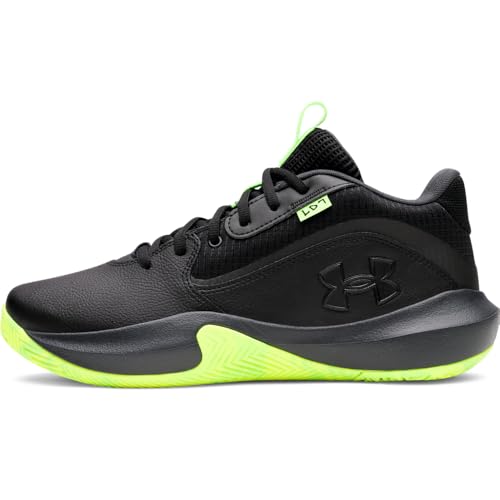
Under Armour Lockdown 7 Basketball Shoe

adidas Pro Bounce 2019 Basketball Shoes

Nike Lebron Witness VIII Basketball Shoes

ANTA Kyrie Irving Kai 1 Speed Basketball Shoes

LI-NING Wade All City Series Basketball Shoes

LI-NING Wade Flash Series Basketball Shoes
PUMA All-Pro Nitro Skybreak Basketball Sneakers
The Picks, Examined More Closely
The LeBron line has long been a reference point for heavier players who pronate, and this entry keeps that tradition intact. A full-length Max Air bag runs the entire foot, spreading landing forces over a wide platform instead of letting them concentrate under the arch. For someone whose knees ache after pickup games, that broad cushioning bed matters more than any fancy upper material.
Containment cables wrap the midfoot through the laces, locking the heel against inward roll. Lightweight mesh keeps the shoe from feeling like a cinder block during fastbreaks. Versus the Anthony Edwards 1 reviewed below, the LeBron trades some court feel for a more planted, protective ride.
Everyday Wins
- Max Air cushioning extends toe to heel for broad impact absorption
- Midfoot cables pull the foot into the footbed during lateral cuts
- Lightweight mesh upper reduces fatigue on back-to-back runs
- Reinforced sidewalls resist inward collapse on hard landings
Things To Consider
- Stiffer ride can feel clunky for shifty, low-to-the-ground guards
- Outsole durability depends heavily on playing surface
Key Specs
Who It Suits Best
Players weighing 180+ pounds who need a planted feel and broad impact absorption during indoor games.
Where Another Pick Suits Better
Lightweight guards looking for a snappier ride should consider the adidas Anthony Edwards 1 reviewed next.
The Anthony Edwards 1 takes a different approach to pronation than the LeBron above. A dual-foam midsole pairs Boost with Lightstrike, giving both energy return and a stable base under the arch. For overpronators who want spring without losing control, that combo hits a useful middle ground.
The rubber outsole wraps slightly up the lateral wall, helping the foot resist inward tilt when pushing off the big toe. Compared with the bulkier LeBron, this shoe feels lower to the ground and faster in transition. The trade-off is less plush cushioning under the heel for bigger players logging heavy minutes.
The Value In It
- Boost and Lightstrike stack cushioning with responsive pop
- Lateral outsole wrap resists inward tilt on hard crossovers
- Lower profile keeps quick guards connected to the court
- Wider forefoot gives natural toe spread on landings
Worth Noting
- Firmer feel under heavier players over long sessions
- Limited colorways can be tricky to track down in some sizes
Made For
Explosive guards and wings who want responsive cushioning plus enough lateral structure to fight inward roll.
Consider Something Else When
Players seeking maximum impact absorption may prefer the Nike LeBron reviewed above.
PEAK has carved out a real space in the value tier, and the Lou Williams Streetball Master leans into that reputation. The high-top collar extends well above the ankle bone, which overpronators will appreciate on hard lateral stops. Compared with the adidas Pro Bounce reviewed later, this PEAK trades refined cushioning for raw ankle coverage.
Breathable mesh keeps feet from cooking during outdoor runs in summer heat. The midfoot strapping system tightens the wrap around the arch, helping guide the foot back toward neutral. For someone starting out and unsure whether pronation-specific shoes will matter, this is a sensible first pair to test.
The Helpful Details
- High-top collar provides lateral ankle stability
- Midfoot strap pulls the arch into a more neutral position
- Breathable mesh handles outdoor summer sessions
- Accessible price point for first-time overpronators
Trade Offs
- Cushioning is basic compared with premium trainers
- Heavier build can slow down transition players
Right Fit For
Recreational outdoor players who want strong ankle support without paying flagship prices.
Not Your Match When
Competitive indoor players wanting premium cushioning should look at the adidas Anthony Edwards 1 instead.
The Lockdown 7 is a no-fuss workhorse that delivers more support than its price suggests. A breathable mesh upper carries leather and film overlays in key stress zones, which is exactly where overpronators need reinforcement. The result is a shoe that holds its shape through a long rec league season.
An EVA midsole keeps the ride lightweight underfoot, and the herringbone outsole grips both clean gym floors and dusty outdoor courts. For someone training daily without breaking the bank, this is a sensible middle option between the PEAK budget pick above and the Nike flagships further down.
Bright Spots
- Mesh with leather and film overlays supports the midfoot
- EVA midsole stays light during extended wear
- Herringbone traction handles indoor and outdoor surfaces
Honest Caveats
- Less plush cushioning than Boost or Max Air options
- Standard lace closure offers fewer lockdown tricks than strap systems
Best Suited To
Daily trainers and rec league players who need dependable grip and supportive overlays without premium pricing.
Look Elsewhere When
Players wanting more responsive foam should consider the LI-NING Wade Flash Series reviewed later.
The Pro Bounce 2019 earns its reputation for one specific reason: cushioned pods inside the collar wrap the ankle in soft foam. For overpronators whose ankles ache after long sessions, that detail alone is worth considering. Versus the Under Armour Lockdown 7 above, this adidas feels more padded around the joint.
Flexible cushioning in the midsole absorbs landings without bottoming out. Flex grooves on the outsole let the forefoot bend naturally during push-off, which keeps the foot from fighting the shoe on quick first steps. The honest read is that the 2019 release is aging into a value option rather than a flagship.
Positive Points
- Collar cushion pods cradle the ankle bone
- Flexible midsole adapts to natural foot bend
- Outsole flex grooves support quick directional shifts
- Step-in comfort straight out of the box
Softer Spots
- Older release means fewer color and size options
- Less structural lockdown than flagship adidas lines
Who Should Grab It
Players wanting plush collar comfort and a flexible ride at a mid-tier price point.
A Better Fit Elsewhere
Players needing stronger midfoot containment should consider the PEAK Lou Williams Streetball Master.
The Witness line is the lighter, more accessible sibling of the flagship LeBron reviewed first. It still carries the LeBron DNA in terms of supportive geometry, but the upper and cushioning trim down to keep weight manageable. For a player who wants the brand feel without the bulk, this strikes a sensible balance.
A midfoot saddle wraps the arch to resist inward roll on hard lateral push-offs. The cushion stack remains generous enough for heavier players, just not as thick as the top-tier Nike. Pair this with a quality insole if your pronation runs moderate rather than mild.
What Makes Sense
- Midfoot saddle supports the arch during cuts
- Lighter build than flagship LeBron silhouettes
- Cushion stack absorbs landings for heavier players
Points To Note
- Less premium materials than higher-tier Nike offerings
- Outsole grip is court-dependent
Who Will Love This
Rec players wanting LeBron-style support at a more accessible tier for frequent practice use.
Swap It Out When
Players wanting maximum Air cushioning should look at the original LeBron model reviewed above.
ANTA’s collaboration with Kyrie Irving centers on speed and tight court feel. The Kai 1 Speed takes a low-cut approach that prioritizes ankle mobility over coverage, so overpronators should pair it with a structured insole. The fit is narrow through the forefoot, which keeps the foot from sliding during crossovers.
The shoe lives in a different lane than the bulkier Nike and adidas options earlier in this list. Compared with the Anthony Edwards 1, this ANTA feels sleeker and more geared toward shifty guards than aggressive wings. Cushioning is present but not the headline feature.
A Strong Showing
- Low-cut silhouette maximizes ankle mobility
- Narrow forefoot locks the foot during sharp crossovers
- Lightweight construction suits fast guards
Less Ideal Details
- Low collar offers less protection than high-top builds
- Requires a supportive insole for pronounced pronation
- Narrow fit may not suit wide-footed players
Perfect Match For
Quick, shifty guards with mild to moderate pronation who prefer a low and fast silhouette.
Reach For A Different Pick When
Players needing more ankle coverage should consider the PEAK High Top Lou Williams instead.
The Wade All City line borrows from Dwyane Wade’s preference for shoes that transition between gym floors and city courts without skipping a beat. The outsole uses a rubber compound chosen for both indoor traction and outdoor durability, which is exactly what overpronators need when their gait puts extra wear on the medial edge.
Cushioning sits in a moderate range, neither the plush Max Air of the LeBron nor the firm responsiveness of the ANTA Kai. Compared with the Under Armour Lockdown 7, this LI-NING feels slightly more premium underfoot while remaining versatile across surfaces.
Why It Works Well
- All-court rubber outsole handles gym and street play
- Cushioning balances impact absorption and court feel
- Wider base gives overpronators a stable platform
Practical Considerations
- Sizing can run narrow for some foot shapes
- Less cushion depth than flagship Nike offerings
Built With In Mind
Players who split time between indoor leagues and outdoor pickup sessions and need a shoe that handles both.
Another Choice May Suit
Runners wanting maximum cushioning for indoor-only play should consider the Nike LeBron reviewed first.
The Wade Flash targets players who want a more responsive ride than the All City above. Cushioning lands firmer under the heel, which helps overpronators feel the court during quick changes of direction. That tradeoff shows up when heavier players want extra plushness, but for guards it keeps footwork crisp.
The upper wraps the midfoot with layered overlays that resist the inward pull of pronation. Compared with the ANTA Kai, this LI-NING offers a bit more structure through the arch. It’s a sensible pick for someone whose pronation is mild and whose game prioritizes speed.
The Good Stuff
- Firmer cushioning gives quick court feedback
- Layered overlays support the midfoot under load
- Responsive ride suits guard play
Possible Compromises
- Less impact absorption than plush Max Air options
- Stiffer ride takes a few sessions to break in
The Right Fit
Guards with mild pronation who want a responsive on-court feel for training and competitive play.
Where A Sibling Pick Shines
Heavier players needing more plush cushioning should look at the LI-NING Wade All City reviewed just above.
PUMA closes out the list with the All-Pro Nitro Skybreak, a shoe that wraps a responsive foam setup in a breathable engineered mesh. The extra NITRO foam heel piece adds bounce on takeoff while the compression-molded EVA in the midsole keeps landings stable. For overpronators, that heel piece helps absorb impact at the moment the foot typically collapses inward.
The engineered mesh upper breathes well during summer outdoor runs and resists stretching out over time. Compared with the bulkier LeBron at the top of this list, the Skybreak feels nimbler and more training-oriented. The trade-off is a narrower platform that some wide-footed overpronators may find unforgiving.
Useful Strengths
- NITRO foam heel piece adds takeoff pop
- Compression-molded EVA keeps landings controlled
- Engineered mesh upper breathes through long sessions
Details To Watch
- Narrower platform may challenge wide feet
- Less lateral containment than strap-equipped models
Whose Shelf It Belongs On
Versatile players who split time between cardio training and court sessions and want a breathable, responsive shoe.
Skip It When
Players needing maximum lateral containment for pronounced pronation should consider the PEAK High Top Lou Williams.
What To Look For In Basketball Shoes For Pronation
Support and structure matter more than flashy cushioning for inward foot collapse. A firm heel counter keeps the rearfoot from rolling inward, while a wide base gives the foot a stable platform to push off from. Flexible midsoles feel great in running shoes but tend to bend where overpronators need rigidity.
Cushioning still plays a role, but the goal is impact absorption rather than plush softness. Max Air, Boost, or responsive EVA setups all work as long as the midsole resists twisting under load. Wider outsoles help distribute force across a larger surface, reducing the inward pressure that aggravates pronation.
Fit matters as much as materials. A roomy toe box lets the foot spread naturally during landings, while a snug midfoot keeps the arch from sliding toward the medial edge. Lockdown through the laces or straps prevents the foot from shifting inside the shoe during hard cuts.
Real-world use matters too. Indoor hardwood demands grippy rubber outsoles with herringbone patterns, while outdoor concrete calls for harder compounds that resist wear. Players logging heavy minutes need breathable uppers that manage sweat across long sessions.
Key Considerations Across These Picks
Pitfalls Shoppers Hit
A common mistake is buying for cushion alone and ignoring structural support. Soft, plush shoes feel amazing in the store but let the foot roll inward under load. Another trap is choosing a low-cut silhouette for ankle mobility without realizing that overpronators often need mid or high collars for joint protection.
Where The Extra Money Goes
Higher-tier models add engineered midsoles that resist compression over time, premium heel counters that hold shape across seasons, and rubber compounds that grip without wearing thin after a few months. For players logging multiple sessions weekly, that durability pays off quickly. Casual players can comfortably stay in the mid-tier without losing meaningful performance.
Frequently Asked Questions
What Exactly Is Pronation In Basketball?
Pronation is the natural inward roll of the foot during landing and push-off, and mild pronation is normal. Overpronation happens when the foot rolls too far inward, which can stress the knees and ankles over a long game.
Do I Need High Tops If I Overpronate?
High tops help by limiting extreme ankle roll, but they are not strictly required. Many overpronators do well in mid or low-tops as long as the midfoot lockdown and heel counter are structured enough.
How Often Should I Replace Pronation Basketball Shoes?
Most players rotate in a fresh pair every one to two seasons depending on playing surface and frequency. Worn-out cushioning loses its ability to absorb landings, which matters more for overpronators than for neutral feet.
Are Insoles Worth Adding To These Shoes?
Yes, structured insoles can turn a good shoe into a great one for overpronators. Look for insoles with medial arch support and a firm heel cup to reinforce what the shoe already provides.
Can I Use These Shoes For Outdoor Courts?
Several models on this list, including the LI-NING Wade All City and Under Armour Lockdown 7, transition well between indoor and outdoor play. Premium indoor-only shoes tend to wear out fast on abrasive concrete.
Closing Remarks
The right basketball shoes for pronation come down to structure, fit, and where you actually play. Heavier indoor players will feel most supported in the Nike LeBron, while shifty guards get quicker responses from the adidas Anthony Edwards 1. Trust your foot shape, your playing surface, and the level of support your knees actually need, and the rest falls into place.