Finding the right pair for the court used to mean a single trip to a local sporting goods shop. Today, parents and young players sort through a maze of brands, age ranges, and purpose-built silhouettes. I pulled together eight picks that cover what most families actually need: hoops-ready sneakers, court-friendly trainers from adjacent sports, and one bag to haul everything to the gym.
The Picks In Brief

PUMA Ultra Play Turf Soccer Cleats

Converse Chuck Taylor High Top

PUMA Future 9 Match Cleats

Under Armour Lockdown 7
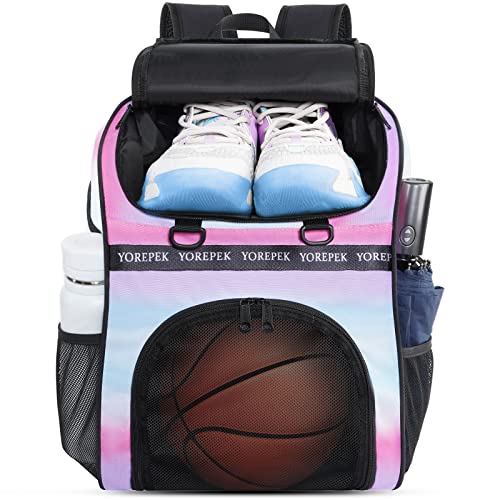
YOREPEK Basketball Backpack

adidas Kids Dame X Sneakers
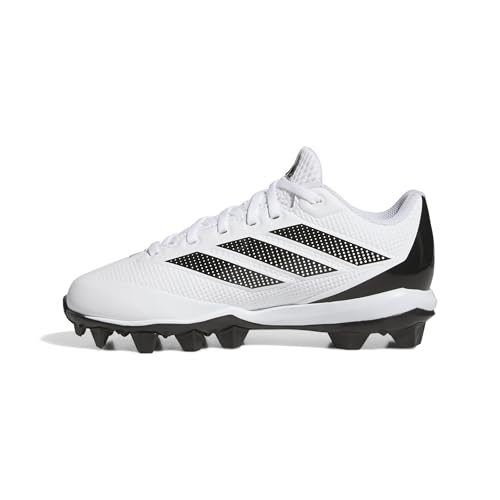
adidas adiZero Impact 2.0

New Balance Rave Run V2 Bungee
More Details On Our Top Picks
Most basketball shoes assume polished hardwood, but the PUMA Ultra Play Turf Training Cleats were engineered with a different surface in mind. The multi-studded rubber outsole grips artificial turf and outdoor courts where dust, sand, or concrete would normally send a sneaker sliding. I think this is the kind of pair that earns its place when practice happens at a community park instead of a proper gym.
The engineered mesh upper keeps the silhouette light enough for fast directional changes, while a debossed support frame adds midfoot stability during cuts. Lace closure with a regular tongue creates that a snug wrap, and the regular-to-narrow fit tends to suit slim-footed kids better than wide-footed ones. For families splitting gym time between indoor gyms and outdoor courts, this pick covers both in one shoe.
Real Benefits
- Multi-studded rubber outsole grips turf, concrete, and outdoor courts reliably.
- Engineered mesh upper keeps the shoe light during long practice sessions.
- Debossed support frame stabilizes the midfoot during quick cuts.
- Lace closure with regular tongue gives a familiar, secure fit.
Trade Offs
- Regular-to-narrow fit may squeeze kids with wider feet.
- Studded sole feels odd on clean indoor hardwood and can scuff gym floors.
- Mesh upper needs wiping down after dusty outdoor sessions to stay fresh.
Feature Card
Right Fit For
Kids who split practice time between outdoor courts and turf fields and need one shoe that handles both.
Skip It When
Players whose main court is a clean indoor gym should look at the adidas Kids Dame X Sneakers instead, since the cleated outsole is overkill there.
The Converse Chuck Taylor All Star High Top has been a wardrobe staple since 1917, and that staying power says something about how well it bridges sneaker culture and casual athletic wear. I keep coming back to this pick for families who want a shoe a kid can wear to school, the skate park, and a backyard hoop session. It covers the basics without overpromising.
The high-top canvas upper wraps the ankle in a familiar silhouette that has barely changed in a century. Compared to the PUMA Ultra Play Turf Cleats ahead of it, this is a much simpler shoe: no engineered mesh, no debossed support frame, just a canvas body with a vulcanized rubber sole. That simplicity is the point. Kids who treat shoes like consumables and grow out of them every few months often get more value from a basic, replaceable design than from a premium performance build.
Everyday Perks
- Classic high-top silhouette doubles as everyday casual wear.
- Canvas upper is breathable enough for warm-weather recess.
- Simple construction means easy cleaning with a damp cloth.
- Iconic design appeals to kids who care about style as much as sport.
Honest Caveats
- Minimal cushioning wears thin during serious basketball drills.
- Flat sole offers little lateral support for quick pivots.
- Canvas can soak through on wet outdoor courts.
Made For
Kids who want a versatile sneaker for casual wear and light court play rather than competitive basketball training.
Look Elsewhere When
Serious young hoopers who need real impact cushioning should consider the adidas Kids Dame X Sneakers instead, which is purpose-built for the court.
Where the PUMA Ultra Play Turf above leans into steady grip, the Future 9 Match aims for quick feet. The mid-cut construction wraps the ankle with a stretchy knitted collar, and the soft, lightweight base material feels closer to a sock than a structured boot. Targeted embossed zones on the upper add grip on the ball, which matters when a kid is working on dribbling drills.
The stud shape and placement around the pivot point supports 360-degree agility, meaning sharp cuts in any direction without the shoe grabbing awkwardly. I think this is a strong option for serious young players who train multiple times a week and want a shoe that rewards movement. The trade-off is that the knit upper, while comfortable, sacrifices some of the rugged durability that the Ultra Play offers.
What Stands Out
- Mid-cut knitted collar wraps the ankle with a sock-like fit.
- Embossed zones on the upper add ball grip during dribbling work.
- Lightweight base material reduces fatigue over long sessions.
- Pivot-point stud placement enables sharp multi-directional cuts.
Points To Note
- Knit upper scuffs more easily than mesh or synthetic builds.
- Studded outsole is wrong for indoor hardwood courts.
- Mid-cut collar takes a few sessions to break in.
Quick Facts
Best Suited To
Fast, skilled players who train on firm ground or artificial turf and want a shoe that rewards agility work.
Another Choice May Suit
Kids who mostly play on outdoor blacktop should look at the Under Armour Lockdown 7, which handles rougher surfaces with a tougher build.
For pre-school-aged kids just learning to dribble, the Lockdown 7 from Under Armour is a sensible starting point. It skips the flashy cushioning of higher-tier performance shoes and focuses on a tough, supportive build that can take a beating from playground use. I think this is a smart pick for parents who want something durable without overspending on a shoe their kid will outgrow in six months.
The shoe sits in a different category than the PUMA Future 9 Match ahead of it. Where that cleat rewards precision skill work, the Lockdown 7 prioritizes everyday wear-and-tear resistance. Parents buying for younger children often find that a sturdy, well-cushioned sneaker with a reliable outsole covers more ground than a specialized performance model. The honest read is that this shoe is built to last through a season of recess hoops, driveway practice, and whatever else a pre-schooler throws at it.
Useful Strengths
- Tough build designed for active pre-schoolers.
- Supportive midfoot wrap helps young ankles during uneven landings.
- Durable outsole handles playground surfaces well.
- Entry-level construction keeps cost reasonable for fast-growing kids.
Things To Consider
- Limited cushioning compared to adult-sized performance shoes.
- Color and design options tend toward basic styling.
- Best for casual play, not competitive tournament use.
Who Should Grab It
Parents shopping for a durable, affordable first basketball shoe for a pre-school-aged child who is still learning the basics.
Consider Something Else When
Older kids ready for competitive play should consider the adidas Kids Dame X Sneakers, which delivers more responsive cushioning.
Switching gears from shoes, the YOREPEK Large Basketball Backpack handles the gear side of the equation. The 40-liter capacity swallows practice clothes, water bottles, a full-size soccer ball, volleyball, or football, plus a size 7 basketball in the dedicated ball compartment. A separate top compartment fits shoes up to size 10. For families hauling gear to practices and games across town, that layout keeps dirty soles away from clean jerseys.
The water-resistant material fends off light rain, which matters when a kid walks to the gym during an unexpected drizzle. The trade-off shows up in weight: at 40 liters, this is a sizeable bag, and smaller players may find it bulky when fully loaded. I think this is the right pick for families with multiple sport commitments, since the bag handles basketball, soccer, and football without needing a separate option for each.
Useful Touches
- 40-liter capacity fits full practice and game setups.
- Dedicated ball compartment holds a size 7 basketball separately.
- Separate shoe compartment accommodates up to size 10.
- Water-resistant material protects gear in light rain.
Practical Considerations
- 40-liter size can feel bulky for smaller players.
- Water-resistant coating wears over time with heavy use.
- Best for organized packers rather than those who toss gear in loosely.
Whose Shelf It Belongs On
Families juggling basketball practice plus another sport, where one bag needs to cover all the gear.
Where A Sibling Pick Shines
Players who just need a small daypack for shoes and a water bottle should skip this and just carry their New Balance Rave Run V2 Bungee shoes by hand for short trips.
The adidas Kids Dame X is the only shoe on this list built specifically for basketball, and that focus shows up in the details. Damian Lillard’s signature style translates to a juniors’ version with a lightweight synthetic upper and Lightstrike cushioning that absorbs impact during quick cuts and explosive drives. The rubber outsole combines multi-directional traction that grips clean indoor courts, which is where this shoe belongs.
Adjustable laces create a snug fit for secure support, and the synthetic upper is more durable than the knit construction of the PUMA Future 9 Match. The honest read is that this is a serious performance shoe for serious young players. Parents buying for casual wear may find it overbuilt for the job, but for a kid running drills and playing in real games, the Lightstrike cushioning earns its place.
What Helps Most
- Lightstrike cushioning absorbs impact during drives and jumps.
- Multi-directional rubber outsole grips clean hardwood courts.
- Lightweight synthetic upper balances durability with breathability.
- Adjustable laces provide a snug, secure wrap.
Worth Noting
- Premium construction may be overbuilt for casual playground play.
- Outsole designed for hardwood, not ideal for dusty outdoor courts.
- Lightweight build trades some ruggedness for speed.
Key Product Details
Built With In Mind
Young guards and wings who play competitive basketball on indoor courts and want responsive cushioning for quick cuts.
Reach For A Different Pick When
Players who split time across outdoor courts should consider the PUMA Ultra Play Turf Cleats for better all-surface traction.
The adidas adiZero Impact 2.0 comes from baseball rather than basketball, but the molded rubber construction translates well to multi-sport use. Molded cleats, in this case, means rubber nubs fixed to the sole for traction on dirt and grass, which is different from the metal spikes used at higher competitive levels. For young athletes playing baseball, softball, and pickup basketball in the same week, the rugged build handles multiple surfaces.
I think this is a niche pick that suits multi-sport kids more than dedicated basketball players. The molded rubber outsole grips dirt infields and grass outfields reliably, but on a polished indoor basketball court it can feel sticky and awkward. Compared to the adidas Kids Dame X ahead of it, this shoe trades court-specific performance for cross-sport durability, which is the right call for some families.
What It Does Well
- Molded rubber outsole grips dirt and grass fields reliably.
- Rugged build handles the wear of multiple sports per week.
- adidas construction offers consistent sizing for repeat orders.
Trade Offs To Consider
- Molded rubber feels awkward on polished indoor basketball courts.
- Not optimized for basketball-specific cuts or cushioning.
- Better suited to multi-sport athletes than dedicated hoopers.
Who Will Love This
Multi-sport kids who play baseball, softball, and pickup basketball and need one shoe that handles dirt and grass reliably.
Not Your Match When
Dedicated basketball players should reach for the adidas Kids Dame X Sneakers, which is purpose-built for hardwood performance.
Closing out the list, the New Balance Kids Rave Run V2 Bungee is the everyday play shoe that handles recess, gym class, and casual basketball sessions with ease. The lightweight IMEVA midsole at just 83 grams provides ultra-cushioned comfort without the bulk of performance running shoes. I keep this in mind as the most practical pick for kids who need one shoe to do a bit of everything.
The breathable mesh upper keeps feet cool during active play, and no-sew overlays give secure midfoot support without adding weight. A durable rubber outsole stands up to all-day wear, and the easy bungee closure lets kids slip the shoe on without fussing with laces. Compared to the more specialized adidas Dame X earlier, this shoe is less performance-driven but more versatile for daily use.
Well-Handled Touches
- 83-gram IMEVA midsole provides cushioned comfort without bulk.
- Breathable mesh upper keeps feet cool during active play.
- Bungee closure lets kids put shoes on independently.
- Durable rubber outsole handles all-day wear.
Less Ideal Details
- Bungee closure does not customize fit as precisely as laces.
- Lightweight build trades ruggedness for daily comfort.
- Better for casual play than competitive basketball training.
Specs At A Glance
Perfect Match For
Active kids who want a comfortable, easy-on shoe for recess, gym class, and casual hoop sessions throughout the week.
Swap It Out When
Players serious about competitive basketball should look at the adidas Kids Dame X Sneakers for court-specific cushioning and traction.
What Matters When Picking Shoes for the Court
Match the Shoe to the Playing Surface
The biggest decision happens before brand or color: where will the shoe actually be worn? Indoor hardwood courts reward lightweight builds with rubber outsoles, like the adidas Kids Dame X. Outdoor courts and turf fields need more aggressive traction, which is where studded or molded options shine. Multi-surface families may end up with two pairs rather than one, since a single shoe rarely handles both environments well.
Cushioning and Support by Age
Younger kids weighing under 70 pounds rarely need aggressive impact cushioning, since their joints absorb landings more easily. Older kids approaching middle school benefit from responsive foam that protects knees during repeated jumping. Ankle support matters too: low-tops allow freedom for guards, while mid-tops and high-tops give extra stability for younger players still developing balance. The right level depends on the player’s age, weight, and position rather than a one-size-fits-all rule.
Sizing and Growth Room
Kids’ feet grow fast, and ordering a full size up for “growing room” usually backfires, since oversized shoes cause blisters and poor traction. Most performance sneakers fit best with about a thumb’s width of space at the toe. Bungee and lace closures both adjust for some variation, but starting close to true size and replacing the shoe every six to nine months tends to work better than buying large and hoping.
Durability vs. Specialization
Multi-sport kids benefit from rugged all-around sneakers that handle baseball fields and basketball courts alike. Dedicated basketball players get more from court-specific builds with responsive cushioning and traction patterns designed for hardwood cuts. The right balance depends on how often the shoe sees competitive basketball versus casual play.
Key Considerations Across These Picks
Pitfalls Shoppers Hit
Buying too big is the most common mistake, since oversized shoes slip during cuts and cause blisters. Assuming all athletic sneakers work for basketball is another trap, since soccer cleats and baseball molded shoes handle different surfaces and lack basketball-specific cushioning. Chasing signature models without checking fit also leads to disappointment, since celebrity-endorsed designs run narrow or sit higher in price than comparable options.
Why Top Tier Costs More
Premium basketball shoes use lighter foams, more breathable uppers, and traction patterns tested for hardwood grip. The added cost buys responsive cushioning that protects knees during repeated jumps, and durable construction that outlasts entry-level builds by a season or more. For casual play, the upgrade rarely matters, but for kids playing two or three times a week, the extra cost usually pays off in comfort and longevity.
Frequently Asked Questions
What size should I buy for a growing kid?
Order true to size with about a thumb’s width of toe room. Going much larger causes slipping and blisters during quick cuts.
Are soccer cleats okay for basketball?
Soccer cleats work on turf and outdoor courts but feel awkward and can scuff indoor hardwood. A dedicated basketball shoe fits clean courts better.
How long do kids’ basketball shoes usually last?
For casual play, most pairs last six to nine months. Competitive players wearing shoes several times a week often replace them every three to four months.
Do expensive basketball shoes really perform better?
Higher-priced models use lighter cushioning and better traction patterns, which matter for competitive play. For casual gym sessions, mid-tier options perform nearly as well.
Can one shoe handle multiple sports?
Multi-sport kids do better with rugged all-purpose sneakers, while dedicated basketball players benefit from court-specific builds. Matching the shoe to the most-played sport usually works best.
Closing Remarks
Eight picks cover most of what families actually need when shopping for court-ready footwear, from serious basketball builds to everyday sneakers and a hauler for all the gear. The right match depends on where the shoe gets worn and how often the player hits the court. Start with the surface, then think about age, fit, and how much cushioning the player actually needs.