Shopping for big girls’ shoes means balancing a few things at once: school days, weekend park time, dress-up moments, and the occasional athletic burst. I pulled together five pairs that cover those different lanes, from cushioned runners to easy slip-ons and minimalist flats. Each one solves a slightly different problem, so the shortlist leans on real-world use cases rather than a single winner-take-all framing.
A Quick View Of The Lineup
Native Shoes Unisex-Kids Jefferson Bling Sneakers

Reebok Kids’ Classic Leather Sneakers
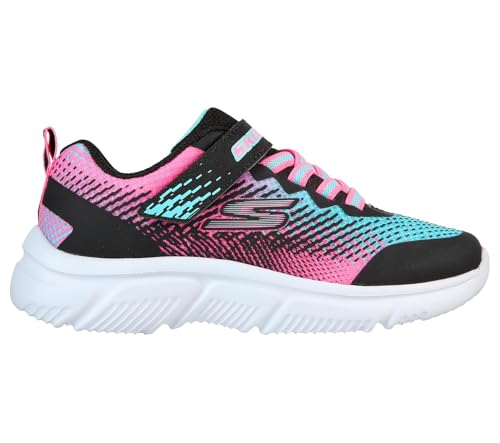
Skechers Boys Go Run 650 – Tigrux Sneaker
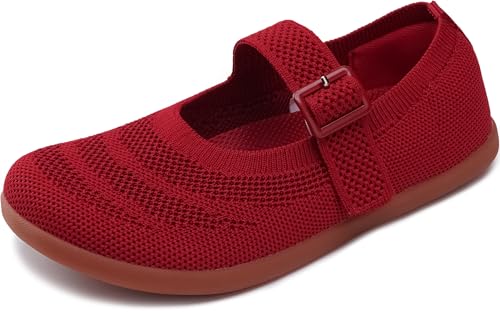
WHITIN Girls Wide Toe Box Barefoot Mary Jane Flats W9K01

WHITIN Toddler/Little Kids Wide Toe Box Barefoot Shoes W8K9
Meet The Standout Selections
The Jefferson silhouette has been a parent favorite for years, and the Bling version leans into that easy slip-on shape with a bit of shimmer to keep kids interested. The shoe is famously lightweight, which matters when a child is running between classes, kicking a ball at recess, or just not wanting to feel weighed down.
For most families, this is the pair that quietly replaces last year’s sneakers. It handles cafeteria spills without drama and slips on without a fight in the morning rush. If your child tends to outgrow shoes before wearing them out, the casual styling here also works with jeans, leggings, and shorts equally well.
Practical Advantages
- Slip-on construction speeds up busy mornings and tired afternoons
- Lightweight build reduces foot fatigue during long school days
- Casual styling pairs with most outfits in a kid’s closet
- Subtle shimmer adds personality without being too flashy
Trade Offs
- Less structured support than a true athletic sneaker for serious sport
- Wide feet may find the fit roomier than expected in some sizes
Quick Facts
Best Suited To
Parents who want one versatile sneaker for school, weekends, and light play without juggling multiple pairs.
A Better Fit Elsewhere
Active kids logging heavy athletic time should look at the Skechers Go Run 650 instead for more structured support.
The Classic Leather has barely changed in decades, and that consistency is exactly the point. Smooth leather uppers give it a slightly dressier edge than the Native Jefferson, which makes it a strong pick for school uniforms, family dinners, or any outfit that needs to look pulled together.
Bungee laces (stretchy cords with a toggle) on the toddler version mean younger kids can slide these on without help, while the bigger-kid version offers the familiar lace-up feel for those ready to tie. For most families, the shoe acts as a bridge between playground and picture day.
Real Benefits
- Smooth leather upper wipes clean after playground scuffs
- Heritage silhouette works for both dressy and casual outfits
- Bungee lace option on smaller sizes simplifies entry for toddlers
- Neutral colorways match a wide range of school wardrobe rules
Points To Keep In Mind
- Leather breathes less than mesh, so hot feet are possible on summer days
- Less cushioning than dedicated running shoes for high-impact play
Right Fit For
Families navigating dress codes or wanting one pair that handles both school and weekend outings without looking too sporty.
Look Elsewhere When
Children who run hard at recess or participate in organized sports will get more from the Skechers Go Run 650’s cushioned, athletic build.
The Go Run 650 is built for movement, and it shows. A mesh upper (woven fabric that allows air to pass through) keeps feet cooler during PE class, soccer practice, or long afternoons chasing friends outside, while synthetic overlays (stitched reinforcements) add structure where a kid is most likely to wear through first.
Compared to the Native Jefferson’s slip-on ease, this one leans into athletic intent with a gore and strap closure (an elastic panel plus hook-and-loop strap) that pulls on quickly but still feels locked in. For most active kids, that balance matters more than a heritage look.
Noteworthy Benefits
- Breathable mesh upper helps manage heat during long activity
- Cushioned insole softens impact on hard playground surfaces
- Flexible traction outsole grips well on varied terrain
- Quick-entry strap system speeds up transitions between activities
Honest Caveats
- Athletic styling is less versatile for dressy occasions
- Mesh upper can show wear faster than leather in scuff-heavy play
Feature Snapshot
Who It Suits Best
Active kids who run, jump, and play organized sports and need a sneaker that prioritizes athletic support over pure style.
Skip It When
Families wanting a single shoe for both PE class and dress-up days should consider the Reebok Classic Leather for more wardrobe flexibility.
Mary Janes usually mean pinched toes and stiff soles, but the WHITIN W9K01 flips that script. A wide toe box (the front section of the shoe is extra roomy) lets toes splay naturally, and the barefoot-inspired sole keeps the foot closer to the ground for better balance.
For most parents who have watched their child complain about narrow flats, this design feels like a small relief. It still looks like a classic Mary Jane for school or family photos, but the fit underneath is genuinely different from the dressy shoes many of us grew up with.
Reasons It Performs
- Wide toe box accommodates natural foot shape and growth
- Minimalist sole encourages proper balance and posture
- Mary Jane styling works for school, church, or dressier events
- Flexible construction moves with the foot instead of against it
Some Limits To Know
- Minimal cushioning is less forgiving on concrete-heavy days
- Strap fit varies by foot width, so sizing up may help narrow feet
Perfect Match For
Parents seeking a roomier, foot-health-friendly flat for school days, family events, or kids with wider feet who struggle in standard Mary Janes.
Consider Something Else When
Children who need more all-day cushioning for playground running will find the Skechers Go Run 650 a more forgiving athletic option.
The W8K9 takes the barefoot idea and applies it to younger, still-developing feet. A thin, flexible sole lets toddlers feel the ground beneath them, which helps with balance and early walking confidence. It also has that same roomy toe box the brand is known for.
Compared to the Native Jefferson, which feels more like a grown-up sneaker shrunk down, this one stays closer to a true first-shoe experience. For most families introducing real shoes to a toddler, that distinction matters.
Where It Excels
- Wide toe box supports natural foot development in toddlers
- Thin flexible sole aids balance and proprioception (awareness of foot position)
- Lightweight build prevents tripping during early walking stages
- Simple design slips on and off easily for parents in a hurry
Practical Considerations
- Limited weather protection compared to closed athletic sneakers
- Thin soles wear faster on rough outdoor surfaces
Who Should Grab It
Parents of toddlers or little kids prioritizing foot development and natural movement over heavy cushioning or structured support.
Reach For A Different Pick When
Older kids needing all-day school support will find the Reebok Classic Leather or Skechers Go Run 650 better suited to longer wear sessions.
What To Weigh Before Choosing Big Girls’ Shoes
Fit comes first, and that means more than just length. A shoe that’s the right size but too narrow will cause real discomfort by afternoon, so checking the toe box width matters just as much as the number on the box.
Activity level shapes the next decision. Athletic kids need cushioned soles and breathable uppers, while primarily school-based kids can prioritize easy entry and versatile styling.
Materials affect both comfort and upkeep. Leather wipes clean and looks polished but breathes less, while mesh stays cooler and lighter but shows scuffs faster.
Finally, growth rate matters. Kids who shoot up between sizes often do better with shoes that allow a little extra room, while slow growers can wear more fitted styles without discomfort.
Key Considerations Across These Picks
Pitfalls Shoppers Hit
The most common slip is sizing up too aggressively. Extra room at the toe feels like future-proofing, but it usually causes slipping, blisters, and awkward gait before the child grows into the shoe.
Another trap is assuming one pair covers every situation. A school-appropriate Mary Jane and a playground-friendly sneaker serve different purposes, and trying to force one into both roles usually ends in sore feet.
When Paying More Pays Off
Higher-tier models in this category often bring better footbed construction, more durable outsole materials, and stronger stitching at stress points. For kids who wear the same shoes daily, those upgrades show up as months of extra wear rather than a softer feel on day one.
Frequently Asked Questions
How do I know when big girls’ shoes actually fit?
Watch for about a thumb’s width of space at the toe and no pinching at the widest part of the foot. Socks add bulk, so fit checks should happen with the socks a child will actually wear.
Are barefoot-style shoes safe for school?
Yes, but expect a transition period if a child is used to cushioned sneakers. Start with shorter wear days before relying on them for full school weeks.
How long should kids’ shoes typically last?
Six months is a common window for daily wearers, though active kids may outgrow pairs faster than they wear them out. Rotating between two pairs can extend overall shoe life.
Can leather sneakers handle wet weather?
Light rain is usually fine, but leather dries slowly and can stain. A quick wipe and air-dry routine helps prevent long-term damage.
When should athletic shoes be replaced?
Worn treads, creased midsoles, or a foot that leans to one side are signs the support has broken down. Visual wear often shows before a child complains.
Closing Remarks
The right pair of big girls’ shoes depends less on a single best option and more on how a child actually spends their days. School routines, weekend adventures, and dressier moments each pull toward different priorities, and the shortlist above covers those distinct lanes. Match the shoe to the schedule, check the fit carefully, and the rest tends to take care of itself.