I spend a lot of time thinking about what makes a hiking shoe actually work once you’re past the parking lot. Black hiking shoes solve a practical problem most brands ignore: mud, scuffs, and trail dust just blend in. Whether I’m sorting through options for a weekend trip or helping a friend find their first real pair, I focus on fit, grip, and weather protection, then match those against the kind of terrain someone actually walks on.
The Essentials At A Glance

adidas Terrex Trailmaker 2.0 Mid GTX


Merrell Moab 3 Mid Hiking Boot
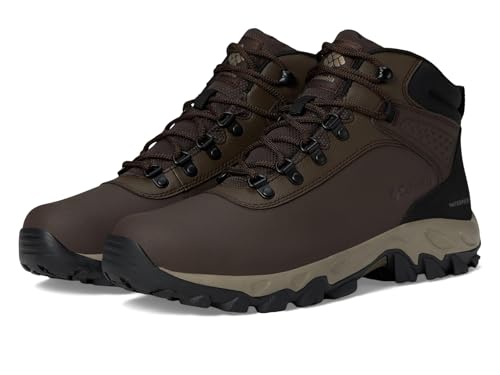

Merrell Moab 3 Mid Waterproof

KEEN Targhee 4 Low Waterproof

KEEN KS86 Retro Sneaker
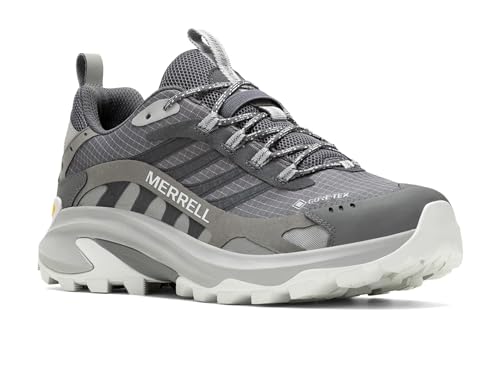
Why These Options Stand Out
The mid-top silhouette here wraps above the ankle, giving hikers who carry daypacks a bit more lateral stability than a low-cut trail runner offers. The BOOST midsole is a foam formulation tuned for energy return, meaning each step compresses and rebounds, which matters when I’m covering ten or twelve miles on rolling terrain. A GORE-TEX membrane sits inside the upper, blocking rain and stream splash while letting heat vapor escape so my feet do not feel like they are slowly steaming.
Where this pick separates from the Merrell Moab 3 reviewed below is in the cushioning philosophy. BOOST feels springier under load, while Moab leans more toward a grounded, stable platform. For hikers who log longer days and want some pop in their stride, that difference matters.
The Value In It
- BOOST midsole delivers noticeable rebound on long climbs, reducing calf fatigue over multi-hour walks.
- GORE-TEX membrane seals out rain, puddles, and snowmelt without making the shoe feel like a sauna in summer.
- Mid-top profile adds ankle stability on uneven ground, useful when carrying a loaded pack.
- Lightweight build keeps leg turnover quick on rolling terrain.
Points To Keep In Mind
- Mid-cut height may feel warm in hot, dry climates where a low-cut breathes better.
- BOOST cushioning is softer than denser midsoles, so pack-haulers over 30 pounds may want a stiffer platform.
Made For
Day hikers and weekend trekkers who want responsive cushioning and reliable wet-weather protection on mixed terrain.
Look Elsewhere When
Shoppers wanting a wider toe box for long-mile comfort should look at the KEEN Targhee 4 Low Waterproof instead.
The Moab line has been a trailhead mainstay for years, and version 3 keeps the easy break-in feel that made earlier models so popular. I find the low-cut profile suits hikers who want a shoe that doubles as a casual everyday option without looking technical. The Vibram outsole grips well on both dry rock and damp roots, and the updated insole gives the arch a touch more support than older versions.
Versus the adidas Terrex reviewed first, the Moab trades energy-return cushioning for a flatter, more grounded feel. That’s a real advantage when I’m scrambling over loose scree and want my foot to stay planted rather than bouncing.
What Helps Most
- Wearable straight from the box, which shortens the adjustment period for first-time hiking shoe owners.
- Vibram outsole grips mixed terrain, from dry sandstone to wet roots.
- Versatile styling transitions from trailhead to grocery run without looking out of place.
Worth Noting
- Low-cut profile offers no ankle support on rocky descents where a mid-top like the Moab 3 Mid Hiking Boot helps more.
- Non-waterproof construction means wet grass and stream crossings will soak through quickly.
Who It Suits Best
Casual hikers tackling well-maintained trails who value comfort over technical features and want one shoe for both trail and town.
Consider Something Else When
Anyone hiking in consistently wet conditions should look at the Merrell Moab 3 Mid Waterproof for a sealed membrane.
The mid-cut version of the Moab adds a padded collar that wraps the ankle, which I find matters most on trails with frequent side-hilling or loose rock where the foot rolls inward. Unlike the low-cut Moab reviewed above, this boot resists lateral fatigue on long descents because the ankle does not have to work as hard to stay centered.
The trade-off shows up in heat. A mid-cut breathes less than a low-cut, so summer hikers in desert climates may find their feet warm. The same Vibram outsole and updated insole from the low-cut carry over, which keeps the grip and arch support consistent across the Moab family.
What Earns Its Place
- Mid-cut collar reduces ankle roll on uneven descents and side-slope traverses.
- Vibram outsole handles loose gravel and slab rock with consistent bite.
- Same forgiving break-in as the low-cut Moab, so no painful first hikes.
Honest Caveats
- Non-waterproof build lets water in during stream crossings.
- Heavier than low-cut options, which adds up on long flat sections.
- Mid-cut can feel warm in hot, dry conditions where ventilation matters most.
Right Fit For
Hikers tackling rocky or root-covered terrain who want ankle support without committing to a full backpacking boot.
Swap It Out When
Hikers prioritizing lightweight speed should consider the Merrell Moab Speed 2 GTX, which trades support for agility.
The Newton Explorer brings a leather upper to the table, which gives it a different feel from the mesh-dominant Moab and Terrex picks above. Leather takes longer to break in but tends to hold up better against brush and rock abrasion on trails where the shoe scrapes against everything. The Omni-Tech membrane blocks water, and the Techlite midsole offers lightweight cushioning that does not feel mushy under load.
Compared to the KEEN Targhee 4 reviewed later, the Newton Explorer uses a more traditional narrow fit. Shoppers with wider feet may find the toe box snug, particularly on downhill sections where toes slide forward.
What Works In Its Favor
- Waterproof leather upper resists abrasion from rocks and brush far better than mesh panels.
- Omni-Tech construction keeps feet dry through wet grass and shallow stream crossings.
- Techlite midsole balances cushioning with low weight for day hikes.
Trade Offs
- Leather requires a longer break-in period and may feel stiff during the first few hikes.
- Narrower fit may pinch wide feet, especially on downhills where toes press forward.
Best Suited To
Hikers in wet climates who want a durable leather shoe and do not mind a slower break-in period.
A Better Fit Elsewhere
Hikers needing extra toe room should look at the KEEN Targhee 4 Low Waterproof for its notably wider forefoot.
This is the fully-sealed version of the mid-cut Moab, combining the ankle support of the Moab 3 Mid with a waterproof membrane that keeps rain and puddle splash out. I think of this as the four-season pick, because the waterproofing plus mid-cut coverage handles spring snowmelt and fall rain without forcing me to switch footwear. The Vibram outsole still anchors the grip, and the cushioned midsole keeps the ride familiar across the Moab family.
The honest read is that waterproof membranes trap heat. In dry summer conditions, the breathability ceiling is lower than the non-waterproof Moab 3 Mid, and my feet warm up faster on long climbs.
What It Does Well
- Waterproof membrane handles wet trails, puddles, and shallow crossings without leaking through.
- Mid-cut ankle support stabilizes feet on rocky terrain and loaded daypacks.
- Vibram outsole grips consistently across mud, rock, and root-covered ground.
Things To Weigh
- Waterproof membrane reduces breathability, which can feel warm on hot summer hikes.
- Slightly heavier than the non-waterproof Moab Mid due to the membrane and seam-sealing.
- Owners commonly note the waterproofing can degrade if mud is left caked on the upper for long periods.
Who Should Grab It
Hikers in wet climates or shoulder seasons who want ankle support and a fully sealed shoe in one package.
Reach For A Different Pick When
Shoppers wanting a lighter waterproof option for fast hiking should consider the Merrell Moab Speed 2 GTX instead.
KEEN built its reputation on a wider, roomier toe box, and the Targhee 4 Low keeps that DNA intact. I recommend this pick to anyone whose feet spread under load or who has bunions, because the forefoot actually has space to splay. The KEEN.DRY waterproof lining handles wet weather, and the direct-attach construction fuses the upper to the sole for long-term durability.
Compared to the narrower Columbia Newton Explorer reviewed above, the Targhee 4 prioritizes comfort over sleek fit. Hikers wanting a closer, more athletic feel may find the wide platform loose on technical footwork.
Why It Works Well
- Wide toe box allows natural foot splay, reducing hot spots on multi-hour hikes.
- KEEN.DRY waterproof lining seals out moisture while still releasing interior heat.
- Direct-attach construction improves longevity by bonding upper to sole without glue-heavy seams.
- Cushioned midsole absorbs impact on hard-packed trails.
Practical Considerations
- Wide platform may feel sloppy on narrow, technical trails requiring precise foot placement.
- Low-cut design offers no ankle support on uneven descents.
Whose Shelf It Belongs On
Hikers with wider feet or anyone who has felt pinched by standard hiking shoe lasts.
Where A Sibling Pick Shines
Hikers wanting ankle coverage with the same wide fit should consider the Merrell Moab 3 Mid Waterproof instead.
The KS86 sits at the intersection of sneaker and hiker. I reach for this when I want something that looks right at a coffee shop but still handles a gravel path or fire road on the way there. The recycled mesh or eco-leather upper keeps weight low, and KEEN’s traditional wider last means the comfort carries over from their hiking line.
The catch is that the aggressive tread is lighter than a true hiking shoe outsole, so I would not push this onto technical singletrack. For pavement-to-path travel days, though, it fills a niche nothing else in this list does.
What Pays Off
- Retro styling works for casual settings without screaming “technical shoe”.
- Lightweight construction keeps feet fresh during all-day wear.
- KEEN’s wider last carries over, giving the comfort the brand is known for.
Less-Strong Areas
- Outsole tread is lighter than a dedicated hiker’s, so wet rock and loose scree are less secure.
- No waterproof membrane, so wet weather soaks through quickly.
Perfect Match For
Travelers and casual walkers who want one shoe for town errands and easy gravel paths.
Skip It When
Hikers planning actual mountain trails should reach for the Merrell Moab 3 Hiking Shoe for real trail capability.
The Moab Speed 2 pulls Moab heritage into a lighter, faster package. The Vibram TC5+ rubber outsole uses traction lugs shaped for grip during quick direction changes, and the GORE-TEX membrane keeps rain and stream splash out without much weight penalty. I think of this as the thru-hiker’s pick, because every ounce matters over distance and the breathable waterproofing handles varied weather.
Compared to the standard Moab 3 reviewed earlier, the Speed version trades some plush cushioning for a nimbler feel. For fast hikers who want responsiveness over softness, that is exactly the right call.
Useful Strengths
- Lightweight build reduces leg fatigue over long miles and fast-paced days.
- Vibram TC5+ outsole with traction lugs grips during quick lateral moves on uneven ground.
- GORE-TEX membrane provides waterproofing while maintaining decent breathability.
Factors To Consider
- Less cushioning depth than the standard Moab 3, which may feel firm on hard-packed surfaces.
- Lower stack height reduces rock-plate protection on sharp, rocky trails.
- Price tends to sit higher than the standard Moab due to the GTX membrane and lighter construction.
Built With In Mind
Fast-paced hikers and thru-hikers who want waterproofing and grip without the weight of a traditional hiking boot.
Not Your Match When
Hikers wanting maximum cushioning for casual day hikes should look at the Merrell Moab 3 Hiking Shoe for a plusher ride.
What Matters Most When Choosing Black Hiking Shoes
Fit And Foot Shape
The single biggest predictor of hiking shoe happiness is fit, and most people underestimate how much foot shape varies between brands. KEEN builds on a wider last with room for toes to spread, while Merrell and Columbia tend to run closer to a standard medium width. I always recommend trying shoes late in the day when feet are slightly swollen, mimicking what happens after hours of walking. Shoppers with wide feet, high arches, or bunions should prioritize models known for accommodating those shapes rather than forcing a standard fit.
Terrain And Weather Matching
Trail conditions dictate which features actually pay off. A waterproof GORE-TEX membrane is essential for wet climates and shoulder-season hiking, but it adds heat in dry summer conditions. Mid-cut boots help on rocky terrain with ankle roll risk, while low-cuts breathe better and weigh less for well-maintained trails. The Vibram outsoles across most picks in this list handle mixed terrain, but aggressive lugs matter more on loose dirt than on paved fire roads.
Cushioning Versus Ground Feel
Cushioning preference is personal, and the differences between picks are real. BOOST-based midsoles feel springy and return energy with each step, which helps on long climbs. Traditional EVA or Techlite midsoles feel flatter and more stable, which I prefer when scrambling or carrying a heavy pack. Hikers should match cushioning to the kind of walking they do most, not just to the spec sheet.
Weight Versus Durability
Lighter shoes reduce leg fatigue but often trade away outsole thickness and upper reinforcement. The Moab Speed 2 prioritizes lightness, while the Columbia Newton Explorer’s leather upper leans toward abrasion resistance. Day hikers carrying light packs benefit from lighter builds; backpackers hauling more weight usually want the extra durability and support.
Key Considerations Across These Picks
Mistakes Worth Dodging
Buying waterproof when breathability matters most is the slip-up I see most often. Hikers in dry summer climates often reach for GORE-TEX because it sounds protective, then wonder why their feet overheat on climbs. Match the membrane to your actual conditions, not to a feature checklist. Another common miss is choosing a low-cut shoe for terrain that demands ankle support, which leads to rolled ankles on rocky descents.
Where The Extra Money Pays Off
Higher-tier hiking shoes typically add better outsoles, lighter midsole foams, and more durable upper materials. The Moab Speed 2 GTX costs more than the standard Moab 3 because the TC5+ Vibram compound, traction lugs, and lighter construction are genuinely better for fast hiking. Spending up makes sense when the upgrades match your use case, but paying for features you will never use is just money left on the table.
Frequently Asked Questions
Are black hiking shoes harder to keep clean than lighter colors?
Black hides dust and minor scuffs better than lighter shades, which is part of their appeal. Mud still shows, though, and owners commonly wipe the upper with a damp cloth after wet hikes to prevent the membrane from clogging.
Do I need waterproof hiking shoes for summer trails?
Waterproof membranes help in wet climates and shoulder seasons but trap heat in dry summer conditions. Non-waterproof options breathe better and dry faster when they do get wet.
How long should hiking shoes last?
Most hiking shoes last 500 to 1,000 miles depending on terrain and care. Rocky trails wear outsoles faster, while well-maintained fire roads extend life significantly.
Can I use hiking shoes for backpacking?
Day hiking shoes handle light loads well, but backpackers carrying more than 25 to 30 pounds usually want mid-cut boots or stiffer platforms for stability under load.
Should hiking shoes be tight or loose?
A snug heel with room to wiggle toes is the right balance. Feet swell on long hikes, so a fit that feels slightly roomy in the store usually feels right after miles of walking.
Closing Remarks
The right black hiking shoe comes down to matching your foot, your trails, and your weather. I lean toward the Moab 3 for most casual hikers and the Moab Speed 2 GTX when speed and distance matter. Either way, fit trumps every other feature on the spec sheet, so take the time to walk a loop in any pair before committing.