Servers spend more time on their feet than almost anyone else in a restaurant. A slippery floor during a dinner rush is the last thing you want under your soles, and that’s exactly where the right pair of black non-slip shoes earns its keep. I put this roundup together for anyone tired of sore arches, damp socks, or dress-code headaches on the floor. Below are five solid options that cover everyday comfort, dressy front-of-house polish, and heavy-duty kitchen grit, so you can match the shoe to the shift you actually work.
The Shortlist At A Glance

Laforst Men’s Non-Slip Sneakers for Work
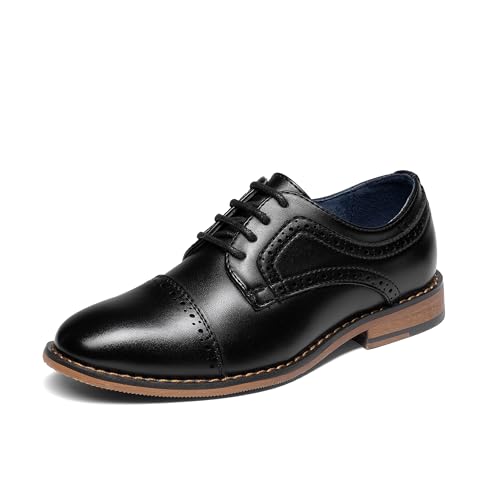
Bruno Marc Boy’s Classic Oxfords Dress Shoes

SHULOOK Non Slip Work Boots for Restaurant Kitchen

SHULOOK Men’s Non Slip Chef Sneakers Black

KKB Oil-Safe Grip Non Slip Work Sneakers
More On The Choices That Made The List
The Laforst sneaker leans into the all-day-on-your-feet reality of serving work. It’s listed under the Uniforms, Work & Safety category, which is shorthand for shoes designed around long shifts rather than short walks to class.
For servers running plates across a slippery dining room, the sneaker silhouette keeps things casual enough for most casual restaurants while still meeting a black, non-slip uniform rule. You may find it a little plain for fine-dining dress codes, but for cafés, bistros, and family chains, it slots in easily.
What Makes Sense
- Sneaker shape means less break-in time than a stiff oxford
- Built for food-service and healthcare floor conditions
- Black upper fits standard server uniform codes without fuss
- Lightweight feel helps during back-to-back dinner rushes
Worth Noting
- Sneaker styling won’t pass at upscale venues with strict dress codes
- Owners commonly report the upper scuffing after several months of hard use, so plan for replacement sooner on heavy schedules
Made For
Servers working long shifts in casual or mid-tier restaurants who care more about comfort than polish.
Look Elsewhere When
Fine-dining hosts and servers should reach for the Bruno Marc Boy’s Classic Oxfords Dress Shoes instead, since the oxford shape matches a black-and-white dress code better.
The Bruno Marc oxford trades sneaker comfort for a clean, polished look that fits upscale rooms. It’s a classic lace-up with a low profile, the kind of shoe you’d see on a maître d’ or fine-dining server.
Where the Laforst leans casual, this one leans formal, and that swap changes the whole shift. You trade athletic cushioning for a sleeker silhouette, which is a real consideration if you spend eight hours weaving between tables.
Noteworthy Benefits
- Oxford shape fits black-tie or business-casual server uniforms
- Clean black upper blends with slacks, aprons, or vests
- Lighter on the foot than a full work boot
Room For Improvement
- Less cushioning than the Laforst sneaker, so long shifts can tire the feet faster
- Leather-style uppers usually need polishing to stay presentable on the floor
- Not a heavy-duty kitchen option, so cross-coverage into the line gets uncomfortable quickly
Feature Snapshot
Who It Suits Best
Servers, hosts, and bartenders in upscale or cocktail settings where appearance matters as much as function.
Consider Something Else When
Servers doubling as dishwashers or expo runners should consider the SHULOOK Non Slip Work Boots for Restaurant Kitchen, since the boot build handles wet, greasy back-of-house floors better.
The SHULOOK boot climbs above the ankle, which is the biggest visual shift from the Laforst and Bruno Marc options earlier on this list. That extra height matters when hot liquids, dropped pans, or splashing dishwater are part of the day.
It’s filed under Uniforms, Work & Safety and Health Care & Food Service, so the design intent is clearly industrial rather than front-of-house. Servers who split shifts between dining room and dish pit get a sturdier barrier here than a low-cut sneaker would offer.
Points In Its Favor
- Boot height protects the ankle from spills and hot splashes
- Slip-resistant outsole targets restaurant and kitchen floors specifically
- Black finish keeps it dress-code acceptable for many server uniforms
Softer Spots
- Heavier than the Laforst sneaker, which can fatigue feet faster during long serving shifts
- Boot styling looks out of place in upscale dining rooms with strict appearance rules
- Takes longer to break in than a low-cut work shoe
Right Fit For
Servers who rotate through the dish pit, prep line, or expo station and want one shoe that handles both zones.
Reach For A Different Pick When
Fine-dining servers should grab the Bruno Marc Boy’s Classic Oxfords Dress Shoes, since the boot profile is too rugged for polished front-of-house roles.
The SHULOOK chef sneaker sits in the middle ground between the Laforst sneaker and the SHULOOK boot. Same brand, same food-service focus, but a low-cut silhouette that feels less like a kitchen tool and more like a working shoe.
For servers who run food, bus tables, and occasionally jump into the line, this shape handles all of it without the ankle coverage of the boot. It’s a versatile middle pick for cross-trained staff.
Useful Highlights
- Low-cut sneaker shape keeps ankles free for fast movement
- Built for kitchen and restaurant floor conditions
- Black color blends with most server and chef uniforms
- Lighter than the SHULOOK boot for long table-running stretches
Small Caveats
- Not as protective as the SHULOOK boot when hot liquids are flying around the line
- Sneaker profile still reads casual, so it’s a poor fit for strict dress codes
Best Suited To
Cross-trained servers and culinary students who need one shoe that handles dining room, line, and prep work without slowing them down.
A Better Fit Elsewhere
Servers working exclusively in wet or greasy kitchen environments should turn to the SHULOOK Non Slip Work Boots for Restaurant Kitchen, since the added ankle protection pays off under those conditions.
The KKB Oil-Safe Grip sneaker is the most feature-loaded pick in this roundup, listing waterproofing, arch support, and an orthopedic focus alongside the slip-resistant build. It’s aimed at people whose feet take a real beating over a long shift.
Where the SHULOOK chef sneaker is a versatile all-rounder, this one leans into support and wet-floor protection. Servers who walk or bike to work in the rain get a noticeably different shoe underfoot than the standard work sneaker.
A Strong Showing
- Waterproof upper keeps socks dry during rainy commutes and kitchen puddles
- Arch-fit design targets the flat-foot ache common in long serving shifts
- Slip-resistant outsole covers the core safety ask for restaurant floors
- Slip-on ease saves time when you’re running late for a section
Honest Caveats
- More layered build than the Laforst, so it can run warm during hot summer sections
- Specialty features mean a higher replacement cost if the shoe wears out quickly
- Waterproof membranes tend to lose flexibility after a year of daily use, depending on conditions
Quick Facts
Whose Shelf It Belongs On
Servers with foot pain, flat arches, or wet commutes who want a single shoe that handles support and weather in one package.
Skip It When
Servers who mainly work dry, climate-controlled dining rooms and want a lighter everyday sneaker should grab the Laforst Men’s Non-Slip Sneakers for Work instead.
What To Weigh Before Choosing Black Non-Slip Shoes For Servers
Slip Resistance Versus Style
The best non-slip outsole in the world won’t help if your manager won’t let you wear it. Slip resistance is non-negotiable on a wet floor, but the silhouette determines whether the shoe passes dress code. Sneakers handle casual service well, oxfords pass in upscale rooms, and boots cover the kitchen. Match the silhouette to your venue before you fall in love with the sole.
Shift Length And Foot Support
A dinner rush on tile punishes flat feet harder than almost any other surface. Arch support, cushioned midsoles, and a roomy toe box all add up over an eight-hour shift. Servers logging double shifts should prioritize support over looks, since fatigue builds faster than style fades.
Materials And Cleaning Reality
Black uppers hide scuffs, but leather, mesh, and synthetic coated fabrics all clean differently. Mesh breathes but traps grease, while coated synthetics wipe down fast after a spill. Pick the material that matches the mess you’ll actually face, not just the photo on the listing.
Dress Code And Replacement Cycle
Most non-slip outsoles lose their grip well before the upper looks worn out. Plan to replace working shoes every six to twelve months on heavy schedules, so durability matters more than initial polish. A slightly more expensive pair that lasts twice as long often costs less per shift in the long run.
Key Considerations Across These Picks
Mistakes Worth Dodging
Many shoppers grab the cheapest pair and assume non-slip is non-slip, but outsole rubber compounds vary widely. A slick kitchen floor will expose a weak sole within a week, so read the slip-resistance language carefully and skip anything that only promises “grip” without naming the surface it handles.
Where The Extra Money Goes
Paying more usually buys a better arch support system, a waterproof membrane, or a sturdier toe cap. For servers with foot problems or wet commutes, those upgrades pay for themselves in fewer lost shifts. For everyone else, a mid-tier pair often hits the sweet spot between comfort and cost.
Frequently Asked Questions
How often should servers replace non-slip shoes?
Most servers on full-time schedules replace their non-slip shoes every six to twelve months, since the outsole tread wears down faster than the upper looks tired. Light-use servers can stretch that window longer.
Are non-slip shoes the same as slip-resistant shoes?
Yes, the two terms describe the same feature: an outsole designed to grip wet or greasy floors. Marketers use both phrases interchangeably, so focus on the outsole material rather than the wording.
Can I wear black non-slip sneakers for fine dining?
Most fine-dining dress codes still expect a black leather oxford or similar formal shoe, so a black sneaker usually fails the look test even when it passes the safety check. Stick to a classic oxford for those rooms.
Do waterproof non-slip shoes keep feet cooler in summer?
Waterproof membranes trap heat more than breathable mesh, so waterproof pairs tend to feel warmer in hot kitchens. If your section runs hot all summer, a non-waterproof sneaker may be more comfortable overall.
How do I clean black non-slip work shoes?
Wipe coated synthetic uppers with a damp cloth and mild soap after each shift, and let them air dry away from direct heat. Mesh uppers benefit from a soft brush to lift grease out of the weave before it sets.
Final Verdict
The right black non-slip shoe comes down to your venue and your shift, not just the brand. Casual servers get the most from a cushioned sneaker like the Laforst, while fine-dining staff need the polished look of the Bruno Marc oxford. Back-of-house and cross-trained workers get the most protection from the SHULOOK boot or chef sneaker, and anyone with foot pain or wet commutes should look closely at the KKB Oil-Safe Grip. Match the shoe to the shift you actually work, and your feet will thank you by the end of the rush.