Black running shoes are the workhorse of most runners’ closets. They hide scuffs, match every kit, and rarely look out of place at the office or coffee stop after a long loop. I put this shortlist together for daily mileage, easy recovery runs, and the occasional tempo session. Everything below is built for real-world comfort, durable construction, and a fit that holds up mile after mile.
The Essentials At A Glance
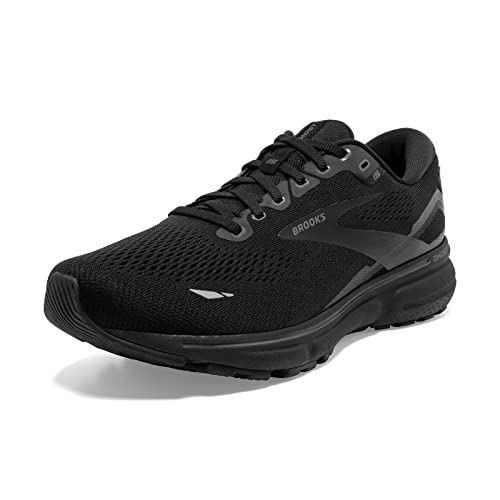
Brooks Ghost 15 Women’s Neutral Running Shoe

Brooks Ghost 14 Men’s Neutral Running Shoe

Brooks Adrenaline GTS 22 Men’s Supportive Running Shoe

Brooks Ghost Max 4 Men’s Running Shoe

Slow Man Wide Toe Box Men’s Road Running Shoe
Taking A Closer Look At The Options
The Ghost 15 sits in that comfortable middle ground most neutral runners keep coming back to. Its smooth transition from heel to toe makes it a natural fit for someone stacking easy miles on pavement, whether that’s a Tuesday loop around the park or a longer Saturday long run.
Compared to the Ghost 14 in the men’s slot below, this women’s version shares the same neutral DNA but is tuned on a last (the foot-shaped form the shoe is built around) designed around a women’s foot. The all-black colorway hides road grime well and transitions straight from run to errand without drawing attention.
Key Advantages
- Smooth heel-to-toe transition that feels natural at easy paces
- Neutral platform suited to runners without severe overpronation (excessive inward foot roll)
- Breathable upper that tends to stay comfortable in warmer weather
- Versatile enough for daily training and casual wear
- Durable outsole rubber holds up against typical road mileage
Worth Noting
- Stock fluctuates frequently, so sizing and availability may take patience
- Lacks the structured stability features runners needing extra support might want
Who It Suits Best
Neutral female runners building consistent weekly mileage who want a single shoe that handles most sessions without fuss.
Consider Something Else When
Runners needing structured stability should look at the Brooks Adrenaline GTS 22 later in the roundup for its more supportive build.
The Ghost 14 has earned its reputation as a steady, no-drama trainer. Its midsole (the cushioned layer between the upper and outsole) delivers a balanced feel underfoot that appeals to runners logging reliable mileage on roads and sidewalks.
While the Ghost 15 above leans into a slightly softer ride, the 14 still holds appeal for runners who prefer a more grounded feel. Blacked-out colorways keep it versatile for the post-run coffee stop, and the neutral geometry suits a wide range of foot strikes.
Everyday Advantages
- Time-tested neutral platform with broad runner appeal
- Comfortable for both shorter loops and longer weekend efforts
- Clean black styling works off the run
Trade Offs
- Being a prior-generation model, certain sizes may be harder to track down
- Lacks the updated cushioning refinements found in newer Ghost variants
- Not designed for runners who need structured motion control
Right Fit For
Male runners who want a familiar, dependable neutral trainer for steady road miles without chasing the latest release.
Look Elsewhere When
Runners craving maximum cushioning for long recovery runs should reach for the Brooks Ghost Max 4 covered below.
The Adrenaline GTS 22 is Brooks’ long-running stability trainer, built for runners whose feet roll inward more than they’d like. GuideRails technology (firm elements positioned on both sides of the midsole that act like bumpers) keeps excess motion in check without forcing a rigid feel, which matters on tired legs late in a run.
Where the Ghost 14 above takes a hands-off approach to gait, the GTS 22 nudges. For runners dealing with mild overpronation, knee sensitivity, or just wanting a more controlled ride, this shoe quietly does the work. The black upper keeps things understated.
Useful Highlights
- GuideRails system offers holistic support beyond a traditional medial post (a denser wedge on the inner side of the midsole)
- Well-suited for daily training on roads
- Structured heel counter helps lock the rearfoot in place
Points To Keep In Mind
- Slightly heavier than the neutral Ghost options in this list
- Stability features may feel intrusive for runners with truly neutral mechanics
- Commonly reported break-in period of a few short runs before the upper fully relaxes
Built With In Mind
Male runners with overpronation or those recovering from lower-leg fatigue who want a structured daily trainer.
A Better Fit Elsewhere
Runners with a neutral stride and no stability concerns will likely prefer the lighter feel of the Brooks Ghost 14 covered earlier.
The Ghost Max 4 is the plushest option in this lineup, built for runners who want a soft landing and plenty of stack height (the total height of material between foot and ground). It earns its place on long runs and easy recovery days when fresh legs aren’t the priority.
Compared to the standard Ghost 14 above, the Max version uses a higher midsole geometry that absorbs impact more aggressively. The black colorway is understated enough to wear beyond running, and the rocker shape (a curved sole geometry that gently rolls the foot forward) helps the shoe feel smooth at moderate paces.
What Stands Out
- Generous stack height for impact absorption on long efforts
- Rocker geometry aids smooth forward transition
- Plush cushioning benefits recovery days and easy paces
- Wide base provides a stable platform despite the height
- Black upper suits daily wear and post-run errands
Honest Caveats
- Bulkier profile than the standard Ghost models
- Not ideal for runners who prefer a low, grounded feel or sharp tempo efforts
Who Should Grab It
Male runners prioritizing comfort for long runs, recovery days, or anyone logging high weekly mileage on hard pavement.
Skip It When
Runners wanting a lighter, nimbler daily trainer should stick with the Brooks Ghost 14 from earlier in this roundup.
The Slow Man wide toe box shoe breaks from the Brooks lineup by addressing a very specific need: feet that feel pinched in standard running shoes. Its roomier forefoot gives toes room to splay naturally, which can make a real difference on longer walks, gym sessions, or casual runs.
Unlike the Ghost Max 4 above with its tall stack height, this pick keeps a lower profile and doubles as an everyday walking sneaker. The non-slip outsole (rubber designed to grip smooth surfaces) appeals to runners who cross tile floors or gym lobbies between sessions.
Notable Gains
- Wide toe box accommodates broader forefeet and natural toe splay
- Versatile enough for running, walking, and gym workouts
- Non-slip outsole offers grip on smooth indoor surfaces
- Cushioned midsole softens impact for casual mileage
Things To Consider
- Less established performance pedigree than the Brooks models above
- Cushioning and outsole durability tend to be geared toward lighter use than high-mileage training
Perfect Match For
Runners with wide feet, anyone tired of cramped toe boxes, or those wanting one shoe that covers gym sessions and easy runs.
Reach For A Different Pick When
Runners training for longer distances or chasing structured support should consider the Brooks Adrenaline GTS 22 from earlier in this guide.
What Matters Most Before Choosing Black Running Shoes
The right pair comes down to how your foot behaves on the road, not just the colorway. Neutral runners, those whose feet roll neither inward nor outward excessively, generally do well with balanced platforms like the Ghost 14 or Ghost 15. Runners who notice inward rolling or wear patterns on the inner edge of old soles often benefit from stability cues, which is where the Adrenaline GTS 22 earns its place.
Cushioning And Stack Height
Stack height is the total thickness of material between foot and ground, and it changes how a shoe feels dramatically. Higher-stack options like the Ghost Max 4 absorb more impact but can feel bulky at faster paces. Lower-profile shoes feel nimbler but transmit more road feedback.
Fit And Toe Box Shape
Toe box shape affects comfort on longer efforts more than most runners expect. Standard lasts (the foot-shaped molds shoes are built around) suit the majority of feet, while wide toe boxes like the Slow Man option prevent pinching and let toes spread naturally. Trying shoes on later in the day, when feet are slightly swollen, gives a more honest fit.
Use Case And Mileage
Daily trainers, tempo shoes, and recovery runs each ask something different. A single shoe covering most sessions works for many runners; others rotate two pairs to extend the life of both. Outsole rubber thickness and midsole foam density both affect how long a shoe holds up.
Key Considerations Across These Picks
Common Shopping Slip Ups
The biggest mistake I see is choosing a shoe purely on looks or colorway without checking fit and stability features. Black running shoes all look similar on a shelf, but the geometry inside them varies a lot. Another slip is ignoring wear patterns on old shoes, which tell you whether you need neutral cushioning or stability support.
Where The Extra Money Goes
Higher-tier running shoes typically invest in better midsole foam, lighter upper materials, and more refined stability systems. The Ghost Max 4, for instance, offers more cushioning technology than the standard Ghost 14. The honest read is that paying up helps most when you log heavy weekly mileage, where small comfort gains compound across hundreds of miles.
Frequently Asked Questions
Are black running shoes harder to keep clean?
Darker uppers hide dust and light scuffs well, but road salt and mud show up readily, so a quick wipe after wet runs extends their lifespan.
How long should a pair of black running shoes last?
Most road trainers hold up for around 300 to 500 miles before cushioning and outsole grip noticeably decline.
Do I need different shoes for treadmill and outdoor running?
The same neutral trainer typically handles both, though outdoor shoes tend to wear outsole rubber faster on rough pavement.
What is overpronation, and how do I know if I have it?
Overpronation means the foot rolls excessively inward after landing. Checking wear patterns on old shoes or getting a gait analysis at a local running shop gives a clearer answer.
Can black running shoes work for the gym?
Yes, especially versatile trainers with stable platforms and grippy outsoles like the Slow Man wide toe box option.
The Takeaway
Black running shoes earn their popularity by staying versatile and out of the way. Match the shoe to your foot type and weekly mileage first, then let colorway settle the decision. The right pair should disappear under your feet and stay ready for the next session.