I spend a lot of time on my feet, and I know how unforgiving a bad pair of running shoes can be after mile three. A solid black pair pulls double duty too, blending into daily wear without screaming “athletic gear.” I pulled together six strong options that pair well with everything from leggings to weekend jeans.
A Closer Look At The Lineup

adidas Stella McCartney Ultraboost DNA Sneakers (Black)
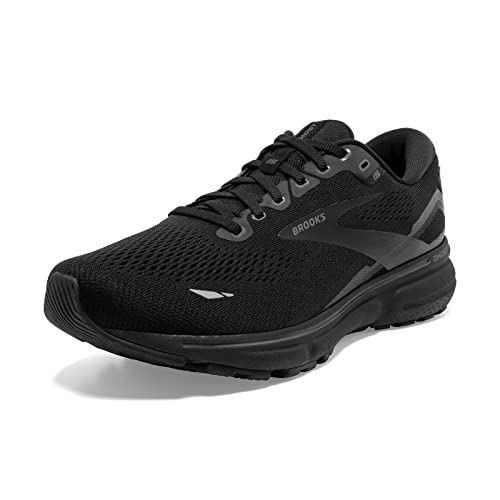
Brooks Women’s Ghost 15 Neutral Running Shoe

Brooks Men’s Ghost 12 Running Shoes

Adidas Womens Adizero Evo Sl W

Saucony Women’s Guide 19 Sneaker

Mizuno Womens Neo Zen 2
More Details On Our Top Picks
This adidas and Stella McCartney collab borrows the Ultraboost DNA platform, a responsive midsole built around Boost foam that snaps back stride after stride. The all-black knit upper dresses up cleanly, so these slip from a coffee run into a casual office without skipping a beat.
Compared to the more performance-driven picks later in this list, the Stella McCartney Ultraboost leans lifestyle-first. The Primeknit-style upper breathes well on warm days, and depending on your foot width, the sock-like fit may feel snug or just right after a short break-in. Anyone who treats running shoes as everyday apparel will appreciate the styling.
A Few Highlights
- Boost foam midsole delivers energetic return for tempo efforts and long walks alike
- All-black knit upper doubles as a casual outfit piece beyond the gym
- Stretchy knit collar reduces heel slip during faster strides
- Stella McCartney design cues add a more refined silhouette than standard Ultraboosts
Things To Consider
- Sock-like fit may feel narrow for wider feet without a break-in period
- Knit upper can show dust and lint on the all-black finish over time
Quick Facts
Who It Suits Best
Style-conscious runners who want one pair that handles both easy miles and post-run errands without swapping shoes.
Look Elsewhere When
You log serious weekly volume and want a purpose-built trainer instead, in which case the Brooks Ghost 15 is a smarter fit.
The Brooks Ghost 15 has earned its reputation as a neutral daily trainer that simply gets out of the way. The shoe runs soft underfoot without feeling mushy, which matters when you’re stacking easy miles on pavement day after day. Black colorways keep it versatile enough for gym-to-grocery transitions.
Unlike the Ultraboost DNA above, the Ghost 15 skips the knit-sock aesthetic in favor of a more traditional engineered mesh, a structure that tends to suit a wider range of foot shapes. Runners logging five days a week will likely find the cushion durable enough to stretch across a full training block before the foam flattens out.
The Practical Payoff
- Neutral platform works well for runners who don’t need posting or guide rails
- DNA LOFT v2 cushioning softens impact on joint-heavy pavement runs
- Engineered mesh upper vents heat well during summer long runs
- Segmented crash pad smooths the heel-to-toe transition naturally
Points To Note
- Stock availability fluctuates, so sizing confirmation may take a beat
- Lacks the plated energy return that speed-focused runners crave
- Heel collar can feel slightly firm during the first few sessions
Made For
Neutral runners building base mileage who want a dependable, no-drama daily shoe in black.
Consider Something Else When
You need mild stability or arch support for overpronation, in which case the Saucony Guide 19 is a better match.
The Ghost 12 is one generation back from the Ghost 15 above, but the platform still holds up for runners who want a proven neutral ride. The midsole uses Brooks’s DNA cushioning, a soft yet responsive foam blend that handles easy efforts and recovery jogs with the same steady feel. Black mesh colorways keep the look understated.
Since this is the men’s last, women’s shoppers with broader feet or those who simply prefer a roomier forefoot may actually find the fit more comfortable than the women’s Ghost 15. The trade-off shows up in the styling: it’s a touch boxier, and the color blocking leans more utilitarian than the sleeker women’s options on this list.
A Strong Showing
- DNA midsole foam softens landings without sacrificing ground feel
- Roomy forefoot accommodates wider foot shapes comfortably
- Proven Ghost geometry that has earned years of loyal mileage
- Durable outsole rubber holds up across high-mile training blocks
Worth Bearing In Mind
- Older generation cushioning feels heavier than the Ghost 15’s updated foam
- Men’s last may sit wider than expected for shoppers with narrower heels
- Color and size availability is patchier given the model’s age
Right Fit For
Runners with broader feet or anyone who prefers a roomier toe box over a snug sock-like wrap.
A Better Fit Elsewhere
You want a more streamlined women’s-specific last, in which case the adidas Adizero Evo Sl W feels lighter and more precise.
The Adizero Evo Sl W sits firmly in adidas’s speed-focused Adizero family, a lineup known for race-day geometry and featherweight construction. The Lightstrike Pro midsole foam (a supercritical foam that delivers high energy return at minimal weight) keeps the shoe lively underfoot, which makes tempo runs and track sessions feel snappy. All-black mesh keeps the silhouette clean.
Where the Ghost 15 prioritizes softness for daily comfort, the Evo Sl W prioritizes turnover speed. Runners who race regularly or chase PRs will appreciate the response, though anyone using it as a slow-recovery shoe may find it harsh over long distances.
The Value In It
- Lightstrike Pro foam snaps back stride after stride for faster paces
- Lightweight build reduces leg fatigue on tempo and interval days
- Breathable mesh upper keeps feet cool during high-effort sessions
- Race-inspired geometry encourages a forward, efficient cadence
Factors To Consider
- Firm ride feels less forgiving on recovery or easy long runs
- Sizing can run slightly narrow for runners with wider feet
- Lightweight upper offers less structure for runners who overpronate
Feature Snapshot
Best Suited To
Runners chasing faster finish times who split weekly miles between easy runs and structured speed work.
Skip It When
You want a plush daily trainer for high-volume easy running, in which case the Brooks Ghost 15 or Saucony Guide 19 fit better.
The Saucony Guide 19 brings a softer PWRRUN blend, a responsive foam formulation that Saucony positions between plush and firm, into a stability-oriented daily trainer. The shoe offers subtle guidance for runners whose arches collapse inward without the aggressive posts found in heavier stability models. Black colorways keep it office-appropriate.
Compared to the Ghost 15, the Guide 19 adds structured support under the medial arch, which matters for runners who feel ankle fatigue after longer efforts. Cushioning stays comfortable across long runs, and the engineered mesh breathes well during summer training blocks.
Positive Points
- Soft PWRRUN cushioning softens impact across long pavement miles
- Built-in stability frame guides mild overpronation without feeling rigid
- Enhanced forefoot flexibility supports a natural toe-off
- Durable outsole construction extends shoe life across training cycles
Honest Caveats
- Heavier than neutral counterparts like the Ghost 15 or Evo Sl W
- Stability frame may feel intrusive for runners with truly neutral mechanics
- Some color and size options rotate out faster than core Saucony models
Who Should Grab It
Runners with mild overpronation or arch collapse who still want a cushioned, comfortable ride for daily mileage.
Another Choice May Suit
You run with a neutral strike and prefer something lighter underfoot, in which case the adidas Adizero Evo Sl W offers more snap.
The Mizuno Neo Zen 2 is built for dedicated daily mileage, with a 40 mm stack height (the measurement of material between your foot and the ground) under the heel and a Smooth Speed Assist design that helps the shoe roll forward naturally. Mizuno Enerzy NXT foam adds cushioning and energy return while keeping ground feel intact. The redesigned upper blends breathable mesh with stretchy knit for a secure midfoot wrap.
Where the Adizero Evo Sl W chases pure speed, the Neo Zen 2 aims for sustained comfort over long distances. Runners training for a marathon or logging heavy weekly volume will likely appreciate the balance of cushion, response, and stability the shoe delivers out of the box.
Key Advantages
- 40 mm heel stack height provides plush protection for high-mileage weeks
- Smooth Speed Assist geometry encourages an efficient forward roll
- Mizuno Enerzy NXT foam balances cushion with responsive energy return
- Stretchy knit upper adapts to foot shape during longer efforts
Less-Strong Areas
- Higher stack height feels chunky compared to sleeker daily trainers
- Heel-focused geometry may feel foreign to midfoot strikers at first
- Plated design adds cost relative to entry-level neutral shoes
Feature Rundown
Perfect Match For
Marathon trainees and high-mileage runners who want durable cushion without sacrificing energy return.
Reach For A Different Pick When
You want a low-profile, nimble shoe for track workouts, in which case the adidas Adizero Evo Sl W feels more agile.
What Matters Most Before Choosing Black Running Shoes For Women
Fit And Foot Shape
The single biggest predictor of shoe happiness is fit, and fit varies wildly between models on this list. The adidas Stella McCartney Ultraboost DNA and Adizero Evo Sl W both run narrower, so shoppers with wider feet may want to size up or look at the Brooks Ghost 12 men’s last for a roomier forefoot. The Brooks Ghost 15 and Saucony Guide 19 sit in the middle and tend to accommodate average to slightly wider feet without much fuss.
Cushioning Philosophy
Daily trainers like the Ghost 15 and Guide 19 lean soft and forgiving, ideal for high-mileage weeks. Speed-focused shoes like the Adizero Evo Sl W trade plushness for snap, which feels exciting at tempo but tiring on recovery days. The Mizuno Neo Zen 2 sits in the middle with a tall stack that absorbs impact while still rolling forward efficiently.
Use Case And Mileage
Honest mileage matters more than marketing. A runner logging 10 to 20 miles per week can comfortably rotate between a daily trainer and a tempo shoe. Someone pushing 30 to 50 miles per week should prioritize durability, foam longevity, and a comfortable upper that won’t cause hot spots over long efforts.
Key Considerations Across These Picks
Pitfalls Shoppers Hit
The most common slip is choosing a shoe based on looks alone, then wondering why their arches ache after a month. Black colorways help with versatility, but the midsole and upper geometry matter far more for comfort. Another trap is ignoring pronation patterns: a neutral shoe on a runner who overpronates can turn minor fatigue into recurring pain.
Where The Extra Money Goes
Higher-tier models like the Adizero Evo Sl W and Neo Zen 2 cost more because of advanced foam chemistry, plated geometries, and engineered uppers. The upgrade pays off for runners chasing specific goals (PRs, marathon distance, daily comfort), but for casual joggers, a solid mid-tier daily trainer handles the job without the premium.
Frequently Asked Questions
Are black running shoes harder to keep clean?
Black uppers hide road dust well, but lighter-colored dust shows up on knit materials, especially around the toe box and mesh panels. A quick wipe with a damp cloth after messy runs keeps the colorway looking sharp without much effort.
How often should running shoes be replaced?
Most training shoes last between 300 and 500 miles before the foam loses its spring. Runners logging 20 miles a week should expect to refresh their shoes roughly every four to six months, depending on surface and body weight.
Can running shoes work for gym workouts?
Yes, especially cross-training sessions, lifting, and short treadmill jogs. Shoes with plated or highly cushioned race-day geometry, like the Adizero Evo Sl W, feel less stable under heavy lateral movement than daily trainers.
Do I need different shoes for different runs?
Rotating between a daily trainer and a faster shoe can extend the life of both and reduce repetitive-stress injuries. Many runners use a cushioned daily pair for easy miles and a lighter model like the Evo Sl W for tempo or race work.
What’s the difference between neutral and stability shoes?
Neutral shoes offer cushion without added support, while stability models like the Saucony Guide 19 include subtle structures to guide the foot during overpronation. The right choice depends on whether your foot rolls inward noticeably during a run.
Bottom Line
The right pair comes down to your weekly mileage, foot shape, and how much speed work you do. Daily comfort seekers land well with the Brooks Ghost 15 or Saucony Guide 19, while style-first shoppers will appreciate the adidas Stella McCartney Ultraboost DNA. Trust the fit over the marketing, and your feet will thank you on the next long run.