Black work shoes carry a lot of weight (figuratively and literally). A busy restaurant server needs traction on a wet line. A corporate analyst wants something polished enough for board meetings. A nurse spends ten hours walking hard floors and still wants to feel like herself at the end of it. The right pair quietly disappears into your routine, and the wrong pair makes every step a negotiation.
I pulled together seven options that span dress pumps, loafers, slip-resistant sneakers, and serious work boots, so you can match shoe to shift. Each review below covers real-world fit, materials, and honest trade-offs. Start with the table for a quick scan, then dive into the details that matter for your day.
Your Options, Compared
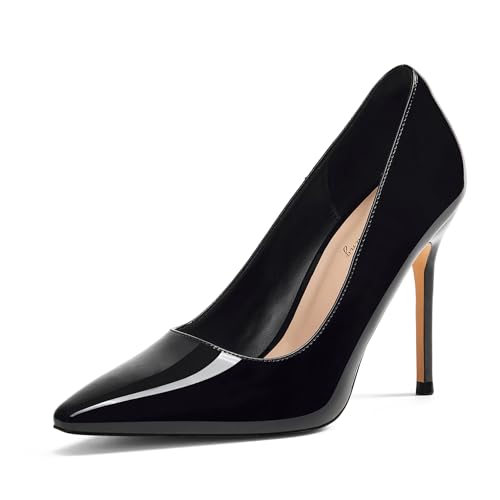
Elisabet Tang Women’s High Heels Pumps Stiletto 4in

Eldof Women’s Loafer Flat Pointed Toe Bow Tie

BUEUPU Women’s 3in Closed Toe Heel Pumps

ACE Rowan II Men’s Soft-Toe Work Boot

SHULOOK Women’s Non Slip Mesh Walking Sneakers

Shoes For Crews Energy II Women’s Work Sneaker

ACE Redrock 6in Composite Toe Work Boot
Inside Each Recommended Option
The Elisabet Tang stiletto pump leans into a classic dressy silhouette: a closed pointed toe and a four-inch heel that sharpens everything from a pencil skirt to a tailored jumpsuit. I think of it as the pair that earns its keep on presentation days, client lunches, and weddings where black tie is the dress code, not the everyday standing-and-walking uniform.
Compared with the BUEUPU pump covered later, this one commits harder to a formal look and skips the adjustable buckle. For someone whose workweek is mostly seated with the occasional stroll to a meeting, the height feels manageable. For someone covering a convention hall, the trade-off starts to show by mid-afternoon.
What Earns Its Place
- The pointed toe visually elongates the leg, which matters under hemlines that hit at or below the knee.
- Closed-toe construction suits conservative offices that read open toes as too casual.
- The four-inch heel pairs cleanly with structured suiting and most formal dresses without looking costumey.
- A simple slip-on profile means no fiddling with buckles when you’re rushing between meetings.
Things To Consider
- Standing more than an hour on hard floors tends to leave the balls of the feet tired.
- The pointed shape runs narrow, so wide-foot wearers may want to size up carefully.
Best Suited To
Office professionals in client-facing roles who spend most of the day at a desk and walk short distances on carpeted or smooth floors.
Look Elsewhere When
The Eldof loafer is a calmer fit for someone who needs polished shoes but walks between buildings all day.
The Eldof loafer trades stiletto drama for a flat pointed toe and a small bow detail that reads as quietly feminine. It’s the kind of shoe that disappears into a work uniform: pair it with ankle-length trousers, a midi dress, or cropped slacks, and the silhouette stays sharp without the cost of a heel.
I see this working well for teachers who stand at whiteboards, office managers running between rooms, and anyone whose “office” is really a coworking space with mixed flooring. Unlike the Elisabet Tang pump above, this one invites you to walk further without bracing for impact.
Everyday Wins
- The flat sole keeps your center of gravity low, which helps on slippery breakroom floors.
- The bow detail adds personality without breaking conservative dress codes.
- Slip-on construction makes security screening and quick errands painless.
Worth Noting
- Without a defined heel, the pointed toe can scuff at the tip if you kick chairs or curbs, something owners commonly report on flats.
- The bow is decorative, so spot-cleaning around it takes a little patience after a coffee spill.
Right Fit For
Hybrid workers who walk through campus-style offices or commute on foot and want polished shoes that don’t punish the ankles.
Not Your Match When
The Shoes For Crews Energy II sneaker is the smarter call for someone clocking serious mileage on slick kitchen or hospital floors.
The BUEUPU pump sits between the dramatic stiletto above and the flat loafer, with a roughly 7.5 cm heel that lifts posture without demanding constant recovery. The closed toe keeps it office-appropriate, and an adjustable buckle strap lets you tune the fit across a long shift.
Where the Elisabet Tang pumps target special-event polish, this pair leans toward daily versatility. I think of it as the shoe for the assistant who walks to a different building every hour, or the hostess who wants something dressier than a flat but kinder than a stiletto by closing time.
What Helps Most
- The mid heel height lands in a range most people can wear from morning to evening without switching shoes.
- The adjustable buckle accommodates swelling feet on hot days or after long meetings.
- The closed toe pairs with everything from suit trousers to a knee-length sheath.
Trade Offs
- The buckle hardware can press on the top of the foot if you lace it tight across a bunion or wider arch.
Quick Facts
Made For
Office coordinators and event planners who want one pair to handle desk time, walking tours, and after-hours dinners without changing shoes.
Consider Something Else When
The ACE Rowan II boot fits a different reality, especially for warehouse leads who need EH-rated, slip-resistant footing over a corporate silhouette.
The Rowan II is built for movement, not polish. It carries a soft toe (no steel or composite cap), a slip-resistant outsole, and an EH rating, which means the sole is designed to reduce hazard around live electrical currents under dry conditions. The water-resistant leather upper handles the occasional spill, mop splash, or dewy morning walk-in.
This boot lives in a different universe than the pumps above. I picture it on a back-of-house supervisor at a hotel, a facilities tech, or a courier who loads trucks. The trade-off is clear: you trade fashion for traction and electrical safety, and your day needs to justify that swap.
Noteworthy Benefits
- The slip-resistant outsole targets greasy floors that defeat ordinary sneakers.
- EH-rated soles offer a layer of protection around low-voltage electrical hazards common in maintenance work.
- The soft toe keeps the boot lighter than a steel-cap alternative, which matters on long walks.
Things To Consider
- The soft toe won’t satisfy sites that mandate a composite or steel cap, so check your workplace policy first.
- Water-resistant is not waterproof; puddles deeper than a splash can soak through over time.
Feature Snapshot
Whose Shelf It Belongs On
Facilities staff, hotel maintenance crews, and warehouse leads who need traction and EH protection without the bulk of a steel toe.
A Better Fit Elsewhere
The SHULOOK mesh sneaker is the smarter pick for someone on hard kitchen or clinical floors all day who wants a lighter, breathable profile.
The SHULOOK sneaker skips leather entirely in favor of a breathable mesh upper and a slip-resistant outsole aimed at restaurant, kitchen, and clinical environments. It looks like a casual walking shoe but is engineered for floors that punish ordinary sneakers.
I think of this pair as the everyday armor for line cooks, dietary aides, and visiting nurses who log thousands of steps across tile. It breathes far better than the Rowan II boot, and it disappears under most scrub uniforms, which matters in workplaces where leadership frowns on flashy footwear.
What Stands Out
- The mesh upper lets heat escape, which helps during ten-hour kitchen shifts in warm kitchens.
- Slip-resistant outsoles target the wet, greasy floors common in food service and healthcare.
- The low-profile athletic silhouette stays out of the way under most uniform pants.
Points To Note
- Mesh uppers stain easily with turmeric, beet juice, or iodine, and the woven fabric takes more scrubbing than leather to clean.
- There’s no toe reinforcement, so dropped pans or rolling carts can mark the toe box.
Perfect Match For
Chefs, line cooks, dietary staff, and nurses who walk miles on slippery floors and prioritize airflow over polish.
Reach For A Different Pick When
The ACE Redrock boot is the better call for outdoor or jobsite work where you need waterproof leather and a composite safety toe.
The Energy II is the cushioned veteran in this lineup. It borrows the oversized outsole of a performance athletic shoe and layers in the brand’s slip-resistant tread, which has been a staple in food service and hospitality for years. The result feels less like a fashion sneaker and more like a recovery shoe you can wear to work.
Compared with the SHULOOK mesh sneaker above, this one trades airflow for thicker cushioning and a more substantial platform. I think of it on the hostess who logs twelve-hour shifts, the hospital transporter, and the school cafeteria lead who wants their feet to feel okay after the third double in a week.
Key Advantages
- The thick midsole absorbs impact across long shifts, especially on concrete kitchen floors.
- Slip-resistant tread is the brand’s signature and a familiar feature in commercial kitchens.
- The roomy toe box accommodates swelling after hours of standing.
Honest Caveats
- The bulkier silhouette can feel clunky under tailored trousers if your workplace leans dressy.
- The thicker upper runs warmer than the SHULOOK mesh, which may matter in hot kitchens.
Feature Rundown
Who Should Grab It
Restaurant hosts, hospital transporters, and anyone whose day clocks more than eight hours of standing and walking on slick surfaces.
Swap It Out When
The Eldof loafer suits a customer-facing manager who needs something more polished and far less athletic.
The Redrock 6-inch is the heavyweight in this roundup. It pairs a waterproof full-grain leather upper with a composite safety toe, an EH rating, and a non-slip outsole, all in a package built for mud, concrete, and uneven ground. Composite toes are lighter than steel and don’t conduct cold the same way, which matters on long winter shifts outdoors.
Where the Rowan II soft-toe boot covered earlier targets lighter indoor work, this one aims squarely at outdoor jobsites. I think of it on utility crews, farm workers, and contractors who need real weather protection and impact-rated toes. The honest read is that it’s overkill for a server, and under-built for a logger.
Strengths Worth Knowing
- The composite toe meets common jobsite impact and compression standards without the cold conductivity of steel.
- Waterproof full-grain leather handles muddy ground and standing water far better than the Rowan II’s water-resistant upper.
- The 6-inch shaft supports the ankle on uneven terrain and ladder rungs.
Practical Considerations
- Break-in time on full-grain leather is real; expect a few shifts before the upper molds to your foot.
- Waterproof boots need occasional conditioning to keep the membrane from drying out and cracking at the flex points.
Feature Card
Built With In Mind
Utility workers, farm crews, and contractors who deal with rough terrain, falling debris, and wet conditions in regular shifts.
Where A Sibling Pick Shines
The SHULOOK mesh sneaker is a smarter everyday choice for kitchen and clinical work where composite toes and waterproof leather are unnecessary weight.
What Matters Most Before Choosing Black Work Shoes For Women
The right pair depends almost entirely on where you spend your day. A polished closed-toe pump earns its keep in a boardroom and falls apart on a wet kitchen line. A slip-resistant sneaker survives a restaurant shift and looks out of place at a client dinner. Sorting floor type, dress code, and hours on your feet first will narrow the field fast.
Toe shape and closure change how a shoe feels by hour five. Pointed toes look sharp but squeeze wide feet. Round and almond shapes forgive bunions and swollen arches. Slip-on styles save time but rarely adjust for swelling. Buckle and strap closures let you loosen as the day progresses, which matters during hormonal cycles or hot shifts.
For food service, healthcare, and industrial roles, traction is non-negotiable. A “slip-resistant” outsole is engineered with tread patterns and rubber compounds that grip wet tile better than ordinary sneaker soles. EH ratings add a layer of protection around electrical hazards, but they’re not a substitute for proper lockout/tagout procedures on live equipment.
Material drives comfort more than people expect. Full-grain leather molds to your foot and lasts years with care, but it needs break-in time. Mesh breathes instantly and washes easily, but it stains and tears faster. Synthetic uppers hit a middle ground, often at lower cost. Match the material to your climate, your cleaning routine, and how rough your shifts tend to be.
Key Considerations Across These Picks
Where Shoppers Go Wrong
Treating “work shoes” and “dress shoes” as interchangeable. The pumps above are made for carpet and tile in low-mileage days. The boots and sneakers are made for traction and impact, not boardroom polish. Buying a slip-resistant boot for an office job usually ends with sore feet and a frustrated closet.
Ignoring workplace dress codes and safety rules until checkout. Some sites require EH-rated soles, closed toes, or composite caps. Others ban athletic silhouettes outright. Confirming the rules before you order saves the return trip.
Where The Extra Money Goes
Higher-priced pairs tend to buy better leather, denser midsoles, and more thoughtful tread patterns. The Redrock’s waterproof membrane and composite toe add real cost that pays off on a jobsite, but it does nothing for a corporate office. Spend up where the upgrade touches your daily reality: cushioning for long shifts, weatherproofing for outdoor work, or premium leather for shoes you’ll wear three days a week for years.
Frequently Asked Questions
How should black work shoes for women fit at the end of the day?
Shop in the afternoon or evening when your feet are slightly swollen, since feet expand across a long shift. A thumb’s width of room at the toe and a snug (not pinching) heel prevents blisters and black toenails.
Can I wear the same pair for office days and kitchen shifts?
It’s better to rotate. Office shoes rarely have the slip-resistant outsoles and cushioned midsoles that kitchen floors demand, and kitchen shoes usually look too casual for client meetings. Two pairs costs less than a foot injury.
Are slip-resistant outsoles really different from regular sneaker treads?
Yes. The rubber compounds and tread geometry are engineered to channel water and oil away from the contact patch. Ordinary sneaker soles hydroplane on greasy tile in ways that dedicated work outsoles do not.
How long do black work shoes for women typically last?
Most owners rotate through work shoes every nine to eighteen months with daily wear, depending on cushioning density and surface roughness. Leather boots with replaceable insoles often stretch past two years.
Do composite toe boots keep feet as warm as steel toe boots in winter?
Composite toes don’t conduct cold the way steel does, so they feel less chilly on cold mornings. The waterproof membrane in the Redrock matters far more for warmth than the toe material itself.
Closing Thoughts
The best black work shoes for women are the ones you stop noticing by the end of the week. Match the shoe to the floor you stand on, the dress code you answer to, and the hours your shifts demand. Try a pair on at home with the socks you’ll actually wear, walk across a hard surface for ten minutes, and trust what your feet tell you.