I spend a lot of my evenings staring at a soggy pair of work boots by the back door, and that squishy discomfort has a way of creeping into the next morning. Persistent moisture in leather and lined boots breaks down the material, breeds odor, and on cold jobsites can leave feet numb before lunch. A dedicated dryer solves all three problems at once, so I put together this roundup of solid options that handle everything from daily commutes to weekend waders.
A Quick View Of The Lineup

PEET Mitten DryPort Attachment for Ski & Winter Mittens

PEET Original Electric Shoe Dryer
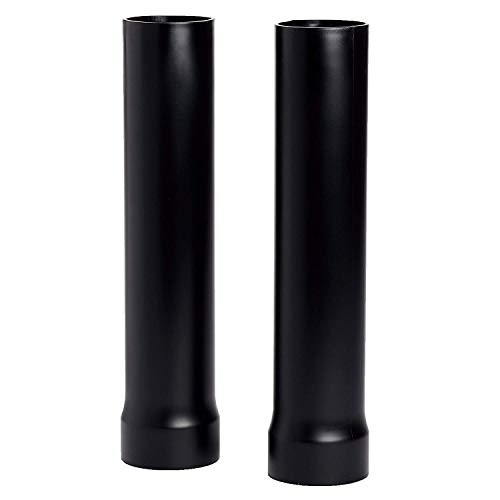
PEET 12-Inch DryPort Extensions for Tall Boots & Waders

FORLIM Shoe & Boot Dryer with Forced Air & 2-Hour Timer

DryGuy Shoe, Boot & Garment Electric Dryer (4-Port)

PEET Advantage 4-Shoe Electric Boot & Shoe Dryer
The Strengths Of Each Pick
This is an accessory rather than a standalone dryer, and that framing matters. The Mitten DryPort snaps into a compatible PEET base unit and channels warm air into bulky mittens or thick work gloves that ordinary upright ports simply cannot inflate properly.
For anyone who fishes, splits wood, or rides snowmobiles on weekends, drying out saturated gloves overnight is often the difference between a comfortable morning and chilblains. In my view, this is a niche piece, but for the households that need it, nothing else fills the gap as neatly.
The Case For It
- Handles oversized mittens that block airflow on standard ports
- Extends the usefulness of an existing PEET dryer instead of replacing it
- Lightweight and easy to pack for cabin trips
- Gentle convection heat protects leather and waterproof membranes
Trade Offs To Consider
- Requires a separate PEET base unit to function
- Dries one pair of gloves at a time, so it can bottleneck during back-to-back job shifts
Built With In Mind
Skiers, ice fishers, and homeowners who already own (or plan to buy) a PEET base unit and want a tidy way to dry heavy winter gloves alongside boots.
Skip It When
You need a complete drying system out of the box, in which case the PEET Original or the FORLIM below is a smarter starting point.
The PEET Original has been the gateway boot dryer for decades, and the reason it keeps showing up in mudrooms is simple: it relies on natural convection, meaning it rises gently as warm air moves upward through the boot without a fan. There is no motor, no rattle, and almost no hum, which makes it a considerate choice for thin-walled apartments or bedrooms.
It handles two shoes at once and runs on standard household current. Energy draw is minimal, and there is nothing to clean or service beyond the occasional dust wipe.
Well-Handled Touches
- Silent operation makes it apartment-friendly and bedroom-safe
- Natural convection heat is gentle on adhesives and leather stitching
- Compact footprint fits on a closet shelf or boot tray
- Made in USA with simple, durable internal components
Points To Keep In Mind
- No fan means drying takes overnight rather than in a couple of hours
- Reach is limited, so tall work boots may not dry fully at the shaft
- Plastic posts can warp if knocked over hard repeatedly, a commonly reported issue
Whose Shelf It Belongs On
Quiet households, renters, and anyone who dries low-cut work shoes overnight rather than racing the clock between shifts.
Reach For A Different Pick When
You wear insulated 10-inch pull-on boots daily, in which case the FORLIM or PEET Advantage moves air deep enough to finish the job.
Standard boot dryers top out around 10 or 11 inches of vertical reach, which leaves the top quarter of a hunting wader cold and damp. PEET’s 12-inch DryPort Extensions solve that exact problem by threading onto a compatible base unit and channeling warm air the full length of the shaft.
One pair handles hip waders, while stacking two pairs pushes air all the way up chest waders. Anglers, duck hunters, and anyone who wears hip boots in the rain will recognize the value immediately.
What Stands Out
- Extends drying reach past the 11-inch mark where stock ports stall out
- Stacking two pairs fully services the tallest chest waders
- Compatible with most PEET electric and propane bases already in the wild
Where It Is Less Suited
- Useless without a compatible PEET base, so it is an add-on, not a standalone dryer
- Extensions add storage length, which crowds tight closet shelves
Feature Snapshot
Who It Suits Best
Waders and tall hunting boots benefit most, especially folks who already own a compatible PEET dryer.
Consider Something Else When
You do not yet own a base PEET unit, in which case starting with the PEET Advantage makes more sense than buying extensions alone.
FORLIM’s dryer is a fast turn-around option for tight morning routines. A 200W fan pushes warm air through telescoping, bendable ports that reach deep into the toe box and up tall shafts. The articulated rack folds flat for sneakers and stands upright for boots up to roughly 21 centimeters tall at the port height.
The built-in two-hour timer is the small touch that makes daily use easier. Set it before bed, walk away, and the dryer shuts off on its own without burning power all night.
Notable Gains
- Forced-air heat cuts drying time to about 1 to 2 hours for damp boots
- Bendable ports snake into deep toe boxes where rigid posts stall
- 180-degree articulating rack fits slippers, sneakers, and tall boots on one unit
- Automatic shutoff prevents forgotten overnight runs
Possible Compromises
- Two-hour window can feel short for fully saturated leather boots after a downpour
- Plastic port tips can loosen with rough handling, a commonly reported maintenance note
Quick Technical Notes
Right Fit For
Tradespeople on back-to-back shifts need boots ready fast and homeowners juggling sneakers alongside work boots.
A Better Fit Elsewhere
Heavy multi-pair households may prefer the PEET Advantage, which handles two pairs of boots in a single cycle.
The DryGuy Force Dry DX does more than boots. With four ports and an accessory-ready design, it pushes a gentle 105-degree Fahrenheit airflow through shoes, helmets, gloves, and compatible garment accessories in roughly one to three hours.
Compared to the PEET Original above, this unit adds forced heat and extra ports, so it dries more gear per cycle. It fits well in a garage or mudroom where the whole family’s hockey bags and work boots need attention at once.
Everyday Perks
- Four ports handle multiple pairs in a single cycle
- Gentle 105-degree heat is safe for most shoe materials and gloves
- Supports accessories for larger footwear and helmets beyond basic boots
- Helps keep odor at the time by drying sweat thoroughly between wears
Honest Caveats
- Larger footprint than a two-port unit, which crowds narrow entryways
- Accessories for garment drying cost extra on top of the base unit
Who Will Love This
Multi-sport households that cycle through ski boots, hockey gear, and work boots on the same week and want one rack to handle everything.
Not Your Match When
You only own a couple of pairs of basic work shoes, in which case the quieter PEET Original keeps things simpler.
The Advantage takes the PEET formula and bolts on a fan. Air now moves through AirChambers and DryPorts under power, which cuts drying time dramatically on the same heavy boots that take all night on the Original. A sturdy base handles two pairs simultaneously, so ski boots, ice skates, or work boots dry side by side.
An onboard heat switch lets me toggle between gentle 1-to-4-hour forced heat at 220 watts and quiet fan-only mode at 36 watts for sensitive materials. It plugs into any standard 110-to-120-volt outlet, which keeps installation as simple as finding a nearby wall socket.
Where It Excels
- Forced airflow dries most footwear in 1 to 4 hours, much faster than passive convection
- Two-pair capacity handles family or crew gear in a single cycle
- Fan-only mode protects delicate leather and adhesives when full heat is not needed
- ETL approval gives confidence on long unattended runs
Worth Noting
- Fan noise is noticeable in quiet bedrooms, so most owners place it in a utility area
- Higher wattage draws more power than the Original during heat cycles
The Key Facts
Perfect Match For
Multi-pair households, small crews, and anyone who wants genuinely fast drying without giving up the quiet fan-only option.
Where Another Pick Suits Better
Light-duty users drying one pair overnight may find the PEET Original quieter and more energy-efficient for their routine.
Matching Boot Dryers To Real Workdays
Heat Source And Drying Speed
Most boot dryers use one of two heat approaches. Convection models, like the PEET Original, rely on warm air rising through the boot without any fan, which means very low noise and very low power draw but overnight drying times. Forced-air models add a fan that pushes warm air through the boot, which can cut drying time dramatically, often to one to four hours depending on saturation. Convection wins for bedrooms and quiet spaces; forced air wins for back-to-back shifts and deep saturation.
Boot Height And Port Reach
A standard dryer reaches about 10 to 11 inches up the shaft, which covers most ankle boots but leaves the tops of tall work boots and waders damp. Look for taller ports, extension tubes like the PEET 12-inch DryPorts, or articulating racks that lift taller footwear into position. Anyone wearing insulated pull-ons, hunting boots, or waders should plan for extra reach rather than hoping a basic unit will cope.
Capacity And Daily Load
Two-port dryers handle one pair at a time, which is fine for solo workers. Households with two or three pairs cycling through each week benefit from four-port units like the PEET Advantage or DryGuy Force Dry DX. The trade-off is footprint: more capacity means a larger rack that needs a real shelf or mudroom corner, not just a closet floor.
Construction And Long-Term Care
Most dryers use plastic posts with internal heating elements, and that construction is durable enough for years of routine use. Owners commonly recommend keeping ports clean of dust and lint, avoiding yanking boots off the posts, and storing units indoors between seasons. Metal components are uncommon in this category, so handle the posts with the same care you would give a small appliance.
Key Considerations Across These Picks
Pitfalls Shoppers Hit
The biggest mistake is choosing a convection dryer for a tall insulated boot and expecting the top to dry by morning. The second is buying a four-port unit when one pair would have been enough, which wastes money and shelf space. Measure your boots, count the pairs in actual rotation, and match those numbers to the dryer’s specs before adding anything to the cart.
Where The Extra Money Goes
Higher-tier models like the PEET Advantage and DryGuy Force Dry DX earn their higher cost through forced-air heat, multi-pair capacity, and accessory compatibility. The upgrade pays off for anyone with two or more pairs in regular rotation, gear stored in a garage, or work boots that need to be ready in a couple of hours rather than overnight. Solo users drying one pair of light shoes can stay with simpler units and keep the budget intact.
Frequently Asked Questions
How long does a boot dryer take to fully dry work boots?
Forced-air dryers typically finish a damp pair of work boots in one to three hours, while convection models need an overnight run of six to eight hours. Saturated leather after a heavy rain can take longer in either case.
Can boot dryers damage leather or boot adhesives?
Most electric dryers run at gentle temperatures designed for footwear, so routine use is fine. Avoid cranking DIY heat sources on boots, and switch to fan-only mode for delicate or heat-sensitive materials when the unit offers it.
Do boot dryers help with odor, or just moisture?
Thorough drying removes the damp environment that odor-causing bacteria need, so consistent drying between wears noticeably reduces smell over time. A dryer is not a substitute for cleaning insoles or rotating pairs, but it makes both easier.
Can I dry gloves and helmets on the same dryer?
Many multi-port units like the DryGuy Force Dry DX support glove and helmet accessories, and PEET offers the Mitten DryPort attachment for bulky gloves. Always check the dryer’s accessory list before assuming a particular add-on will fit.
Where should I place a boot dryer in my home?
Utility rooms, mudrooms, and garages handle the fan noise and heat output of forced-air units, while convection models sit comfortably in bedrooms or closets. Keep the unit on a hard surface with airflow space around it, and never cover it with boots or clothing while running.
The Takeaway
A reliable boot dryer pays for itself by extending the life of the boots you already own, and the right pick depends on boot height, household size, and how fast you need that next pair ready. Match the heat style and capacity to your real routine, and the rest falls into place. Stay warm out there.