Surf booties earn their keep long before you paddle out. They keep feet warm in cool water, block stinging jellyfish and barnacle cuts, and give you the traction to plant a turn on a slimy reef. The right pair feels like a second skin, with just enough thickness to insulate without turning every step on the beach into a slog. I pulled together four neoprene water sock options that translate well to surf sessions, easy entry sessions at a reef break, or just long days chasing waves in the shallows. Here’s what stood out.
A Snapshot Of The Selections
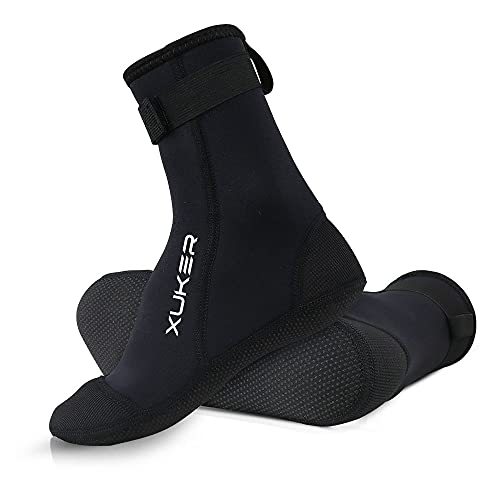
XUKER Neoprene Water Socks 3mm Sand Proof

XUKER 3mm Neoprene Water Socks for Beach Diving
XUKER 2mm Neoprene Water Sand Proof Beach Socks

XUKER Water Socks Quick Dry for Sand Beach
Why These Options Stand Out
The 3mm thickness on this XUKER pair hits a comfortable middle ground for most surf sessions in temperate water. Neoprene at this weight insulates without crushing board feel, so duck dives still feel snappy and you can read the wax under your toes. The sock-style cut pulls on cleanly over bare feet and sits low at the ankle, which matters when you’re doing push-ups on a longboard or popping up fast on a shortboard.
For someone who surfs a couple times a week in mild to cool conditions, this thickness tends to be the everyday workhorse. It also handles beach volleyball and shoreline scrambles, so it doubles as a warm sock for pre-surf warmups on the sand.
What Makes Sense
- 3mm neoprene offers a strong warmth-to-flex ratio for shoulder-season sessions
- Low-profile ankle keeps the cuff out of the way during pop-ups
- Sand-resistant construction helps keep grit from grinding between foot and sock
- Versatile enough to double as a beach sock after the session
Worth Noting
- Stock images weren’t available at the time of writing, so fit is best judged through the size chart
- 3mm can feel bulky in very warm water where agility matters more than insulation
Best Suited To
Recreational surfers in temperate water who want one sock that handles the majority of session conditions without overthinking thickness.
Where Another Pick Suits Better
Surfers in consistently warm, shallow water may prefer the lighter, more flexible XUKER 2mm Neoprene Water Sand Proof Beach Socks for better board feel.
This XUKER sock carries the same 3mm insulation as the first pick, with an ergonomic cut that’s designed to avoid bunching at the heel. The blend uses neoprene as the dominant material with a touch of nylon, which gives the sock a smoother slide over the foot when you’re pulling them on between sets. For surfers who paddle out from a rocky point or a barnacle-covered entry, that snug rear-foot fit keeps the sock from sliding around inside.
Beach walkers and stand-up paddleboarders get a similar payoff: less irritation across the top of the foot during long paddles. Compared to the XUKER Neoprene Water Socks 3mm Sand Proof earlier in this list, this version leans slightly more toward an athletic, locked-in feel.
Reasons It Performs
- 3mm neoprene provides reliable warmth for cool-water sessions
- Ergonomic heel design minimizes wrinkling behind the Achilles
- Neoprene-and-nylon blend feels smooth and dries reasonably between uses
- Comfortable for extended beach walks before and after paddling out
Trade Offs
- Size accuracy varies, so consulting the size chart before ordering helps avoid a sloppy fit
- Product photos weren’t supplied, which makes color selection harder to gauge in advance
Feature Snapshot
Right Fit For
Surfers and paddlers who log long sessions and want a sock that stays smooth against the heel during extended wear.
Swap It Out When
Shoppers prioritizing outright warmth and value may prefer the XUKER Water Socks Quick Dry for Sand Beach for a versatile all-day pick.
At 2mm, this XUKER sock trades a layer of insulation for a noticeably more responsive feel underfoot. Surfers in warm tropical water, or anyone who wants maximum grip and board sensitivity, will appreciate how thin the material sits against the wax. The updated stretchy cuff is the subtle detail that matters most: it hugs the ankle and blocks sand from sneaking in during sprint drills or beach runs between sessions.
The trade-off shows up when water temperatures drop. Anyone surfing a California beach in early spring will find this sock leans cool rather than cozy. For beach volleyball players, snorkelers, and warm-water travelers, though, the lightweight profile is a real advantage over the heavier 3mm options earlier in this list.
Real Benefits
- 2mm neoprene delivers sharp board feel for warm-water surfing
- Stretchy ankle cuff keeps sand out during quick movements
- Thin construction packs small in a board bag or travel backpack
- Useful as a barrier against sharp shells, rocks, and broken glass on shore
Small Caveats
- Lightweight feel means minimal thermal protection in cold water
- Thinner neoprene tends to wear through faster at the heel with heavy use
- Stock photos were not available at the time of writing, so style cues are limited
Who Will Love This
Warm-water surfers and beach athletes who prioritize agility and grip over heavy insulation during short, fast sessions.
Look Elsewhere When
Cold-water surfers need the heavier insulation of the XUKER Neoprene Water Socks 3mm Sand Proof for sessions below about 18°C.
The standout feature on this XUKER sock is right in the name: quick-dry construction. After a long session, pulling on a soggy pair of neoprene socks for the walk back to the car is genuinely unpleasant. A faster-drying material means less of that clammy chill when you finally peel them off, which matters on multi-session surf trips or beach days that stretch from morning to sunset.
Versatility is the second win here. The unisex sizing covers men and women, and the sock handles volleyball, soccer, and shoreline exploration without complaint. Compared to the ergonomic XUKER 3mm Neoprene Water Socks earlier, this one leans more toward everyday versatility and easy care than athletic precision.
Everyday Advantages
- Quick-dry material cuts down on post-session chill and damp storage
- Unisex fit accommodates a wide range of paddlers and beach athletes
- Multi-use design covers surfing, volleyball, and casual beach days
- Light enough to layer with thin insoles for colder sessions
A Few Limitations
- Quick-dry construction alone doesn’t guarantee insulation, so cold-water surfers may need to layer up
- Manufacturer photos were unavailable at writing, leaving color and pattern choices unclear
- Lighter builds can snag on rocky entries if treated carelessly
Whose Shelf It Belongs On
Traveling surfers and active beachgoers who hop between sessions and want a sock that dries out between wears without smelling.
Reach For A Different Pick When
Surfers chasing maximum warmth in cooler water should size up to the XUKER Neoprene Water Socks 3mm Sand Proof for proper thermal coverage.
What Matters Most Before Choosing Booties For Surfing
Water Temperature Drives Thickness
Neoprene thickness, measured in millimeters, is the single biggest call you make. A 2mm sock suits warm tropical water and short sessions where you want bare-foot board feel. A 3mm sock covers the broad middle of temperate coastlines, where most recreational surfers live. Anything thicker starts trading sensitivity for warmth and tends to belong to dedicated cold-water gear rather than water socks.
Fit And Cuff Design Matter More Than People Expect
A loose sock fills with sand and water, which then sloshes around with every step and rubs the heel raw. An ergonomic heel panel and a snug, stretchy cuff keep the sock locked to the foot. Sizing charts vary by brand, so measuring foot length before ordering saves the headache of a return.
Sole And Toe Protection For Rocky Entries
Reef breaks and barnacle-covered points punish bare feet. A reinforced toe panel and a tougher sole panel make the difference between a comfortable session and a bleeding one. Light beach play doesn’t demand the same armor, but anyone surfing a rocky break should look closely at toe coverage.
Care And Drying Habits Extend Lifespan
Neoprene breaks down faster when stored damp. Rinsing socks in fresh water after a salt session and letting them air-dry out of direct sunlight keeps the material supple. Quick-dry constructions speed that process up, which helps on multi-day surf trips where the same pair gets used daily.
Key Considerations Across These Picks
Pitfalls Shoppers Hit
The most common slip-up is buying by thickness alone. A 3mm sock in tropical water feels swampy and bulky, while a 2mm sock in 15°C water leaves feet numb within an hour. Matching thickness to your actual surf temperature matters more than chasing the highest number. Another easy mistake is skipping the size chart, which turns a snug, ergonomic sock into a floppy bag at the heel.
Where The Extra Money Goes
Premium neoprene socks typically invest in better seam construction, glued and blind-stitched panels that resist flushing water through the seams, and higher-grade neoprene that holds its stretch over years of use. For casual beach use, basic stitched construction is plenty. For surfers who rack up dozens of sessions a season, the upgrade toward sealed seams and tougher exterior fabric pays back in comfort and longevity.
Frequently Asked Questions
Can I surf in water socks instead of dedicated surf booties?
Water socks work for warm and temperate water where you need light insulation and foot protection. In genuinely cold water, dedicated surf booties offer thicker neoprene and tougher soles that water socks can’t match.
How do I stop sand from getting inside my surf booties?
Look for a stretchy, snug cuff at the ankle and an ergonomic heel panel that minimizes gaps. A wetsuit sock or thin neoprene liner worn underneath also helps seal out grit during long beach runs.
What thickness surf booties do I need for 18°C water?
Around 3mm is the typical sweet spot for that range. Anything thinner gets cold within an hour, while anything thicker starts feeling bulky unless the water drops further.
Are quick-dry water socks worth the upgrade?
For surfers who use the same pair across multiple sessions, yes. Faster drying means less smell, less chill when you peel them off, and easier packing into a damp board bag.
How long do neoprene surf booties usually last?
With proper rinsing and air-drying, a quality pair typically survives one to three seasons of regular use before the sole thins out or seams start leaking.
Bottom Line
The right surf booties come down to your water temperature and how much board feel you want to keep. Warm-water surfers get the most from a thin, quick-drying sock like the XUKER Water Socks Quick Dry or the 2mm XUKER pick. Cooler-water surfers should lean toward the 3mm XUKER options for proper insulation. Match the sock to your coastline, check the size chart, and rinse them after every session, and any of these four will get the job done.