Finding the right track shoes for a young athlete is less about chasing a single “best” model and more about matching the shoe to the event, the training load, and how quickly those feet are still growing. Spikes make sense for competitive meets on the oval, while lightweight trainers cover the bulk of practice mileage on harder surfaces. I pulled together six options across that spectrum, from serious racing flats to everyday sneakers that still handle PE class and recess.
An Overview Of The Picks

adidas Adizero Distancestar Track Spike

New Balance DynaSoft Reveal V4 BOA Kids Running Shoe

PolarPals Kids Tennis Running Sneakers

New Balance DynaSoft Reveal V4 BOA Kids Running Shoe
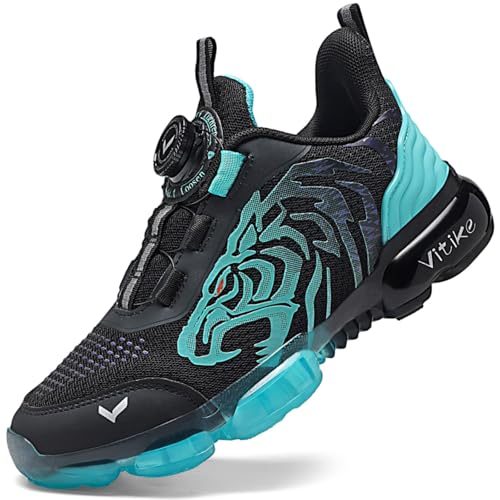
JMFCHI Kids Running Tennis Sports Casual Shoes

PolarPals Kids Slip On Tennis Shoes
What Each Pick Brings To The Table
The adidas Adizero Distancestar is a purpose-built spike rather than a cushioned trainer, and that distinction matters before adding it to a cart. It uses a six-pin TPU spike plate, the rigid thermoplastic plate under the forefoot that locks onto the track for traction through corners and quick push-offs. Distance events from 400m through the mile put long, repeated demands on the foot, and this shoe is engineered for that exact workload.
Compared to the everyday sneakers further down this list, the Distancestar feels minimal by design. There is no plush stack of foam, no oversized heel, and no extra rubber for sidewalks. That is the trade-off: maximum energy return on the oval, limited usefulness off it. For a young runner logging actual meet PRs, the platform tends to reward clean mechanics and a forward stride.
A Few Strong Suits
- Genuine six-pin TPU spike plate delivers real grip on synthetic tracks, which matters most when cornering at speed.
- Lightweight racing construction reduces leg fatigue during repeat efforts in practice and warm-ups.
- Built specifically for middle and long distances, so the geometry matches the event rather than borrowing from a sprint template.
- adidas heritage in track means sizing and last shape tend to be consistent for repeat purchases across seasons.
Things To Consider
- Spikes are useless for PE class, recess, or neighborhood runs, so a separate trainer is still required.
- Spike pins wear down and need periodic replacement, which adds a small maintenance step most casual shoes do not have.
Key Specs
Who It Suits Best
Competitive middle school runners racing 800m, 1600m, or cross country meets who already train on a real track.
Consider Something Else When
The PolarPals Kids Tennis Running Sneakers serve kids who need one shoe for school, recess, and casual play rather than dedicated race day use.
The DynaSoft Reveal V4 BOA takes a familiar kid problem and quietly solves it: laces. The BOA Fit System replaces traditional laces with a dial and a thin cable that tighten evenly across the foot with one quick turn. Younger kids still working on fine motor skills, or any child who refuses to retie a knot three times a day, get a consistent fit without the floppy bow.
Underfoot sits a DynaSoft midsole, the brand’s foam formula that prioritizes plush comfort over long-distance racing firmness. For PE class, recess kickball, and after-school play, that softness reads as a real benefit. The trade-off shows up if a runner expects the snappy response of a flat or spike; this is a comfort-first trainer, not a performance tool.
Positive Takeaways
- BOA dial closes evenly in seconds, saving time on busy school mornings and reducing mid-day re-ties.
- DynaSoft midsole cushions impact on hard playground surfaces, where kids log the bulk of their steps.
- The Double Bubble and Daybreak colorway reads as a sneaker rather than a performance shoe, which most kids prefer for everyday wear.
Points To Keep In Mind
- The dial mechanism can occasionally collect lint and grit from playgrounds, so a quick brush now and then keeps it clicking smoothly.
- Little Kid sizing only covers the younger end of the spectrum, so older elementary kids will need to size up into the larger New Balance variant.
Made For
Younger elementary kids who want one shoe for school, recess, and light running without fighting laces every morning.
Look Elsewhere When
Older kids competing in track meets should grab the adidas Adizero Distancestar Track Spike for genuine race-day traction.
PolarPals positions this pair as a no-fuss sneaker for kids who outgrow shoes faster than they wear them out. The styling crosses between a running shoe and a casual tennis flat, which gives parents one option that handles PE class, sidewalk play, and the occasional family walk without looking out of place in any setting.
The honest read is that this is an entry-level shoe, not a high-mileage trainer. For kids whose main concern is comfort through a school day and a recess game of tag, it covers the brief. Runners chasing pace work or practicing on a track multiple times a week will likely want something with a more substantial midsole, similar to the New Balance DynaSoft Reveal V4 further up the list.
Benefits That Matter
- Affordable price point keeps parents from dreading the next growth spurt.
- Neutral styling blends with school uniforms and weekend outfits alike.
- Lightweight construction suits kids who complain about heavy shoes slowing them down.
Honest Caveats
- Limited cushioning means hard pavement runs can leave feet tired after long sessions.
- Construction tends to prioritize lightness over long-term durability, so heavy daily mileage may shorten the lifespan.
- Not designed as a spike or racing flat, so kids on a track team will still need a separate pair for meets.
Quick Facts
Perfect Match For
Families shopping for a low-cost everyday sneaker for a child who isn’t yet running competitively.
Not Your Match When
Competitive runners are better served by the adidas Adizero Distancestar Track Spike, which delivers real traction on race day.
Same proven formula as the smaller-sibling Reveal V4, but this listing lands in the bigger kid sizing range. New Balance built this shoe around the BOA dial closure and the plush DynaSoft midsole, which together solve two of the most common complaints from parents: laces that come undone and feet that hurt after long school days.
For older elementary and middle school kids clocking real mileage across school, sports practice, and weekend adventures, the cushioning profile feels substantial without being bulky. The same caveat applies as the smaller version: this is a trainer for everyday use, not a tool for shave-down race efforts. Anyone stepping onto a track for a meet still wants a dedicated spike in the bag.
Features That Help
- BOA dial keeps fit consistent across the full school day, even after running between classes.
- DynaSoft midsole absorbs impact over long playground sessions, helping reduce post-activity foot fatigue.
- Big kid sizing covers older elementary athletes who have outgrown the Little Kid version of this shoe.
Trade-Offs
- The dial cable can occasionally loosen mid-run if not clicked firmly into place, so a quick double-tug is the standard habit.
- Plush cushioning adds a touch of weight compared to minimalist trainers, which may matter to runners focused on speed work.
Right Fit For
Older elementary and middle school kids who need one reliable trainer for school, sports, and active weekends.
Swap It Out When
Runners preparing for track meets will find the adidas Adizero Distancestar Track Spike a stronger match for actual race performance.
The JMFCHI pair leans into versatility, which is the right call for kids whose sport calendar changes with the season. Soccer in fall, basketball in winter, tennis in spring, and track practice scattered throughout all ask for one shoe that can roll with each switch without becoming a specialist. The upper reads more like a casual sneaker than a technical runner, which makes it an easy everyday choice outside of practice too.
Sizing here spans the Little Kid range, so most school-age kids will find a fit. Compared to the New Balance DynaSoft Reveal V4 above, this shoe trades some cushioning and brand-name consistency for a friendlier price point. For casual multi-sport use, that trade often makes sense.
Practical Advantages
- Sport-agnostic styling handles tennis, gym class, and casual play without looking out of place in any setting.
- Light build keeps younger kids from dragging their feet on quick direction changes.
- Wide availability of sizes in the Little Kid range simplifies ordering for families with multiple kids.
Less Ideal Details
- Lacks the structured heel support a serious runner needs for repeated high-mileage weeks.
- Brand recognition is smaller than the bigger names on this list, which makes in-store returns harder in some areas.
Best Suited To
Kids rotating between several sports and casual wear who want one pair that handles each without a specialist price tag.
Where Another Pick Suits Better
Track athletes focused on race-day performance should reach for the adidas Adizero Distancestar Track Spike instead.
Slip-on shoes for kids tend to divide households. Some kids love the independence; others find the lack of adjustment frustrating. The PolarPals Kids Slip On leans into the former camp with an elasticized upper that stretches over the foot and settles into place, no laces or dials to wrestle with.
For families chasing the school-morning routine, the appeal is obvious: pull on, go. The fit depends heavily on getting the size right, since there is no dial or strap to fine-tune once the shoe is on. Compared to the BOA-equipped New Balance above, this shoe trades adjustability for speed of entry.
What Stands Out
- Slip-on design eliminates laces entirely, ideal for kids who lose ties or refuse to bend down mid-rush.
- Stretchy upper accommodates a wider range of foot shapes within the same labeled size.
- Lightweight construction makes them easy to pack for trips or weekend sleepovers.
Small Caveats
- Without a tightening system, sizing accuracy matters more than with lace or dial alternatives.
- Elastic uppers tend to lose some stretch over time, so the locked-in feel may soften after a season of daily wear.
Who Should Grab It
Families prioritizing speed and simplicity for younger kids who just want to pull on shoes and head out the door.
Reach For A Different Pick When
Runners who need a snug, adjustable fit for actual training should choose the New Balance DynaSoft Reveal V4 BOA Kids Running Shoe.
Picking The Right Pair For The Job
Match The Shoe To The Surface
Track surfaces matter more than most parents expect. A spike with a six-pin plate grips synthetic ovals, but the same pins chew up grass, sidewalks, and gym floors, so the shoe should never leave the track. For the rest of the week, a cushioned trainer like the New Balance DynaSoft Reveal V4 handles pavement and gymnasium surfaces without complaint. Runners logging training miles on roads should look for a shoe with more rubber under the forefoot, not a minimalist racing flat.
Think About The Closure System
Laces, dials, and slip-ons each come with trade-offs. Traditional laces offer the most precise fit but require a child who can tie and re-tie knots reliably. The BOA dial on the New Balance models tightens evenly with one hand and rarely comes undone mid-run. Slip-on designs win on speed but lose the fine-tuning that growing or slightly asymmetrical feet often need. For most elementary-age kids, the dial systems tend to hit the right balance of independence and adjustability.
Size Up, But Not Too Far
Kids’ feet grow in unpredictable bursts, and a shoe that fit perfectly in September can feel tight by February. Most coaches and podiatrists suggest leaving about a thumb’s width at the toe for growing room, but anything beyond that creates slippage and blisters. Spikes should fit closer than trainers because the rigid plate amplifies any extra room. Re-measuring every couple of months keeps the call grounded in actual foot length rather than guesswork.
Prioritize Rotation For Active Kids
Kids training for track often run four or five days a week, plus meets on weekends. Running the same pair every day accelerates midsole breakdown, and a tired shoe changes how the foot lands. Two pairs in rotation, even if one is a budget option, tends to outlast a single premium shoe bought twice as often. The cushioned trainers on this list pair naturally with a race-day spike for that exact reason.
Key Considerations Across These Picks
Pitfalls Shoppers Hit
The most common mistake is buying a racing spike as a daily shoe, which destroys both the pins and the foot. The reverse happens too: parents grab a cushioned sneaker for a competitive season and wonder why race times stall. Another trap is trusting size charts across brands, since a “Little Kid 12” rarely fits identically between New Balance, PolarPals, and JMFCHI. Trying on with the socks a kid actually wears to practice gives a much more honest fit than a barefoot try-on in the kitchen.
When Paying More Pays Off
Higher-tier shoes tend to earn their price through midsole foam that holds its bounce longer, more durable uppers, and closure systems that survive a full season. For a casual shoe worn twice a week, the jump rarely justifies itself. For a kid logging real training mileage or competing every weekend, the upgrade shows up as fewer aches, fewer replacements, and steadier performance across the season. The honest read is that the right tier depends almost entirely on how often the shoe will actually be used.