A little color goes a long way when the pavement feels repetitive. Bright women’s running shoes solve a real, simple problem: they make you easier to spot on early-morning loops and dusky park paths, and they pair technical construction with a mood lift that helps showing up feel like less of a chore. I pulled together eight current road and trail pairs that bring both safety visibility and credible running engineering to the table, so you can compare options without digging through dozens of listings yourself.
The Shortlist At A Glance
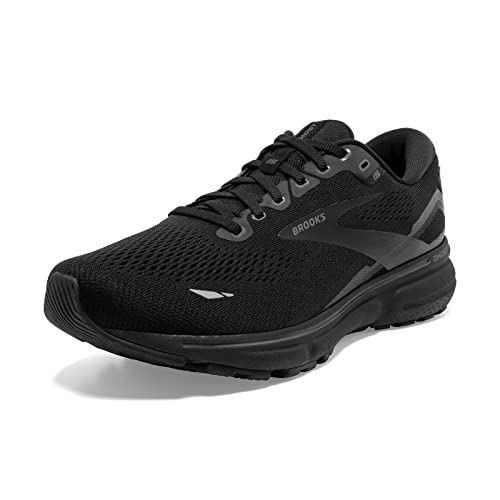
Brooks Ghost 15 Neutral Running Shoe

Brooks Launch 8 Neutral Running Shoe

adidas Ultraboost 20 Running Shoes
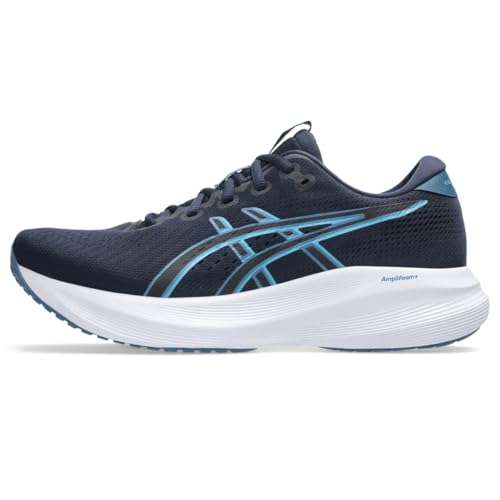
ASICS Gel-Excite 11 Running Shoes
ALTRA Experience Flow 2 Road Running Shoe

ALTRA Torin 8 Road Running Shoe

New Balance Women’s Ellipse

ALTRA Experience Wild 2 Trail Running Shoe
A Deeper Look At The Lineup
The Brooks Ghost 15 has earned a quiet reputation as the kind of shoe you forget you’re wearing. It’s a neutral daily trainer, meaning it sits between correction and barefoot philosophy, supporting natural foot motion for runners who don’t overpronate (roll the ankle inward) heavily. In real-world use, that translates to a shoe that handles a Tuesday 5K the same way it handles a Sunday long loop, without fuss.
Compared to the launch 8 below, the Ghost 15 reads softer and more protective underfoot. If your miles are mostly paved and you want one shoe that disappears on the foot, this is a sensible anchor for the list. Bright colorways are widely available for runners who want visibility on early-morning streets.
Practical Advantages
- Neutral platform suits runners without heavy inward rolling
- Versatile enough for easy runs, walks, and gym sessions in a single shoe
- Smooth, well-cushioned midsole holds up across long weekly mileage
- Engineered mesh upper breathes well for warm-weather running
- Widely stocked in high-visibility colorways that suit low-light runs
Things To Consider
- It runs a touch warm in humid summer conditions, a common observation among owners
- Heavier than tempo-oriented picks like the launch 8 for racing-style efforts
- Sizing can run slightly narrow for runners with wider feet
Feature Snapshot
Who It Suits Best
Neutral runners logging steady weekly mileage on pavement who want a forgiving, no-drama trainer.
Consider Something Else When
Runners chasing a snappier, faster feel for tempo work will find the Brooks Launch 8 a livelier match.
The Brooks Launch 8 takes the same neutral philosophy as the Ghost 15 and trims the cushion down a step. The result is a faster, lighter shoe that still feels stable underfoot. Think of it as the Ghost’s quicker sibling, built for days when you want your legs to turn over with a little more snap.
For runners adding short hill repeats or tempo runs to a weekly routine, the Launch 8 gives you that responsive ride without jumping all the way to a racing flat. It’s also a comfortable everyday pick for people who simply prefer a nimbler feel.
Real-World Strengths
- Lightweight construction feels quick underfoot
- Neutral geometry suits a wide range of foot strikes
- More affordable tier within the Brooks lineup
- Breathable mesh upper handles daily training well
Honest Caveats
- Less cushion depth than the Ghost 15 for very long runs
- Some colorways have sold out repeatedly, so availability can be patchy
- Not as plush for recovery-day walking as thicker trainers
Quick Facts
Made For
Runners who mix easy miles with tempo sessions and want a single shoe that handles both without feeling heavy.
Look Elsewhere When
Someone prioritizing soft cushioning for long, slow distance will be happier with the adidas Ultraboost 20.
The adidas Ultraboost 20 is the soft, energetic option in this lineup. Boost cushioning (adidas’s proprietary foam that compresses and springs back) gives every step a springy, return-you-forward feel, while the knit upper wraps the foot in a sock-like fit. For runners who want their shoe to feel like a small reward, this is a strong choice.
Where the Ghost 15 feels workmanlike and the Launch 8 feels sprightly, the Ultraboost 20 feels plush. It shines on long runs and recovery days, when tired legs appreciate a generous midsole. The knit upper also stretches to accommodate a wider range of foot shapes, which matters for runners who struggle with narrow lasts.
Where It Excels
- Springy Boost foam softens impact and adds energy return
- Knit upper flexes naturally with the foot for a custom feel
- Elastane heel allows comfortable Achilles movement
- Bright colorways are core to the Ultraboost lineup
Minor Gripes
- Sits at the higher tier of typical running shoe pricing
- Knit upper absorbs water in wet conditions, so drying time matters
- Stack height feels tall for runners who prefer a grounded ride
Right Fit For
Runners who log long, easy miles and want a cushioned, comfortable shoe that doubles as a casual lifestyle pick.
Swap It Out When
Trail seekers will be better matched by the ALTRA Experience Wild 2, which adds grippy lugs for off-road terrain.
The ASICS Gel-Excite 11 lands on the accessible end of the spectrum, which makes it the right place to start for new runners. An engineered jacquard mesh upper (a patterned knit woven on a special loom for structure and airflow) keeps the shoe light and breathable, while the GEL cushioning system in the midsole absorbs impact under the heel. For short jogs and walk-run programs, it covers the basics comfortably.
Compared to the adidas Ultraboost 20, the Gel-Excite 11 feels firmer and less energetic, but it costs considerably less. The polyester-based construction is straightforward and easy to wipe clean, which helps if your runs often cross dusty paths or grassy parks.
Useful Touches
- GEL technology softens heel strike on impact
- Jacquard mesh upper balances airflow with structure
- Lace-up closure provides a locked-in midfoot feel
- Polyester lining and insole are easy to maintain
Some Limits To Know
- Not built for high-mileage training, so longevity caps around moderate use
- Firmer ride than premium cushioned options like the Ultraboost 20
- Limited arch support for runners needing structured guidance
Feature Card
Built With In Mind
Beginners and casual joggers who want a reliable, approachable shoe without a steep entry price.
A Better Fit Elsewhere
Runners who want a more energetic, springy ride should step up to the adidas Ultraboost 20.
The ALTRA Experience Flow 2 stands out for two design choices that change how a shoe feels. First, the foot-shaped toe box gives your toes room to splay naturally instead of squeezing them together. Second, the zero-drop platform (heel and forefloor sitting at the same height, mimicking barefoot standing) keeps your stride closer to a natural foot position rather than tilting you forward on a raised heel.
Runners who have switched to ALTRA often describe the ride as more connected to the road, with less interference between foot and pavement. For pavement miles, the Experience Flow 2 is a comfortable, roomy trainer that rewards runners willing to adapt to its geometry.
Points In Its Favor
- Foot-shaped toe box relieves pressure on wider forefeet
- Zero-drop platform encourages a midfoot strike for many runners
- Roomy enough for runners who find standard lasts too narrow
- Bright colorways make it easy to pair visibility with form
Points To Keep In Mind
- Zero-drop geometry takes adjustment for runners used to elevated heels
- Not built for trails, so off-pavement use is limited
- Less energy return underfoot than Boost-cushioned picks
Whose Shelf It Belongs On
Runners with wider feet or anyone curious about a more natural, lower-offset ride on the road.
Reach For A Different Pick When
Trail-bound runners should pick the ALTRA Experience Wild 2, which adds the lugs and grip needed for dirt.
The ALTRA Torin 8 takes the brand’s signature zero-drop geometry and softens the ride with a thicker midsole. Compared to the Experience Flow 2 above, the Torin 8 reads more cushioned and protective, making it a better pick for runners who want ALTRA’s natural shape without feeling every chip in the sidewalk.
It works well as a long-mile trainer for anyone who prefers a relaxed, roomy toe box and a lower heel-to-toe offset (the difference in cushion stack height between heel and forefoot). For runners transitioning from a traditional shoe, the Torin 8 is often the easier entry point into the zero-drop world.
Positive Points
- Generous cushioning softens pavement impact over long runs
- Zero-drop platform keeps stride mechanics more natural
- Foot-shaped toe box reduces pinching and blisters
- Stable base suits heel strikers easing into the brand
Small Caveats
- Stack height takes getting used to for runners from traditional trainers
- Less responsive than thinner, race-leaning shoes
- Some colorways move in and out of stock quickly
Feature Card
Best Suited To
Runners who want a cushioned, natural-shape shoe for long road miles and aren’t ready to commit to a racing-flat feel.
Another Choice May Suit
Runners wanting a snappier everyday shoe for shorter efforts will prefer the Brooks Launch 8.
The New Balance Women’s Ellipse is built around Fresh Foam X, New Balance’s plush midsole compound that compresses softly and bounces back energetically. That combination gives the shoe a noticeable spring under the forefoot, which makes everyday miles feel less like a chore and more like a rhythm you want to maintain.
An engineered mesh upper keeps the foot cool during warm runs, and the platform feels stable enough for everything from early-morning commutes to longer weekend loops. The Ellipse slots in nicely between the Brooks Ghost 15’s workmanlike reliability and the adidas Ultraboost 20’s plush energy, leaning toward the bouncier end of that comparison.
Useful Highlights
- Fresh Foam X cushioning balances softness with energy return
- Engineered mesh upper breathes well on warm days
- Stable platform handles varied everyday mileage
- Bright colorways are part of the standard release lineup
Factors To Consider
- Stack height feels tall for runners who prefer a grounded ride
- Colorway availability can be inconsistent across sizes
- Less specialized for trails than dedicated off-road models
Perfect Match For
Runners logging varied weekly mileage on pavement who want one comfortable, lively shoe to handle most of it.
Where A Sibling Pick Shines
Runners who want a wider toe box and zero-drop feel will find the ALTRA Experience Flow 2 a more natural-shape alternative.
The ALTRA Experience Wild 2 takes the brand’s signature foot-shaped toe box and zero-drop geometry off the road and onto dirt. Trail running shoes use lugs (rubber bumps on the outsole) to bite into loose surfaces, and this one carries enough grip to handle fire roads, packed singletrack, and the occasional rocky scramble without feeling clunky.
Where the road-focused Experience Flow 2 above feels smooth and quick, the Wild 2 trades a bit of that pavement efficiency for stability on uneven ground. Runners who mix road and trail in a single week, or who simply prefer one shoe that handles both, will appreciate the versatility.
Positive Takeaways
- Trail-ready outsole grips loose dirt and gravel
- Roomy toe box protects toes on rocky descents
- Zero-drop geometry keeps stride consistent between road and trail
- Bright colorways aid visibility on shaded paths
Practical Considerations
- Heavier than the road-only Experience Flow 2 due to tougher outsole rubber
- Trail lugs can feel clunky on smooth pavement
- Less cushioned than max-stack road trainers for very long runs
Who Should Grab It
Runners who split their miles between pavement and trail and want one shoe with the grip to handle both.
Not Your Match When
Pavement-only runners will be better served by the smoother, lighter Brooks Ghost 15 or the New Balance Ellipse.
How To Pick The Right Pair For Your Routine
The bright colorway is the easy part. The harder question is whether the shoe underneath it actually fits how you run. Start with the surface you’ll spend the most time on. Dedicated road runners will be happiest in shoes with smoother outsoles and breathable uppers, while trail runners need lugs and a more protective upper to handle rocks and roots. The eight picks above split cleanly between those two lanes, with one option (the Experience Wild 2) bridging both.
Next, think about geometry. Traditional running shoes stack extra cushion under the heel, which tilts you forward slightly and suits runners who land heel-first. Zero-drop shoes like the ALTRA Experience Flow 2, Torin 8, and Experience Wild 2 keep heel and forefoot level, which feels more natural but takes adjustment. Pick the offset that matches your current comfort level rather than chasing an idealized version of your stride.
Cushioning depth is the third lever. Plush, max-stack options like the adidas Ultraboost 20 and the New Balance Ellipse feel soft and forgiving on long runs. Firmer, lower-stack options like the Brooks Launch 8 feel quicker and more responsive for shorter efforts. There’s no right answer, only the answer that matches the kind of running you do most weeks.
Practical Pointers Before You Commit
Where Shoppers Go Wrong
Chasing a colorway without checking fit is the most common stumble. Bright colorways are fun, but they should ride on a shoe that fits your foot first. Runners new to a brand often grab their usual size without testing, then find the toe box is either too narrow or too roomy. Reading fit notes, comparing last shapes (the molded form a shoe is built around) across brands, and checking return policies before lacing up saves frustration later. A second common trap is buying a road shoe for trail miles or vice versa, then wondering why grip or cushioning disappoints.
What Separates Premium From Basic
The jump from entry-level to premium running shoes shows up in three places: midsole compounds, upper construction, and outsole rubber. Premium foams like Boost and Fresh Foam X return more energy per stride and hold their cushioning longer. Knit and engineered mesh uppers breathe better and flex more naturally than basic polyester builds. Higher-grade outsole rubber grips more reliably and resists wear over higher mileage. None of that matters if the shoe doesn’t fit your foot, so treat premium upgrades as a step up only after the basics are right.
Frequently Asked Questions
What makes a running shoe bright?
Bright running shoes use high-visibility colorways in neon or fluorescent shades to improve visibility in low-light conditions, especially during early-morning or evening runs.
Are zero-drop shoes harder to run in?
Zero-drop shoes can feel unfamiliar at first because the heel sits level with the forefoot, which changes how weight distributes through the foot. Most runners adapt within a few weeks of shorter runs.
How often should running shoes be replaced?
Most road running shoes hold up well for several hundred miles before cushioning and outsole grip begin to decline. Trail shoes may wear out faster depending on terrain.
Can I run trails in road shoes?
Light trails are manageable in road shoes, but loose dirt, rocks, and roots call for trail-specific outsoles with deeper lugs for safer footing.
Do I need different shoes for different runs?
Not necessarily. Many runners use one versatile pair for most miles and rotate in a specialty shoe for racing or trails. Matching the shoe to the dominant use case is usually enough.
The Takeaway
Bright women’s running shoes don’t need to be louder than they are functional, and the eight pairs above show how varied that combination can look in practice. Match the shoe to the surface, the offset to your stride, and the cushion to your weekly mileage, and the color choice becomes the easy, enjoyable part. Pick the pair that fits your real routine, and the miles tend to follow.