Hitting the trail without overspending on footwear is a real balancing act. Cheap hiking shoes often sacrifice grip, dry feet, or support, while the priciest pairs can feel like overkill for a casual weekend loop. I put together this list of eight affordable options that still cover the basics well: solid traction, decent protection, and a fit that holds up over a few seasons of regular use.
The Picks In Brief

Columbia Men’s Firecamp Boot

KEEN Jasper Zionic Sneakers
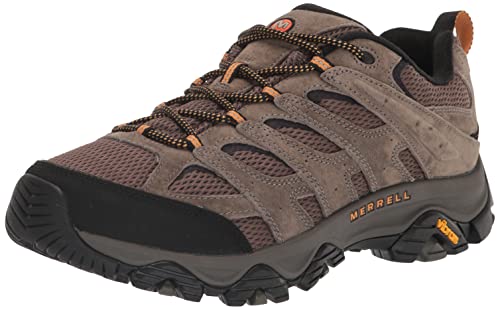
Merrell Men’s Moab 3 Hiking Shoe

Merrell Men’s All Out Blaze Aero Sport Hiking Water Shoe

Columbia Men’s Transverse Hike Waterproof

ROCKY Men’s Outback GORE-TEX Waterproof Hiking Boots

Columbia Men’s Benson Sneakers
UBFEN Womens Barefoot Shoes Minimalist Zero Drop
Meet The Standout Selections
The Columbia Firecamp Boot sits in that warm-and-capable zone where casual hikers land when they want a single pair that handles leaf-covered autumn trails and snowy winter sidewalks without a clunky mountaineering build. The low-bulk insulation adds warmth without turning each step into a workout, which matters on long days when your feet generate plenty of their own heat.
Plush cushioning softens rocky approaches, and Columbia offers the boot in multiple colors and sizes for an easy match. Compared with the lighter KEEN Jasper Zionic that comes later in the list, this is a proper boot rather than a sneaker hybrid, so it trades casual styling for better weather protection.
Well-Handled Touches
- Low-bulk insulation keeps feet warm without excessive weight on longer treks.
- Plush cushioning reduces fatigue over uneven, root-strewn terrain.
- Multi-sport construction handles cold-weather day hikes and casual town wear in a single shoe.
- Multiple color and size options make finding a personal fit straightforward.
Trade-Offs To Weigh
- Insulation can run warm on shoulder-season hikes above 50 degrees Fahrenheit.
- Boot height feels bulky for ultralight backpackers prioritizing weight savings.
Right Fit For
Hikers tackling cold-weather day loops or shoulder-season trips who want one boot that pulls double duty on snowy trails and winter sidewalks.
Swap It Out When
Warm-weather backpackers get better mileage from the Merrell Men’s Moab 3 Hiking Shoe, which runs cooler and lighter in summer conditions.
KEEN built the Jasper Zionic for the person who wants a hiking shoe that looks at home at a coffee shop after a trail loop. The bold colors and suede leather upper give it personality that pure trail shoes usually lack, and the technical tread keeps grip honest on packed dirt or gravel paths.
The athletic materials and certified better leather construction add everyday durability, so the shoe handles light hikes, travel days, and city walks without falling apart after one season. Compared with the insulated Firecamp Boot that opened this list, the Jasper Zionic is a sneaker-shoe hybrid built for warmer weather and dressier occasions.
Practical Pluses
- Suede leather upper blends trail function with a casual silhouette for daily wear.
- Technical tread grips gravel, dirt, and uneven sidewalks with confidence.
- Certified better leather construction reflects sourcing practices shoppers increasingly ask about.
- Bold color options give the shoe a personality that stands out on the trailhead.
Less-Strong Areas
- Suede upper needs more care than synthetic mesh after wet or muddy hikes.
- Lacks the ankle support of a true boot for rocky or uneven backcountry terrain.
Quick Technical Notes
Built With In Mind
Travelers, weekend hikers, and anyone who wants a single shoe that handles a trail loop and a casual dinner without a wardrobe change.
Reach For A Different Pick When
Backcountry hikers tackling multi-day routes get more protection from the ROCKY Men’s Outback GORE-TEX Waterproof Hiking Boots later in this roundup.
The Moab line has earned a long track record among hikers who want a shoe that feels comfortable from the first mile, and version 3 pushes that reputation further. Merrell built this latest iteration around a more supportive insole and a softer midsole, two changes that show up most on rocky descents where tired feet need every bit of cushioning they can get.
For day hikers tackling varied terrain, the grippy outsole holds steady on wet roots and loose gravel. Compared with the KEEN Jasper Zionic reviewed just above, the Moab 3 is a dedicated trail shoe with less fashion appeal and considerably more trail substance.
The Upside
- New supportive insole reduces foot fatigue during longer trail days.
- Softer midsole cushions rocky descents better than the previous Moab generation.
- Out-of-the-box comfort removes the break-in period many hikers dread.
- Grippy outsole handles wet roots, loose gravel, and uneven dirt with confidence.
Some Limits To Know
- Standard mesh upper dries slowly after stream crossings or heavy rain.
- Heavier than minimalist alternatives for ultralight backpackers.
Who It Suits Best
All-purpose day hikers logging varied terrain who want a comfortable, dependable shoe that handles most trails without specialized features.
Where Another Pick Suits Better
Water-focused hikers get a quicker-drying build from the Merrell Men’s All Out Blaze Aero Sport Hiking Water Shoe reviewed next.
The All Out Blaze Aero Sport is what hikers reach for when trail reports mention creek crossings or shallow river fords. The breathable mesh upper drains fast and dries quickly, so soggy feet are not a multi-hour problem the way they become with traditional hiking shoes.
Synthetic overlays add structure to keep the foot stable on uneven ground, and the Omni-Fit lacing system lets hikers dial in a precise fit without pressure points. Compared with the Moab 3 reviewed just above, this shoe trades all-weather protection for amphibious versatility.
Useful Touches
- Breathable mesh upper drains and dries quickly after water crossings.
- Synthetic overlays add lateral stability on uneven, rocky creek beds.
- Heel pull loop makes the shoe easier to pull on at the trailhead after socks get wet.
- M Select FRESH odor-fighting treatment helps the shoe stay wearable on multi-day trips.
Worth Bearing In Mind
- Mesh construction feels cooler in cold weather than waterproof alternatives.
- Bellows tongue may need occasional clearing of debris after dusty or sandy hikes.
Feature Snapshot
Perfect Match For
Hikers tackling stream-heavy routes, canyon trips, or any terrain where wet feet are a regular part of the day.
Not Your Match When
Late-fall hikers in cold climates get better warmth and weather protection from the Columbia Men’s Firecamp Boot.
The Transverse Hike Waterproof is the practical answer for hikers who would rather not think about rain, mud, or puddles. Columbia’s waterproof-breathable construction keeps water out while letting heat escape, which matters on uphill climbs where sweat builds faster than the weather cools.
The leather build adds durability against trail debris, and responsive cushioning holds up over long miles without breaking down mid-season. Compared with the Merrell All Out Blaze Aero Sport reviewed earlier, this shoe is fully waterproof rather than quick-drying, so each design suits a different kind of wet trail.
Good Reasons To Consider
- Waterproof-breathable membrane keeps feet dry through rain, mud, and shallow puddles.
- Durable leather upper resists abrasion from rocks, roots, and trail debris.
- Responsive cushioning maintains comfort across long days without compressing quickly.
- Lightweight build avoids the bulky feel some waterproof boots carry.
Honest Caveats
- Waterproof membrane reduces breathability in hot, dry summer conditions.
- Leather requires occasional conditioning to stay supple over multiple seasons.
Who Should Grab It
Hikers in rainy regions or anyone who plans to log muddy shoulder-season miles and wants dry feet without a heavy mountaineering boot.
A Better Fit Elsewhere
Hot-weather hikers get cooler feet from the KEEN Jasper Zionic, which skips waterproofing entirely in favor of a breathable suede upper.
ROCKY designed the Outback GORE-TEX for hikers who treat trail time as work, not a casual weekend pastime. The boot combines a rugged build with a relatively lightweight feel, so long days on rough terrain don’t leave feet dragging by the final mile.
The GORE-TEX liner brings serious waterproofing that holds up through stream crossings, while the overall construction handles both casual and demanding outdoor situations. Compared with the Columbia Transverse Hike reviewed just above, this boot feels more rugged and is built for rougher backcountry mileage.
What Pays Off
- GORE-TEX waterproof membrane handles prolonged wet conditions without leaking.
- Lightweight build minimizes fatigue during multi-hour backcountry treks.
- Rugged construction stands up to rocky, brushy, and uneven terrain.
- Versatile profile handles both casual walks and tougher trail demands.
Possible Compromises
- Boot height feels heavier than low-cut hiking shoes for casual day trips.
- Stiffer build needs a short break-in period before reaching full comfort.
Best Suited To
Backcountry hikers and outdoors enthusiasts who want a boot that handles rough terrain and extended mileage without babying it.
Skip It When
Casual walkers and travel-focused shoppers will find the Columbia Men’s Benson Sneakers lighter and easier on short trail loops.
The Columbia Benson is the entry-level answer for hikers who want Columbia’s build quality without the heavier boot profile. The low-cut sneaker silhouette keeps weight down, which matters on casual trail loops where bulky boots feel like overkill for a two-hour walk.
Columbia Sportswear brings its outdoor heritage to a shoe that handles pavement, gravel, and easy dirt trails without issue. Compared with the ROCKY Outback GORE-TEX reviewed just above, the Benson skips the heavy-duty build in favor of a casual, everyday-friendly profile.
Standout Benefits
- Low-cut sneaker profile keeps weight low for casual day hikes and travel days.
- Columbia brand heritage offers reliable construction at a friendlier entry price.
- Versatile styling works for errands, walks, and light trail loops in one shoe.
- Simpler construction means less break-in time for first-time hiking shoe shoppers.
Where It May Fall Short
- Lightweight build offers less ankle support for rocky or uneven terrain.
- Not designed for serious backcountry mileage or technical trail features.
Whose Shelf It Belongs On
Beginner hikers, casual walkers, and travelers who want an affordable Columbia shoe for easy trails and everyday wear.
Consider Something Else When
Serious day hikers tackling rough terrain will find the Merrell Men’s Moab 3 Hiking Shoe a more capable all-purpose pick.
The UBFEN barefoot shoes bring a different philosophy to trail footwear, one that prioritizes natural foot movement over plush cushioning. A zero-drop platform means the heel sits at the same height as the forefoot, which encourages a more grounded stride and better posture over long walking sessions.
The flexible rubber outsole bends with the foot rather than fighting it, while the wide toe box gives toes room to spread naturally. Compared with the Merrell Moab 3 reviewed earlier, this shoe offers the opposite experience: minimalist feel instead of structured cushioning, and a different kind of trail comfort entirely.
Everyday Advantages
- Zero-drop platform encourages natural posture and a more grounded stride.
- Ultra-flexible outsole bends with the foot for barefoot-like ground feedback.
- Wide toe box gives toes room to spread, reducing pressure on long walks.
- Minimalist construction lightens the load for travel and everyday wear.
Practical Considerations
- Minimal cushioning may feel uncomfortable on rocky terrain without a break-in period.
- Zero-drop design requires adjustment for hikers used to traditional heel lift.
Made For
Walkers, light hikers, and curious shoppers interested in barefoot-style footwear who want a shoe that supports natural foot movement on easy trails.
Look Elsewhere When
Traditional hikers wanting structured cushioning get a more familiar fit from the Merrell Men’s Moab 3 Hiking Shoe earlier in this list.
What Matters Most Before Choosing Budget Hiking Shoes
Match the Shoe to the Trail, Not the Hype
A trail-friendly budget pick starts with the terrain hikers actually log most often. Smooth dirt paths and gravel roads forgive lightweight builds, while rocky trails reward grippier outsoles and stiffer midsoles. The Merrell Moab 3 leans toward versatility, the KEEN Jasper Zionic toward lighter mixed-use, and the ROCKY Outback toward rougher ground. Picking the shoe that matches the terrain saves money and prevents early wear.
Weather Changes the Shortlist
Rain and snow change everything about how a shoe performs. Waterproof membranes like the ones in the Columbia Transverse Hike and ROCKY Outback keep feet dry but trade breathability, while quick-drying mesh shoes like the Merrell All Out Blaze Aero Sport handle water crossings but feel cold in winter. Hikers in damp climates benefit from waterproof builds; hikers in dry heat often prefer breathable mesh.
Fit Wins Over Spec Sheets
Even the most capable hiking shoe fails when the fit is wrong. A wide toe box, secure heel lock, and lacing system that distributes pressure matter more than any single material. Hikers with narrow feet should test lacing systems carefully, while shoppers with wider feet find the UBFEN barefoot-style shoe and similar wide-toe designs more comfortable out of the box.
Build Quality Still Matters at Lower Prices
Budget-friendly hiking shoes can last multiple seasons when construction holds up, but cheap glue joints and thin soles wear out faster. Leather uppers like the Columbia Transverse generally outlast synthetic mesh in rough conditions, though they cost a bit more and need occasional conditioning. Hikers logging weekly miles should prioritize build quality over saving a few dollars at the start.
Smart Buying Advice For Budget Hiking Shoe Shoppers
Common Buying Traps To Avoid
The most common trap is choosing a waterproof shoe for hot, dry trails, where breathability matters more than weather protection. Shoppers also underestimate the value of trying shoes on later in the day when feet are slightly swollen, or skipping the break-in period that stiffer boots need before long hikes. Buying based purely on look rather than intended terrain is another mistake, since casual sneakers handle pavement better than rocky ascents.
When Spending Up Actually Pays Off
Higher-priced hiking shoes typically buy better outsoles, tougher midsole foams that resist compression, and stronger waterproof membranes that hold up over multiple seasons. Hikers logging weekly mileage get more value from upgraded midsoles because cheaper foams pack out faster. For occasional weekend hikes, the savings on budget picks usually make more sense than stretching for premium builds.