Stepping under a heavy bar for the first time in flat-soled sneakers is the moment most lifters realize their everyday kicks were never built for the job. I wrote this roundup for anyone starting a lifting routine at home, training in a garage gym, or coming back to barbell work without wanting to drop a fortune on a single pair of shoes.
The Essentials At A Glance
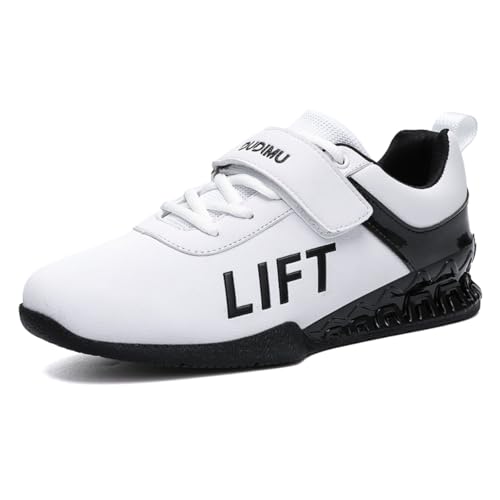
ABXOX Weightlifting Shoes for Men Women

adidas Men’s Adipower Weightlifting II

RBEUT Weight Lifting Shoes for Men

Nordic Lifting Venja Weight Lifting Shoes

AOLEXWU Men’s and Women’s Weightlifting Shoes

Nordic Lifting MEGIN Deadlift Shoes

AIRHAS Men’s Barefoot Minimalist Sneakers

adidas Powerlift 5 Weightlifting Shoes
Why These Options Stand Out
The ABXOX shoes make sense as a starter pair for someone stepping under a barbell for the first time. Their arch and heel support gives newer lifters a sense of contact with the floor, which is the part most people underestimate until a heavy squat wobbles them sideways.
Compared with the adidas options later in this list, the ABXOX feels more forgiving out of the box. The non-slip outsole keeps feet planted on rubber gym flooring, and the sizing covers both men’s and women’s ranges starting around 6.5 men’s and 8 women’s, so households sharing shoes have a real shot at a good fit.
Points In Its Favor
- Arch and heel support helps newer lifters feel grounded during squats.
- Non-slip sole grip reduces foot slide on polished gym platforms.
- Broad size range, including half sizes that fit many foot shapes.
- Versatile enough for both heavy lifting sessions and light accessory work.
Trade Offs To Consider
- The midsole compresses more than dedicated Olympic lifting shoes, so powerlifters moving max weights may want a stiffer platform.
- Long-term durability of the upper stitching gets mixed reports after months of heavy use.
Who Should Grab It
A beginner who trains three to four times a week at home or in a commercial gym and wants supportive footwear without committing to a flagship price.
Skip It When
The AOLEXWU Men’s and Women’s Weightlifting Shoes offer a lower entry cost for shoppers focused purely on casual squats and deadlifts.
The Adipower II sits at the heavier end of a budget-focused roundup, and the price tag reflects the engineering underneath. Its rigid midsole is built to resist compression, which matters when you set up for a max-effort clean or front squat and need the floor to push back rather than sink.
Where the ABXOX leans toward entry-level support, this adidas leans toward lifters who already know what an elevated, locked-in heel feels like. The lace closure with a hook-and-loop strap layers the lockdown, and the breathable woven upper keeps heat moving during longer sessions.
Positive Takeaways
- Non-compressing midsole gives a stable base for heavy singles and doubles.
- Hook-and-velcro strap plus laces create a layered, customizable fit.
- Woven textile upper breathes well during high-output sets.
- Resale value stays strong in the secondary lifting market.
Points To Keep In Mind
- The elevated heel geometry can feel awkward for shoppers used to flat sneakers.
- Woven uppers scuff on rough garage gym floors over time.
Feature Snapshot
Whose Shelf It Belongs On
A competitive strength athlete logging multiple squat sessions per week who values heel geometry and lockdown over absolute lowest price.
A Better Fit Elsewhere
The adidas Powerlift 5 delivers the same brand stability at a noticeably lower price for daily gym-goers who don’t need a woven upper.
RBEUT builds the kind of shoe that earns its keep during deadlift days. The rubber non-slip sole spreads the load across the entire foot, so pulling heavy from the floor doesn’t punish the midfoot the way some flat sneakers do.
Where the Nordic Lifting MEGIN we will look at later leans toward squat geometry, this pair keeps the heel close to the ground. For shoppers whose training splits revolve around hinge movements and low-bar squats, that ground connection is honestly the feature that matters most.
The Value In It
- Rubber sole lays flat for maximum force transfer off the floor.
- Reinforced toe area handles repeated contact with rubber bumper plates.
- Cleans up well after chalk-heavy sessions with a simple wipe-down.
Small Caveats
- The low heel can feel cramped for lifters with limited ankle mobility during high-bar squats.
- Sizing runs narrower than some competing options, so wide-footed shoppers may want to size up.
Built With In Mind
A raw powerlifter focused on conventional deadlifts and low-bar squats who values ground feel over heel elevation.
Reach For A Different Pick When
The Nordic Lifting MEGIN Deadlift Shoes serve lifters who prefer an elevated heel for squat depth over a flat pull setup.
The Venja fills a sweet spot for Crossfit-style programming where one workout might chain a clean into a set of pistols. Its slightly raised heel stays versatile enough for both Olympic pulls and overhead squats, while the strap lockdown keeps the foot centered during box jumps.
Compared with the more single-purpose RBEUT deadlift shoe, the Venja accepts a wider range of movements. The unisex sizing, down to a women’s 8.5 and men’s 7, makes it a workable pick for couples sharing a single shoe rotation in a home gym.
What Works In Its Favor
- Mid-height heel balances squat depth and pulling off the floor.
- Single strap cinches the midfoot during dynamic WOD-style work.
- Unisex size range simplifies gifting or shared home gym setups.
- Construction handles accessory circuits beyond pure barbell work.
A Few Limitations
- Outsole grip can feel slick on chalk-dusted lifting platforms.
- Stock runs through fit cycles that affect availability.
Made For
A Crossfit enthusiast whose sessions rotate between barbell lifts and metabolic conditioning and wants one shoe that does both reasonably well.
Look Elsewhere When
The ABXOX Weightlifting Shoes offer a comparable beginner feel for shoppers who need arch support more than heel height.
The AOLEXWU lands here for lifters who care more about getting a workable pair on their feet than chasing brand cachet. Its non-slip outsole and cross-training orientation cover squats, deadlifts, and the kind of accessory circuits that fill the rest of a session.
This sits well below the ABXOX in price, and the trade-off shows up in materials rather than the core function. Casual home gym owners who train three days a week will get real mileage out of the design without paying for woven uppers or premium strap systems.
Useful Highlights
- One of the lower price points in the roundup for budget-minded shoppers.
- Non-slip outsole handles everyday lifting and accessory work.
- Unisex design fits a range of household training setups.
Honest Caveats
- Build quality lands below the Nordic Lifting and adidas pairs in long-term durability.
- Less ankle support than dedicated heeled shoes for deep squats.
Right Fit For
A casual home gym owner focused on general strength training who values price over advanced lifting features.
Swap It Out When
The Nordic Lifting Venja makes sense for shoppers ready to spend a bit more for a more versatile heel height and a stronger strap system.
The MEGIN splits the difference between a true deadlift shoe and a squat shoe, which is exactly what most home gym lifters need. The elevated heel improves squat depth for lifters with average ankle mobility, while the non-slip sole keeps pulls honest off the floor.
Where the RBEUT earlier in this list hugs the floor for pure hinge work, the MEGIN adds heel height that pays off during high-bar squats and pause work. Sizing runs from women’s 8.5 / men’s 7 up through women’s 9.5 / men’s 8, and many shoppers report the fit runs slightly snug in the toe box.
Strong Points
- Elevated heel helps lifters achieve squat depth without compromising posture.
- Non-slip sole grips lifting platforms and rubber flooring.
- Construction supports both squat and deadlift training in one shoe.
- Versatile enough to handle programmed strength blocks and accessory lifts.
Trade-Offs To Consider
- Toe box runs narrow for wide-footed shoppers, sometimes requiring a half size up.
- Higher heel geometry is not ideal for sumo deadlift specialists.
Quick Facts
Best Suited To
A lifter who splits sessions between squats and deadlifts and wants one shoe that handles both without compromise.
Where A Sibling Pick Shines
The AIRHAS Men’s Barefoot Minimalist Sneakers offer a zero-drop alternative for shoppers who prefer flat ground contact for deadlifts.
The AIRHAS barefoot sneaker takes the opposite approach from everything else in this roundup. Zero drop means no heel elevation, and the anatomical toe box lets toes splay the way they would in a deadlift stance, which matters more than people expect when the bar gets heavy.
For deadlift-focused lifters who dislike the feel of an elevated heel under their squats, this minimalist design reads as a “no shoe” alternative that still has grip and structure. It also doubles as a walking shoe outside the gym, which is a nice fringe benefit for shoppers splitting time between training and errands.
Strengths Worth Knowing
- Zero-drop sole keeps the foot flat for natural pulling mechanics.
- Anatomical toe box lets toes spread for better deadlift grip on the floor.
- Lightweight build works for warm-ups, mobility drills, and casual wear.
- Lower price point than most dedicated lifting shoes on this list.
Worth Bearing In Mind
- The flat geometry limits ankle support during deep front squats.
- Minimal cushioning can feel harsh on concrete garage gym floors.
Who It Suits Best
A deadlift-focused lifter who prefers ground feel over heel elevation and wants a versatile shoe for training and casual wear.
Consider Something Else When
The Nordic Lifting MEGIN makes more sense for shoppers who want heel elevation to support squat depth on dedicated squat days.
The Powerlift 5 is the workhorse of the adidas lifting line. No woven upper, no flashy colorways, just a stable heel and a strap that locks the foot down for squats. For shoppers who want brand-name reliability without the Adipower price tag, this is the usual go-to.
Compared with the ABXOX and AOLEXWU at the entry end of this list, the Powerlift 5 brings noticeably more heel structure. That extra rigidity helps lifters chasing depth on high-bar squats, and the simpler upper construction tends to hold up better through months of chalk and sweat than some budget alternatives.
Good Reasons To Consider
- Stable platform supports heavy squat and bench work in one shoe.
- Strap lockdown keeps the foot centered under load.
- adidas sizing tends to fit consistently across production runs.
- Lower price than the Adipower II for shoppers who don’t need a woven upper.
Points To Note
- Synthetic upper runs warmer than the woven Adipower design.
- Limited color selection compared with flagship adidas models.
Perfect Match For
A lifter running a daily strength program who wants a no-frills, reliable shoe from a known brand at a manageable price.
Not Your Match When
The adidas Adipower Weightlifting II is the upgrade path for shoppers who want breathable woven uppers and a more refined strap system.
Picking The Right Pair For Your Training Style
Match The Shoe To Your Main Lift
Most home gym lifters spend 60 to 80 percent of their barbell time on squats and deadlifts. Shoes with an elevated heel, like the Nordic Lifting MEGIN or the adidas Adipower II, reward lifters who squat deep and need help getting there. Flat or zero-drop options like the AIRHAS barefoot sneaker or the RBEUT keep lifters closer to the floor, making them a better match for conventional pulls and sumo deadlifts where ground feel matters more than depth. Cross-training days call for a versatile middle, which is where the Nordic Lifting Venja earns its place.
Pay Attention To Sole Rigidity And Heel Geometry
A stiff sole transfers force from the floor through the leg without energy loss, which is the whole point of dedicated lifting shoes. Softer midsoles feel comfortable for walking but compress under a heavy squat. Heel geometry also shapes squat mechanics: a higher heel tilts the torso more upright, which can help lifters with limited ankle mobility, while a flat heel keeps the lifter closer to the ground for hinge-based movement.
Fit And Sizing Matter More Than Spec Sheets
Wide feet need a roomy toe box, narrow feet need a snug lockdown, and any shoe with a heel should be tried on with the socks you actually train in. Sizing varies wildly across budget brands, so shoppers should expect a break-in period and pay attention to return policies before committing. A pair that fits perfectly out of the box tends to outlast one that always felt slightly off, even if the materials look identical on paper.
Things To Weigh Before You Commit
Pitfalls Shoppers Hit
Budget weightlifting shoes often look similar on the product page, so it’s tempting to grab whichever pair is cheapest. The catch is that build quality shows up in midsole compression, strap stitching, and outsole grip, all of which matter under load. A sole that flattens after a month of squats turns a “budget” pair into wasted money.
Where The Extra Money Goes
Stepping up to a mid-tier pair like the adidas Powerlift 5 or the Nordic Lifting Venja typically buys a stiffer midsole, a more reliable strap system, and tighter quality control. Premium options like the adidas Adipower II add breathable woven uppers and competition-grade heel geometry. The upgrade pays off most for lifters who train four or more days a week and push near-max loads regularly.
Frequently Asked Questions
Do budget weightlifting shoes really make a difference?
Yes, even an entry-level pair gives a flatter, firmer platform than running shoes, which compress under load and throw off squat mechanics.
Can I deadlift in the same shoes I squat in?
Many lifters do, but pure deadlifters often prefer flat shoes or zero-drop minimalist sneakers for ground feel.
How long should a pair of lifting shoes last?
Most budget pairs hold up well for one to three years of regular training, depending on how often you train and what surfaces you work on.
Do I need a heel if I have good ankle mobility?
Not strictly, but an elevated heel still helps many intermediate lifters find a stable, upright torso in the hole.
Are unisex sizing options accurate for women?
They can be, though women often need to drop a full size compared with men’s conversion charts, depending on foot width.
Closing Remarks
The right pair of budget weightlifting shoes comes down to the lifts you do most and the fit that lets you focus on the bar instead of your feet. Start with the movement that matters most to your training, pick the geometry that supports it, and let the rest of the shoe fall into place from there.