I spend a lot of time thinking about what makes a great pair of carpenter boots, and the honest answer is that the right pair depends entirely on how and where you work. Some days I’m kneeling on subfloor in a cold garage, other days I’m trudging through a muddy build site, and the boots I reach for shift with the task. This roundup gathers six solid options spanning heavy-duty waterproof builds, kid-friendly snow boots for the future carpenter in your life, and a few dependable workhorses that handle framing, finish, and general site work without complaint. The goal here is simple: help you find a pair that fits the way you actually work, not the way a spec list looks on paper.
Your Options, Compared

Burton Kids’ Mini Grom Snowboard Boots

Carhartt Boys Rugged Flex Canvas Work Pants
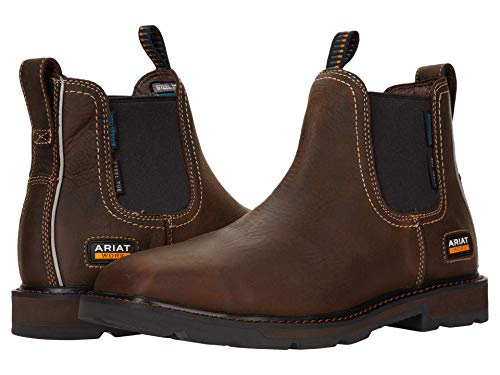
ARIAT Work Groundbreaker Chelsea Steel Toe

SUREWAY Men’s 6″ Soft Toe Moc Toe Boots
SUREWAY Men’s 6″ Heavy Duty Work Boot
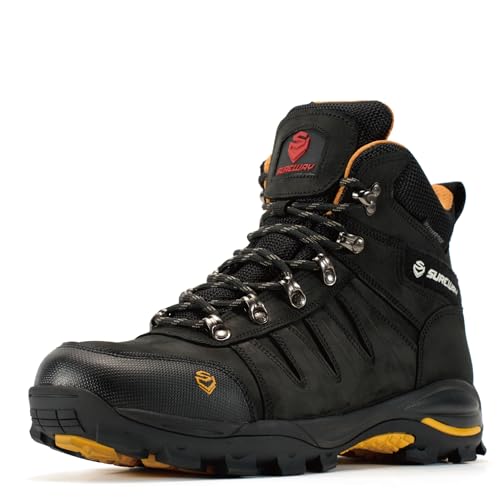
SUREWAY 6″ EH-Rated Waterproof Work Boots
The Picks, Examined More Closely
I’ll be honest, the Burton Mini Grom isn’t a traditional carpenter boot, but it earns its spot here for parents outfitting a young rider headed toward a life of boards and beams. The soft flexing upper shell is built around learn-to-ride comfort, meaning a kiddo who’s still figuring out heel-to-edge control gets a forgiving fit that won’t fight back.
For weekend snow trips and backyard sled hills, this is the kind of boot a child can wrestle on themselves, which matters more than parents expect. Compare that to the heavier work-focused picks later in this roundup; those are built for adults grinding through long days, while the Mini Grom is purpose-built for small feet learning the basics.
What Works In Its Favor
- Oversized hook-and-loop straps let small hands tighten boots without grown-up help
- 3M Thinsulate insulation adds warmth without bulk, so kids stay comfortable on cold chairlift rides
- Snow-proof internal gusset seals out powder and slush from the lower boot
- Durable synthetic leather backstand holds up to repeated falls and tumbles
- Soft flex pattern forgives sloppy stance, ideal for first-day riders
Worth Noting
- Not waterproof in the technical sense; the gusset handles snow, but submersion will soak through
- Sizing runs narrow, so wider kid feet may need to size up
- Lacks any toe protection, fine for snow play, risky around sharp tools or rough terrain
Right Fit For
Young riders ages two to five learning to snowboard or just spending cold weekends outside, where easy on-off matters more than heavy-duty construction.
Skip It When
You’re shopping for actual workshop footwear; the ARIAT Work Groundbreaker Chelsea is purpose-built for carpenters who need steel-toe protection on the jobsite.
Another kid-leaning pick, but I include the Carhartt Rugged Flex Canvas pant because real carpentry isn’t just boots; it’s the whole kit, and a hard-working kid who helps dad in the shop needs gear that keeps up. The Rugged Flex stretch canvas moves with a child climbing ladders or kneeling on subfloor, instead of binding at the knee.
Like the Burton boots above, this is a piece meant to introduce a young person to the trade. The trade-off is that canvas breathes well but won’t shed a sudden rain shower the way a waterproof work pant would. For indoor projects, woodworking classes, or after-school shop sessions, it’s a sensible pick that won’t fall apart after a season.
Real-World Strengths
- Rugged Flex stretch fabric allows squatting and kneeling without pulling at the waist
- Reinforced utility pockets hold screwdrivers, pencils, and small squares securely
- Canvas breathes better than denim in warm shop conditions
- Carhartt’s construction reputation means seams tend to survive rough wear
Honest Caveats
- Canvas isn’t waterproof, so outdoor projects in wet weather call for a rain layer
- Sizing skews slim; ordering up helps for kids who’ll grow mid-season
Feature Snapshot
Made For
Active kids helping with weekend projects, woodworking class, or junior shop programs where flexibility matters more than heavy weather protection.
Reach For A Different Pick When
An adult needs real work pants; the SUREWAY boots below cover the footwear side, but for grown-up shop apparel, look beyond this list to men’s canvas options.
The ARIAT Groundbreaker Chelsea is where this roundup shifts from kid gear to real carpenter boots. This is the pair I think about when framing interior walls, hanging doors, or trimming out a kitchen. The Chelsea pull-on design trades laces for elastic side panels, which means no fumbling at the bottom of a dark stairwell, and the steel toe protects against dropped tools and 2x4s that always find feet.
Compare this to the SUREWAY moc toe pick later in the list; the Groundbreaker leans into protection and waterproofing, while SUREWAY’s moc-toe option prioritizes break-in comfort. For framing crews and remodelers who deal with unpredictable weather, the waterproof build here is genuinely useful, though the steel toe adds weight that some finish carpenters may not love during long days of trim work.
Notable Upsides
- Steel toe cap meets jobsite protection needs where dropped lumber is a daily risk
- Wide square toe box gives toes room to splay during long days on hard concrete
- Waterproof construction handles wet framing sites and morning dew on lumber
- Chelsea slip-on style saves time on job sites with frequent entry and exit
- ARIAT’s brand reputation leans toward all-day comfort in work-specific lasts
Trade Offs
- Steel toe adds noticeable weight, tiring during marathon trim-out days
- Chelsea stretch panels can wear out faster than traditional lace eyelets
- Initial break-in period is firmer than softer-toe competitors in this list
Best Suited To
Carpenters and framers who need reliable steel-toe protection, work in variable weather, and prefer slip-on convenience over traditional lacing.
A Better Fit Elsewhere
The SUREWAY Men’s 6″ Heavy Duty Work Boot is a smarter match if you want similar durability with a slightly different profile and the option of soft-toe comfort for lighter tasks.
SUREWAY’s moc-toe soft toe work boot lands here because it’s the kind of pair I think DIYers and finish carpenters reach for when steel toe protection isn’t mandatory. The moc toe stitch creates a wider, more relaxed forefoot, which matters during long days of sanding, painting, and detail work where toe splay reduces fatigue.
The soft toe trade-off is real: no protection from dropped chisels or rolling lumber, so this isn’t the boot for a framing crew. But for home workshops, barn wood projects, and light commercial finish work, it’s a comfortable, easy-to-break-in option that wears more like a hiking boot than a heavy industrial workhorse.
Useful Strengths
- Moc toe construction offers more forefoot room than standard work boots
- Soft toe profile breaks in faster, comfortable from day one for most wearers
- Leather upper ages into a personalized fit over time
- Six-inch shaft height protects ankles on uneven shop floors without restricting motion
Points To Keep In Mind
- No steel or composite toe, so it won’t satisfy jobsite safety rules where toe protection is required
- Leather needs conditioning to stay supple, especially after wet work
Quick Facts
Whose Shelf It Belongs On
DIY remodelers, finish carpenters, and homeowners tackling weekend builds who don’t need toe protection but want real work-boot construction.
Swap It Out When
The job site requires safety-toe compliance; the ARIAT Work Groundbreaker Chelsea delivers the steel-toe protection this soft-toe pick skips.
The SUREWAY Heavy Duty Waterproof Work Boot earns its name honestly, because this is the pair I’d grab for a muddy pour day, a snowy deck build, or any framing job where the forecast can’t be trusted. The slip-resistant outsole is the unsung hero here; wet plywood and fresh lumber create slippery conditions that catch even careful workers off-guard.
Compared to the ARIAT Groundbreaker covered earlier, this SUREWAY model leans harder into weather protection and traction. Where it falls short is in refinement; the build is straightforward and workmanlike, without the brand heritage some carpenters prefer. For a working contractor who treats boots like tools, that’s actually the point.
Points In Its Favor
- Waterproof construction keeps feet dry through wet framing and morning dew
- Slip-resistant outsole reduces risk on slick lumber, fresh concrete, and wet leaves
- Leather upper handles scuffs, scrapes, and rough jobsite abuse
- Removable insole allows replacement or orthotic swap for custom comfort
- Heavy-duty build suits demanding trade environments
Factors To Consider
- Heavier build adds fatigue over multi-hour days of detail work
- Leather care matters; skipping conditioner shortens waterproof life
- Stiffer sole feels clunky on ladders compared to softer moc-toe options
Feature Rundown
Who Should Grab It
Carpenters working outdoors year-round, contractors in wet climates, and anyone tired of soggy socks on rainy jobsite days.
Consider Something Else When
You’re doing indoor finish work most of the time; the SUREWAY Soft Toe Moc Toe covered above is lighter and more forgiving on smooth floors.
SUREWAY’s Professional 6″ EH-Rated boot rounds out this roundup with the most feature-dense work boot in the bunch. EH (electrical hazard) rated means the sole and heel resist electric shock, which matters for carpenters working around live wiring during remodel jobs or service panel upgrades. Full-grain leather is the headline material, and in practical terms, it outlasts split leather by years under heavy use.
What I appreciate is that this boot doesn’t try to be a lightweight hiking shoe. It commits to being a serious work boot, with oil and slip resistance layered into the outsole. For commercial carpenters who log eight-hour days on industrial sites, that commitment pays off. For weekend DIYers, it may feel like overkill.
Standout Benefits
- Full-grain leather upper delivers long-term durability against abrasion and moisture
- EH rating protects against electrical hazards on commercial jobsites
- Oil and slip-resistant outsole handles shop floors, driveways, and lumber yards
- Waterproof build pairs with the leather to keep feet dry in messy conditions
- Available in soft or steel toe variants for different safety requirements
Practical Considerations
- Premium materials command a higher price tier than entry-level options
- Stiffer out of the box, full break-in can take a week of daily wear
- Heavier than casual work boots, so light-duty tasks feel overbuilt
At A Glance
Built With In Mind
Professional carpenters, electricians, and commercial tradespeople who need EH-rated protection plus the durability of full-grain leather for daily jobsite wear.
Look Elsewhere When
Budget is the primary concern or jobs don’t require electrical hazard protection; the SUREWAY Heavy Duty Work Boot covers similar weather protection at a friendlier tier.
What To Weigh Before Picking Carpenter Boots
Toe protection is the first fork in the road. Steel and composite toe caps guard against dropped lumber and rolling tools, but they add weight and reduce break-in comfort. Soft toe boots feel lighter and more flexible, which finish carpenters often prefer for detail work, but they leave feet exposed on rough framing sites. Match the toe type to your daily reality, not the worst-case scenario you’ll rarely face.
The next call is waterproofing. If you spend most days inside a finished space, waterproof construction adds cost without much payoff. Carpenters framing outdoor decks, building pole barns, or working through Pacific Northwest winters need waterproof membranes to stay dry across long days. The same goes for the outsole: oil and slip resistance matter on commercial sites with wet floors and oily sawdust, but they feel overbuilt in a residential garage.
The third factor is the closure system. Lace-up boots let you fine-tune fit across the instep, which helps if you have a high arch or wide foot. Chelsea pull-on boots trade that adjustability for speed, since you can step in and out without unlacing. Pull tabs at the back of Chelsea boots make the difference between a quick step-in and a wrestling match at the door.
Finally, think about outsole geometry. Lugged outsoles grip soft dirt and mud, while flatter outsoles feel smoother on finished concrete and laminate floors. For a carpenter splitting time between job sites and finished interiors, a moderate lug pattern balances both worlds without committing hard to either.
Smart Choices Across The Lineup
Where Shoppers Go Wrong
The most common slip-up I see is buying boots a half-size too small because the salesperson insists work boots should fit snug. In practice, carpenter boots need about a thumb’s width of toe room to prevent bruised toenails during downhill squats on ladders. Another trap is ignoring break-in time. Brand-new full-grain leather boots feel stiff for a week, and owners who give up too soon never reach the comfort phase that makes them worth the price.
When Paying More Pays Off
Higher-tier boots earn their price through leather grade and construction method. Full-grain leather, like that on the SUREWAY Professional, resists abrasion far better than corrected-grain alternatives. Goodyear welt construction (where the upper is stitched to a leather strip that’s then stitched to the sole) lets a cobbler resole the boot when the outsole wears through, extending life by years. For someone working full-time in the trade, that resole-ability saves money over a decade of heavy use.
Frequently Asked Questions
What makes carpenter boots different from regular work boots? Carpenter boots often feature a lower heel, moc toe construction, and flexible soles that handle both ladder work and kneeling on hard surfaces.
Do I really need steel toe boots for carpentry? Steel toe protection matters most on framing sites with falling lumber, but finish carpenters often skip it for the comfort savings on detail-heavy tasks.
How should carpenter boots fit? Aim for about a thumb’s width of room in front of the longest toe, with snug but not tight instep and heel hold.
Are waterproof carpenter boots worth it? For outdoor framing, deck building, and wet-climate work, waterproofing is genuinely useful; for shop-only work, it adds cost without much benefit.
How do I care for leather carpenter boots? Brush off debris after each use, condition the leather monthly with a quality conditioner, and store on boot trees to maintain shape as they dry.
Closing Thoughts
The right carpenter boots come down to honest self-assessment: where you work, what hazards you face, and how much break-in time you can tolerate. The picks above run from kid-friendly snow boots to professional EH-rated workhorses, and somewhere in that spread sits the right pair for your next project. Trust the fit, commit to the break-in, and your feet will thank you across hundreds of jobsite days.