Slipping into a pair of barefoot-style shoes for the first time can feel oddly strange, like stepping onto a cloud after years of wedged, cushioned sneakers. The wider toe box lets your foot spread naturally, and the flat, zero-drop sole keeps your heels and forefoot on the same level. Plenty of people want that sensation without giving up the everyday styling of a casual sneaker or boat shoe. That’s where this lineup comes in: seven pairs that look friendly enough for coffee runs and errands, but feel closer to walking barefoot on a forest floor.
A Closer Look At The Lineup

CIVHOM Men’s Extra Wide Toe Box Barefoot Sneakers

OluKai Nohea Moku Men’s No Tie Boat Shoes

Reebok Men’s Classic Nylon V1

WHITIN Men’s Wide Barefoot Sneakers W81

SAGUARO Men’s & Women’s Wide Toe Box Zero-Drop Trail Running
WHITIN Men’s Barefoot Minimalist Cross-Trainer W63
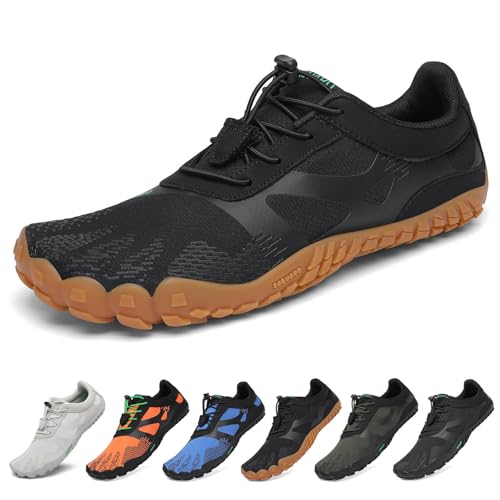
SAGUARO Barefoot Shoes Men’s & Women’s Hiking Trail
The Picks, Examined More Closely
Anyone whose feet have spent years crammed into pointy casual shoes will immediately notice the difference here. The toe box stretches wide enough for natural toe splay, which matters if you’ve ever felt the sides of your forefoot ache after a long day. The build aims at versatility, with a non-slip outsole that handles gym floors, light trail stretches, and city sidewalks without complaint.
Compared to the OluKai boat shoe in the next slot, this one reads more like a sneaker than a deck silhouette, so it pairs naturally with jeans and activewear. For wide-footed shoppers tired of squeezing into standard lasts, the spacious fit alone is the headline feature.
What Pays Off
- Wide toe box accommodates natural foot splay and reduces forefoot pressure
- Lightweight construction keeps long days on your feet from feeling punishing
- Breathable upper helps feet stay cooler in warm or active conditions
- Non-slip outsole grips well on gym floors and damp sidewalks alike
- Crossover styling works for casual outfits and active wear
Things To Consider
- Snug instep fit may feel restrictive for high-volume feet
- Casual styling leans athletic, so dressier outfits may clash
- Lightweight mesh upper can show scuffs faster than leather pairs
Who It Suits Best
Shoppers with wide feet who want a single shoe for gym sessions, weekend errands, and light trail walks.
Skip It When
The Reebok Classic Nylon V1 suits you better if you want a retro silhouette that pairs with everyday casual wear without the athletic look.
This pair blends the slip-on ease of a boat shoe with the breathable mesh that barefoot-style fans appreciate. Instead of laces, the no-tie construction lets you slide in and out without bending down to tie knots, which is genuinely useful on wet dock days or quick beach runs.
Quick-dry mesh matters more than people expect: a surprise rain shower won’t leave you squishing around in soggy leather for hours. Compared to the CIVHOM sneaker above, this pick trades the wide toe box for a more traditional boat shoe silhouette, so it’s a stylistic alternative rather than a direct swap.
Bright Spots
- No-tie design slips on and off effortlessly for grab-and-go mornings
- Breathable mesh keeps feet cool in humid summer weather
- Quick-dry materials handle splashes and light rain without long drying times
Room For Improvement
- Toe box is less generous than minimalist barefoot options
- Boat shoe styling limits versatility beyond coastal or casual outfits
- Mesh upper may show wear faster than full-leather alternatives
Made For
Coastal commuters and weekend travelers who want a barefoot-friendly shoe that still looks at home near the water.
Consider Something Else When
The WHITIN W81 works better if you want a true wide toe box with the casual sneaker styling that pairs with everyday outfits.
The Classic Nylon V1 carries Reebok’s heritage in a package that has barely changed since the late seventies. That consistency is the point: you’re getting a silhouette that’s been quietly stylish for decades and slots into casual outfits without much thought. The nylon upper keeps things breathable enough for daily wear.
Where this shoe differs from the rest of the list is its heritage runner DNA. It’s not a minimalist barefoot shoe in the strict sense, but its flatter sole and roomy forefoot make it a friendlier option than many modern athletic sneakers. For shoppers who want retro character first and minimalist feel second, this delivers.
Features That Help
- Iconic retro silhouette that pairs with denim, chinos, and casual fits
- Nylon upper offers breathability for daily wear
- Low-profile sole keeps the foot closer to the ground
Honest Caveats
- Not a true zero-drop or wide toe box minimalist shoe
- Classic styling may feel dated to shoppers preferring modern looks
- Lacks the grippy outsole of dedicated trail options
Feature Snapshot
Best Suited To
Casual dressers who want a heritage silhouette that transitions from coffee runs to relaxed evenings.
Look Elsewhere When
The WHITIN Cross-Trainer W63 fits better if minimalist flexibility and a true wide forefoot matter more than retro style.
The W81 sits squarely in the casual minimalist zone, with a wide toe box that lets toes settle into their natural positions. For anyone spending long hours on their feet at home or out running errands, that spread-out feel reduces the cramped sensation that traditional sneakers can create by mid-afternoon.
Compared to the CIVHOM at the top of this list, this WHITIN leans even further toward the barefoot philosophy. The W81 prioritizes toe splay and a relaxed fit over the more structured athletic look, so it works best for casual wear rather than gym performance.
Real Benefits
- Wide toe box encourages natural foot positioning during all-day wear
- Minimalist build keeps the foot close to a barefoot walking experience
- Casual styling pairs with everyday outfits
Small Caveats
- Less structured than athletic-focused sneakers
- Minimal cushioning may feel harsh on hard pavement for some wearers
- Wide fit may look loose on narrow feet
Right Fit For
Shoppers transitioning into minimalist footwear who want an easy everyday shoe for walking, lounging, and light activity.
A Better Fit Elsewhere
The SAGUARO Trail Running option serves you better if you want a unisex minimalist shoe with a touch more trail readiness.
SAGUARO’s trail running entry reads as a true minimalist shoe built for outdoor use. Zero drop means the heel and forefoot sit at the same height, which encourages a midfoot strike during walks or runs. The wide toe box matches the barefoot philosophy of letting toes spread naturally with each step.
This pair covers both men’s and women’s sizing, which widens the audience for households sharing one listing. It’s a practical crossover between the casual W81 and something more rugged, especially when weekend trail loops come into play.
Points In Its Favor
- Zero-drop sole promotes a natural midfoot stance
- Unisex sizing works for shared household purchases
- Trail-capable outsole handles dirt paths and park loops
- Wide toe box matches barefoot-style foot positioning
Points To Note
- Minimal cushioning can feel thin on long pavement stretches
- Trail-focused look may seem too rugged for office outfits
Quick Facts
Who Should Grab It
Active shoppers who split time between casual errands and weekend trail sessions and want one shoe to cover both.
Swap It Out When
The OluKai Nohea Moku suits you better if coastal styling and slip-on convenience outweigh trail grip.
The W63 takes the barefoot formula and adds enough versatility to handle light cross-training without abandoning the minimalist foundation. The flexible sole bends naturally with foot movement, which is the kind of detail that matters during bodyweight workouts or agile gym sessions.
Think of this as the working cousin to the W81: similar wide forefoot philosophy, but with a slightly more athletic construction. For shoppers who want one shoe for casual days and quick gym stops, that balance is genuinely useful.
What It Does Well
- Flexible sole moves naturally with foot articulation during workouts
- Wide toe box supports barefoot-style foot positioning
- Cross-training versatility covers gym, walking, and casual wear
Practical Considerations
- Lacks the rugged grip of dedicated trail shoes for serious outdoor terrain
- Minimalist cushioning can feel thin on hard surfaces for extended periods
Details At A Glance
Whose Shelf It Belongs On
Active minimalist shoppers who want one shoe that handles gym days, walks, and casual outfits without compromise.
Reach For A Different Pick When
The CIVHOM Extra Wide Toe Box Barefoot Sneakers fit better if you need even more forefoot room for naturally wide feet.
This SAGUARO hiking entry pushes the barefoot concept toward more demanding outdoor use. The zero-drop construction stays consistent with the minimalist philosophy, while the hiking-focused build adds enough durability for uneven trails. For casual hikers who want barefoot feel without sacrificing traction, that’s an appealing middle ground.
Against the SAGUARO trail runner earlier in this list, the hiking version leans slightly more rugged in build. It still works for casual everyday wear, but it shines brightest when dirt paths and rocky stretches are part of the weekly routine.
What Stands Out
- Zero-drop sole maintains barefoot-style alignment on uneven terrain
- Hiking-focused construction handles trails and rugged outdoor use
- Unisex sizing covers both men’s and women’s shoppers
- Wide toe box accommodates natural foot spread during long walks
Factors To Consider
- More rugged styling may feel excessive for purely urban wear
- Minimal cushioning can tire feet on long pavement sections
- Trail-ready outsole lugs may track dirt indoors more than smooth-soled picks
Built With In Mind
Casual hikers and weekend adventurers who want barefoot-style alignment with enough grip for uneven paths.
Where A Sibling Pick Shines
The WHITIN W81 works better if you want a simpler minimalist sneaker focused on relaxation and casual everyday wear.
What Matters Most When Picking Casual Barefoot Shoes
Toe Box Shape and Foot Splay
The toe box is the single biggest difference between barefoot-style shoes and traditional sneakers. A wide, foot-shaped front lets your toes spread the way they do when you’re walking barefoot on a flat surface, which can reduce pressure on the forefoot over long days. Narrow, pointed toe boxes do the opposite: they squeeze toes together, which may lead to discomfort during extended wear. Shoppers with naturally wide feet often notice the benefit immediately, while narrow-footed shoppers may find the extra room feels loose at first.
Sole Drop and Stack Height
Sole drop (the height difference between heel and forefoot) and stack height (how thick the sole is overall) define how close to the ground your foot sits. Zero-drop shoes keep the heel and forefoot level, encouraging a more natural gait. Thinner soles transmit more ground feedback, which barefoot-style fans appreciate, while thicker soles add cushioning but reduce that connection. The trade-off comes down to how much ground sensation you want versus how much padding you need.
Activity Match and Outsole Grip
Casual barefoot shoes span a wide range, from relaxed sneakers to trail-ready builds. Smooth outsoles work fine for pavement and indoor floors, while lugged outsoles grip dirt paths and uneven terrain better. Matching the outsole to your main activity prevents the frustration of slipping on a wet trail or wearing down a road-only shoe on rocky ground. A trail-rated pair may feel excessive for desk workers, while a road-only shoe can feel limiting for active outdoor shoppers.
Materials and Breathability
Mesh uppers keep feet cooler during warm weather and active days, while synthetic or leather blends offer more structure and durability. Breathable mesh can show scuffs faster, but it also dries quicker after splashes. For shoppers in hot climates or those prone to sweaty feet, breathability often outweighs the durability trade-off.
Key Considerations Across These Picks
Mistakes Worth Dodging
One common slip-up is assuming all barefoot-style shoes fit true to size. The wider toe box often means you need a half size down from your standard sneaker size to avoid heel slippage. Another trap is choosing a trail-ready shoe for purely urban wear: the lugged outsole collects dirt and feels clunky on smooth floors. Always check the activity classification before committing.
When Paying More Pays Off
Higher-tier barefoot shoes typically use more durable rubber compounds, reinforced stitching, and breathable engineered meshes that last longer under heavy rotation. For shoppers wearing minimalist shoes daily or on long walks, that build quality reduces the frequency of replacement. For occasional weekend wear, a simpler construction often serves just as well.
Frequently Asked Questions
Are barefoot shoes good for casual everyday wear?
Yes, especially models with wider toe boxes and modest cushioning. They tend to feel comfortable for errands, coffee runs, and walking-heavy days.
Do I need to size differently in barefoot shoes?
Often yes. Many casual barefoot shoes run slightly long to accommodate the wider toe box, so a half size down from your standard sneaker size is a common starting point.
Can I use barefoot shoes for light gym workouts?
Several picks in this list handle light cross-training, bodyweight sessions, and treadmill walking well. For heavy lifting or serious runs, dedicated athletic models usually fit better.
How long does it take to adjust to barefoot shoes?
A gradual break-in over one to two weeks helps most feet adapt. Short daily sessions and alternating with your usual shoes at first reduces soreness.
Are barefoot shoes okay for people with foot pain?
Comfort varies widely by individual. Anyone with ongoing foot pain should consult a qualified professional before switching primary footwear.
Final Verdict
The right pair depends on where your feet spend most of their time. Wide-footed shoppers gravitate toward the CIVHOM and WHITIN pairs, while coastal dressers appreciate the OluKai’s quick-dry convenience. Retro style fans find their match in the Reebok Classic Nylon V1, and outdoor enthusiasts can lean on either SAGUARO option. Try a few pairs with a gradual break-in, and let your feet guide the final choice.