I have spent years talking to nurses, surgical techs, dental hygienes, and lab staff about what makes a clog worth wearing through a twelve-hour shift. The right pair cushions tired feet, grips wet hospital floors, and slips off fast during a code. The wrong pair leaves you limping by lunch. I put these six options together because each one solves a slightly different problem, from lightweight foam slip-ons to leather mules that clean up nicely outside of scrubs.
A Snapshot Of The Selections

Crocs Unisex Classic Clog

Kushionstock Leather Big Buckle Mule

Crocs Unisex-Adult Baya Clog

Dansko Women’s Britney Clog
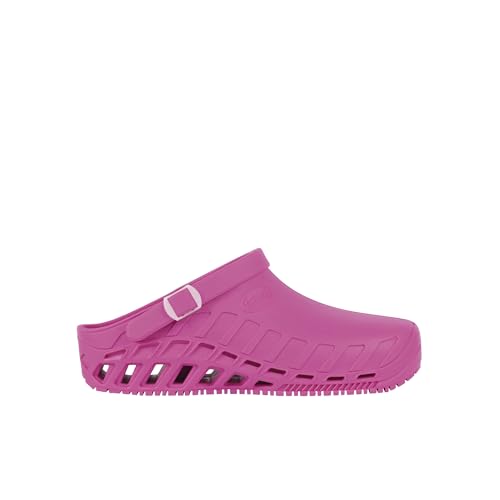
Dr. Scholl’s Evo Unisex Clog
Sticky Waterproof Non-Slip Clog
The Picks, Examined More Closely
The Crocs Classic is the clog most hospital staff reach for first, and for good reason. Its closed-cell resin construction keeps the shoe light enough that feet don’t feel weighed down during back-to-back rounds. The roomy fit gives toes space to splay naturally, which matters when you’re standing for hours in a cramped OR or charting at a standing desk.
Backless slip-on design also makes it fast to kick off at the end of a shift or pull on during a quick break. For anyone new to clog-style work shoes, this is a sensible starting point.
Strengths Worth Knowing
- Lightweight build reduces leg fatigue on twelve-hour shifts
- Slip-on shape lets you kick them off fast at the door
- Easy to rinse clean after spills or splashes
- Roomy toe box accommodates swelling during long days
- Neutral unisex sizing fits a wide range of feet
Things To Consider
- No heel strap by default, so they can catch on pedals or cart edges
- Foam material breathes well but can feel cool in air-conditioned units
Key Specs
Built With In Mind
Nurses, techs, and newer staff who want a forgiving everyday clog and don’t mind adding a heel strap accessory.
Where Another Pick Suits Better
For wet kitchens and prep areas, the Sticky Waterproof Non-Slip Clog offers a sealed upper and grippier outsole.
This mule breaks away from the foam-clog crowd with a genuine leather upper and a statement buckle across the vamp. It looks at home in a private practice, dental office, or aesthetic clinic where patients see your shoes. The leather also tends to age gracefully compared to foam slip-ons.
For medical professionals split between scrubs and business-casual settings, this is the pair that bridges both worlds.
The Helpful Details
- Genuine leather upper holds shape and wipes clean with a damp cloth
- Big buckle adds visual interest without sacrificing slide-on ease
- Dressier silhouette pairs with both scrubs and casual workwear
Worth Noting
- Leather breaks in slowly, so the first few wears can feel stiff across the instep
- Not built for heavy splash zones where waterproofing matters most
- Styling leans fashion-forward, which may not fit every uniform policy
Best Suited To
Clinicians in private practice or consulting settings who want a leather clog that looks pulled-together.
Reach For A Different Pick When
The Dansko Women’s Britney Clog suits anyone who needs stain-protected nubuck with adjustability.
The Baya takes the Classic Clog shape and adds more aggressive side ventilation, which I notice most in humid environments. The extra ports help feet breathe and let water drain if you step into a spill. It’s a small change that matters in labor and delivery, hydrotherapy, or any setting where floors are frequently wet.
For staff who overheat easily or walk through wash-down areas daily, the airflow is the main reason to choose it over the Classic.
Where It Delivers
- Advanced ventilation helps feet stay cooler during long shifts
- Same lightweight resin build as the Classic Clog
- Open ports drain water and debris quickly
- Unisex sizing covers most foot shapes
Points To Note
- More holes mean less insulation in cold units
- Heel still slides freely without a separate strap accessory
Feature Snapshot
Right Fit For
Staff working in warm, humid, or splash-heavy clinical areas who want extra breathability.
Not Your Match When
The Dr. Scholl’s Evo Unisex Clog is the smarter choice for those prioritizing a cushioned footbed over ventilation.
The Britney blends the easy slide of a mule with the secure fit of a Mary Jane, thanks to an adjustable buckle strap. That strap matters more than people expect: it keeps the clog locked to your heel when you’re moving fast between exam rooms. The nubuck upper is treated with a stain-resistant finish, which is a quiet relief on a shift full of betadine splashes.
Compared to the Kushionstock Leather Big Buckle Mule, this option prioritizes adjustability and clinical function over fashion styling.
Reasons It Performs
- Adjustable buckle keeps the clog snug during fast movement
- Stain-resistant nubuck finish handles everyday splashes
- Lightweight EVA outsole softens each step
- Mary Jane silhouette reads polished in patient settings
Honest Caveats
- Nubuck needs occasional brushing to keep its texture
- Higher coverage means less airflow than ventilated foam clogs
- Women-specific last won’t suit every foot width
Whose Shelf It Belongs On
Nurses and clinicians in patient-facing roles who want a secure, stain-resistant clog that still looks tidy.
Consider Something Else When
The Crocs Unisex Classic Clog is the better pick for anyone prioritizing airy, water-friendly comfort.
Dr. Scholl’s leans into its heritage with the Evo, a unisex clog that focuses on cushioned underfoot support. The brand has decades of foot-comfort research behind it, and the Evo’s footbed reflects that lineage. It’s a solid pick for anyone whose feet ache by mid-shift or who logs heavy miles across a large campus.
The unisex fit also makes it easy to share between staff in a department that pools spare shoes for new hires.
Useful Strengths
- Cushioned footbed reduces fatigue during long standing shifts
- Unisex design works across mixed-team environments
- Slip-on shape speeds up break-time changes
Trade Offs
- Style is utilitarian rather than dressy, limiting crossover use
- Detailed construction specifics can vary between production runs
Quick Facts
Who Should Grab It
Medical professionals who prioritize cushioned comfort over styling and want a unisex fit.
A Better Fit Elsewhere
The Kushionstock Leather Big Buckle Mule suits anyone wanting genuine leather with a more refined look.
The Sticky clog is built for the messy reality of hospital kitchens, dietary service, and sanitization-heavy departments. Its waterproof upper keeps feet dry through spills and washdowns, while the non-slip outsole grips slick tile and polished concrete. Where the Crocs Classic focuses on airy foam, this one prioritizes sealing out liquids.
For anyone working where floors stay wet or greasy for most of the shift, the trade-off in breathability is worth it.
Everyday Advantages
- Waterproof upper keeps feet dry through spills and splashes
- Non-slip outsole grips wet and greasy floors
- Wipes clean with a quick rinse at the end of the shift
- Work-focused design suits food service and sanitization roles
- Closed upper offers more foot coverage than ventilated foam clogs
Things To Weigh
- Waterproof build reduces airflow compared to ventilated options
- Heavier than foam clogs, which can tire some feet faster
- Work-focused styling may not appeal outside of uniform settings
Core Details
Made For
Kitchen staff, dietary aides, and anyone in splash-heavy departments who need waterproof, grippy footwear.
Look Elsewhere When
The Crocs Unisex-Adult Baya Clog is the better pick for warm, humid clinical settings where airflow matters more than waterproofing.
What Matters Most Before Choosing Clogs For Medical Professionals
H3 Slip Resistance And Outsole Grip
Slip resistance is the first thing to look at, especially in hospitals and clinics where polished floors meet routine spills. A clog’s outsole should have textured tread and a wide contact patch so it grips smooth tile when wet. Foam clogs tend to have softer soles that wear faster on abrasive floors, while rubber-based outsoles hold their grip longer. Anyone working in dietary service, OR suites, or emergency departments should weight grip above almost everything else.
H3 Cushioning And Footbed Support
Standing on hard surfaces for ten to fourteen hours compresses joints and fatigues arches quickly. Look for clogs with molded footbeds that support the arch rather than just pad the heel. Some designs use EVA, a lightweight foam that absorbs shock, while others use layered cushioning for more rebound. The right choice depends on whether you need soft sink-in comfort or firmer support that fights fatigue.
H3 Cleanability And Material
Medical settings involve fluids, and lots of water mean shoes need to clean up easily. Closed-cell materials, like Croslite resin or sealed synthetic uppers, wipe down fast and resist absorbing odors. Leather looks polished but needs more care, including occasional conditioning. Nubuck with stain-resistant treatments sits between the two, handling splashes without demanding constant maintenance.
H3 Fit, Coverage, And Closure Style
Backless slip-ons are quick but can catch on foot pedals or fall off during sudden moves. Heel straps or Mary Jane buckles keep the clog locked in place for active roles. Coverage matters too: closed toes protect from dropped sharps, while perforated uppers breathe better in warm settings. Match the clog’s coverage and closure to your actual workflow, not just your preference.
Common Shopping Slip Ups And What The Upgrade Buys
H3 Wrong Turns To Avoid
Choosing a clog based on looks alone is a familiar trap, especially for staff entering private practice for the first time. A leather mule looks elegant but may lack the grip or cushioning needed for long standing hours. Skipping slip-resistance specs because a shoe feels grippy in a dressing room is another miss; soles perform differently on wet polished tile than on carpet. Finally, ignoring break-in time leads to sore feet in week one. Plan for at least a few shifts of adjustment, particularly with leather or nubuck styles.
H3 When Paying More Pays Off
Higher-tier clogs tend to invest in better footbed engineering, durable outsole compounds, and stain-resistant treatments that extend the shoe’s working life. The extra cost shows up over months, not days, as cheaper foam pairs compress and lose grip. For staff logging five shifts a week, the upgrade usually pays back through fewer replacements and less foot pain. Anyone working in wet or high-fluid settings should weigh that long-term math carefully before saving a few dollars upfront.
Frequently Asked Questions
H3 Are clogs better than sneakers for medical shifts?
Clogs slip on and off faster, which helps during codes or quick breaks, and they clean up easier than fabric sneakers. Sneakers with athletic soles can offer more cushioning, but they absorb fluids and take longer to dry. Most hospital staff find a clog with a cushioned footbed strikes the right balance for full shifts.
H3 Should medical clogs have a heel strap?
A heel strap or secure back keeps the clog locked in place during fast movement, which matters in OR, ED, and pediatric settings where you pivot often. For quieter roles with less sudden motion, a backless clog is usually fine. The choice comes down to how often you sprint, pivot, or climb stairs during a shift.
H3 How do I clean medical clogs without damaging them?
For foam and resin clogs, a quick rinse with mild soap and water handles most messes, followed by air drying away from direct heat. Leather and nubuck benefit from a damp cloth and occasional brush, plus a leather conditioner for longer life. Avoid harsh bleach or machine washing unless the manufacturer specifically allows it.
H3 Can I wear the same clogs in food service and clinical areas?
Cross-contamination rules vary by facility, so check your employer’s policy first. Some departments require dedicated pairs and color coding between clinical and kitchen zones. The Sticky Waterproof Non-Slip Clog is built for both settings, but specific workplace rules always take priority.
H3 How long should a good pair of medical clogs last?
Daily-wear foam clogs typically last six to twelve months before footbeds compress, while leather and quality rubber-soled pairs can run a year or longer with care. Rotating between two pairs extends the life of both by letting foam rebound and moisture evaporate. Replacement timing depends on visible wear, sole compression, and any new foot pain that develops.
Closing Thoughts
The right clog for medical work depends on where you spend your shift, how much you stand, and what messes you walk through. Foam slip-ons like the Crocs Classic and Baya shine in dry clinical settings, while waterproof pairs like the Sticky clog earn their place in wet zones. Take a beat, think about your real day, then pick the pair that matches your routine.