A long Saturday on the course can wreck a pair of feet, especially when the shoes are stiff, narrow, or just wrong for your stride. Walking 18 holes adds up to roughly four miles of turf, plus a lot of lateral push during the swing. The right pair of comfort golf shoes makes that distance feel shorter, keeps your knees quieter on the back nine, and stops blisters before they show up at the turn. I pulled together six pairs built around plush interiors, forgiving fits, and steady footing so you can focus on the next shot instead of the next step.
How The Shortlist Stacks Up

Wide Mens Golf Shoes Professional Waterproof Spikeless Slip-on

adidas Kids’ Tour360 24 Boa Golf Shoes
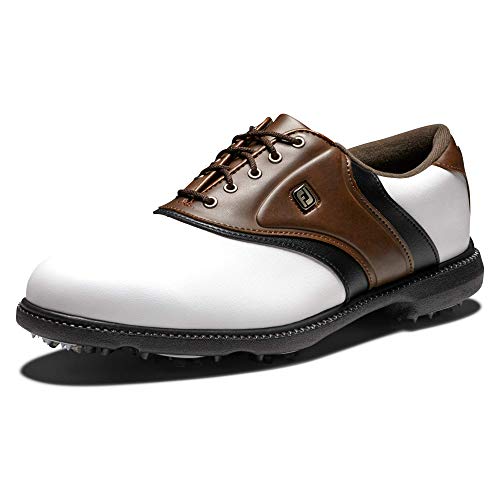
FootJoy Golf Originals Shoes
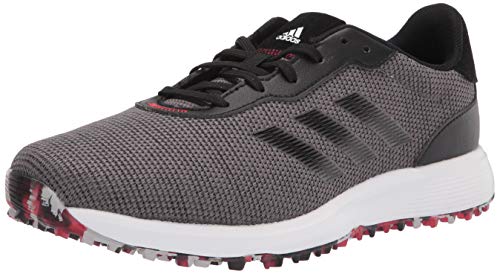
adidas Men’s S2g Boa Golf Shoe
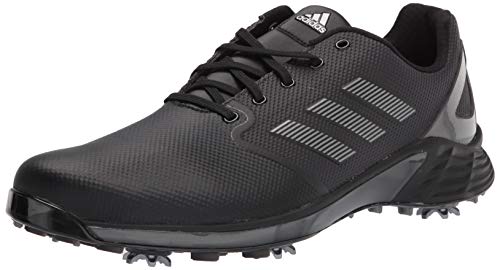
adidas Men’s ZG21 Recycled Polyester Golf Shoes

Waterproof Professional Golf Shoes Men Spikes Sneakers
More Details On Our Top Picks
For golfers whose toes crowd the front of every standard pair, this slip-on from TEOHRW solves a problem most shoes ignore. The roomier last accommodates bunions and wider forefeet, and the waterproof build keeps early-morning dew off your socks when the rough is still damp.
Spikeless outsoles feel natural on cart paths and the clubhouse floor, so there’s no clacking as you transition from green to grill. Compared with the spiky Zakey model later in the list, this one trades pure traction for walk-everywhere versatility, which most casual players will prefer.
Positive Takeaways
- Generous toe box eases pressure during long walks
- Slip-on entry saves time on the first tee
- Waterproof lining handles damp fairways
- Spikeless sole moves smoothly off the course
- Low-profile look pairs with casual golf outfits
Worth Noting
- Spikeless grip is less aggressive on wet hills than spiked options
- Wide fit may feel loose for narrow feet
Feature Snapshot
Right Fit For
Golfers with wider feet, recovering injuries, or anyone tired of cramped toes after the back nine.
Look Elsewhere When
Players who play in steady rain should consider the spiked Zakey sneaker for stronger wet-grass bite.
Tournament golf for juniors is no joke, and the Tour360 24 Boa treats young players like the athletes they are. The BOA Fit System uses a small dial on the side instead of laces, which means a kid can fine-tune the fit mid-round without bending over for a full re-tie. Micro-adjustable means you can tighten or loosen in tiny increments by turning the dial a click at a time.
The microfiber leather upper feels premium and holds up to dragging feet and scuffed toes, while the Bounce midsole cushions each step between shots. Compared with the TEOHRW slip-on earlier, this shoe is built for structure and lateral stability rather than slip-on convenience, which suits a competitive junior schedule.
Why It Works Well
- BOA dial delivers precise, even pressure across the instep
- Bounce midsole softens impact during walking rounds
- Waterproof microfiber leather resists morning dew
- Tour-inspired design helps juniors feel prepared
Honest Caveats
- BOA dial can worry younger kids until they learn the mechanism
- Sizing runs slightly narrow for kids with wider feet
- Premium build commands a higher entry point than basic juniors shoes
Built With In Mind
Junior golfers competing in tournaments or playing several times a week with growing feet.
Swap It Out When
Younger beginners who just need easy on-and-off should look at the TEOHRW wide slip-on instead.
The FootJoy Originals lean into traditional golf style with a clean silhouette that looks right at home at a country club or a muny. Traction comes from a steady outsole pattern, and the upper is built to maintain its appearance round after round, which matters if you play weekly and care about scuffs.
Comfort here shows up in the long-term ownership story rather than a flashy cushioning gimmick. Owners commonly report the leather breaking up well over a few rounds, molding to the foot instead of fighting it. Where the adidas ZG21 later in this list leans on a Boost midsole for high-rebound energy, the Originals deliver a more grounded, classic feel.
Useful Strengths
- Classic golf silhouette suits traditional dress codes
- Steady outsole grip holds up through full rounds
- Durable finish resists visible wear over time
- Brand heritage brings confidence in fit consistency
Practical Considerations
- Leather takes a few rounds to fully break in
- Lacks the plush rebound of modern foam midsoles
Quick Facts
Whose Shelf It Belongs On
Golfers who walk often, dress traditionally, and want a shoe that ages gracefully over many seasons.
Consider Something Else When
Players chasing maximum cushioning should look at the adidas ZG21 instead.
The S2g Boa sits in a sweet spot for golfers who want adjustability without the formality of laces. Turn the dial clockwise to tighten and pop it out to release, which is genuinely faster when you swap between carts, push-ups, and the practice green. The spikeless rubber outsole keeps the transition from fairway to clubhouse quiet and easy.
Underfoot, the Bounce midsole adds lightweight cushioning that softens each step but doesn’t feel marshmallow-heavy. In my view, this shoe is the right answer for a player who hates fiddling with laces but still wants a stable platform through the swing. Compared with the FootJoy Originals, it’s noticeably more casual in silhouette and easier to live with off the course.
Notable Gains
- BOA dial replaces laces entirely
- Spikeless outsole walks pavement without scuffing
- Bounce foam softens heel strike over long rounds
- Low-cut collar moves easily through the ankle
Points To Note
- Spikeless traction can feel lighter on wet downslopes
- BOA dial adds a small maintenance point over plain laces
- Listing availability has been limited at times
Made For
Golfers who want quick adjustability, spikeless convenience, and a sporty look that travels beyond the course.
Another Choice May Suit
Traditionalists who prefer laces and classic styling should consider the FootJoy Golf Originals instead.
The ZG21 is the cushioned runner of this list, built around adidas Boost foam that returns energy with each step. For walkers logging 36 holes in a day or playing several times a week, that rebound takes pressure off the knees and keeps the legs fresher on the final stretch. Energy return is the springy feeling when the foam pushes off after compressing, rather than just going flat.
The cleated outsole gives confident grip on damp lies, while the recycled polyester upper reflects a lighter environmental footprint. Compared with the spikeless S2g Boa before it, this shoe feels more performance-driven and tournament-ready, which is exactly what higher-handicap players chasing comfort want to hear.
Everyday Advantages
- Boost midsole delivers springy energy return
- Cleated outsole bites into wet grass and slopes
- Lightweight upper reduces fatigue across long rounds
- Recycled materials trim the environmental load
- Sleek profile suits athletic golf outfits
Trade-Offs To Consider
- Boost cushion feels firmer than memory foam for some
- Listing has been intermittent, so check sizing carefully
Feature Card
Best Suited To
Walkers who play multiple rounds a week, value cushioned rebound, and want grippy traction on damp courses.
A Better Fit Elsewhere
Golfers wanting spikeless convenience for off-course wear should look at the adidas S2g Boa.
Zakey’s spiked sneaker is the value play of this shortlist, aimed at casual golfers who want genuine traction without stretching the budget. The anti-slip outsole digs into wet grass on sidehill lies, and the waterproof shell shrugs off early-morning dew on the front nine.
The build reads more like an athletic sneaker than a traditional golf shoe, which makes it a forgiving entry point for newer players. Against the TEOHRW slip-on at the top, this model sacrifices slip-on convenience and the wide last in favor of firmer spiked grip. For golfers who mostly ride a cart but want solid footing when they do step out, that’s a fair trade.
Points In Its Favor
- Spiked outsole grips firm on wet lies
- Waterproof shell protects against damp turf
- Sneaker-style silhouette wears comfortably off the course
- Lower listing price point than premium options
Worth Bearing In Mind
- Build quality is lighter than flagship golf shoes
- Limited sizing color options may restrict fit choices
- Cushioning is basic compared with foam-loaded models
Who Should Grab It
Casual golfers, beginners, and anyone needing dependable spiked traction at an approachable listing price.
Not Your Match When
Walkers chasing plush cushioning should look at the adidas ZG21 instead.
What Matters Most When Choosing Comfort Golf Shoes
Comfort in golf shoes comes from three places working together: the last shape, the midsole foam, and the outsole design. A wider or more anatomical last (the foot-shaped mold the shoe is built around) reduces pinch on the forefoot, while a cushioned midsole absorbs impact during long walks. Spikeless outsoles trade grip for versatility, and spiked outsoles trade versatility for bite.
Fit is the single biggest factor. Trying shoes on in the afternoon, when feet are slightly swollen, mirrors how they will feel on the back nine. Walking comfort also depends on weight; every extra ounce adds up over four miles of turf. For competitive juniors, a BOA dial or supportive mid-cut collar helps stabilize the foot through repeated swings, which is why the Tour360 stands out for that group.
Wet-climate players should prioritize waterproof membranes and replaceable spikes for muddy lies. Dry-climate players can lean into breathability and lighter mesh uppers. Style matters less than fit, but a shoe you actually like looking at gets worn more often, which is its own comfort win.
Key Considerations Across These Picks
Common Slip-Ups Shoppers Hit
Many golfers pick a shoe based purely on looks and skip fit testing. That backfires by the 14th hole, when a narrow toe box starts squeezing. Others assume spiked always beats spikeless, yet on dry courses a quality spikeless outsole grips fine and feels lighter off the turf.
Another mistake is ignoring the midsole. A great-looking upper with a flat midsole will leave feet sore after a long walk, while a quieter-looking shoe with proper cushioning disappears underfoot. Sizing down for a “tighter feel” is also risky, since feet swell during warm rounds and tight shoes cause blisters fast.
What The Higher Tier Buys
Premium golf shoes like the adidas ZG21 or FootJoy Originals bring upgraded foam, more durable leather, and refined traction patterns. The payoff shows up over years of use, not just on day one. Better midsoles keep their cushioning longer, better leather resists creasing, and better outsoles maintain grip through many rounds.
For golfers who play weekly, the upgrade typically pays off in fewer replacements and better joint comfort over time. For players who hit the course a few times a season, a budget-friendly spiked option like the Zakey sneaker is the smarter call, and the savings stay in the bag for rangeballs.
Frequently Asked Questions
What makes a golf shoe comfortable for walking 18 holes? A wider last, cushioned midsole, and breathable lining work together to reduce foot fatigue. Weight matters too, since lighter shoes lower the effort per step across roughly four miles of walking.
Are spikeless golf shoes comfortable enough for wet grass? Spikeless outsoles grip well on dry and slightly damp lies, but they can slip on wet downslopes compared with spiked shoes. For mostly dry courses, spikeless is plenty; for wet climates, spiked gives more confidence.
How often should I replace my comfort golf shoes? Most golfers replace shoes every two to four seasons, depending on how often they play and walk. Worn cushioning and smooth outsoles are the clearest signals it’s time.
Do kids really need specialized golf shoes? Junior-specific shoes support growing feet through the swing and grip junior tees properly. Borrowing adult shoes usually means poor traction and a fit that fights the kid’s stride.
Can I wear running shoes for golf? Running shoes lack the lateral stability and outsole grip needed for a golf swing, so footing can slip during shots. Golf-specific shoes are built for that side-to-side motion and keep you planted through impact.
Wrap Up
Comfort on the course starts with fit, then cushioning, then traction in that order. Match the shoe to your foot shape first, your walking distance second, and your course conditions third. When those line up, rounds feel shorter, swings feel steadier, and the walk back to the clubhouse stops being the hardest part of the day. Pick the pair that suits your stride and enjoy the next round a little more.