I spend a lot of time thinking about shoes, because the wrong pair can quietly ruin a long walk, a commute, or just a regular Tuesday of errands. This roundup focuses on women’s walking footwear that prioritizes feel over flash, with options for gym sessions, casual strolls, and active days on your feet.
An Overview Of The Picks

Ryka Devotion Xtra

Skechers GO Walk Lite Isla Flat

Skechers On-The-Go GO Walk Lite Coral

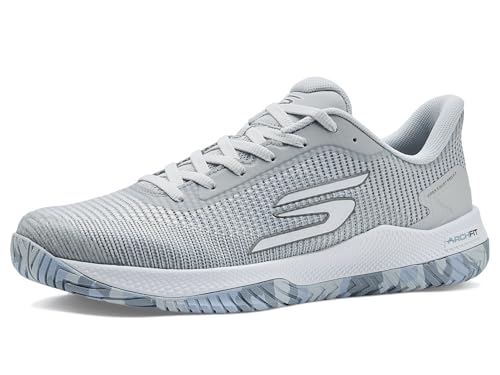
Skechers Viper Court Pro 2.0

Inside Each Recommended Option
The Ryka Devotion Xtra earns its spot because it is one of the few walking shoes explicitly engineered around women’s biomechanics. Ryka designs around the quadricep muscle Q angle, which is the way a woman’s hips, knees, and ankles tend to align differently than men’s. That means a narrower heel pocket, more room across the toe box, and contoured cushioning that follows the natural curve of a woman’s foot rather than forcing it into a generic shape.
For anyone logging serious miles on a treadmill or pavement, the breathable mesh upper with synthetic overlays keeps heat from building up, while the molded heel stabilizer cups the rearfoot on lateral moves. The lace-up closure lets you dial tension across the midfoot, and the padded collar prevents the hot spots that ruin long walks. Compare that to the slip-on picks later in this list, where convenience trumps customization.
What Helps Most
- Narrower heel and roomier toe shaped for women’s foot anatomy
- Breathable mesh upper that helps reduce heat during longer sessions
- Contoured cushioning that follows natural foot curves
- Molded heel stabilizer that adds lateral control on turns
- Lace-up fit that lets you fine-tune midfoot pressure
Things To Consider
- Lace closures take longer to put on than the slip-on Skechers options
- Mesh upper may need gentle cleaning to keep debris out of the weave
Feature Snapshot
Right Fit For
Women who walk several miles at a stretch on pavement or treadmill and want a shoe engineered specifically for their biomechanics.
Look Elsewhere When
You want grab-and-go convenience for quick errands, in which case the Skechers GO Walk Lite Isla Flat below is a more natural match.
The Skechers GO Walk Lite Isla Flat takes the friction out of leaving the house. Slip it on and you’re out the door in seconds, which sounds trivial until you’ve wrestled with laces while holding a coffee and a tote bag. It is built on the Skechers GO Walk platform, a line known for flexible, lightweight construction aimed at casual movement rather than structured training.
The wide fit option makes it friendly for anyone who finds standard widths pinch across the forefoot, and the low-profile silhouette slides easily into a suitcase. Compare that to the Ryka Devotion Xtra above, which is engineered for serious distance, and you see the trade-off: convenience wins here, but you sacrifice the locked-in heel pocket of a fitness-specific build.
Bright Spots
- Slip-on entry saves time during busy mornings
- Lightweight construction reduces foot fatigue on short walks
- Wide fit option accommodates broader forefoot shapes
- Low-profile silhouette packs easily for travel
Room For Improvement
- Less heel lockdown than a lace-up performance shoe
- Not designed for high-mileage or high-impact training
- Casual styling limits versatility for dressier outfits
Who It Suits Best
Anyone who wants a grab-and-go shoe for errands, travel, or light walks around the neighborhood.
Consider Something Else When
You’re logging serious miles on pavement, in which case the Brooks Glycerin Max 2 further down offers far more cushioning depth.
The Skechers On-The-Go GO Walk Lite Coral trades the synthetic upper of its siblings for a canvas moc toe construction, a fabric-and-stitch design inspired by boat shoes. Canvas breathes well in warm weather, which matters when sidewalks radiate summer heat and your feet start to feel the steam. The moc silhouette adds a relaxed, weekend-appropriate look that pairs with jeans or casual dresses without trying too hard.
This is the kind of shoe I think of for coffee runs, farmer’s market strolls, or a boardwalk vacation. It will not pretend to be a performance trainer, and that is the point. Compared to the broader GO Walk Lite Isla Flat above, this Coral leans slightly more casual in appearance, trading some all-day versatility for a more laid-back profile.
What Pays Off
- Canvas upper breathes well in warm conditions
- Moc toe silhouette works with casual outfits
- Lightweight feel reduces fatigue on short outings
Honest Caveats
- Canvas offers less weather protection than synthetic or mesh builds
- Not suited to high-impact or long-distance use
- Casual styling may not pair with more polished wardrobes
Best Suited To
Vacationers and casual walkers who want breathable, easygoing footwear for warm-weather days and relaxed outings.
Not Your Match When
You need a shoe that handles wet weather or longer distances, in which case the Brooks Anthem 8 below brings road-ready construction.
The Brooks Glycerin Max 2 sits at the cushioned end of the spectrum, and the name is not subtle. Glycerin is Brooks’s plushest running line, and the Max variant stacks additional foam to soften every footfall. Even though it is technically categorized as a running shoe, the deep cushioning translates beautifully to walking, especially for anyone whose knees or joints protest against firmer soles.
What I appreciate about a Max stack is that you can log miles without feeling the pavement quite as sharply, though you give up some of the ground-feel that lighter shoes offer. Compare that to the Ryka Devotion Xtra above, which prioritizes stability over plushness, and the trade-off becomes clear: this Glycerin Max 2 is for comfort-first walkers, while the Ryka leans toward controlled motion.
A Favorable Mix
- Deep cushioning reduces impact on knees over long walks
- Plush interior feel suits comfort-first shoppers
- Versatile enough to transition from walking to light jogging
Points To Note
- Plush stack can reduce ground-feel for those who prefer a firmer ride
- Slightly heavier feel than minimalist walking shoes
Quick Facts
Whose Shelf It Belongs On
Comfort-first walkers who prioritize soft cushioning over ground-feel and want a shoe that handles longer distances.
A Better Fit Elsewhere
You prefer a lighter, faster feel for shorter outings, in which case the Skechers GO Walk Lite Isla Flat offers a more nimble alternative.
The Skechers Viper Court Pro 2.0 shows up to this list as a specialist. It is built for pickleball, the fastest-growing court sport around, and that means lateral support, reinforced uppers, and an outsole designed for quick direction changes. The mesh upper uses an innovative weave that balances durability with breathability, so the shoe holds up to scuffing without cooking your feet.
Underneath, an Arch Fit EVA insole, where EVA is a lightweight, cushioned synthetic foam, molds to the foot’s arch shape, while the ULTRA GO midsole delivers responsive rebound during pushes off the court. The honest read is that this is overkill for someone who only walks, but if your active life includes court sessions, it doubles as a solid walking shoe between matches.
The Helpful Details
- Lateral support for quick court-side direction changes
- Breathable mesh upper that resists wear from scuffing
- Arch Fit insole that conforms to foot contours
- Responsive midsole that handles court and walking transitions
Some Limits To Know
- Court-specific design is more than casual walkers need
- Low-top cut offers less ankle coverage than mid-cut options
Technical Highlights
Perfect Match For
Pickleball players and active court athletes who want one shoe that handles both match play and casual walking between sessions.
Swap It Out When
Walking is your only activity, in which case the Brooks Anthem 8 below offers a more road-focused daily-walking fit.
The Brooks Anthem 8 rounds out this list as a versatile road-ready pick. Anthem sits in Brooks’s lineup as a more approachable, lower-cost alternative to the plush Glycerin line, which makes it a smart option if you like Brooks construction but do not need maximum cushioning. The road-running pedigree means the outsole and midsole are tuned for repetitive forward motion, exactly what walking demands.
I think of this as a “do most things well” shoe. You may find it lacks the deep plushness of the Glycerin Max 2 above, but you gain a livelier, more responsive ride that some walkers prefer. It is a grounded, no-drama choice that handles daily errands, neighborhood walks, and longer weekend outings without complaint.
Strengths Worth Knowing
- Road-tuned outsole handles repetitive forward motion well
- Versatile enough for walking, errands, and light jogging
- Lively, responsive feel suits walkers who want ground-feedback
- Approachable build in Brooks’s lineup
Practical Considerations
- Less cushioning depth than the Glycerin Max 2
- Road-running focus means it is less specialized for casual styling
Spec Overview
Who Should Grab It
Daily walkers who want a versatile, road-tuned shoe that handles errands, neighborhood loops, and longer outings without specialized bulk.
Reach For A Different Pick When
You want maximum plushness for joint comfort, in which case the Brooks Glycerin Max 2 above offers a notably softer ride.
What Matters Most Before Choosing Comfort Shoes For Walking
Fit And Foot Shape
The single biggest predictor of comfort is how a shoe matches your foot. Ryka designs specifically for women’s biomechanics, with a narrower heel and roomier toe. Brooks uses road-running lasts that work for many walkers but can feel snug on wider feet. Skechers options lean toward accommodating fits, especially when wide options exist. Always consider toe room: you want about a thumb’s width of space at the front to avoid black toenails on downhills.
Cushioning Versus Ground-Feel
Cushioning absorbs impact, but it also reduces how connected you feel to the ground. The Glycerin Max 2 prioritizes plushness for joint comfort, while the Anthem 8 and Ryka Devotion Xtra offer more responsive feedback. Slip-ons like the GO Walk Lite Isla keep things light and flexible but won’t feel as substantial underfoot. Your joint sensitivity, walking surface, and personal taste drive the choice.
Closure And Convenience
Lace-ups give you the most control over fit but cost you time. Slip-ons trade some lockdown for grab-and-go speed. For daily wear, I think about whether the shoe needs to come on and off multiple times a day, like for school pickups, or whether it stays on through one long walk. That determines which closure style earns its place in your rotation.
Intended Activity
A court shoe like the Viper Court Pro 2.0 is brilliant for pickleball but heavy for a casual walker. Canvas options like the GO Walk Lite Coral breathe well but offer little weather protection. Be honest about whether you need one shoe for everything or can rotate two pairs based on the day’s activity. That clarity saves money and frustration.
Key Considerations Across These Picks
Pitfalls Shoppers Hit
The most common mistake is buying based on appearance rather than fit. A shoe that looks great on the shelf can ruin your week if the toe box is too tight or the heel slips. Another trap is assuming all walking shoes are the same: a pickleball court shoe and a fitness walking shoe are built for very different motions. Skip the “all-purpose” mindset and match the shoe to the activity you’ll actually do most. Finally, do not skip the break-in period; even the best-fitting shoe needs a few short outings before a long walk.
Where The Extra Money Goes
Premium tiers like the Brooks Glycerin Max 2 invest in deeper cushioning stacks, more refined uppers, and longer-lasting midsoles. The honest read is that the upgrade pays off for high-mileage walkers, anyone recovering from injury, or shoppers who simply prefer a plush ride. For shorter daily walks, mid-tier options deliver most of the comfort without the cost. The right answer depends on how often and how far you walk, not on chasing the most expensive model.
Frequently Asked Questions
How do I know if a walking shoe fits correctly?
Your heel should feel locked without slipping, and you should have roughly a thumb’s width of space at the front of the toe box. Walk around the store or your home for a few minutes before judging fit.
Can running shoes work for walking?
Yes, especially road-running models like the Brooks Glycerin Max 2 and Anthem 8. They are designed for repetitive forward motion, which describes most walking very well.
How often should I replace walking shoes?
Most walking shoes last roughly 300 to 500 miles before cushioning breaks down. Watch for new aches in your feet, knees, or lower back, which often signal the cushioning has worn out.
Are slip-on walking shoes supportive enough?
For casual walking and short errands, yes. For longer distances or anyone needing heel lockdown, a lace-up usually offers better support and a more secure fit.
What is the difference between walking shoes and running shoes?
Walking shoes typically have more flexibility in the forefoot and slightly firmer heels, while running shoes prioritize cushioning and shock absorption. The lines blur in modern designs, especially in road-running models tuned for forward motion.
The Takeaway
The right pair of walking shoes depends entirely on where you walk, how often, and what your feet ask for. Match the shoe to the activity you do most, pay attention to fit over fashion, and trust how your body feels after a few outings. Comfort is personal, and the best shoe is the one that disappears on your feet.