A long shift on concrete, a wet jobsite, or a muddy farmyard punishes feet. The right pair turns those hours from a limp into something forgettable. I put together this list for people who need protective footwear that doesn’t fight back, from industrial crews to parents wrangling puddle-jumpers. Each pick below solves a different comfort problem, so the right match depends less on specs alone and more on where the boots need to perform.
An Overview Of The Picks

DUNLOP Work-It Full Safety Wellington Yellow

Hbxooxts Kids Rain Boots with Fun Patterns

WILLPORT Kids Waterproof Light Up Rain Boots

HexArmor Xbase Professional Safety Boots
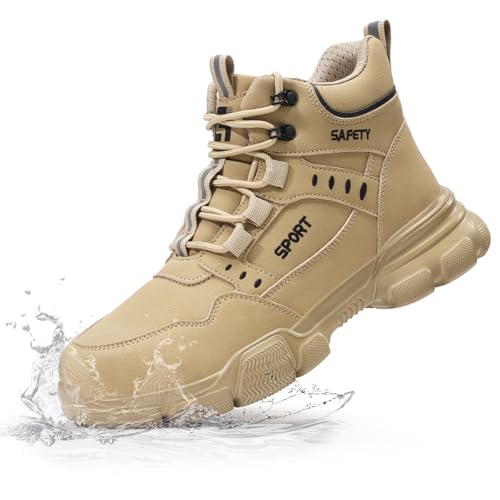
Gsutenmre Steel Toe Lightweight Work Boots
Taking A Closer Look At The Options
The DUNLOP Work-It Wellington steps into the same wet, mucky conditions where rubber boots usually shine. Its full PVC build keeps water, slurry, and chemical splash off the foot, while a steel toe cap and steel midsole handle the dropped-tool and nail-in-the-floor hazards of construction and farm work.
I see this style fit best for someone who values a wipe-clean surface over a leather feel. A quick rinse at the hose restores it, and the high-vis yellow color stays easy to spot on a busy site. Compared with the steel-toe leather options later in the roundup, it trades breathability for full waterproofing.
What Helps Most
- 100% waterproof PVC construction, ideal for flooded trenches and wet concrete pours
- S5-rated steel toe cap and steel midsole block impacts and puncture risk on rough terrain
- Highest SR-slip-rated outsole grips slick surfaces better than standard work boots
- Energy-absorbing heel zone eases joint strain during long standing shifts
Points To Note
- PVC runs warmer than leather, so feet may feel clammy in summer jobsite heat
- Wellington height can fatigue calves during long walks between tasks
Who Should Grab It
Farmers, dairy workers, and concrete crews who face wet, chemical-heavy conditions and want boots that hose clean at the end of the day.
Look Elsewhere When
Pick the HexArmor Xbase Professional Safety Boots instead for a breathable leather build with metatarsal coverage on dry industrial floors.
The Hbxooxts Kids Rain Boots target the most common puddle-jumper on the block: a toddler who refuses shoes. Pull-on handles at the top give small fingers something to grip, and the rubber shell shrugs off mud, snow, and sidewalk slush without leaking.
Fun printed patterns turn the boots into part of the outfit, which matters more than it sounds. A child who wants to wear the boots wears the boots. I think this pair works well for daycare drop-offs, backyard stomping, and weekend park visits where parents want dry socks by lunch.
Useful Touches
- Easy-grip pull handles help toddlers practice independent dressing
- Waterproof rubber build keeps feet dry through deep puddle splashes
- Patterned exterior encourages kids to ask to put them on
Small Caveats
- Rubber is not breathable, so sweaty feet after long indoor wear are common
- Sizing runs best with thin socks; thick winter socks may crowd the toe box
Feature Snapshot
Right Fit For
Parents of toddlers who need quick, no-fuss rain boots for daycare, stroller walks, and backyard puddle play.
Swap It Out When
Choose the WILLPORT Kids Light Up Rain Boots if your child ignores plain rubber and responds to light-up novelty on the sole.
The WILLPORT Light Up Rain Boots turn a rainy morning into a small show. Light modules embedded in the sole flash with every step, which gives reluctant dressers a reason to actually sprint to the door. Waterproof construction handles the same puddle-and-mud routine as the Hbxooxts pair above.
The trade-off shows up in the lights themselves. They run on small batteries that eventually dim over months of use, so the novelty softens with time. I think this pick fits kids who normally fight rain gear and respond to motion-based toys or light-up sneakers.
Noteworthy Benefits
- Step-activated lights encourage active play in wet weather
- Waterproof rubber upper keeps socks dry through deep puddles
- Available in Little Kid sizes that match typical preschool shoe ranges
Things To Consider
- Light batteries fade over time and are not user-replaceable in most builds
- Heavier sole than plain rain boots, which may tire small walkers on long outings
Whose Shelf It Belongs On
Families with light-up-sneaker fans who need a rainy-day boot that doubles as a motivator to leave the house.
Reach For A Different Pick When
Pick the Hbxooxts Kids Rain Boots if you prefer a simpler, lighter rubber boot without electronics for everyday daycare use.
The HexArmor Xbase sits at the heavier end of the list, and that is exactly the point. It is built for industrial floors where rolling stock, falling stock, and chemical splash share the same shift. A composite toe (a non-metal safety cap made from layered materials) plus a metatarsal guard (an additional shield over the upper foot bones) covers more of the foot than the basic steel-toe option reviewed last.
Black leather uppers give the Xbase a dressier look on a job site, which can matter on customer-facing floors. Compared with the DUNLOP Wellington above, it breathes better but offers a different kind of weatherproofing, more puddle-resistant than fully submersible. I see this fit warehouse leads, manufacturing techs, and utility crews who log step counts in the thousands.
Standout Benefits
- ASTM-rated composite toe handles impact and compression hazards on industrial floors
- Metatarsal guard shields the upper foot from crushing and pinch points
- Slip-resistant outsole grips polished concrete and oily shop surfaces
- Black leather upper wipes clean and looks tidy on customer-facing crews
Honest Caveats
- Heavier than the steel-toe lightweight pick, which can tire feet on long walks
- Higher price tier than basic safety boots, so it is overkill for light home use
Quick Facts
Best Suited To
Industrial crews, manufacturing techs, and warehouse leads who need upper-foot protection and spend long shifts on polished concrete.
Not Your Match When
Pick the Gsutenmre Steel Toe Lightweight Work Boots if you handle lighter hazards and want a more affordable everyday work boot.
The Gsutenmre Steel Toe Boots fill the everyday work boot gap. The steel toe cap meets standard impact and compression targets for construction, warehouse, and light industrial sites, while the lightweight build keeps foot fatigue lower than heavier leather options.
For someone moving between job sites, climbing ladders, or driving a work van, the lower weight pays off across a full day. The honest read is that this pair skips the metatarsal coverage and premium leather of the HexArmor above, so it suits crews who face standard impact risk rather than crushing hazards.
Useful Highlights
- Steel toe cap blocks impact and compression hazards on standard work sites
- Lightweight build reduces foot fatigue over long shifts and ladder climbs
- Lower price tier than composite-toe pro boots, easier on outfit budgets
Trade Offs
- No metatarsal guard, so upper-foot crushing risks are not covered
- Steel toe conducts cold, so winter job sites may need thicker socks
Technical Highlights
Made For
Tradespeople, warehouse workers, and DIY renovators who need reliable toe protection without paying for pro-tier features.
Consider Something Else When
Pick the HexArmor Xbase Professional Safety Boots if your role involves crushing hazards or upper-foot impact that a basic steel toe does not cover.
Choosing Comfortable Safety Boots That Actually Fit Your Shift
Comfort in safety boots comes from three places working together. First, the footbed and midsole need to absorb repeated impact, because hard insoles turn a long shift into a throbbing one. Second, the upper needs to flex where the foot bends, especially at the ball of the foot, while still locking the heel in place to avoid blisters. Third, weight matters more than people expect, and even a small reduction per boot adds up across a full week of standing or walking.
Toe protection is the headline feature on every safety boot, but the type matters. Steel toes are the most affordable and the heaviest, while alloy and composite toes (made from lightweight materials like aluminum or carbon fiber) cut weight and stay warmer in winter. Metatarsal guards add a second shield over the upper foot bones, useful around heavy rolling stock but unnecessary for lighter tasks.
Outsole grip is the other detail I pay attention to. Slip resistance ratings tell you how the boot handles wet, oily, or icy surfaces, and a deeper lug pattern helps on mud and gravel. For wet-job environments, fully waterproof construction beats water-resistant leather, while still breathable membranes help in warmer climates where feet run hot.
Why Sizing And Break-In Matter
Boots that feel snug in the store often feel right after a week of wear, but boots that pinch at the toe box never improve. Trying boots on with the socks you plan to use, and walking on a hard surface for ten minutes, catches problems that a fitting room chair hides.
What Sets These Picks Apart At a Glance
Common Slip Ups Shoppers Hit
Treating “waterproof” and “water-resistant” as the same word is the most common mistake in this category. A water-resistant leather upper handles a brief puddle, while a fully waterproof boot handles standing water and a wet shift. Pick based on the worst day, not the average one.
Sizing boots to your usual street size is another trap. Safety boots often run large to accommodate thick work socks, and a half-size shift can change the comfort of an eight-hour shift completely.
Where The Extra Money Goes In Premium Picks
Higher-tier boots buy three things you can feel. First, lighter safety toes that reduce fatigue without losing protection. Second, better midsole foams that hold shape after months of daily wear instead of going flat. Third, smarter outsole compounds that grip slick floors without wearing out in a few months. For crews on their feet every day, those upgrades compound across the year.
Frequently Asked Questions
How do I know if a safety boot fits correctly?
Your toes should sit a thumb’s width from the front, and the heel should not lift when you walk on a slope. Snug at the midfoot but roomy at the toe box is the goal.
Do I need a metatarsal guard for general work?
Most home and light commercial tasks do not require one, but warehouse crews and heavy industrial roles face crushing risks that basic toe caps do not cover.
Are composite toes as protective as steel toes?
Composite and alloy toes meet the same impact and compression standards as steel, so protection is comparable. The real differences show up in weight and cold conductivity.
How long should a safety boot last?
Daily-use safety boots typically last 12 to 24 months before the midsole foam and outsole grip wear out, even when the upper still looks fine.
Can kids wear the same safety boots as adults?
Children need boots sized and rated for their weight, since adult safety boots are too heavy and the safety ratings are calibrated to adult impact thresholds.
The Takeaway
The right pair depends on where the boots will live. Steel toe and composite toe options handle worksite hazards, while waterproof wellingtons dominate wet terrain, and the kid-focused picks turn rainy days into something a child actually wants to wear. Match the boot to the worst day on the job, not the easiest one, and the comfort follows from there.