I spend a lot of time thinking about what separates a forgettable trail run from a great one, and nine times out of ten it comes back to the shoes. Pinch points, hot spots, and that vague sense of dragging your feet at mile six will sour any route, no matter how scenic. This roundup pulls together eight pairs that genuinely earn the comfort label, with notes on who each one actually fits, from first-time trail runners to long-haul ultra distance seekers.
A Fast Comparison Of The Options

Salomon Womens Speedcross 6

On Mens Cloudhorizon Waterproof
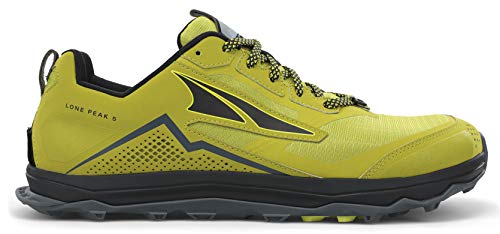
ALTRA Lone Peak 5 Trail Running Shoe
ASICS Men’s Gel-Excite 11 Running Shoes
ALTRA Women’s Experience Flow 2

ALTRA Men’s Torin 8 Road Running Shoe

ASICS Men’s Gel-Contend 9 Running Shoes

Men’s Experience Wild 2
More On The Choices That Made The List
The Speedcross 6 is the shoe I point curious runners toward when they ask about grip on wet, rooty, or muddy singletrack. Its deep chevron-shaped lugs, a long-running signature on this line, bite into soft ground and clear mud quickly between steps, so the shoe doesn’t slowly turn into a heavy brick after a rainstorm.
A Gore-Tex membrane, meaning a waterproof and breathable inner lining bonded to the upper, keeps slop and shallow puddles out without turning the foot into a sauna on warmer days. The updated upper shaves weight compared to earlier versions, and the classic lacing system (Salomon calls it Quicklace) lets you dial in midfoot tension fast. For trail runners who tackle technical terrain in shoulder seasons, this is a confidence-builder.
Real-World Strengths
- Aggressive lug pattern grips loose, muddy, or wet terrain where smoother shoes slip.
- Waterproof Gore-Tex lining keeps socks dry through shallow stream crossings and damp mornings.
- Reinforced toe cap protects against hidden roots and rocks on technical trails.
- Updated upper is lighter than past Speedcross generations, easing fatigue on longer runs.
- Quicklace system tucks away neatly, avoiding snag points on overgrown brush.
Things To Consider
- Deep lugs can feel clunky on hard-packed roads or smooth bike paths.
- Waterproof membranes trade some breathability for dryness, so hot summer days may feel warm.
- Wider forefoot than some trail shoes, so sizing down is sometimes needed for narrow feet.
Who It Suits Best
Trail runners who log miles on muddy, rooted, or steep terrain in shoulder seasons and want confident grip over plush cushioning.
Where Another Pick Suits Better
Runners who stick mostly to fire roads and packed dirt will find the ALTRA Men’s Torin 8 Road Running Shoe a smoother, more efficient match.
On built the Cloudhorizon for hikers who want that signature cloud-like ride on real dirt. CloudTec Phase, the brand’s hollow pod midsole system that compresses on landing, sits under a waterproof shell, so a surprise downpour won’t end the day. It’s marketed more as a hiking shoe than a pure trail runner, but the cushion profile makes it a natural crossover for long, easy days on graded trails.
Where the Speedcross 6 is about bite, the Cloudhorizon is about softness. The Missiongrip outsole uses a rubber compound designed to hold on wet rock and loose scree without aggressive lugs, and the plush midsole absorbs impact well for runners with sensitive joints. For someone logging long days rather than short, snappy runs, the comfort story is the headline.
Key Advantages
- CloudTec Phase midsole creates a soft, forgiving landing on hard-packed trails.
- Waterproof construction handles wet grass, puddles, and steady drizzle.
- Missiongrip outsole holds traction on varied surfaces without the chunky-lug feel.
- Plush interior feels closer to a recovery shoe than a technical trail tool.
Points To Note
- More hiking shoe than running shoe, so tempo work may feel slow underfoot.
- Premium price tier, which is worth weighing against how often you use it.
Made For
Distance hikers and long-day trail walkers who want maximum cushioning and weather protection over snappy ground feel.
Consider Something Else When
Runners focused on fast, responsive efforts should look at the Salomon Womens Speedcross 6 for a quicker, more agile platform.
The Lone Peak 5 sits at the center of ALTRA’s trail lineup, and for many runners it’s the only shoe they pack for an ultra. The signature Footshape toe box lets toes splay naturally on long descents, which is a quiet form of comfort most people don’t notice until they switch back to a narrow shoe and feel their forefoot throbbing at mile 15.
Compared to the Speedcross 6, the Lone Peak trades aggressive grip for balanced trail manners. The MaxTrac outsole grips well on dry dirt and rock without the deep-lugged feel, and the balanced cushioning (ALTRA calls it “zero drop,” meaning the heel and forefoot sit at the same height off the ground) encourages a natural midfoot strike. For runners who log big training weeks, the roomy fit and steady ride earn repeat miles.
Where It Helps
- Wide, foot-shaped toe box prevents forefoot cramping on long descents.
- Zero-drop platform encourages natural foot movement and midfoot landing.
- Stoneguard rock plate (a thin protective layer in the midsole) helps deflect sharp trail debris.
- Lightweight build stays comfortable over high-mileage weeks.
Honest Caveats
- Zero-drop geometry takes adjustment if you’re used to a heel-elevated shoe.
- Less aggressive lugs than the Speedcross 6, so slick mud is its weak spot.
Best Suited To
Distance trail runners and ultra-distance trainees who want a roomy, foot-shaped fit and a stable, low-offset platform.
Skip It When
Runners tackling consistently muddy or steep terrain will want the deeper-lugged Salomon Womens Speedcross 6 for cleaner traction.
The Gel-Excite 11 is the entry point in ASICS’s cushioning family, and it leans hard into softness. A GEL unit sits in the rearfoot to absorb impact, layered into a foam midsole that feels plush on first step-in. For new trail runners or road-to-trail beginners, it’s a friendly on-ramp that doesn’t ask for a break-in period.
The engineered jacquard mesh upper (a knit-like fabric with structured patterns for breathability) keeps the foot cool and holds shape better than a basic flat mesh, and the lace-up closure locks the midfoot securely for casual trail outings. It lacks the deep lugs of a dedicated trail shoe, so for technical terrain I’d size up to the Lone Peak 5, but on graded dirt and gravel paths the comfort story is the clear win.
The Upside
- Rearfoot GEL technology softens heel strike on hard surfaces.
- Engineered jacquard mesh upper balances breathability and structure.
- Affordable price tier makes it easy to step into trail running.
Trade Offs
- Modest outsole grip limits usefulness on truly technical trails.
- Cushioning skews soft, which some runners find less stable on uneven ground.
Who Will Love This
Beginner trail runners and casual outdoor joggers who want an easy, soft-riding shoe for light dirt paths and neighborhood routes.
A Better Fit Elsewhere
Anyone moving into more rugged terrain will appreciate the grip and protection of the ALTRA Lone Peak 5 Trail Running Shoe instead.
The Experience Flow 2 is ALTRA’s play for runners who want one shoe that handles both the commute to the trailhead and the dirt once they get there. It’s built on the same Footshape platform as the Lone Peak 5, so the toe box stays generous, but the midsole is lighter and a bit more responsive, which makes it feel quicker on pavement.
The trade-off is real: this isn’t a deep-lugged trail tool. For runners who mostly hit gravel paths, fire roads, and tame singletrack, it’s an easy everyday option that costs less than most dedicated trail shoes. The crossover flexibility is the headline, and for door-to-trail use it punches above its weight class.
A Few Highlights
- Same roomy Footshape toe box as ALTRA’s trail lineup.
- Lighter, more responsive midsole than the Lone Peak 5.
- Comfortable for both road miles and easy trail segments.
- Lower price tier than dedicated trail models.
Worth Noting
- Modest outsole grip won’t hold up on technical or muddy trails.
- Less protective underfoot than shoes with a rock plate.
Perfect Match For
Runners who split time between pavement and light dirt paths and want one shoe that does both jobs at a reasonable price.
Look Elsewhere When
Anyone heading into rocky or root-heavy terrain should reach for the Men’s Experience Wild 2, which has more aggressive grip.
The Torin 8 is ALTRA’s max-cushion road shoe, and many runners use it as a comfort-first daily trainer even on easy trail days. The stack height (the total material between foot and ground) sits higher than the Lone Peak 5, and the midsole foam is tuned for plush landings over responsiveness. For runners with creaky knees or sensitive joints, that softness matters.
It’s not a trail shoe in the traditional sense, the outsole is more road-focused than dirt-focused, so I’d keep it on graded paths and groomed gravel. The Footshape toe box still gives the front of the foot room to spread, and the balanced cushioning encourages a relaxed gait. As a recovery-day or easy-mile option, it’s a quiet workhorse.
Where It Delivers
- Generous midsole cushioning absorbs impact for joint comfort.
- Footshape toe box keeps the forefoot relaxed over long miles.
- Plush step-in feel works well as a daily trainer.
Practical Considerations
- Road-leaning outsole isn’t ideal for loose dirt or technical terrain.
- Higher stack can feel less stable on uneven ground for some runners.
Whose Shelf It Belongs On
Runners prioritizing joint comfort on easy days who still want ALTRA’s signature foot-shaped fit over plush cushioning.
Reach For A Different Pick When
Anyone tackling real trail miles will find the Salomon Womens Speedcross 6 a more capable off-road option.
The Gel-Contend 9 is the most affordable way into ASICS’s GEL cushioning system, and for runners on a tight budget it’s a sensible first step. AMPLIFOAM midsole foam pairs with rearfoot GEL inserts to soften landings, and the Ortholite sockliner (a removable, breathable foam insole) adds a layer of step-in comfort that punches above the price tier.
Trusstic Technology, a plastic shank under the midfoot that adds rigidity without weight, helps the shoe hold its shape on longer runs, which is a real durability win at this price. Like the Gel-Excite 11, it’s a road-leaning shoe, so I’d reserve it for groomed paths rather than rough singletrack. For runners who just want a comfortable, supportive daily trainer, it earns its place.
What Makes Sense
- Accessible price makes it easy to start a running habit.
- Rearfoot GEL cushioning softens impact on every step.
- Ortholite sockliner adds breathability and step-in comfort.
- Trusstic midfoot shank improves structural integrity over time.
Potential Drawbacks
- Outsole tread is road-oriented, not trail-focused.
- Heavier than premium running shoes, which may tire legs on longer outings.
Who Should Grab It
First-time runners and budget-conscious shoppers who want a supportive, comfortable shoe for casual miles on paved and light dirt surfaces.
Swap It Out When
Runners ready to push into trail-specific terrain will appreciate the dedicated grip of the ALTRA Lone Peak 5 Trail Running Shoe.
The Experience Wild 2 is ALTRA’s more aggressive off-road option, and for runners who spend serious time on loose dirt and variable terrain it’s worth a look. Compared to the smoother Experience Flow 2, this version brings a grippier outsole and a more protective build, while keeping that same generous Footshape toe box.
The lugs dig in on climbs and descents without feeling clunky underfoot, and the overall fit remains foot-shaped and forgiving. For trail runners who want ALTRA’s roomy comfort paired with genuine off-road bite, the Wild 2 is the more capable sibling of the Flow 2 and a quieter alternative to the Salomon Speedcross 6 for runners with wider feet.
Notable Upsides
- Aggressive lug pattern grips loose dirt and uneven terrain.
- Footshape toe box keeps toes comfortable on long descents.
- Protective build handles rocks and roots better than road-leaning ALTRA models.
- Comfortable fit for wider feet compared to narrower trail shoes.
Where It May Fall Short
- Heavier than the Experience Flow 2, so it feels less nimble on faster road miles.
The Right Fit
Trail runners with wider feet who want real off-road grip and prefer a foot-shaped fit over a narrow, racing-style last.
Another Choice May Suit
Runners focused on maximum mud-shedding bite should consider the Salomon Womens Speedcross 6 for deeper lugs and a more technical build.
How To Choose Trail Running Shoes That Actually Fit Your Feet
Match The Lug Depth To Your Terrain
The lug is the rubbery tread on the outsole, and its depth tells you what the shoe is built for. Deep, widely spaced lugs (think the Speedcross 6) excel on soft mud and loose dirt, but feel clunky and slow on hard-packed surfaces. Shallow, tightly packed lugs work fine on gravel paths and groomed trail but slide around on wet roots. Match the lug to the terrain you actually run, not the terrain you wish you ran.
Get The Toe Box Right
Toe box width is the most underrated comfort factor. A narrow, pointed toe box squeezes toes on long descents, and that pressure compounds over miles. ALTRA’s Footshape platform (used on the Lone Peak 5, Torin 8, Experience Flow 2, and Wild 2) gives toes room to spread, which is a quiet win for anyone with a wider forefoot or for runners logging high weekly mileage. Try shoes on at the end of the day when feet are slightly swollen, just as they will be on a long run.
Cushioning Is Personal
Plush, max-cushion shoes (the On Cloudhorizon Waterproof and ALTRA Torin 8) feel great under tired legs but can feel unstable on uneven ground. Firmer, more responsive shoes (the Speedcross 6) feel quicker but transmit more impact, which bothers some runners on hard surfaces. There is no right answer here; it depends on your joints, your gait, and the surfaces you run on most. A common ownership consideration: foam cushioning compresses over time, so high-mileage runners may need replacement sooner than they expect.
Think About Weather And Water
Gore-Tex and other waterproof membranes keep feet dry through puddles and rain, but they reduce breathability. For warm, dry climates a non-waterproof upper breathes better. For wet shoulder seasons, the dry feet are worth the warmth tradeoff. The Speedcross 6 and On Cloudhorizon Waterproof both go the waterproof route, while the ALTRA Lone Peak 5 and Experience Wild 2 let your feet breathe more freely.
Smart Considerations Before You Buy
Where Shoppers Go Wrong
The most common mistake is buying trail shoes for road running, or road shoes for trails. Trail shoes feel sluggish on pavement, and road shoes offer almost no protection against rocks and roots. A close second: ignoring toe box width. Runners who squeeze into a narrow shoe to chase a “racing” feel often blame the brand when the real issue is fit. The third trap is buying the most aggressive, lugged shoe on the shelf when your local trails are actually flat, hard-packed gravel, where a smoother shoe will serve you better.
When Paying More Pays Off
Premium trail shoes earn their higher price through better materials: lighter uppers, more durable rubber compounds, and midsole foams that hold their cushioning longer. For a runner logging 30+ miles a week, that durability and comfort difference shows up over months, not days. Casual runners who only hit a few miles on easy paths will see less benefit, and a value-tier option like the Gel-Contend 9 makes more sense. The upgrade is worth it when you start pushing distance, technical terrain, or both.
Frequently Asked Questions
How Do I Know If A Trail Running Shoe Fits Right?
There should be about a thumb’s width of space between your longest toe and the front of the shoe, and the heel should lock in without slipping. The midfoot should feel secure, not pinched, and the toe box should let your toes spread without pressure on the sides.
Can I Use Trail Running Shoes On The Road?
Yes, but expect them to feel stiffer and less efficient than a road shoe. Lugged outsoles wear down faster on pavement, and the extra grip and protection are wasted on smooth surfaces. For mixed use, a crossover like the ALTRA Experience Flow 2 strikes a balance.
How Often Should I Replace Trail Running Shoes?
Most trail running shoes last between 300 and 500 miles, depending on terrain, body weight, and gait. Watch for compressed cushioning, flattened lugs, or new aches in your feet or knees, those are signs the shoe has run its course and needs replacing.
Do I Need Waterproof Trail Shoes?
Waterproof membranes help in wet climates, shoulder seasons, and on trails with frequent stream crossings. They run warmer in summer, so runners in dry, hot regions often prefer non-waterproof uppers for better breathability.
Are Trail Running Shoes Good For Hiking?
Many are, especially models with grippy outsoles and protective uppers like the On Cloudhorizon Waterproof. For very technical hiking with a heavy pack, a dedicated hiking boot offers more ankle support, but for day hikes and fast-and-light movement, trail runners often feel more comfortable.
Closing Remarks
The right trail running shoe is the one you forget you’re wearing around mile eight. Match the shoe to the terrain you actually run, pay attention to toe box fit, and don’t overbuy traction you won’t use. Whether you land on a grippy workhorse like the Speedcross 6 or a plush all-day option like the Cloudhorizon, the goal is the same: shoes that disappear under your feet so the trail can take center stage.