Mixing road pace with trail grit is a juggling act, and most running shoes force a choice. Hybrid running shoes aim to blur that line, giving you pavement-friendly cushioning with enough grip and structure for dirt paths, gym sessions, and the occasional gravel detour. If you log mixed miles and don’t want two pairs on the shelf, the picks below cover a wide spread of budgets, cushioning styles, and design intents so you can match your terrain and stride without overthinking it.
Your Options, Compared
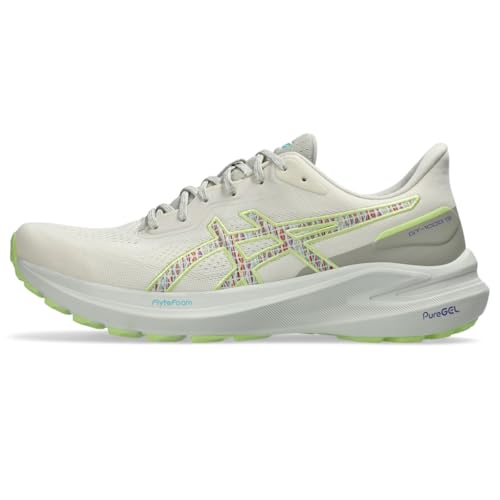
ASICS Men’s GT-1000 13 Trail Running Shoes

PUMA Voltra Lace-Up Sneakers (Red)
ASICS Men’s Gel-Excite 11 Running Shoes

ASICS Men’s Gel-Contend 9 Running Shoes

Saucony Men’s Triumph 22 Sneaker

Saucony Men’s Cohesion 18
Meet The Standout Selections
The GT-1000 13 Trail is the closest thing in this lineup to a true hybrid. ASICS built it around a stability platform, using a guidance system that helps your foot land centered, so a hard heel strike on a slanted trail doesn’t roll your ankle sideways.
Where this shoe shines is the soft polyester and mesh upper that wraps the midfoot comfortably on long walks or cool-down jogs. For the runner who splits time between packed dirt, park paths, and the occasional treadmill, it lands as a confident pick.
Positive Points
- Stability-focused geometry helps balance uneven terrain, which matters when your routes mix roots and gravel with pavement.
- Breathable mesh upper keeps feet cooler on warmer days during longer sessions.
- Lace-up closure gives a tunable fit that holds steady as your foot swells through a long run.
- Versatile enough to handle wet conditions without feeling clunky on dry pavement.
- Lightweight build reduces leg fatigue across a full week of mixed training.
Things To Consider
- The trail-tuned outsole can feel slightly firmer than a pure road shoe on smooth asphalt.
- Mesh panels, while breathable, tend to collect trail dust and need occasional rinsing.
Feature Snapshot
Made For
Runners who mix trail miles with road segments and want a stable, breathable shoe that handles both without specialized gear.
Consider Something Else When
The Saucony Men’s Triumph 22 Sneaker suits you more, since it prioritizes plush long-distance road comfort over trail grip.
The PUMA Voltra sits in a different lane from the rest of the list. It’s a casual sneaker with running DNA, designed more for walking commutes, errands, and gym warm-ups than for tracking weekly mileage.
The brand’s X-Cell cushioning platform gives it a springy step, while the signature formstrip and bold cage styling keep the look athletic. If your version of a hybrid shoe is one pair that handles morning walks and casual Fridays, this stays in step.
A Few Strong Suits
- Eye-catching color and bold branding read as athletic even with jeans.
- X-Cell cushioning adds a layer of energy return under the foot.
- Premium-feeling upper materials elevate the casual sneaker category.
- Versatile silhouette moves easily from walking to light activity.
Worth Noting
- Not engineered for high-mileage running or structured trail use.
- The bold red colorway is polarizing, so it may not suit low-key wardrobes.
- Minimal arch support means it may not hold up for those needing extra structure.
Right Fit For
Style-focused shoppers who walk a lot, hit the gym casually, and want one shoe that bridges sneakers and running shoes.
Look Elsewhere When
The ASICS Men’s Gel-Excite 11 Running Shoes suit you more, since they offer dedicated running features at a comparable casual-friendly fit.
The Gel-Excite 11 is ASICS’s invitation into the brand. It’s a soft, approachable trainer built for runners who want a no-fuss experience and aren’t chasing performance benchmarks.
Compared to the Gel-Contend 9 covered below, this shoe leans lighter and more breathable. For beginners building their first consistent mileage, the engineered jacquard mesh upper and lace-up closure offer an approachable fit without specialized setup.
Advantages To Know
- Breathable engineered mesh upper supports airflow during warmer runs.
- Lace-up closure makes daily on-and-off use convenient.
- Lightweight construction suits shorter recovery runs and walking commutes.
- Polyester-based interior materials offer a soft step-in feel.
Trade Offs
- Cushioning stack is minimal compared to premium long-mile trainers.
- Outsole durability for mixed surfaces remains unverified for heavy trail use.
Quick Facts
Best Suited To
New runners and casual joggers wanting a lightweight, breathable shoe for short-to-moderate sessions on varied surfaces.
Skip It When
The ASICS Men’s GT-1000 13 Trail Running Shoes suit you more, since they offer structured stability for terrain-heavy hybrid use.
The Gel-Contend 9 is the entry-level road runner from ASICS that doubles as a daily all-arounder. Its AMPLIFOAM midsole delivers durable cushioning, while rearfoot GEL technology absorbs shock on hard landings.
For walkers and joggers transitioning into regular mileage, the combination of Trusstic stability technology and an Ortholite sockliner creates a structured yet forgiving platform. It’s the kind of shoe that disappears on your foot once the run starts.
Noteworthy Benefits
- AMPLIFOAM midsole provides durable cushioning for daily training.
- Ortholite sockliner adds step-in comfort and manages moisture.
- Trusstic technology offers structural integrity without excess weight.
- Rearfoot GEL absorbs impact on harder landings.
Honest Caveats
- Engineered for road running, so trail capability is limited.
- May feel firmer than plush trainers on long recovery runs.
- Outsole grip can wear faster with frequent mixed-surface use.
Who Should Grab It
Pavement-focused walkers and runners wanting a structured, cushioned daily trainer at a reasonable entry price point.
A Better Fit Elsewhere
The Saucony Men’s Cohesion 18 suits you more, since it offers versatile neutral cushioning designed for all-day comfort.
The Triumph 22 is Saucony’s plush flagship. It’s a dependable daily trainer for runners who log serious mileage and want a soft, cushioned ride that doesn’t punish tired legs.
The PWRRUN PB super foam midsole is the headline feature, delivering responsive energy return in a package that feels light for its stack height. With its broader platform and updated rocker geometry, the Triumph guides you through each stride, making it well-suited for high-mileage daily training.
Useful Highlights
- Ultra-light PWRRUN PB super foam midsole delivers responsive cushioning.
- Broader platform and updated rocker geometry create a smooth, balanced ride.
- Plush underfoot feel suits long-distance daily training.
- Refined design language fits casual wear as easily as running sessions.
- Premium construction targets runners logging serious weekly mileage.
Points To Keep In Mind
- Premium pricing places it firmly above entry-level hybrids.
- Cushioned stack may feel tall for runners preferring a grounded feel.
- Outsole grip favors roads over technical trail conditions.
Technical Reference
Who Will Love This
High-mileage runners wanting premium cushioning and a smooth, balanced ride for daily training sessions.
Reach For A Different Pick When
The ASICS Men’s Gel-Contend 9 Running Shoes suit you more, since they offer reliable daily training performance at a fraction of the cost.
The Cohesion 18 closes out the list as Saucony’s versatile, budget-friendly neutral trainer. It’s aimed at runners who want dependable cushioning without the sticker shock of flagship models.
The VersaRun cushioning system provides an all-day feel, and the secure fit holds up across a range of foot shapes. As the value-driven hybrid pick here, it’s a sensible match for cost-conscious daily mileage, walking commutes, and casual gym sessions.
Practical Advantages
- VersaRun cushioning delivers all-day comfort for walking and running.
- Neutral platform suits a wide range of footstrike patterns.
- Secure, comfortable fit adapts to varied foot shapes.
- Budget-friendly positioning makes it accessible for first-time runners.
Where It May Fall Short
- Less specialized than premium trainers for high-mileage or trail use.
- Outsole durability for rough terrain remains a consideration over time.
Key Product Details
The Right Fit
Cost-conscious shoppers wanting a versatile, comfortable hybrid shoe for daily walking, jogging, and casual activity.
Swap It Out When
The Saucony Men’s Triumph 22 Sneaker suits you more, since it delivers premium cushioning and refined geometry.
Finding The Right Hybrid Running Shoes For Your Routine
Hybrid running shoes live in the space between dedicated road trainers and trail specialists. The right match depends on where your feet spend most of their time and how much cushioning you want underneath.
Match The Shoe To Your Surface Mix
Start by mapping your weekly miles. If the split leans 70/30 toward pavement with the rest on crushed gravel or groomed park paths, a road-leaning trainer with modest trail capability (like the Saucony Triumph 22 or ASICS Gel-Contend 9) covers you without overkill. The trade-off shows up when you push into mud, loose rock, or steep descents: you’ll want a trail-tour outsole with deeper lugs for grip.
Cushioning style matters too. Stacked foam midsoles (such as the Saucony Triumph 22’s PWRRUN PB) feel plush for long-distance efforts, while lower-profile platforms (such as the ASICS Gel-Excite 11) keep the foot closer to the ground for shorter runs. For runners logging easy aerobic miles, plush is forgiving. For tempo or speed sessions, lower-profile tends to feel more responsive.
Fit, Drop, And Width
Fit is the most overlooked variable. Most brands default to standard men’s width, so if your foot runs narrow or wide, sizing can vary noticeably. Try them on with the socks you’ll train in, and lace them snug without pressure on the top of the foot.
Heel-to-toe drop affects feel. Higher drop (8mm and above) suits heel strikers and walkers. Lower drop (4mm to 6mm) tends to favor midfoot strikers and runners wanting a more natural feel. Hybrid picks in the entry-to-mid tier often land in the 6-8mm range, which is a safe middle ground.
When To Upgrade The Build
Premium hybrids earn their price through lighter midsoles, refined geometry, and longer foam durability. Beginners rarely need that level of tech, but runners building toward 30+ miles per week benefit from the added protection and energy return. The upgrade is worth it once plain mileage starts to outpace the comfort of budget builds.
Key Considerations Across These Picks
Pitfalls Shoppers Hit
A common trap is buying a trail shoe for mostly road use, which leaves runners with a firmer ride and more lug than they need. The opposite mistake (picking a pure road shoe for trail runs) leaves feet underprotected when terrain turns technical.
Another miss is sizing by your casual shoe size. Running shoes often run small, especially in narrower lasts, and going by brand alone leads to poor fit. Trying on with training socks and accounting for foot swelling during longer efforts prevents blisters and toe pressure.
Where The Extra Money Goes
Higher-tier hybrids invest in lighter midsole foams, more refined rockered shapes, and improved durability over time. The feel underfoot is meaningfully softer and more energetic, which adds up across high-mileage weeks.
For runners logging under 20 miles per week, the upgrade is harder to justify. For those pushing past that threshold or recovering from joint strain, the extra cushioning and smoother ride often pay for themselves in comfort and longevity.
Frequently Asked Questions
What exactly is a hybrid running shoe?
A hybrid running shoe blends road-runner cushioning and stability with enough trail-ready grip to handle dirt paths, gravel, and light off-road terrain without specialized traction.
Can I use hybrid running shoes for daily training?
Yes. Most hybrid picks in this list, including the ASICS Gel-Contend 9 and Saucony Cohesion 18, are designed for everyday use across mixed surfaces and mileage.
How is a hybrid different from a trail running shoe?
Trail shoes prioritize aggressive outsoles and protective uppers for technical terrain. Hybrids balance those features with smoother midsoles and lighter builds, suiting paved and packed-dirt routes.
Do I need to size up for thicker socks?
Runners using cushioned training socks often size up by half. Fit varies by brand, so trying on with your usual socks helps avoid pressure points during longer sessions.
Are hybrid shoes good for walking?
Yes. Models like the PUMA Voltra and ASICS Gel-Excite 11 work well for walking commutes and casual wear while still holding up for light jogs.
Closing Remarks
The best hybrid running shoes are the ones that match your real routes, not the ones that promise the most. Think about where your feet spend their time, how much cushion feels right, and which trade-offs you can live with. The picks above give you a range of options, so trust your priorities and let your weekly mileage guide the call.