One wrong step on a frozen driveway or a glassy mountain trail turns a winter outing into a wipeout. The right ice spikes for boots change that math entirely, gripping packed snow, refrozen slush, and hidden black ice so you can walk, hike, or commute with steady footing.
The five options below cover the spread: steel-tooth traction built for serious mountain use, ultralight designs for runners, low-profile options for daily wear, and rubber overshoes that slip on over casual boots. Each one fits a different kind of winter day, and the notes below will help you match the right pair to where your boots actually go.
The Shortlist At A Glance

Kahtoola MICROspikes Footwear Traction for Winter
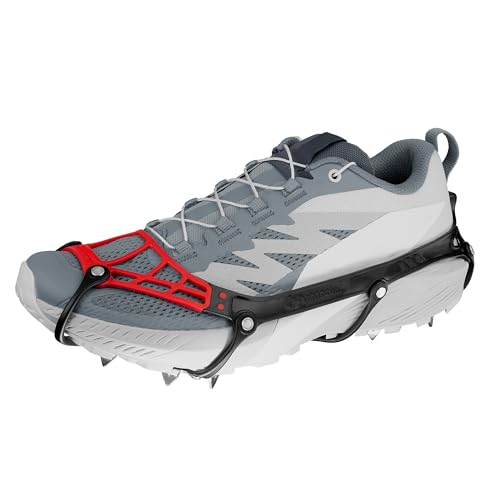
Kahtoola MICROspikes Ghost Footwear Traction

Winter Walking Spare Spike Ice Cleat

AGOOL Ice Cleats Crampon with Straps
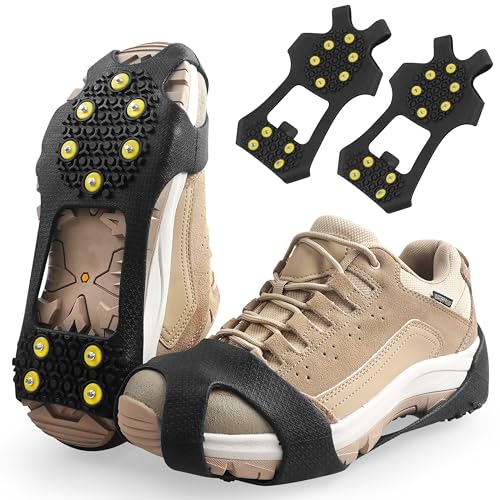
AGOOL Ice Cleats Crampons for Boots
The Strengths Of Each Pick
Backcountry hikers and ice anglers reach for the original MICROspikes when conditions turn serious. Twelve heat-treated stainless steel spikes per foot, arranged with eight at the forefoot and four at the heel, bite into frozen creeks and refrozen snowmobile tracks that defeat lighter designs.
The steel chain stretches across the sole like a fitted harness, which keeps the spikes planted where you place weight. For most winter hikers moving through rolling terrain, the tradeoff is extra heft on the foot in exchange for grip you can trust on a steep, icy descent.
Strong Points
- Twelve corrosion-resistant steel spikes distribute bite across both heel and forefoot
- Stainless steel construction handles wet snow and salty pavement without quick rusting
- Compact enough to stash in a pack pocket when the trail thaws out
- Trusted design backed by long-running availability and consistent sizing
Things To Consider
- Heavier than rubber or TPU (thermoplastic polyurethane, a flexible plastic) alternatives, noticeable on long approaches
- Steel teeth can scuff hardwood floors and indoor flooring when worn inside
- Pulling the chain taut over stiff mountaineering boots takes a little practice
Quick Facts
Made For
Winter hikers, backpackers, and ice anglers who need reliable grip on steep, mixed terrain and don’t mind a bit of extra weight on the foot.
Consider Something Else When
Trail runners and fast hikers will feel more comfortable with the lighter Kahtoola MICROspikes Ghost covered next.
Ghost is the lighter sibling to the MICROspikes above, trading steel chain for a thermoplastic polyurethane build that comes in at a fraction of the original weight. The streamlined TPR (thermoplastic rubber) toe harness slips onto flexible trail-running shoes without bunching.
Twelve spikes per foot keep the same forefoot-heavy bite pattern, so grip on the climb and descent feels familiar even if the platform underneath feels softer. For most runners logging cold miles, the lighter carry pays off before the first hill.
Where It Excels
- Noticeably lighter than steel chain designs on long, cold runs
- TPU body flexes with the shoe rather than fighting it
- Packs down small enough for a running vest or daypack
- Same twelve-spike layout as the classic MICROspikes
Honest Caveats
- Plastic construction feels less rugged than steel when scraped against rock
- Harness fits flexible footwear best and may not seat well on stiff mountaineering boots
- Spikes wear faster than tungsten on rough pavement or concrete
Right Fit For
Trail runners, fast hikers, and winter walkers who want genuine traction without the bulk of steel-on-snow gear.
Look Elsewhere When
The Winter Walking Spare Spike Ice Cleat is a smarter pick for industrial worksites where replaceable tungsten studs outlast plastic.
The Spare Spike is built for the wear-and-tear of long shifts on icy pavement, from mail carriers to roofers to anyone walking a frozen lot every morning. Tungsten carbide studs sit in a low-temperature elastic harness that stays flexible when the mercury drops well below freezing.
A built-in trim line lets you cut back heel traction if your work boots are shorter than the harness expects, which is a thoughtful touch for crews who share gear across boot shapes. For most job sites, that serviceability matters more than featherweight packability.
Real Benefits
- Tungsten carbide studs outlast standard steel on abrasive pavement
- Studs can be replaced once worn, extending the harness life
- Low-temperature elastic stays flexible in deep cold
Trade Offs
- Spike pattern is shallower than dedicated mountaineering traction, so it’s not meant for steep ice
- Sizing runs XS through XXL, and the wrong size will twist under hard use
Key Product Details
Whose Shelf It Belongs On
Delivery drivers, utility crews, and anyone logging daily miles on icy pavement who wants replaceable studs instead of disposable gear.
A Better Fit Elsewhere
Backcountry winter hikers tackling steep terrain will want the steel-tooth bite of the original Kahtoola MICROspikes instead.
AGOOL adds Velcro straps to the classic rubber overshoe, which solves the most common complaint about pull-on traction: the harness sliding sideways when the boot is narrow. For most errands across a slick sidewalk, that strap is the difference between trusting your step and white-knuckling it.
The aggressive cleat pattern grips packed snow and refrozen slush on neighborhood walks, dog routes, and grocery runs. The rubber stretches over casual boots and lace-up shoes without forcing you to size up your footwear.
Useful Highlights
- Velcro strap holds the harness centered on narrow or low-volume boots
- Rubber construction flexes easily over casual footwear
- Affordable entry into ice traction for occasional winter use
Points To Note
- Less bite on vertical ice than steel-toothed designs
- Strap adds a step to putting them on and taking them off
- Rubber hardens noticeably in extreme cold, which may limit grip on bitter mornings
Who Should Grab It
Casual walkers, dog owners, and anyone on narrow-footed boots who wants slip-on traction with extra security at the ankle.
Reach For A Different Pick When
Long-distance commuters may prefer the simpler AGOOL slip-on model in spot five, which trades the strap for faster on-and-off.
The sibling to the strapped version above, this AGOOL model skips the Velcro for a pure stretch-on fit, made from thermoplastic elastomer (a rubber-like plastic that bends easily in cold). You step in, the harness hugs the boot, and you walk out the door.
Detailed sizing runs from small through double extra-large, covering everything from a women’s size 4 to a men’s size 15.5. For most commuters and dog walkers stepping out twice a day, the faster on-and-off matters more than a strap’s added security.
A Few Strong Suits
- Stretchy rubber slips on and off in seconds
- Wide size range fits most adults in one household
- Lightweight enough to keep in a coat pocket for surprise storms
Practical Considerations
- Without a strap, fit can wander on very narrow boots
- Thermoplastic elastomer loses some flexibility on brutally cold mornings
Feature Snapshot
Best Suited To
Daily commuters, dog walkers, and households sharing one set of cleats across multiple boot sizes.
Where A Sibling Pick Shines
Walkers on narrow boots will feel steadier in the strapped AGOOL Crampon in spot four, since the Velcro holds the harness centered.
Choosing Ice Spikes For Boots That Fit Your Routes
Start with where your boots actually go. A pair that handles a flat, salted commute won’t keep you upright on a refrozen mountain trail, and the chunky steel traction built for backcountry routes feels punishing on a casual walk to the mailbox. Match the traction to the route, not the marketing.
Spike material matters more than spike count. Stainless steel bites hardest and lasts longest but adds weight and scuffs indoor flooring. Tungsten carbide (an extra-hard metal often used in cutting tools) holds a sharp edge through months of concrete walking. Thermoplastic polyurethane and rubber are lighter and gentler on floors but wear faster on abrasive surfaces.
Fit and stretch keep the harness doing its job. A harness that slides sideways on a narrow boot wastes every spike underneath it. Pull-on rubber designs are fastest, strapped designs grip narrow boots best, and chain-on traction wraps the most boot shapes for technical footwear.
Cold tolerance separates real traction from winter weather theater. Low-temperature elastic and TPR stay pliable when the thermometer plunges, while basic rubber stiffens and skips across ice. Anyone walking below ten degrees Fahrenheit benefits from a build rated for deep cold.
Quick Notes Before You Buy
Pitfalls Shoppers Hit
The most common mistake is buying aggressive mountaineering traction for daily errands. Steel teeth chew up car floor mats and grocery store tile, and the extra weight tires feet on flat ground. The flip side is just as common: stretching a casual rubber overshoe onto a winter hike, then watching it slide on the first icy slope.
Sizing slips through the cracks too. Pull-on traction that looks fine over a winter boot may twist and flop over a casual sneaker. Worth measuring both the boot length and the boot width before settling on a size, since harness stretch varies by model.
What The Higher Tier Buys
Spending more on premium ice spikes generally means harder metal, better cold-rated elastomers, and replaceable parts. Tungsten carbide studs, TPU bodies that flex below freezing, and field-replaceable spikes all extend service life and improve grip in conditions where budget builds flatten out.
For most household walkers, a mid-tier pick handles the job. The upgrade is worth it for daily commuters logging miles on abrasive pavement, backcountry users pushing into technical terrain, and anyone who plans to keep the same pair for multiple winters.
Frequently Asked Questions
How long do ice spikes for boots last? Steel and tungsten carbide spikes can hold their bite for several winters of regular use, while plastic and rubber designs typically wear faster on rough pavement. Studs on serviceable harnesses can often be swapped individually when they finally round off.
Can I wear ice spikes on regular shoes? Pull-on rubber models stretch over sneakers and casual boots, but chain-on traction is sized for hiking and work boots. Running shoes usually pair best with ultralight designs like the MICROspikes Ghost, which flex with a low-volume fit.
Will ice spikes damage indoor floors? Steel traction can scuff hardwood, tile, and laminate, so most walkers remove the spikes before going inside. Rubber and TPU designs are far gentler on flooring and can usually stay on for short indoor stretches.
Do ice spikes work on black ice? Hard metal spikes bite into clear, glassy ice that defeats plain rubber soles. Softer rubber cleats help on packed snow but lose effectiveness on truly smooth black ice.
How do I clean and store ice spikes? A stiff brush knocks off packed snow and grit after use, and a dry bin keeps the harness from corroding between storms. Steel and elastic builds appreciate a quick wipe-down before long-term storage.
Final Verdict
The right ice spikes for boots come down to where your boots walk most days. Mountain trails and ice-encrusted backcountry routes call for the steel-toothed bite of the original Kahtoola MICROspikes, while trail runners and commuters will barely notice the lighter Ghost design. Job sites and daily pavement miles favor the replaceable tungsten studs of the Winter Walking Spare Spike, and casual winter errands settle comfortably into either AGOOL rubber overshoe. Pick the pair that matches your usual terrain, and your boots will earn their traction back with every step.