Shopping for tiny feet that happen to be wider than the chart average is a real puzzle. Standard infant shoes squeeze the toe box, rub at the heel, and come back off before you reach the car door. The right pair stays put, lets the foot splay naturally, and still looks cute for the inevitable grandparent photo. Five options below cover a range of styles, from casual moccasins to first-walker sneakers.
How The Shortlist Stacks Up

Twisted X Driving Moc
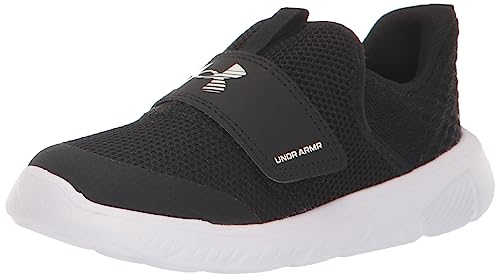
Under Armour Kids Flash (Toddler)

Twisted X Infant’s Chukka Driving Moc (Pink/White)

BMCiTYBM Baby Walking Shoes First Walkers

FEETCITY Baby Walking Shoes Wide Crib Shoes
Meet The Standout Selections
Starting the list with a familiar silhouette, the Twisted X Driving Moc leans into the casual-American look that’s been around since the brand made its name on grown-up comfort. The driving-moc shape gives a wider, more relaxed toe box than a standard oxford, which is a quiet win for parents chasing a little extra wiggle room for wider feet.
The styling leans patriotic in this colorway, so think special-occasion days rather than playground duty. For most family gatherings where dress is “polished-casual,” this one reads well in photos.
What Makes Sense
- The driving-moc last gives a naturally roomy forefoot, a real plus if standard infant oxfords feel tight.
- Slip-on entry keeps morning routines smooth when a wriggling toddler has other plans.
- The classic silhouette handles family events, mini-photo sessions, and even mild outdoor wear without looking out of place.
- Soft construction around the collar tends to reduce the hot spots wider feet often hit at the ankle.
Things To Consider
- Limited availability and odd sizing can mean a longer hunt for the right fit on chubbier feet.
- The decorative finish may scuff with heavy playground use, so it’s a better fit for occasional wear.
Key Product Details
Made For
Parents dressing infants with wider feet for family events, casual outings, or photo days where a clean, polished look matters more than heavy-duty play.
Consider Something Else When
The FEETCITY Wide Crib Shoes suit you better if all-day playground wear and a more flexible, breathable upper rank higher than a polished silhouette.
Where the Twisted X leans heritage, the Under Armour Kids Flash swings hard toward function. It’s a toddler shoe built for movement: a breathable upper, an adjustable hook-and-loop strap, and the kind of cushioned EVA midsole that absorbs impact on hard floors.
For active toddlers logging serious steps at daycare or on weekend outings, the design speaks directly to parents chasing athletic support without a stiff feel. Stock can be patchy in certain sizes, so planning ahead helps.
Where It Excels
- Lightweight EVA midsole cushions every step on tile, wood, and pavement.
- Hook-and-loop strap makes on-and-off quick, even with a squirmy toddler.
- Reinforced toe cap protects against the toe-stubbing that’s basically a toddler rite of passage.
- EVA sockliner adds soft, step-in comfort that helps with reluctant shoe-wearers.
Worth Noting
- Availability is sometimes limited in popular toddler sizes, so re-stocking isn’t always instant.
- The athletic last runs a touch narrower than the FEETCITY option, so very wide feet may feel snug across the forefoot.
Built With In Mind
Active toddlers who log long days at daycare, on playdates, or at the park, especially those with feet that lean medium-width rather than extra-wide.
A Better Fit Elsewhere
The FEETCITY Baby Walking Shoes make more sense if your child has truly wide feet and a breathable, roomy fit matters more than athletic cushioning.
Twisted X returns on the list, this time with a smaller, softer take designed for the littlest feet. The pink-and-white gingham fabric upper swaps the more patriotic look of the adult version for something that photographs beautifully at family events and milestone moments.
The driving-moc construction stays the same, so the toe box keeps its wider, foot-shaped profile. For most parents outfitting a baby girl with wider feet for occasional wear, the combination reads as dressy without feeling stiff.
What Helps Most
- Fabric upper is naturally soft, which reduces break-in time on sensitive skin.
- Cushioned EVA footbed absorbs light impact during early cruising and pre-walking play.
- The gingham pattern adds visual charm that holds up in family photos and milestone pictures.
- Chukka-height collar offers light ankle coverage without restricting movement.
Points To Note
- Light fabric shows scuffs faster than a leather or synthetic upper, so heavy outdoor play isn’t ideal.
- Stock tends to run in shorter cycles, so waiting too long risks missing a size.
The Right Fit For
Parents dressing infants with wider feet for occasional outings, christenings, milestone photo sessions, or family gatherings where presentation matters.
Reach For A Different Pick When
The BMCiTYBM First Walkers fit better if your little one is actively cruising or taking first steps and needs a more rugged, every-day sole.
When the baby shifts from cruising to those first wobbly steps, shoe priorities change. The BMCiTYBM First Walkers lean into a flexible, lightweight build that lets new walkers feel the floor beneath them, rather than wrestling a stiff sole.
The unisex styling works across outfits, and the slip-on entry makes them a friendly pick for tired parents. For most households, this is the “real shoes” stage where comfort starts to matter more than cuteness.
Where It Helps
- Flexible sole bends with the foot, which supports natural gait during early walking.
- Slip-on construction keeps the morning exit fast, even with a wiggling toddler.
- Wide toe box accommodates chubby feet and growing foot widths without compression.
- Lightweight build means less fatigue on early walkers still building stamina.
Some Limits To Know
- Lacks the structured cushioning of athletic picks like the Under Armour Flash, so long daycare days may tire feet faster.
- Simple styling may not photograph as cleanly as the Twisted X options for milestone events.
- Less arch support than a fully structured shoe, so heavy use on hard floors may not suit every household.
Best Suited To
Newly walking babies with wide or chubby feet whose parents want a flexible, easy-on shoe for everyday use at home and short outings.
Swap It Out When
The Under Armour Kids Flash is a stronger match for long daycare days where structured cushioning and a reinforced toe cap matter more than a slip-on entry.
Closing the list with a true wide-foot specialist, the FEETCITY Crib Shoes earn their place by leaning hard into barefoot-style construction. The breathable mesh upper keeps tiny feet cool, and the slip-on entry means no wrestling match during nap-time transitions.
For pre-walkers and early cruisers with extra-wide feet, the roomy last tends to solve the squeeze that standard infant shoes often cause. You may find the soft upper scuffs faster than a tougher material, but the comfort tradeoff is the whole point.
A Few Highlights
- Breathable mesh keeps feet cooler during warm-weather outings and longer wear sessions.
- Wide, barefoot-friendly last gives extra-wide feet real room to splay.
- Slip-on design simplifies dressing, especially helpful for caregivers wriggling a baby into shoes.
- Soft, flexible build mirrors a barefoot feel that supports natural foot development in pre-walkers.
What To Weigh
- Mesh upper scuffs and stains more easily than leather or synthetic, so care takes a little more attention.
- Limited structure means less protection during heavy outdoor play.
Whose Shelf It Belongs On
Parents of pre-walkers or early cruisers with extra-wide feet who want a soft, breathable, slip-on shoe for everyday indoor and light outdoor wear.
Where A Sibling Pick Shines
The BMCiTYBM First Walkers suit you better when your little one is fully walking and needs a slightly more rugged build for daily outings.
What To Look For Before Choosing Infant Shoes For Wide Feet
Toe Box Shape And Forefoot Width
The single biggest tell of a wide-friendly shoe is a toe box that mirrors the natural shape of the foot, rather than tapering to a point. Look for silhouettes described as round-toe, moc-toe, or barefoot-style. A foot-shaped last lets the toes spread on push-off, which matters more for wide feet than for narrow ones. If a shoe visibly squeezes the forefoot when your child stands, it’s the wrong last, regardless of the printed size.
Flexibility Of The Sole
For pre-walkers and early walkers, a sole that bends easily at the ball of the foot supports natural gait development. Stiff soles force the foot to fight the shoe, which can throw off balance work. Bend the shoe in your hand: it should fold cleanly without much resistance. As kids grow into confident walkers, slightly more structure helps, but flexibility stays a baseline.
Upper Softness And Breathability
Soft uppers, like fabric, mesh, or knit, adapt to wider feet without pressure points. Breathable materials also reduce sweating, which can lead to friction blisters when feet swell during active play. For warm climates and long daycare days, breathable uppers are a quiet upgrade parents notice after a single afternoon.
Closure Style And Ease Of Entry
Hook-and-loop straps and slip-on openings both make life easier, but in different ways. Straps offer a more customized fit when feet vary in volume, while slip-ons trade some adjustability for speed. Consider who’ll be putting the shoes on: grandparents, daycare teachers, and tired parents all appreciate fast entry.
Key Takeaways Across These Picks
Where Shoppers Go Wrong
Plenty of parents size up to “make room” for wide feet, but a too-long shoe causes different problems, like tripping, blisters at the heel, and toe-cramming at the front end. Width and length should both grow independently. Another common slip is choosing shoes that are too structured too early: rigid soles on pre-walkers can interfere with natural foot development. Aim for flexible soles until walking is confident, then introduce more structure.
What The Higher Tier Buys
Spending more in this category usually buys better materials, like leather uppers that mold to the foot, longer-lasting soles, and more thoughtful lasts designed around real foot shapes rather than scaled-down adult shapes. The premium tier also tends to include wider size runs, so very wide feet have a genuine fit instead of a forced compromise. For occasional dress-up wear, mid-tier is plenty. For daily, all-day wear, the upgrade usually pays off in fewer replacements and fewer sore-foot evenings.
Frequently Asked Questions
How Do I Know If My Baby Has Wide Feet?
A simple at-home check works: compare your child’s foot width to the insole of a shoe they currently wear. If their foot spreads past the insole edges when standing, they’re likely wide. Many pediatricians also flag wide feet during routine checkups, especially if shoes constantly come off or leave red marks at the sides.
When Should Babies Start Wearing Shoes?
Most pediatric sources recommend barefoot time at home for early walkers, with shoes reserved for outdoor surfaces and cold-weather outings. Shoes before confident walking tend to be more about protection and appearance than gait support.
How Often Should I Re-Measure Growing Feet?
Every two to three months for infants and toddlers is a sensible rhythm, since feet grow in quick bursts. Re-measure before ordering new shoes, especially if your child recently had a growth spurt or the current pair looks visibly tight at the toe.
Are Soft-Soled Shoes Better Than Structured Ones?
For pre-walkers and early walkers, soft soles generally support natural foot movement better. Once walking is steady and outdoor time increases, slightly more sole structure helps with protection and durability on rough surfaces.
Can Wide Shoes Help With Foot Shape Concerns?
Properly fitted wide shoes reduce compression on wider feet, which helps avoid blisters, calluses, and gait changes from compensating in too-tight shoes. They don’t reshape feet, but they do remove a common source of discomfort during early development.
Wrap Up
Wide-footed infants thrive in shoes that match the natural spread of their toes, not the narrow taper of standard lasts. The right silhouette, sole flexibility, and upper softness vary by use case, but comfort stays the constant. Pick the pair that fits the day’s reality, and your child’s feet will thank you in quieter steps and easier mornings.