Long days on concrete punish your feet, and a heavy steel toe only makes it worse. Composite toe boots solve that problem by trading a bit of cold-weather tolerance for genuine weight savings, so you finish a shift without that leaden feeling. The trick is matching the boot to the work, because not every “lightweight” pick delivers on protection, slip resistance, or all-day comfort.
The Shortlist At A Glance
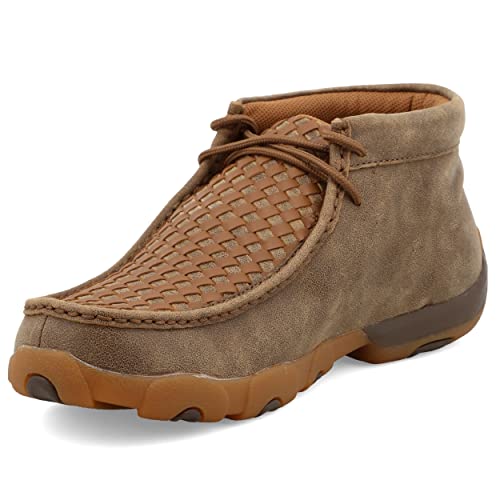
Twisted X Men’s Chukka Driving Moc Boot

Twisted X Men’s Original Lace Up Driving Moc

PUMA Conquest CTX Comp Toe WP Boot

HexArmor Xbase Professional Safety Boots
What Each Pick Brings To The Table
This Twisted X Chukka sits in that gray zone between a casual shoe and a light work boot, which is exactly what makes it appealing for shop owners, ranch weekends, or warehouse shifts where heavy safety ratings aren’t required. The full-grain leather upper wears in like a favorite pair of shoes, so by month two it should hug your foot instead of fighting it. Compared to the heavier safety picks later in this list, this one trades toe protection for breathability and a lower profile, which is a fair swap for many non-certified tasks.
You get the comfort of a driving moc (a shoe built with a flexible heel for pedal work) wrapped in a chukka silhouette, and the leather-wrapped outsole keeps the look more weekend than job site. For drivers, hobbyists, or anyone logging steps on hard floors without strict safety rules, that balance is the whole point.
Everyday Perks
- Full-grain leather breaks in gradually for a personalized fit
- Driving moc construction supports natural foot flex on long shifts
- Casual chukka profile pairs easily with jeans or work khakis
- Lighter feel than traditional safety boots, helping reduce leg fatigue
Things To Consider
- No composite or steel toe, so it does not satisfy jobs requiring impact-rated footwear
- Leather needs occasional conditioning to resist drying and cracking over time
- Slip resistance on oily floors is not formally rated for industrial use
Who Should Grab It
You split time between light workshop tasks, errands, and weekend wear, and you want one boot that handles all three without feeling like work gear.
Where Another Pick Suits Better
Anyone working a regulated job site should step up to the PUMA Conquest CTX, which carries the composite toe and slip-rated outsole that this Twisted X is built without.
The Original Lace-Up keeps the same Twisted X DNA as the first pick but swaps the slip-on feel for traditional laces, which gives you a more locked-in fit around the ankle. Handcrafted full-grain leather does most of the heavy lifting, and the leather-wrapped outsole keeps the silhouette clean enough for a dinner out after a long shift. It’s a more secure-feeling option than its slip-on sibling when you’re climbing ladders or stepping over uneven terrain.
Like the Chukka, this one leans casual rather than certified, so it works best where comfort outranks impact protection. For shoppers who liked the first Twisted X but want more adjustability, this is the natural next step.
Benefits That Matter
- Lace closure lets you fine-tune fit across the instep and ankle
- Full-grain leather develops character with regular wear
- Moc toe design adds room for toes during long standing days
- Lower weight than steel-toe alternatives reduces end-of-day foot drag
- Versatile enough for both light work settings and casual outings
Honest Caveats
- Still not a safety boot, so check your workplace requirements before buying
- Lace eyelets may need inspection periodically to catch wear early
Feature Snapshot
Right Fit For
You want a comfortable, well-built leather boot for light tasks, weekends, and travel days, and you prefer laces over a slip-on construction.
Skip It When
You work in a setting that demands certified toe protection, where the HexArmor Xbase delivers the ASTM coverage this Twisted X simply does not provide.
The PUMA Conquest CTX is where this list shifts into proper industrial territory. It pairs a composite toe (a non-metallic cap that meets impact standards without the cold-conducting feel of steel) with a waterproof build, a side zip for fast on-and-off, and a rubber outsole rated for slip, oil, and heat exposure. On a wet construction site, that combination is less about nice-to-haves and more about staying upright.
Compared to the two Twisted X picks above, this one is heavier in hand but lighter on the foot than steel-toe equivalents, which is the whole appeal of the composite design. The lateral YKK zipper (a side-mounted metal zipper from a trusted hardware brand) with a gusset (a small fabric flap that blocks debris from entering through the zip) also saves real time on boots you lace once and use all week.
Points In Its Favor
- Composite toe meets ASTM F2413-18 standards for impact and compression
- Waterproof lining keeps feet dry through puddles, slush, and wet concrete
- Side zip with gusset cuts down on repeated lacing through the workday
- Heat-resistant rubber outsole handles contact with hot surfaces
- Cushioned footbed and PU midsole reduce joint stress on long shifts
Worth Noting
- Heavier and stiffer than casual moc styles, so break-in takes longer
- Taller shaft may feel warm in mild weather, since waterproof membranes limit airflow
- Side zip hardware can collect debris and should be cleaned periodically to stay smooth
Built With In Mind
You work construction, warehousing, or another regulated environment where composite toe protection, waterproofing, and slip resistance are non-negotiable.
Another Choice May Suit
If you don’t need metatarsal coverage and want a more casual daily wearer, the Twisted X Original Lace-Up Driving Moc trades certification for all-day comfort.
HexArmor built the Xbase for the jobs where a standard composite toe isn’t enough. It layers a metatarsal guard (a reinforced plate that protects the bones across the top of the foot, not just the toes) on top of the composite toe cap, so falling debris, rolling stock, and heavy tools hit a boot that was designed to take it. The waterproof construction and slip-resistant outsole round out a package aimed squarely at industrial and heavy-trade work.
It’s the heaviest, most protective option in this roundup, so it makes most sense for hazardous environments rather than everyday wear. Versus the PUMA Conquest, the Xbase leans further into safety and away from athletic comfort, which is a fair trade when your foot is the thing between you and a serious injury.
Useful Strengths
- ASTM-rated composite toe and metatarsal guard cover more impact zones
- Waterproof build keeps feet dry in standing water and poor weather
- Slip-resistant outsole supports footing on slick industrial floors
- High-durability construction suited to rough daily use
- Black leather option offers a cleaner look for mixed work-and-office days
Trade-Offs To Consider
- Heaviest boot in this roundup, which can wear on legs over 10+ hour shifts
- Metatarsal protection adds bulk, so the boot feels clunkier than lighter alternatives
- Stiffer upper typically requires a longer break-in before it feels natural
Technical Highlights
Best Suited To
You work in heavy industry, utilities, or construction with overhead hazards, and you want maximum foot protection from a single boot.
Look Elsewhere When
You mainly need comfort and casual styling, in which case the Twisted X Chukka Driving Moc Boot is lighter, easier on the feet, and far less industrial.
What Matters Most Before Choosing Lightweight Composite Toe Work Boots
Weight vs Protection Balance
A composite toe can shave significant weight off a boot compared to a steel toe, but adding metatarsal guards, waterproof membranes, and thicker outsoles can offset those savings fast. Run the numbers in your head: a lighter boot on day one may still feel heavy by hour ten if it’s overloaded with safety features. The right balance depends on whether your biggest complaint is foot fatigue or inadequate coverage, and most workers benefit from choosing one priority instead of trying to max out both at once.
Workplace Safety Requirements
Before anything else, check what your job site actually requires. A casual composite toe boot may satisfy some warehouses but fall short on construction sites that demand specific ASTM ratings, electrical hazard protection, or metatarsal guards. Bringing the wrong boot to a regulated site is a hassle you’ll feel twice: once when you’re turned away, and again when you’re stuck paying for a second pair. The HexArmor Xbase and PUMA Conquest both clear common industrial bars, while the Twisted X picks are better matched to casual and light-duty settings.
Comfort Features That Earn Their Keep
Cushioned footbeds, breathable linings, and flexible midsoles matter more than people expect on a long shift. A boot that feels fine in a parking lot try-on can feel brutal by lunchtime if the insole compresses too quickly. Look for removable footbeds if you plan to swap in custom orthotics, and pay attention to shaft height, since taller boots support the ankle better but trap more heat.
Fit, Sizing, and Break-In
Composite toe boots often run a half size small because the cap takes up interior space, so trying them on with your usual work socks is a smart move. Leather-lined models stretch over time, while synthetics tend to hold their shape, and that difference shapes how forgiving the boot feels during the first two weeks. Plan for at least a few shifts of break-in before judging a new pair.
Key Considerations Across These Picks
Where Shoppers Go Wrong
A common slip-up is buying a “composite toe” boot and assuming it automatically meets your job’s safety standards, when the ASTM rating, electrical hazard protection, and metatarsal coverage can vary widely between models. Another is choosing the lightest possible boot without checking the outsole rating, which often matters more than toe material on slick floors. Always match the boot’s listed certifications to your actual workplace rules, not the marketing language on the box.
The Case For Spending Up
Higher-tier boots in this category typically add metatarsal guards, premium waterproof membranes, and more durable outsole compounds that hold up to heat, oil, and abrasion. For occasional use, the value picks make sense, but for daily industrial work, the upgrade often pays for itself through longer lifespan and fewer foot-related missed days. The honest read is that spending more is worth it whenever the cost of a boot failure on the job outweighs the price difference between entry and premium tiers.
Frequently Asked Questions
Are composite toe boots really lighter than steel toe boots?
Yes, composite materials like carbon fiber and fiberglass weigh noticeably less than steel, which reduces leg fatigue over long shifts.
Do composite toe boots get cold in winter?
No, composite toes don’t conduct cold the way steel does, so they tend to feel more comfortable in cold or outdoor environments.
Can I wear composite toe boots through airport security?
Yes, composite toes are non-metallic, so they typically won’t trigger metal detectors the way steel-toe boots can.
How long should a good pair of composite toe work boots last?
Most quality pairs last one to three years of regular industrial use, depending on conditions, care, and how often you rotate pairs.
Do I need metatarsal protection on top of a composite toe?
You do for jobs with falling or rolling hazards, like heavy construction or foundry work, but it’s overkill for general warehouse or delivery roles.
Final Verdict
The right boot depends entirely on where you spend your workday. Casual users will be happier with a Twisted X moc for its all-day comfort and easy break-in, while regulated job sites call for the PUMA or HexArmor safety builds. Match the boot to the actual hazards you face, give yourself a week to break them in, and your feet will thank you long after the shift ends.