Hitting the trail doesn’t require draining your gear budget. Plenty of capable hiking shoes handle mud, rock, and unexpected rain without crossing into premium price territory. The trick is matching the shoe’s design strengths to your usual terrain, your foot shape, and how much weight you’re hauling on your back.
For weekend loop hikes, dog-walking trail networks, or your first multi-day section hike, these six options prove you can gear up smartly. You’ll find a mix of low-cut trail runners and supportive mids below, so you can pick the silhouette that fits your style.
The Essentials At A Glance

On Cloudhorizon Waterproof Hiking Shoe

Oboz Sawtooth II Low Waterproof Hiking Shoe

ASOLO Space GV Durable Hiking Shoes
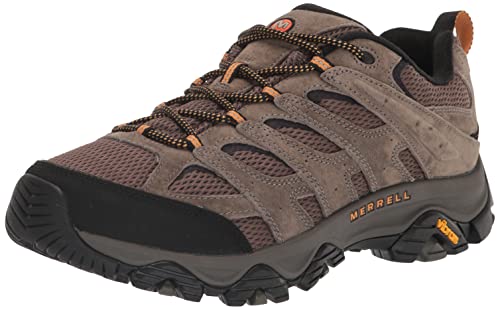
Merrell Moab 3 Hiking Shoe

Merrell Moab 3 Mid Hiking Boot

Merrell Moab 3 Mid Waterproof Hiking Boot
A Deeper Look At The Lineup
Built for hikers who log serious mileage and want a soft, cushioned landing, the On Cloudhorizon leans into trail-running DNA with a waterproof membrane. The signature CloudTec Phase design (a segmented sole that compresses on impact for a softer step) absorbs rock shock, so ten-mile days feel a lot less punishing on your knees. It runs lighter than most traditional hikers, which helps on long climbs when every ounce on your feet matters.
You’ll appreciate this shoe most on maintained dirt paths, forest service roads, and rolling terrain where speed and comfort matter more than ankle support. Compared to the Oboz Sawtooth II below, it trades burly leather protection for a nimble, running-shoe feel that disappears on your feet after a few miles.
The Value In It
- CloudTec cushioning softens rocky terrain and reduces foot fatigue on long days
- Waterproof construction keeps feet dry through puddles and morning dew
- Lightweight build suits hikers who count grams or want a running-shoe stride
- Sleek low-cut silhouette transitions easily from trail to town
Things To Consider
- Low-cut design gives minimal ankle protection on rocky or off-trail routes
- Cushioned sole wears faster than denser rubber compounds found on burlier hikers
- Trail-runner fit feels snug for hikers used to roomy toe boxes
Feature Snapshot
Best Suited To
Long-distance day hikers tackling rolling dirt trails who want cushion over ankle protection.
Consider Something Else When
You carry a heavy pack over rocky, off-trail terrain, where the Merrell Moab 3 Mid Waterproof Hiking Boot offers more security.
The Oboz Sawtooth II Low takes aim at hikers who treat mud and water crossings as part of the fun. The B-DRY waterproof membrane seals out moisture while mesh vents release heat, so soggy boots stay a little less swampy on humid days. The asymmetric ankle collar (a heel cup that curves higher on one side for natural ankle support) and redesigned heel counter (the rigid plastic piece that wraps the back of the foot for stability) hold your foot steady without pressure points on long descents.
This shoe handles Pacific Northwest rainforest trails, spring snowmelt creeks, and post-storm scrambles without blinking. Unlike the On Cloudhorizon’s running-shoe feel, the Sawtooth II delivers a more planted, traditional hiking stance that inspires confidence on uneven ground.
What Stands Out
- B-DRY waterproofing handles stream crossings and puddle-heavy trails confidently
- Breathable mesh vents reduce heat buildup during summer climbs
- Asymmetric collar and revamped heel counter lock the foot in place
- Durable construction handles rocky approaches without wearing thin fast
Honest Caveats
- Break-in period may take a few short hikes before the leather softens
- Waterproof membrane reduces airflow compared to non-waterproof alternatives
- Heavier than trail runners like the On Cloudhorizon
Right Fit For
Wet-climate backpackers and Pacific Northwest hikers who cross streams and don’t want soggy socks.
A Better Fit Elsewhere
Speed-focused hikers logging miles on smooth dirt would find the On Cloudhorizon Waterproof Hiking Shoe lighter and livelier.
Italian bootmaker Asolo built the Space GV for hikers who want serious trail hardware without paying boutique prices. The “GV” in the name hints at the Gore-Tex membrane (a waterproof-breathable lining that blocks water while letting sweat vapor escape) tucked inside a tough suede upper, giving you wet-weather protection in a low-cut package. The wider toe box accommodates thicker socks and lets your toes splay naturally on long downhills.
You reach for these when conditions get rough but the route stays low-cut. Relative to the Merrell Moab 3 below, the Space GV leans into European construction with a stiffer feel out of the box that softens considerably after a few miles.
Notable Gains
- Suede upper resists abrasion on rocky scrambles and brushy trails
- Gore-Tex membrane handles wet conditions while allowing some breathability
- Wider toe box accommodates natural foot splay on descents
- Asolo’s trail-tested construction delivers long-term durability
Trade-Offs To Consider
- Stiffer midsole requires a longer break-in than softer competitors
- Heavier than trail-running styles for hikers chasing speed
- Suede upper needs occasional cleaning to maintain appearance and performance
Quick Facts
Who Should Grab It
Budget-conscious hikers tackling rough terrain who want proven construction without paying premium prices.
Reach For A Different Pick When
You prioritize immediate comfort over durability, in which case the Merrell Moab 3 Hiking Shoe breaks in faster.
The Merrell Moab has earned its reputation as the gateway hiking shoe for good reason. Version 3 keeps everything that made earlier Moabs beloved and adds a more supportive insole plus a grippier Vibram outsole (a high-traction rubber tread made by a well-known Italian sole manufacturer) that bites better into loose dirt and wet rock. You can pull these out of the box, lace up, and tackle a five-mile loop without hot spots or pinch points.
These belong on your feet for dog walks on dirt trails, casual weekend hikes, and quick after-work outings. Compared to the Asolo Space GV above, the Moab 3 trades burliness for immediate comfort and a lighter overall feel.
Strong Points
- Out-of-the-box comfort eliminates break-in friction and blisters
- Grippier Vibram outsole handles loose dirt and wet roots confidently
- More supportive insole reduces foot fatigue over multi-hour outings
- Versatile build works for trail walking, light travel, and casual use
Points To Keep In Mind
- Non-waterproof version soaks through in heavy rain or deep puddles
- Mesh upper collects debris on dusty trails without gaiters
- Low-cut profile gives no ankle support on rocky or uneven ground
Made For
Casual trail walkers and beginner hikers who want comfort first, exploring moderate terrain close to home.
Look Elsewhere When
You face wet conditions or rough terrain, where the Merrell Moab 3 Mid Waterproof Hiking Boot adds weather sealing and ankle security.
Take the Moab 3 formula, add a mid-cut ankle collar, and you get a boot that swallows loose scree and uneven terrain for breakfast. The taller shaft stabilizes your ankle on side-slope traverses and prevents rolled ankles when you step on a hidden rock. You keep the same cushioned midsole and supportive insole that made the low-cut version famous, just with more protection built in.
This boot suits day hikes with light packs across rocky desert canyons or mountain trails where footing gets unpredictable. It sits as a middle ground between the Moab 3 low above and the waterproof version below, giving you ankle support without weather sealing.
The Practical Payoff
- Mid-cut collar stabilizes ankles on rocky terrain and side-slope traverses
- Same cushioned midsole as the low-cut Moab for proven comfort
- Grippier Vibram outsole delivers traction across varied surfaces
- Reasonable weight for the support level, suitable for all-day wear
Less Ideal Details
- Non-waterproof build leaves feet vulnerable to wet grass and rain
- Mid-cut shaft runs warmer than low-cut alternatives in summer heat
- Less versatile for casual off-trail wear than low-cut hiking shoes
Key Product Details
Whose Shelf It Belongs On
Hikers tackling rocky and uneven terrain who need ankle support without full-weight backpacking boots.
Swap It Out When
You hike in wet climates or shoulder seasons, where the Merrell Moab 3 Mid Waterproof Hiking Boot adds a critical moisture barrier.
The most protective boot in the Moab family wraps the mid-cut support with a waterproof membrane, so wet grass, muddy trails, and unexpected rain no longer end your hike early. You get the same supportive insole, softer cushioned midsole, and grippier Vibram outsole as the rest of the Moab 3 lineup. It’s the boot you grab when the forecast looks gray and the trail reports mention creek crossings.
You’ll find yourself reaching for this on shoulder-season hikes, early morning starts with dew-soaked grass, and any outing through swampy lowlands. Next to the non-waterproof Moab 3 Mid above, you sacrifice a bit of breathability for staying dry, which is usually a fair trade.
Points In Its Favor
- Waterproof membrane keeps feet dry through wet grass, mud, and rain
- Mid-cut collar stabilizes ankles on uneven or rocky ground
- Cushioned midsole reduces fatigue over long distances
- Grippier Vibram outsole maintains traction in slick conditions
Worth Bearing In Mind
- Waterproof barrier reduces airflow in hot, dry summer conditions
- Mid-cut height runs warmer than low-cut alternatives
- Slightly heavier than non-waterproof siblings, noticeable on long climbs
Who Will Love This
Four-season hikers and backpackers who face wet conditions, muddy trails, or unpredictable shoulder-season weather.
Not Your Match When
You mostly hike dry desert trails in summer heat, where the non-waterproof Merrell Moab 3 Mid Hiking Boot breathes better.
How To Choose The Right Low Cost Hiking Shoes
Match The Cut To Your Terrain
Low-cut hiking shoes weigh less and breathe better, making them ideal for maintained trails, rolling terrain, and hikers who move at a faster pace. Mid-cut boots add ankle support through a taller collar, which helps on rocky scrambles and side-slope traverses but adds weight and warmth. For most day hikers on established trails, a low-cut shoe gives enough protection, while mid-cut boots earn their keep when the route gets rugged.
Decide On Waterproofing
A waterproof membrane blocks rain and puddle splash but reduces breathability, so your feet run hotter in dry summer conditions. Non-waterproof shoes let heat and moisture vapor escape freely, keeping you cooler on warm dry trails. In wet climates, shoulder seasons, or any terrain with stream crossings, waterproofing pays for itself in comfort.
Consider Weight And Cushion
Trail-running styles like the On Cloudhorizon use lightweight cushioning for speed and comfort over long distances, but they wear faster and offer less protection. Traditional hiking shoes and boots use stiffer midsoles and tougher outsoles that handle abuse but feel heavier. Heavier hikers and those carrying packs benefit from stiffer construction, while speed-focused hikers prefer lightweight cushioning.
Fit And Break-In
Most hikers benefit from trying shoes on with the socks they plan to wear and walking a few laps to feel for pressure points. Suede and leather builds like the Asolo Space GV soften over time but need a longer break-in. Synthetic and mesh builds like the Merrell Moab break in almost immediately, which helps if you want comfort from mile one.
Key Considerations Across These Picks
Common Buying Slip Ups
Chasing the cheapest option often leads to shoes that lack proper traction or support, turning a fun hike into a foot-pain endurance test. Another trap is picking a waterproof shoe for hot, dry trails where breathability matters more than moisture protection. Fit trumps features every time, so always prioritize how a shoe wraps your foot over the spec sheet.
Where The Extra Money Goes
Stepping up to a mid-tier hiking shoe typically buys you better outsole rubber compounds, stronger upper materials, and more refined midsole cushioning that lasts longer. Premium picks add lighter builds, advanced waterproof membranes, and trail-running DNA for speed. For most casual hikers, the mid-tier offers the best balance of cost and capability.
Frequently Asked Questions
Are Low Cost Hiking Shoes Durable Enough For Regular Use?
Yes, for most day hikers, low cost hiking shoes from reputable brands hold up well on maintained trails. Look for models with Vibram outsoles and reinforced toe caps if you tackle rocky terrain regularly.
How Often Should I Replace Hiking Shoes?
Most hiking shoes last 500 to 800 miles before the outsole tread wears smooth and cushioning compresses. Carrying heavy loads or hiking abrasive terrain shortens that lifespan considerably.
Do I Need Waterproof Hiking Shoes For Summer Hikes?
Not necessarily. Waterproof membranes trap heat in warm dry conditions, which can cause blisters and discomfort. Non-waterproof shoes breathe better and feel cooler on hot summer trails.
Can Hiking Shoes Work For Backpacking With A Heavy Pack?
For light packs under 25 pounds, low-cut hiking shoes handle most established backcountry trails fine. Heavier loads demand mid-cut boots or backpacking-specific footwear for proper support and protection.
How Do I Find The Right Size In Hiking Shoes?
Try them on with the socks you plan to wear and leave a thumb’s width of space at the front of the toe box. Feet swell on long hikes, so snug fits become painful over miles.
Wrap Up
Your best hiking shoe depends on the terrain you cover and the weather you face most often. Start by deciding between a low-cut or mid-cut silhouette, then weigh waterproofing against breathability based on your climate. Any of these six options will serve you well on the trail, so trust your fit and your honest assessment of where you hike most.