Low cut hiking shoes hit a sweet spot that boots often miss: enough grip and protection for real trails, without the weight and break-in time that turn casual hikers off. You get ankle freedom on rolling terrain, faster foot placement on scrambles, and a lighter pack on long days.
The five pairs below cover the main scenarios hikers face in 2026. Day hikers, backpackers, water-crossing travelers, and weekend trail walkers each get a focused recommendation. Specs and design choices are explained in plain language so you can match the right shoe to your terrain, distance, and load.
A Side-By-Side Look

ASOLO Men’s Space GV Durable Hiking Shoes
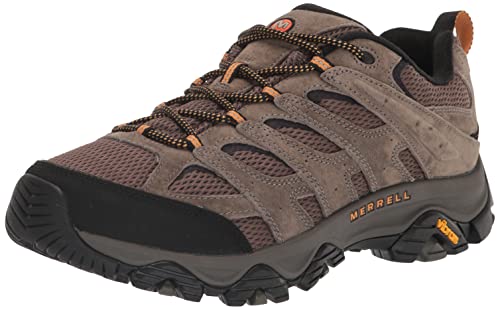
Merrell Men’s Moab 3 Hiking Shoe

Merrell Men’s Moab 3 Mid Hiking Boot

Merrell Men’s All Out Blaze Aero Sport Hiking Water Shoe

Merrell Men’s Moab 3 Mid Waterproof Hiking Boots
Meet The Standout Selections
The Space GV sits at the technical end of the low cut hiking shoes category, aimed at hikers who move from smooth trailhead paths onto rocky, root-strewn terrain in the same day. ASOLO has built a reputation around European-style hiking footwear with a stiffer feel underfoot, and that DNA shows in the Space GV’s supportive midsole and grippy rubber outsole.
You benefit most from this shoe on hikes with mixed surfaces: scree fields, granite slabs, and uneven forest paths where a softer shoe would fold. Compared to the Merrell Moab 3 below, the Space GV trades some plush cushioning for a more structured, responsive ride. Hikers carrying a lighter daypack on routes with elevation tend to appreciate that responsiveness.
Key Advantages
- Stiffer midsole gives a planted, confident feel on rocky terrain.
- Durable rubber outsole grips well on loose dirt and scree.
- Low cut profile keeps weight down versus a mid boot.
- Suede and mesh upper balances breathability with abrasion resistance.
- Holds up well across multi-season trail use based on widely reported owner experiences.
Things To Consider
- Stiffer platform means a longer break-in than the Moab 3.
- Less plush cushioning underfoot on long, flat miles.
- Suede sections need occasional cleaning to keep breathability up.
Feature Snapshot
Who It Suits Best
Hikers tackling technical, rocky trails with elevation changes who prefer a stiffer, more responsive shoe over plush cushioning.
Consider Something Else When
You walk mostly flat gravel paths and want softer cushioning, in which case the Merrell Moab 3 Hiking Shoe fits better.
The Moab line has been a default choice for entry-level and intermediate hikers for years, and the third version refines the formula without overhauling it. Merrell’s approach centers on comfort from the first mile, which matters for hikers who don’t want a dedicated break-in period.
Where the ASOLO Space GV pushes a stiffer, technical feel, the Moab 3 leans into a softer, more cushioned ride. The Vibram outsole (a high-traction rubber compound widely used in hiking footwear) grips confidently on dirt and rock, and the redesigned insole adds arch support that hikers who log long days tend to appreciate. Most people can lace these on and head straight to the trail.
Reasons It Performs
- Comfortable right out of the box, no real break-in required.
- Vibram outsole grips well on varied trail surfaces.
- Updated insole offers better arch support for long miles.
- Lightweight build reduces fatigue on full-day hikes.
Worth Noting
- Mesh upper can let water in during stream crossings.
- Less ankle support than a mid boot on uneven ground.
Made For
Recreational hikers and beginners who want a forgiving, comfortable shoe that handles a wide range of trail conditions right away.
Look Elsewhere When
You hike in wet conditions or cross streams often, where the Merrell All Out Blaze Aero Sport Hiking Water Shoe handles moisture better.
The Moab 3 Mid keeps everything that works about the standard Moab 3 and adds ankle coverage. The mid-cut design (the collar rises above the ankle bone) reduces rolling risk on uneven ground, which matters when you carry a heavier pack or hike off-camber terrain.
Compared to the low cut Moab 3 reviewed earlier, this version trades some ankle freedom for stability. Hikers who carry daypacks over 15 pounds, or who deal with lingering ankle weakness, often prefer the mid-cut profile. The same Vibram outsole and updated insole carry over, so you keep the comfort and traction that define the Moab line.
Strengths Worth Knowing
- Mid-cut collar adds ankle support on uneven terrain.
- Vibram outsole delivers reliable grip across trail types.
- Same out-of-the-box comfort as the low cut Moab 3.
- Handles moderate loads without feeling unstable.
Trade Offs
- Heavier than the low cut version.
- Not waterproof, so wet conditions mean damp feet.
Best Suited To
Day hikers carrying moderate loads who want ankle support without committing to a full boot.
Swap It Out When
You hike primarily in wet or rainy conditions, in which case the Merrell Moab 3 Mid Waterproof Hiking Boots make more sense.
The All Out Blaze Aero takes a different angle on hiking footwear: it’s built for water. The mesh upper drains quickly and dries fast, so creek crossings, beach hikes, and canyon trails with standing water stop being a problem. M Select FRESH technology (an odor-control treatment integrated into the lining) helps the shoe stay tolerable after wet miles.
This shoe lives in a niche between hiking shoe and water sandal. It doesn’t have the plush cushioning of the Moab 3, but it offers drainage and ventilation that no waterproof boot can match. Hot-weather hikers, river runners, and anyone who logs miles through wet terrain will find a useful tool here.
A Favorable Mix
- Mesh upper drains water rapidly after crossings.
- Omni-Fit lacing system allows a snug, adjustable fit.
- Bellows tongue (a small fold at the tongue that stretches over the laces) keeps trail debris out.
- M Select FRESH helps manage odor over long wet days.
Honest Caveats
- Less cushioning than a traditional hiking shoe.
- Mesh upper offers limited protection from sharp rocks.
- Not designed for cold-weather hiking.
Who Should Grab It
Hikers who deal with frequent water crossings, hot climates, or humid conditions where ventilation and drainage matter more than insulation.
Reach For A Different Pick When
You want one shoe for varied trail conditions including rocky climbs, where the ASOLO Space GV offers better underfoot protection.
The Moab 3 Mid Waterproof closes the list with the most weather-ready option. A waterproof membrane is built into the boot, sealing out rain, puddles, and morning dew. The mid-cut profile adds the ankle support covered earlier in the Moab 3 Mid review, making this a sensible choice for shoulder seasons when trails turn muddy and cold.
Waterproof membranes work well in many conditions, though they reduce breathability compared to the ventilated Moab 3. Hikers in consistently cool, wet climates generally find the trade-off worth it. Warm-weather hikers might find their feet feeling clammy on long climbs.
Features That Help
- Waterproof membrane keeps feet dry in rain and shallow water.
- Mid-cut collar adds ankle stability.
- Vibram outsole handles muddy and rocky trail surfaces.
- Same Moab 3 comfort platform across the line.
Points To Note
- Waterproof construction reduces breathability on hot days.
- Heavier than the standard Moab 3.
Feature Snapshot
The Right Fit
Hikers in rainy regions or shoulder seasons who prioritize dry feet and ankle support on multi-hour trail days.
Where Another Pick Suits Better
You hike in hot summer conditions with frequent creek crossings, where the Merrell All Out Blaze Aero Sport Hiking Water Shoe performs better.
Picking The Right Pair For Your Trails
Choosing hiking footwear comes down to matching shoe design to terrain, climate, and load. A trail that suits a flexible, cushioned shoe can punish a stiff technical build, and vice versa. The picks above cover the main scenarios, but understanding the underlying factors helps you commit with confidence.
Terrain And Outsole Grip
The outsole is the rubber layer on the bottom that grips the trail. Aggressive lugs (deep, multi-directional treads) bite into soft dirt and mud, while flatter patterns handle pavement and hardpack better. For mixed trails with rock and loose dirt, look for a brand-name rubber like Vibram, which most picks above feature. Your terrain dictates how aggressive the lug pattern should be.
Cut And Ankle Support
Low cut hiking shoes give you freedom and lighter weight, ideal for groomed trails and lighter packs. Mid-cut boots add ankle coverage, useful on uneven ground, with heavier loads, or when ankles need extra stability. Your balance history and pack weight should guide this choice.
Waterproofing Versus Breathability
Waterproof membranes block water but trap heat. Hot, dry climates favor breathable mesh. Wet climates and shoulder seasons favor waterproofing. Consider which condition you’ll face more often.
Cushioning And Fit
A roomy toe box helps on downhill miles, while a snug heel prevents blisters. Softer midsoles (the cushioning layer between the outsole and foot) suit long, flat miles, while stiffer midsoles help on rocky terrain. Try shoes with the socks you plan to wear on trail.
Key Considerations Across These Picks
Pitfalls Shoppers Hit
A common mistake is choosing waterproof shoes for hot climates and ending up with soaked feet from sweat inside the membrane. Another is picking a stiff technical shoe for casual flat walks and finding it punishing on long miles. Match shoe features to your dominant trail condition.
Where The Extra Money Goes
Premium hiking shoes like the ASOLO Space GV offer tougher materials, more refined midsoles, and construction details that extend lifespan. For hikers who log heavy mileage, those upgrades often pay back through better support and durability. Casual hikers may not need that level of refinement and can find great value in the Moab 3 lineup.
Frequently Asked Questions
Are Low Cut Hiking Shoes OK For Real Trails?
Yes, low cut hiking shoes work well on most day-hike terrain, especially when packs stay light and trails are well-maintained. They struggle mainly on routes with heavy loads, very loose rock, or chronic ankle instability, where a mid-cut boot offers more support.
How Long Do Hiking Shoes Typically Last?
Most hikers get 500 to 1,000 miles from a pair of hiking shoes before the outsole and cushioning break down. Heavy use, abrasive terrain, and wet conditions shorten that range, while lighter use extends it.
Do I Need Waterproof Shoes?
Waterproof shoes help in rainy climates, shoulder seasons, and muddy trails. They run hot in warm, dry conditions because the same membrane that blocks water also traps perspiration.
Can I Use Running Shoes For Hiking Instead?
Trail running shoes work for short, smooth hikes but lack the protective upper and stiff midsole that rocky or rooty terrain demands. Dedicated hiking shoes protect feet better on technical ground.
How Should Hiking Shoes Fit?
You want about a thumb’s width of room at the front for downhill comfort, with a snug heel that doesn’t slip. Try them on at the end of the day when feet are slightly swollen.
The Takeaway
Low cut hiking shoes give you a fast, comfortable experience on most trails without the bulk of a boot. Match the design to your climate and terrain, and you’ll log plenty of miles before the tread wears thin. Pick the shoe that fits your real hiking life, not just the spec sheet.