Training for a 26.2 pulls different demands out of a shoe than your everyday easy run. You need stack height that absorbs the pounding of high mileage, an outsole that stays planted on tired legs, and an upper that doesn’t create hot spots after hour three. The seven picks below span different foot shapes, surface preferences, and cushion philosophies, so you can match the shoe to your gait rather than forcing the opposite.
How The Shortlist Stacks Up
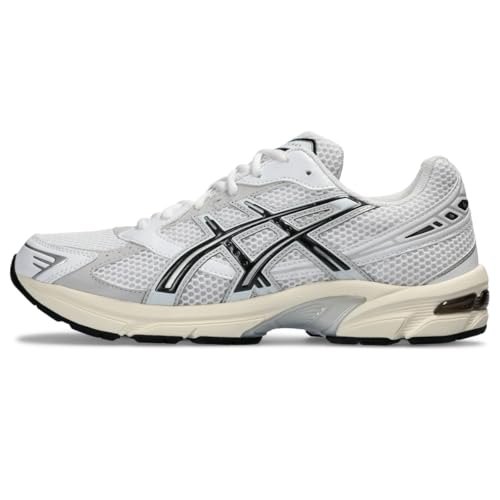
ASICS GEL-1130 Sportstyle Shoes

Brooks Glycerin 20

ASICS Noosa TRI 15 Running Shoes
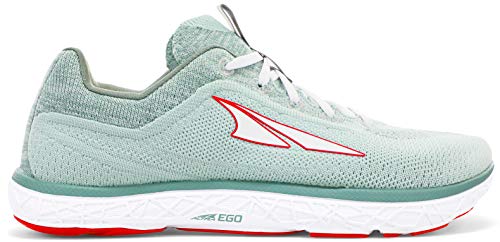
ALTRA Experience Flow 2 Road Running Shoe
ALTRA Torin 8 Road Running Shoe

ALTRA Escalante 4 Road Running Shoe
Meet The Standout Selections
The GEL-1130 borrows geometry from ASICS’s GEL-KAYANO 14 lineage, so you get a structured ride wrapped in a retro suede-paneled upper. For runners logging miles in a more traditional stability shoe, this rework keeps the post-and-wedge feel alive in a casual-leaning silhouette.
You trade aggressive modern stack height for a lower-profile feel that suits midfoot strikers and runners who prefer the ground beneath them. The suede panels also mean this shoe pulls double duty as a post-run coffee stop choice without looking out of place.
What It Does Well
- Inherits GEL-KAYANO 14 stability geometry for guided gait support
- Suede overlays reinforce the upper where marathon-mileage creasing tends to form
- Lower stack suits runners transitioning from minimalist shoes
- Heritage styling works for casual wear between training sessions
Trade Offs To Consider
- Suede panels need more careful cleaning than mesh uppers after muddy long runs
- Lower profile means less cushion under the forefoot than newer marathon trainers
Key Specs
Whose Training Bag It Belongs In
Runners with mild overpronation who want a stability shoe that doubles as a casual sneaker for everyday wear.
Look Elsewhere When
The Brooks Glycerin 20 suits you better if you want a plush, neutral ride for maximum cushion on long training runs.
The Glycerin 20 leans fully into plush underfoot comfort, pairing DNA LOFT v3 nitrogen-infused cushioning with a breathable engineered upper. Marathoners chasing a soft landing on tired legs will recognize the appeal of a shoe that disappears beneath you.
Weight lands around 302g for a men’s size 9, putting it on the plusher end of daily trainers without crossing into max-cushion territory. The synthetic lining keeps friction low over the midfoot, which matters when socks and feet shift during hour-plus efforts.
Good Reasons To Consider
- DNA LOFT v3 foam delivers nitrogen-infused softness that holds up across long runs
- Breathable fabric upper reduces heat buildup on warm marathon-pace efforts
- Synthetic lining lowers friction over the midfoot during extended sessions
- Plush platform suits heel strikers who want joint-friendly landings
Points To Note
- Plush stack can feel unstable on cambered roads or sharp turns for some runners
- 302g weight sits heavier than tempo-oriented marathon racers
- Soft midsole may compress faster for heavier runners logging high weekly mileage
Best Suited To
Distance runners who prioritize a soft, cushioned neutral ride for marathon training blocks over race-day speed.
Swap It Out When
The ASICS Noosa TRI 15 fits the bill if you want a noticeably lighter build for race-day efforts and transition-friendly handling.
The Noosa TRI 15 revives an early-2000s aesthetic with bold patterns across a reinforced mesh upper. Sock-like construction, pull tabs on the tongue, and a toggle lacing system make it the closest pick here to a fast, friction-free entry.
Where the Glycerin 20 sinks into plush comfort, this shoe aims for quicker turnover underfoot. Triathletes and marathoners chasing personal records will appreciate how the entry system trims seconds at every transition, even if that just means tying shoes before a tempo run.
What Earns Its Place
- Sock-like upper reduces break-in time and midfoot pressure points
- Toggle lacing system speeds up entry for race-day transitions
- Pull tabs on the tongue aid quick on-and-off in triathlon settings
- Reinforced mesh balances airflow with structural support
Where It May Fall Short
- Bold graphics may not appeal to runners preferring understated looks
- Streamlined upper offers minimal insulation for cold-weather marathon blocks
- Toggle lacing can loosen mid-run for runners who prefer traditional lockdown
Key Specs
Who Should Grab It
Triathletes, marathoners chasing PRs, and runners who want a fast entry system for tempo and race-day work.
Consider Something Else When
The ALTRA Torin 8 is a smarter call for runners logging daily mileage who need a roomier toe box and a more cushioned neutral platform.
At 6.9 ounces per shoe, the Escalante 2.5 is the lightest entry on this list and one of the few that fits inside marathon race-day considerations. The zero-drop platform means the heel and forefoot sit at the same height, encouraging a more natural midfoot strike across long efforts.
Altra’s foot-shaped last gives your toes room to splay instead of compressing them together. Runners who pronate lightly through the forefoot often find this geometry more forgiving than traditional tapered lasts after hour two on the road.
Practical Advantages
- 6.9 oz weight reduces leg fatigue across back-to-back training days
- Zero-drop geometry encourages natural midfoot striking patterns
- Foot-shaped last allows toes to splay without compression
- Lightweight build works for both daily mileage and race day
Honest Caveats
- Zero-drop platform requires adjustment for runners used to elevated heels
- Minimal stack offers less impact protection than the Glycerin 20’s plush midsole
- Lightweight build can wear through the outsole faster for heavier runners
Feature Snapshot
Made For
Runners seeking a minimal, foot-shaped platform for natural-stride training and lighter marathon race efforts.
A Better Fit Elsewhere When
The ASICS GEL-1130 Sportstyle Shoes are worth a look if you need structured stability geometry rather than a zero-drop neutral platform.
The Experience Flow 2 continues ALTRA’s foot-shaped philosophy with a slightly more cushioned ride than the Escalante line. Wide-foot runners often discover this shoe fits like it was tailored to their forefoot shape rather than squeezed into a tapered last.
The trade-off is added stack underfoot, which softens landings but pulls weight up from the Escalante’s featherweight class. For marathon training blocks where comfort across repeated long runs matters more than racing pace, this balance tends to win out.
Positive Points
- Foot-shaped last suits wide forefeet without pressure on the little toes
- Added stack height cushions long-run fatigue better than minimal trainers
- Roomy platform helps runners recovering from bunions or Morton’s neuroma
- Zero-drop geometry keeps the stride consistent with other ALTRA picks
Things To Keep In Mind
- Roomy last can feel sloppy for runners with narrow heels who need lockdown
- More cushion means a touch more weight than the lighter Escalante models
- Foot-shaped geometry requires adjustment if you’re used to traditional running shoes
The Right Fit
Wide-foot runners and anyone who has cramped their toes in traditional lasts will find the Experience Flow 2’s roomy platform a relief on long efforts.
Reach For A Different Pick When
The ALTRA Escalante 2.5 is a smarter call if you want a lighter build for tempo days and want to minimize shoe weight above all else.
The Torin 8 sits in the middle of ALTRA’s lineup, blending the brand’s zero-drop, foot-shaped platform with enough cushion to handle daily mileage. For marathoners stacking 40-plus-mile weeks, this shoe covers the easy days and the moderate long runs without needing rotation.
Compared to the Experience Flow 2’s wider build, the Torin 8 keeps the foot-shaped toe box while trimming some of the plushness. That middle ground often matches runners who want ALTRA’s geometry without going fully minimal or fully max-cushion.
Real Benefits
- Zero-drop platform maintains consistent stride mechanics across training weeks
- Balanced cushion handles both easy and moderate-effort long runs
- Foot-shaped last prevents toe crowding on extended downhill segments
- Durable construction supports high weekly mileage without early breakdown
Some Limits To Know
- Zero-drop geometry requires a transition if your current shoes have a heel lift
- More cushion adds weight compared to the Escalante models for race day
- Balanced ride lacks the aggressive responsiveness of a dedicated racer
Built With In Mind
Marathoners in heavy training blocks who want one shoe to handle daily mileage without rotating through multiple pairs.
Skip It When
The ASICS Noosa TRI 15 is worth picking instead if you need a faster, lighter shoe for race day and tempo sessions specifically.
The Escalante 4 takes the featherweight Escalante formula and updates the upper with a knit construction that moves with the foot. Runners who liked the 2.5 but wanted a more accommodating fit through the midfoot will find this version more flexible without losing the same low weight philosophy.
The zero-drop geometry and foot-shaped last carry over from earlier Escalante generations. For marathoners considering a rotation, this shoe slots cleanly into uptempo days where the heavier Torin 8 would slow turnover.
Notable Gains
- Refreshed knit upper improves midfoot flexibility over the 2.5
- Lightweight build supports faster cadence work in marathon training
- Knit construction reduces break-in time before long efforts
- Foot-shaped last maintains the roomy toe box ALTRA runners expect
Soft Spots
- Knit upper offers less structure for runners who need midfoot lockdown
- Minimal stack delivers less impact protection than the Experience Flow 2
- Updated materials may run warm in hot marathon conditions
Quick Technical Notes
Perfect Match For
Runners who already train in ALTRA shoes and want a refreshed, knit-upper option for uptempo days and faster marathon workouts.
Where Another Pick Suits Better
The Brooks Glycerin 20 makes more sense if your priority is maximum underfoot cushion rather than a minimal, lightweight build.
What To Weigh Before Choosing Marathon Running Shoes Women
Stack height and cushion philosophy set the foundation for marathon comfort. Plush nitrogen-infused midsoles like the Brooks Glycerin 20 absorb impact across high mileage, while zero-drop platforms from ALTRA encourage natural midfoot striking but transfer more ground feel. Match the stack to your tolerance for impact and your natural foot strike pattern rather than chasing whichever style feels trendiest.
Heel-to-toe offset determines how your stride mechanics translate into the shoe. Zero-drop platforms (the Escalante 2.5, Experience Flow 2, Torin 8, Escalante 4) keep the foot level and work best for runners willing to adapt over several weeks. Traditional offsets in stability designs like the ASICS GEL-1130 ease the transition for runners moving from standard trainers.
Toe-box shape influences comfort across hour three of a long run more than most specs suggest. Foot-shaped lasts (ALTRA’s lineup) give toes room to splay, while tapered lasts compress narrow feet into a snugger lockdown. Marathoners with bunions or wide forefeets tend to benefit from the roomier geometry once they adjust to the looser midfoot feel.
Upper construction affects temperature regulation and break-in time. Reinforced mesh (the Noosa TRI 15) handles airflow and structure, while knit uppers (Escalante 4) soften break-in at the cost of midfoot lockdown. Suede-paneled designs (the GEL-1130) trade airflow for durability and casual styling.
Outsole durability matters for high-mileage training blocks. Lightweight race-oriented builds wear through faster than daily trainers, so rotating a lighter shoe (Escalante 4) for tempo days and a more robust trainer (Torin 8) for daily mileage often stretches your dollar further.
Smart Trade Offs Across These Picks
Traps First Timers Fall Into
Picking a shoe based on stack height alone misses the bigger picture. A plush midsole can mask poor fit in the toe box, and a featherweight racer can punish runners who need structure for mild overpronation. Always pair your gait type with the right platform before chasing cushion numbers.
Where The Extra Money Goes
Premium marathon shoes typically invest in lighter midsole foams, more durable outsoles, and engineered uppers that reduce hot spots. The price difference between entry-level trainers and top-tier racers often reflects material science rather than branding, so runners logging serious mileage tend to recover that cost through fewer replacements and better long-run comfort.
Frequently Asked Questions
How much cushion do marathon training shoes need?
Plush cushion helps during high-mileage blocks, but the right amount depends on your stride and joint sensitivity. Heel strikers and heavier runners usually benefit from thicker midsoles, while midfoot strikers often prefer a lower, more responsive platform.
Are zero-drop shoes safe for marathon training?
Zero-drop shoes work well for runners willing to transition gradually over several weeks. The geometry encourages a more natural strike, but jumping straight into long runs can strain tissues adapted to traditional heel lifts.
How often should marathon training shoes rotate out?
Most road running shoes hold up for 300 to 500 miles before midsole foam breaks down noticeably. Tracking weekly mileage helps you plan replacements before cushioning fades and fatigue risk climbs.
Do women need different marathon shoes than men?
Women’s models typically offer a narrower heel and different volume through the midfoot, though many shoes now come in unisex sizing. Foot shape matters more than gender labeling, so fit and feel should drive the choice.
Can one marathon shoe handle both training and race day?
A versatile daily trainer like the ALTRA Torin 8 works for most training runs, but a dedicated lighter shoe often feels better on race day. Many marathoners rotate two shoes through the training block and save the lighter pair for the race.
Closing Remarks
The right marathon shoe depends less on brand reputation and more on how your foot sits inside the last, how your strike pattern translates into the midsole, and how much cushion your joints need across high mileage. Take the time to match your gait and training volume to the platform, and the miles start feeling a little lighter from week one.