Training for a 26.2 means piling up hundreds of kilometers in the months before race day, and the shoes you choose carry a lot of that load. Cushioning, fit, and traction all matter more than any marketing claim. This roundup looks at five solid options built for the specific demands women face on long road and light trail miles, so you can find a pair that matches your gait, your mileage, and your budget.
A Quick View Of The Lineup
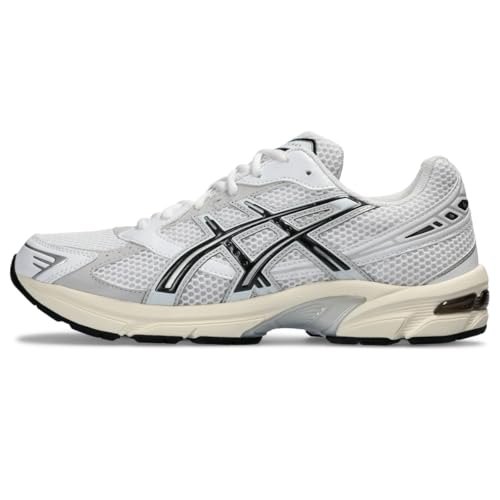
ASICS GEL-1130 Sportstyle Shoes

ASICS Women’s GT-1000 14 Running Shoes

Brooks Women’s Anthem 8 Running Shoe

ASICS Women’s Gel-Excite 11 Running Shoes

ASICS Women’s Gel-Venture 11 Trail Running Shoes
The Details Behind The Selections
The ASICS GEL-1130 sits in an unusual spot for a marathon-prep roundup because it draws on a 2008 stability silhouette (a shoe engineered to gently guide excess inward foot roll) and repurposes it as a lifestyle-leaning trainer. Suede paneling covers the upper, giving it a more dressed-up feel than a pure performance shoe, while the GEL cushioning unit under the heel stays true to ASICS heritage. For women splitting time between training days, casual errands, and post-run coffee runs, that crossover use case is the real story.
Runners logging a steady 20 to 40 miles per week during build phases may find this pair most useful as a recovery-day option rather than a primary trainer. Compared with the GT-1000 14 in this lineup, the GEL-1130 offers a stiffer, more fashion-oriented ride, which is great off the pavement but less ideal for tempo work.
What Earns Its Place
- Retro stability heritage gives the shoe a sturdy, planted feel underfoot
- Suede overlays add a premium texture that holds up well in casual settings
- GEL heel cushioning softens impact during walking-heavy recovery days
- Versatile enough to pair with running shorts or weekend jeans
Things To Consider
- Not engineered for high-mileage marathon buildup, more a sidekick than a daily trainer
- Suede paneling can show scuffs and water marks after wet long runs
- Heavier feel compared with purpose-built road trainers like the Gel-Excite 11
Made For
Runners who want a single shoe for easy days, errands, and casual wear between harder sessions.
Consider Something Else When
Your training demands serious mileage. The ASICS GT-1000 14 is a better fit for runners who need structured support on every run.
For women training through a full marathon cycle, the ASICS GT-1000 14 brings the kind of structure that keeps legs fresher across long build weeks. The FF BLAST midsole (a lightweight foam compound designed for soft landings and energetic toe-offs) gives the shoe a bouncy, cushioned feel, while the 3D GUIDANCE SYSTEM uses wider midsole geometry to keep the foot tracking forward through each stride. A polyester upper, lining, and insole keeps overall weight low without sacrificing breathability for warm training days.
Women who overpronate (the foot rolls inward more than ideal at impact) or who simply prefer a guided, supportive ride tend to settle into this shoe quickly. Where the GEL-1130 leans retro and casual, the GT-1000 14 is all business, ready for 16-mile Saturday long runs and Tuesday track sessions alike.
The Practical Payoff
- FF BLAST midsole softens landings and adds a lively push through toe-off
- 3D GUIDANCE SYSTEM supports runners who need subtle stability correction
- Lightweight polyester build reduces fatigue on cumulative training weeks
- Synthetic rubber outsole holds grip on wet pavement during winter miles
Worth Noting
- Stability feel may feel overly structured for neutral strides used to softer shoes
- Stack height (the thickness of material between foot and ground) sits lower than max-cushion options, so heel strikers seeking plush landings may want more foam
Who It Suits Best
Intermediate runners training for a first or second marathon who want reliable daily mileage support without a premium price tag.
Skip It When
Your priority is a soft, marshmallow-like ride. The Brooks Anthem 8 is a better fit for women wanting maximum plush cushioning under the heel.
The Brooks Anthem 8 is the shoe on this list that leans hardest into plush, easy comfort. Heel strikers logging long, slow miles often describe this kind of soft, forgiving ride as essential, and the Anthem 8 leans into that experience. The breathable upper and lighter construction suit women running in warmer climates or those tackling summer training blocks where ventilation matters more than lockdown fit.
Where the ASICS GT-1000 14 guides the foot with structure, the Anthem 8 lets the foot settle naturally into the foam, which feels great for easy runs but may feel less locked-in during sharper tempo work. Multiple color options make it easy to find a look that fits your rotation.
Notable Gains
- Generous cushioning stack softens repetitive heel impact on long runs
- Breathable upper helps feet stay cooler during summer training
- Neutral ride suits runners without a strong need for stability correction
- Wide color range lets you match the shoe to your running wardrobe
Honest Caveats
- Soft stack can feel unstable for runners who prefer a firmer, more responsive ride
- Lacks trail-ready grip for off-road training days
The Right Fit
Heel strikers prioritizing plush comfort over structure, especially runners training through warm summer months.
Look Elsewhere When
Your training takes you off pavement regularly. The ASICS Gel-Venture 11 handles mixed terrain far better with its trail-ready outsole.
The Gel-Excite 11 is a friendly entry point for runners who are new to marathon training. The jacquard mesh upper (a textured knit fabric with breathable open weave) keeps air moving across the foot, while dual-layer cushioning from FF BLAST PLUS and AMPLIFOAM PLUS foams (two ASICS compounds stacked together for soft landings and bouncy returns) softens every landing. PureGEL under the heel adds a subtle, jelly-like smoothness that makes recovery runs genuinely pleasant.
Compared with the GT-1000 14 in this list, the Excite 11 trades stability hardware for a more forgiving, neutral ride, which suits newer runners who have not yet dialed in their gait. For a first marathon build, it is a safe, comfortable place to start.
Bright Spots
- Soft dual-foam midsole makes long walks and recovery runs feel easy
- Jacquard mesh upper improves airflow on hot training days
- Lightweight construction reduces leg fatigue during early mileage weeks
- Neutral platform suits runners who have not yet mapped their gait type
Small Caveats
- Limited outsole durability for runners pushing past 30 miles per week
- Cushioning breaks down faster than firmer racing foams in hotter conditions
Best Suited To
First-time marathoners who want a forgiving, cushioned trainer while building their base mileage.
A Better Fit Elsewhere
Runners needing structured support through peak training weeks should reach for the ASICS GT-1000 14 instead.
The Gel-Venture 11 stands apart on this list because it handles the dirt, gravel, and uneven ground that road trainers cannot. AMPLIFOAM PLUS cushioning in the midsole pairs with a 2mm higher stack height than the prior version, giving runners noticeably better impact absorption on rocky descents. The no-sew upper construction reduces hot spots and rubbing during hours-long trail efforts.
Women who mix long road runs with trail outings, or those training in regions where sidewalks give way to fire roads, will appreciate the versatility. Unlike the road-focused Brooks Anthem 8, this shoe is built for the rougher side of marathon prep.
Notable Upsides
- Trail outsole grips loose dirt, gravel, and wet roots confidently
- AMPLIFOAM PLUS midsole softens rocky descents during long outings
- No-sew upper reduces irritation across multi-hour efforts
- Polyester construction sheds light rain and dries quickly after stream crossings
Trade Offs
- Heavier than road trainers like the Gel-Excite 11, so pace days feel slower
- Lug depth (the height of tread blocks gripping soft ground) may feel excessive for runners who stay mostly on pavement
Who Should Grab It
Runners logging at least some miles on trails, gravel paths, or mixed terrain during marathon build phases.
Reach For A Different Pick When
Your training stays on pavement year-round. The ASICS GT-1000 14 is lighter and faster for road-only miles.
Choosing Marathon Shoes That Match Your Build
Fit Comes Before Features
A shoe that pinches at mile 14 will ruin an otherwise perfect trainer. Marathon runners should plan to try on shoes later in the day when feet are slightly swollen, mirroring race conditions. Aim for a thumbnail’s width of space between your longest toe and the front of the shoe, because feet spread on long descents. Compare the GT-1000 14 and the Gel-Excite 11 in similar sizes to see how each brand’s last (the foot-shaped mold the shoe is built around) treats your foot width.
Cushioning Tells Your Joints What to Expect
A higher stack height reduces impact stress on knees and hips, which matters more as weekly mileage climbs toward 40-plus miles. The Brooks Anthem 8 leans plush for heel strikers, while the GT-1000 14 balances cushion with structure. Runners with a history of joint pain tend to benefit from the thicker, softer options.
Match the Outsole to Your Surface
Road shoes wear down quickly on trails, and trail shoes feel sluggish on pavement. The Gel-Venture 11 makes sense for women mixing terrain, while road-focused picks like the Gel-Excite 11 suit runners locked into urban routes. Think about where 80 percent of your long runs happen before choosing.
Build for the Race, Not the Hype
Race-day shoes often differ from daily trainers. Many women train in a stable, cushioned option like the GT-1000 14, then switch to a lighter racing flat closer to race day. Choosing a daily trainer with a comfortable, roomy toe box pays off across hundreds of training miles.
Key Considerations Across These Picks
Common Slip Ups
First-time marathon shoppers often grab the lightest shoe they see, assuming lighter equals faster. In reality, a shoe that is too light may lack the protection required for 16-mile long runs. Another trap is buying based on color or hype rather than gait. Women who overpronate benefit from stability structure, and choosing a neutral shoe to save a few ounces can lead to shin and knee pain within weeks.
Where The Extra Money Goes
Higher-tier running shoes typically invest in advanced foam compounds, lighter mesh uppers, and refined midsole geometry. The jump from an entry-level trainer like the Gel-Excite 11 to a more structured option like the GT-1000 14 brings better support hardware and a more durable outsole. For runners logging 30 to 50 miles per week, that upgrade tends to pay off through fewer aches and a longer-lasting shoe. Beginners building toward 20 weekly miles may find the entry-level foam comfortable enough to skip the premium tier for now.
Frequently Asked Questions
How much cushioning do marathon training shoes need?
Marathon training shoes benefit from generous midsole cushioning to absorb repeated impact across long runs. Plush options like the Brooks Anthem 8 suit heel strikers, while structured shoes like the GT-1000 14 balance softness with support.
Should women choose stability shoes for marathon training?
Stability shoes help runners whose feet roll inward excessively during gait. Women who overpronate often feel fresher through long runs in stability models like the GT-1000 14. Neutral runners usually prefer softer options without that hardware.
How often should marathon training shoes be replaced?
Most training shoes hold up for 300 to 500 miles before cushioning and outsole grip start to fade. Heavier runners and trail users may need replacements sooner, around the 300-mile mark, while lighter road runners can stretch closer to 500 miles.
Can trail shoes work for road marathon training?
Trail shoes like the Gel-Venture 11 can handle road miles, but the lugs wear faster on pavement and the extra weight slows tempo work. They suit runners who mix terrain, not road-only athletes chasing pace.
Do women need gender-specific marathon shoes?
Women’s specific lasts account for differences in heel width, arch height, and forefoot shape compared with men’s versions. That fit tuning often matters more for marathon training, where small irritations compound across long runs.
Wrap Up
Your training calendar and your local terrain tell you more than any spec sheet. Runners stacking weekly mileage on pavement will feel right at home in the GT-1000 14 or the Gel-Excite 11, while those mixing fire roads and trails benefit from the Gel-Venture 11. Start with fit, match cushion to your gait, and trust how the shoe feels at mile 14 rather than how it looks in the mirror.