Trail running rewards feet that can stay comfortable over uneven ground, rocky climbs, and long descents. Max cushion trail running shoes add extra stack height (the thickness of material between your foot and the ground) underfoot, which softens impact and keeps legs fresher over distance. The six options below cover a spread of weights, fits, and price points, so you can match the right pair to how and where you actually run.
Your Options, Compared

Skechers Go Run Supersonic Max All Terrain
Merrell Moab 3 Hiking Shoe
ALTRA Experience Flow 2 Road Running Shoe

Brooks Caldera 7 Trail Running Shoe

ALTRA Torin 8 Road Running Shoe

ALTRA Experience Wild 2
A Deeper Look At The Lineup
The Skechers Go Run Supersonic Max All Terrain leans into soft, forgiving cushion without the stiff price tag of premium racers. Its mesh upper breathes well on warm days, which matters when a long run turns into a sweat session. The all-terrain outsole handles gravel paths, hardpack dirt, and the occasional root without feeling clunky on pavement between trailheads.
Where this shoe shines is for newer runners easing into off-road mileage. You get enough protective stack to soften rocky sections, but the shoe doesn’t fight back during tempo efforts. Most runners with neutral strides (feet that roll neither inward nor outward excessively) will find the platform stable enough for everyday use, and the cushioned midsole keeps legs feeling fresh through longer weekend outings.
Real Benefits
- Generous foam underfoot softens landings on hard trails and uneven pavement alike
- Breathable mesh keeps feet cooler when temperatures climb
- All-terrain outsole grips mixed surfaces without feeling sluggish on the road
- Lower entry price than most stacked competitors, friendly for first-time trail runners
- Roomy enough in the forefoot for casual splay during descents
Things To Consider
- The cushion stack is plush, so aggressive racers may want a firmer, more responsive shoe for short trail races
- Mesh upper, while airy, can collect fine dirt and trail grit in the weave over time
- Heel hold can feel loose for runners with narrow ankles on steep downhills
Who It Suits Best
Newer trail runners who want forgiving cushion, easy all-terrain grip, and an approachable fit on moderate terrain.
Consider Something Else When
If you log serious ultra mileage and want a shoe engineered for very long trail days, the Brooks Caldera 7 Trail Running Shoe offers more specialized protection.
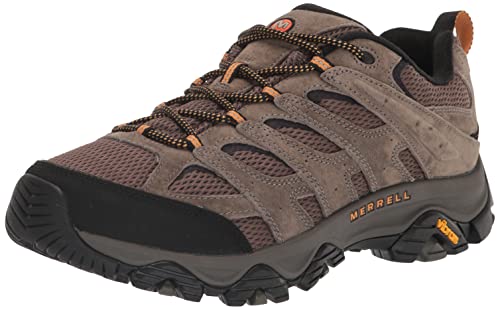
The Merrell Moab 3 leans hiking-boot-firm rather than trail-racer-soft, so its max cushion feel is more about durable comfort than marshmallow foam. Its midsole uses a supportive stack that holds up under loaded packs, and the Vibram outsole (a high-traction rubber compound made by a well-known sole manufacturer) grips confidently on loose scree and wet rock. The redesigned insole adds a touch of welcome softness under the arch compared to earlier versions.
For trail runners who treat routes like hikes, this is a versatile crossover. You can hike a full day, then pick up the pace on smoother sections without feeling overbuilt. Runners who prefer a locked-in heel and a structured feel will appreciate the more held-together ride. For pure running economy over distance, though, it weighs more than road-leaning picks like the ALTRA Experience Flow 2 Road Running Shoe.
Everyday Wins
- Durable construction that holds up to repeated abrasion on rocky trails
- Vibram outsole offers confident traction across varied terrain, including wet roots
- More supportive insole than earlier Moab versions, adding subtle comfort on long days
- Versatile build works for hiking, fastpacking, and casual trail running alike
Points To Note
- The shoe runs heavier than dedicated trail running options, which slows turnover on race efforts
- Fit is closer to hiking shoe sizing, so runners used to athletic cuts may need to size up for toe room
- Break-in period is short but noticeable, especially around the heel collar
Made For
Hikers and fastpackers who want one shoe that handles trail running pace, gear weight, and long days outside.
Look Elsewhere When
If your runs stay short, fast, and on groomed dirt, the Skechers Go Run Supersonic Max All Terrain delivers lighter cushion at a friendlier price.
The ALTRA Experience Flow 2 Road Running Shoe trades aggressive lugs (deep rubber teeth on the outsole that bite into dirt) for a smooth, road-tuned ride with ALTRA’s signature foot-shaped fit. The wider toe box lets toes splay naturally, which is a real comfort gain on long runs and a relief for runners whose forefoot feels cramped in narrow shoes. The cushion stack leans soft, so every step feels a little padded even on unforgiving asphalt.
This pick works best as a recovery shoe or daily trainer for runners who want plush road miles. It won’t bite into loose trail the way the ALTRA Experience Wild 2 does, so it suits treadmill and pavement routines. Runners who alternate between road and easy gravel paths will find it versatile enough for the week, especially if toe splay matters for foot health.
Everyday Perks
- Foot-shaped toe box allows natural toe spread, easing pressure on long runs
- Soft midsole foam absorbs pavement impact without feeling mushy under push-off
- Stable platform for runners who overpronate (feet that roll inward more than they should) and want a roomy fit
- Versatile enough for treadmill, road, and light gravel path use
Trade Offs
- Road-focused outsole lacks aggressive lugs for technical dirt trails
- Roomy fit can feel sloppy during fast cadence work for narrow-footed runners
- Midsole softness may feel too squishy for runners who prefer a firm, responsive ride
Best Suited To
Wide-foot runners who log most of their mileage on pavement and want plush, splay-friendly cushion.
A Better Fit Elsewhere
If your routes leave pavement for dirt, the ALTRA Experience Wild 2 carries the same roomy fit into more rugged terrain.
The Brooks Caldera 7 Trail Running Shoe is built for distance, with a tall stack that floats over rocky terrain instead of grinding through it. Its midsole compound aims for soft landings without sacrificing a stable platform, which matters when fatigue sets in during the back half of a long run. The shoe’s rocker geometry (a curved sole shape that helps your foot roll forward smoothly with each step) encourages forward momentum, helping tired legs keep turnover on rolling terrain.
Compared to the Skechers Supersonic Max, this is a more purpose-built ultra tool. Trail runners training for 50Ks or longer will appreciate the protective cushion and stable base. Runners with neutral to slightly unstable strides will get the most out of the wide platform. The trade-off is a heavier build, so it isn’t the choice for short, snappy efforts.
Practical Advantages
- High stack height protects feet from sharp rocks and roots under load
- Rocker shape helps maintain pace when legs are tired late in a run
- Stable platform suits runners who need a wider landing zone
- Trail-tuned outsole grips dirt, mud, and loose gravel reliably
- Durable upper holds up to repeated abrasion from overgrown trails
Worth Noting
- Tall stack creates a higher ride feel, which takes adjustment for runners used to lower-profile shoes
- Heavier than road-leaning options like the ALTRA Torin 8 Road Running Shoe
- Premium price tier, so budget-focused shoppers may look elsewhere
Quick Facts
Who Will Love This
Distance trail runners and ultra trainees who want maximum protection underfoot over multi-hour runs.
Swap It Out When
If most of your runs are sub-hour sessions on easier terrain, the Skechers Go Run Supersonic Max All Terrain saves weight and money.
The ALTRA Torin 8 Road Running Shoe blends balanced cushion with ALTRA’s signature zero-drop geometry, meaning the heel and forefoot sit at the same height off the ground. That setup encourages a more natural midfoot strike (landing on the middle of the foot rather than the heel), which some runners prefer for posture and Achilles health. The Torin sits between the plush Experience Flow 2 and a firmer performance trainer, landing in a comfortable middle ground for everyday mileage.
Runners who want one shoe for daily road work will appreciate how the Torin handles tempo runs, easy days, and long efforts without changing shoes. The roomy toe box remains a highlight for wide-footed shoppers. Since it leans road rather than trail, runners tackling dirt will want to keep routes to hardpack and groomed paths.
Useful Touches
- Zero-drop platform supports a natural midfoot landing for low-impact form
- Balanced midsole handles tempo, easy, and long runs in one shoe
- Roomy toe box accommodates wide feet and natural toe splay
- Light enough for daily use without weighing down short recovery runs
Minor Gripes
- Road-focused outsole offers limited grip on loose dirt and technical trail
- Zero-drop feel takes adjustment for runners used to traditional heel-to-toe offset
- Cushion sits in the middle of soft and firm, so runners who love extreme plush may want more
Perfect Match For
Daily road runners with wide feet who want a balanced trainer for varied paces and steady mileage.
Reach For A Different Pick When
If your weekly routes include rocky trails and mud, the ALTRA Experience Wild 2 offers the same fit philosophy with proper trail grip.
The ALTRA Experience Wild 2 brings the brand’s foot-shaped fit into off-road territory, pairing a roomy toe box with a grippier outsole built for dirt, gravel, and root-laced singletrack. The stack height falls into the cushioned category, giving tired feet a softer landing on technical descents. Compared to the road-focused Experience Flow 2, this shoe trades smooth pavement manners for trail-ready bite.
Runners who want one trail shoe that respects toe splay will find the fit familiar and comfortable. The lug pattern digs into loose surfaces well, so climbs and descents feel more planted. The honest read is that it isn’t as aggressively protective as the Brooks Caldera 7, so runners tackling sharp alpine rock may want a stiffer plate, but for typical trail mileage it handles the job with grace.
Points In Its Favor
- Trail-tuned lugs grip loose dirt, gravel, and wet roots confidently
- Roomy toe box mirrors ALTRA’s road shoes for consistent fit across the lineup
- Cushioned stack softens landings on rocky descents without losing ground feel
- Balanced weight for daily trail use and longer weekend outings
Honest Caveats
- Less protective than ultra-distance picks like the Brooks Caldera 7 on sharp terrain
- Wide fit may feel loose for runners with narrow heels, especially on technical downhills
- Cushion stack is moderate, so runners craving maximum plushness may want more foam
Right Fit For
Wide-foot trail runners who want ALTRA’s natural fit philosophy adapted for off-road miles.
Where Another Pick Suits Better
If your priority is durable support on rugged hikes and multi-day routes, the Merrell Moab 3 Hiking Shoe offers a tougher build for the same off-road conditions.
What Matters Most Before Choosing Max Cushion Trail Running Shoes
Stack Height And Feel
Stack height shapes the entire ride. Tall stacks, like those on the Brooks Caldera 7, float over obstacles and protect feet on sharp terrain. Lower stacks give a more connected, responsive feel but transmit more impact. Runners with a history of joint discomfort tend to gravitate toward taller stacks, while runners who prize ground feedback for technical footwork often prefer less material underfoot.
Fit, Width, And Toe Room
A roomy toe box, like ALTRA’s signature shape, lets toes spread naturally on long efforts. Narrow fits lock the heel but can cramp the forefoot during descents. Trail running in particular rewards space up front, because toes swell over hours and downhill grades push the foot forward into the toebox. Trying shoes later in the day, when feet are at their largest, helps dial in the right size.
Outsole And Grip
Lug depth and pattern decide how the shoe behaves off-road. Aggressive, widely spaced lugs shed mud and bite into soft dirt. Tighter patterns work better on hardpack and pavement. Runners who split time between road and trail benefit from hybrid outsoles like the Skechers Supersonic Max, while those committed to rough terrain want deeper, more aggressive traction.
Weight And Intended Distance
Shoe weight compounds over miles, so a 2-ounce difference per shoe becomes meaningful on long runs. Heavier, max cushion shoes tend to shine on easy days and ultra distances where protection matters more than speed. Lighter cushioned options feel quicker for tempo sessions and shorter trail races. Matching weight to your most common run length prevents fatigue from sneaking up midweek.
Common Pitfalls And Smart Upgrades
Pitfalls Shoppers Hit
Buying based on stack height alone often backfires, because a tall stack on a narrow platform feels tippy on side slopes. Skipping a test walk on stairs and inclines can hide instability that only shows up after miles. Many runners also assume max cushion means max protection, while ignoring that some tall shoes use softer foam that compresses under heavy landings.
Where The Extra Money Goes
Higher-tier trail shoes often pay for more resilient midsole foams that hold their bounce over hundreds of miles, plus better-engineered uppers with reinforced overlays in high-wear zones. Vibram or proprietary rubber outsoles also cost more but last through harsher terrain. For most runners logging under 25 miles a week, mid-tier options like the Skechers Supersonic Max deliver plenty of cushion without the premium price.
Frequently Asked Questions
Do max cushion shoes help with joint pain on trails?
Tall stacks reduce peak impact forces, which can ease stress on knees and hips over rough ground. Pairing cushion with a stable platform matters more than raw stack height for most runners.
How long do trail running shoes typically last?
Most trail shoes hold up well through several hundred miles of mixed use, depending on terrain, foot strike, and care. Rocky routes shorten lifespan faster than smooth dirt or road miles.
Can I use road running shoes on trails?
Light gravel and hardpack are fine for road-leaning shoes like the ALTRA Experience Flow 2. Technical trails with mud, roots, or sharp rock reward trail-specific outsoles and protective uppers.
Should trail running shoes fit differently than road shoes?
Many runners prefer a slightly roomier toe box in trail shoes to handle foot swelling and downhill pressure. A locked-in heel still matters for control on uneven grades.
Is zero-drop geometry necessary for trail running?
Zero-drop isn’t required, but it encourages a more neutral landing that some runners find comfortable over long miles. Traditional offset shoes work fine if your body is used to them.
Closing Remarks
The right max cushion trail running shoe depends on where you run, how far you go, and what your feet ask for after mile five. Cushion, grip, fit, and weight each play a role, and the best pair is the one that disappears under your stride while keeping you protected. Match the shoe to your routes and your training, and the miles take care of themselves.