A 12-hour shift on a hospital floor punishes your feet in ways most casual shoes can’t touch. The right pair turns that grind into something bearable, whether you’re a nurse logging steps between patient rooms or someone managing chronic foot pain at home.
The Main Contenders

Crocs Unisex-Adult Classic Clog

Crocs Kids’ Classic Clogs

Crocs Unisex-Adult Baya Clog
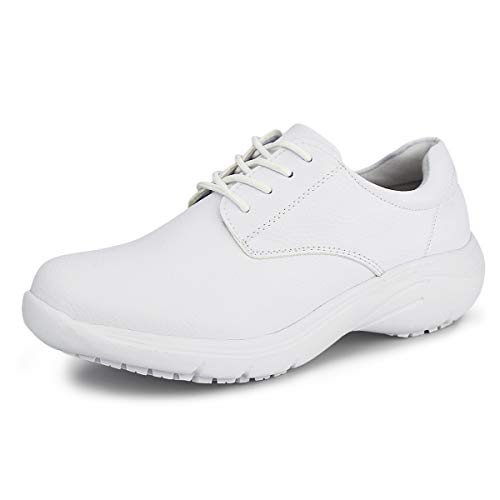
Hawkwell Women’s Slip Resistant Nursing Shoes

Hawkwell Women’s Cloud Zero Active Nursing Shoes
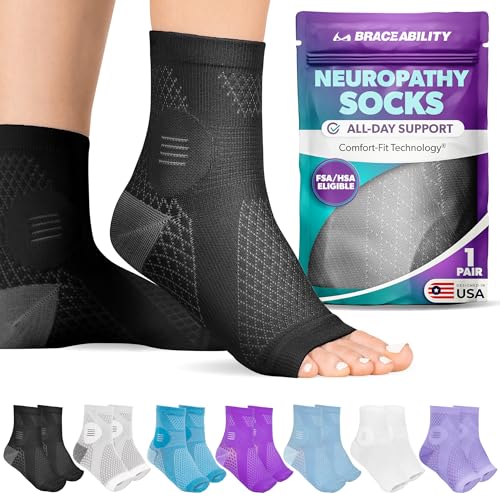
BraceAbility Neuropathy Compression Socks (M)
More On The Choices That Made The List
The Crocs Classic Clog has earned its place in hospitals, kitchens, and recovery rooms across the country. It comes in multiple color options and runs in a unisex sizing range, which makes it practical for shared staff lockers and rotation schedules.
For most shift workers, the appeal is simple: slip them on, get through the day, rinse them off at the sink. Compared to the Baya Clog that follows, the Classic sticks with a tighter ventilation pattern and a slightly more structured heel cup.
Real Benefits
- Lightweight proprietary closed-cell resin (Croslite) cushions each step without dragging you down on long routes.
- Slip-on design saves time during quick shift changes or patient emergencies.
- Roomy fit accommodates swollen feet after hours of standing.
- Easy to wipe clean and rinse under a faucet, helpful for messy clinical environments.
- Roomy toe box works well for bunions and wide foot shapes.
Things To Consider
- Loose fit around the heel can catch on ladder rungs or scooter pedals.
- Not slip-resistant rated for wet hospital floors, depending on sole variant.
- Sizing runs large for some wearers; ordering down a half-size is common.
Who It Suits Best
Charge nurses, medical assistants, and anyone logging long indoor shifts who values cushion over structure.
Consider Something Else When
The Hawkwell Women’s Slip Resistant Nursing Shoes suit you better when your unit deals with constantly wet floors and you need a lace-up lockdown.
Pediatric patients and parents on the hunt for a low-fuss recovery shoe land on the Kids’ Classic Clog for good reason. It uses the same Croslite build as the adult version, scaled down for smaller feet and shorter strides.
Ventilation ports along the upper double as anchor points for charms, which can be a small motivator for kids who resist wearing medical footwear. This pair belongs in the conversation whenever “medical shoes” comes up for younger wearers managing foot injuries or post-op recovery.
Noteworthy Benefits
- Same lightweight Croslite cushion as the adult Classic, sized for kids.
- Slip-on shape works for children who struggle with laces or zippers.
- Open ventilation helps during warmer recovery periods.
- Charms compatible, useful for coaxing reluctant wearers into compliance.
Worth Noting
- Heel can slip off during running or playground activity.
- Limited colorway availability compared to the adult Classic.
Made For
Parents seeking a washable, comfortable shoe for kids recovering from minor foot procedures or managing everyday foot fatigue.
Not Your Match When
The Crocs Unisex-Adult Classic Clog suits you better when the wearer is an adult needing a true medical-grade workhorse.
The Baya Clog trims cost by simplifying a few details, but it does not skimp on the cushion that made the brand famous. You get the same Croslite foundation as the Classic, with a more open upper designed for breathability and water drainage.
Clinicians who wash their shoes at the end of every shift appreciate that drainage. Compared to the Classic Clog above, this one feels airier and more relaxed around the instep, which matters in warm departments or for anyone dealing with foot swelling.
Key Advantages
- Advanced ventilation ports help drain water and debris after messy procedures.
- Lighter price tag than the Classic for budget-focused shoppers.
- Same easy-clean Croslite surface as pricier siblings.
- Unisex sizing covers a broad range of clinical staff.
Points To Note
- Looser heel strap behavior compared to the Classic’s tighter cup.
- Colorway selection may be more limited at certain retailers.
Best Suited To
Staff members cycling through multiple pairs a year and anyone who treats wet-cleaning as part of the routine.
Look Elsewhere When
The Hawkwell Women’s Cloud Zero Active Nursing Shoes fit better when you want a true sneaker silhouette with work-floor traction built in.
Where the Crocs options prioritize casual comfort, the Hawkwell lace-up steps into true work-shoe territory. The build targets healthcare and food service settings, with a slip-resistant outsole designed for tiled floors that stay wet between mop passes.
Lace-up closure gives you a dialed-in fit that won’t slide off when you’re sprinting down a hallway. For nurses who transition between OR, ER, and patient rooms, that lockdown tends to matter more than the airy feeling a clog provides.
Real-World Strengths
- Slip-resistant outsole targets wet tile and polished concrete floors.
- Lace-up closure keeps the heel planted during quick direction changes.
- Lightweight construction reduces fatigue across 12-hour rotations.
- Uniform-friendly silhouette works under scrubs and lab coats.
Honest Caveats
- Laces require tying, which slows down quick shift swaps.
- Less breathable than ventilated clogs in hot departments.
- Color and style options skew conservative for personal expression.
Who Will Love This
Nurses, dental hygienists, and food service workers who spend shifts on slick floors and want a secure lace-up fit.
A Better Fit Elsewhere
The Crocs Unisex-Adult Classic Clog suits you better when you want a slip-on design and easy sink rinses at the end of a shift.
The Cloud Zero Active takes the lace-up concept from the previous Hawkwell and dresses it as a sneaker. The cushion platform is thick, the upper breathes, and the styling looks at home in a gym bag as much as a hospital locker.
This is the pick for anyone who walks or runs between shifts, not just inside the building. Where the standard Hawkwell leans clinical, this one borrows from athletic footwear to soften long commutes and post-shift workouts.
Useful Highlights
- Athletic cushioning softens pavement during commutes between shifts.
- Breathable upper mesh helps regulate temperature in active settings.
- Sneaker silhouette pairs with casual scrubs and street clothes.
- Roomy toe box suits wider feet and minor foot conditions.
Trade Offs
- Mesh upper scuffs more easily than synthetic overlays.
- Sizing can run narrow for wide-foot wearers, depending on the variant.
- Lace maintenance is part of the deal; elastic locks wear over time.
Perfect Match For
Active nurses and healthcare workers who walk, bike, or hit the gym between shifts and want a single shoe to do both.
Swap It Out When
The Hawkwell Women’s Slip Resistant Nursing Shoes suit you better when your unit demands dedicated slip-resistant soles and a more uniform-friendly silhouette.
Compression socks sit alongside medical shoes rather than replacing them, but the BraceAbility pair earns its spot for anyone managing neuropathy, diabetic foot pain, or plantar fasciitis. The toeless design leaves the toes free for inspection, a small but meaningful detail for daily foot checks.
It wears under any of the shoes in this list, layering compression with cushion. Nylon and spandex form the core of the sleeve, which keeps it thin enough for everyday shoes without bulking up your fit.
Advantages To Know
- Toeless sleeve design accommodates diabetic foot inspections and open-toe shoes.
- Lightweight nylon-spandex blend stays breathable under shoes during long days.
- Compression knit targets nerve pain and circulation support.
- Medium sizing covers a broad range of men’s, women’s, and big kid feet.
What To Weigh
- Compression feel takes adjustment for first-time wearers.
- Single-pair packaging means you’ll want backups for rotation.
Right Fit For
Adults managing diabetic neuropathy, plantar fasciitis, or general nerve discomfort who want a layering piece to pair with their medical footwear.
Where Another Pick Suits Better
The Crocs Unisex-Adult Baya Clog fits better when you want breathable primary footwear rather than a compression accessory.
What Matters Most When Choosing Medical Footwear
Slip resistance tops the list for anyone working wet floors, and the Hawkwell options deliver that with purpose-built outsoles. Cushioning comes next, since 12-hour shifts compress feet and joints in ways casual wearers never notice. Closed-cell resin clogs like the Crocs line keep weight low, while athletic builds lean on thick midsole foam.
Fit closure matters more than people expect. Lace-up shoes like the two Hawkwell pairs lock the heel down for fast movement. Slips-ons like the Classic and Baya trade that security for convenience during quick shift changes. Specialty needs, including neuropathy and diabetic foot care, often pair best with a primary shoe plus a compression layer.
Breathability rounds out the priorities. Ventilated uppers help in warm departments, while solid construction holds up in messier environments. The right pick depends on the hours you log, the floors you walk, and the conditions your feet face off the clock.
Picking The Right Match And Dodging Common Traps
Common Shopping Slip Ups
Sizing confusion catches a lot of first-time buyers. Crocs tends to run roomy, so most wearers drop a half-size, while athletic-leaning shoes like the Cloud Zero may need a wide-foot check before committing. Skipping slip-resistance on slick floors is another frequent miss, especially for clinical and food service roles.
Where The Extra Money Goes
Higher price points in this category usually show up in sole engineering, structured heel cups, and premium cushion foams. The Crocs Classic Clog sits at the top of that range because of brand refinement and material consistency. Cheaper siblings trim ventilation and styling but keep the core cushion, which works for most casual users who don’t need the extras.