Climbing puts unusual stress on footwear: tight toe boxes for edging on small holds, sticky rubber for smearing on glassy slabs, and enough structure to handle long approach hikes. Most beginners mistake rock shoes for hiking shoes and end up with blistered feet on a multi-pitch route. The seven options below are practical picks for climbers who need approach-friendly footwear before the rope goes on, covering everything from budget daily drivers to all-day waterproof cruisers. Each entry is broken down by grip, cushioning, fit, and where it makes the most sense in a real rack.
How The Shortlist Stacks Up

Merrell Men’s Moab 3 Hiking Shoe

Merrell Men’s Moab 3 Mid Hiking Boot
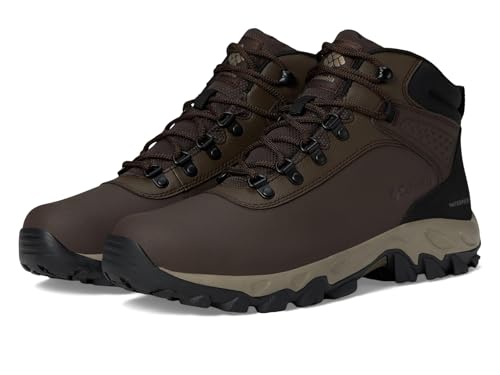
Columbia Newton Explorer

Merrell Men’s Moab 3 Mid Waterproof Hiking Boots

KEEN Men’s Targhee 4 Low Hiking Shoes

KEEN Men’s KS86 Retro Sneakers
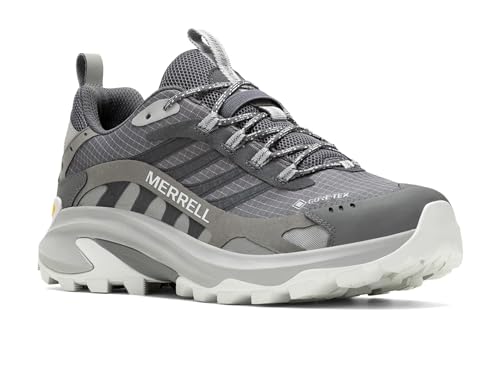
Merrell Mens Moab Speed 2 GTX
More Details On Our Top Picks
The Moab 3 sits at the top of Merrell’s trail lineup for good reason: it slips on, feels broken-in by the second loop, and handles the kind of scree-and-dust walk-ins most crags demand. A Vibram outsole (a high-traction rubber compound widely used on approach shoes) gives the grip you want on loose trail surfaces, while the low-cut profile keeps weight down for shorter hauls. Compared with the Moab 3 Mid later in this list, this version trades ankle support for breathability and a nimbler feel underfoot.
For climbers running gym sessions into weekend outings, the Moab 3 doubles as an everyday shoe that won’t feel out of place at the coffee stop after the send. It runs a touch narrow through the toe box, which is worth keeping in mind if your foot spreads under load. Sizing tends to favor those who already know their Merrell number.
Notable Upsides
- Vibram outsole offers confident grip on gravel, slab, and loose dirt approaches.
- Low-cut construction keeps the weight down, helpful on repeated gym-to-crag days.
- Cushioned midsole (the shock-absorbing layer between the foot and the outsole) softens long walk-ins without feeling mushy on technical terrain.
- Breathable upper helps in warm weather, when approach hikes stretch past an hour.
- Doubles easily as an everyday casual shoe, adding value beyond climbing days.
Things To Consider
- Toe box skews medium to narrow; wide-footed climbers may feel pressure on longer descents.
- No waterproof membrane, so wet grass and shallow stream crossings soak through fast.
- Less ankle support than the Mid variants, a real trade-off on uneven boulder pads.
Key Product Details
Who It Suits Best
Recreational climbers and gym-goers who want one shoe for trail and town without paying for waterproofing.
Where Another Pick Suits Better
Climbers tackling wet or muddy approaches get more value from the Columbia Newton Explorer further down this list.
The Mid version of the Moab 3 trades a bit of trail-running agility for something climbers often need: real ankle support. Where the standard Moab 3 floats over smooth ground, this one takes on talus (loose broken rock) and uneven boulder approaches without rolling your foot sideways on every step. The shaft rises above the ankle and locks the heel in place during long descents with a pack on.
It still uses the same Vibram outsole family, so the grip profile is familiar. Where this Mid really earns its keep is multi-pitch days with heavy packs or alpine starts that begin before dawn on uneven ground. The honest read is that it runs warm in summer, so climbers working desert crags may want the lower-cut Moab 3 instead.
What Helps Most
- Mid-cut ankle collar stabilizes the foot on uneven descents and loaded approaches.
- Vibram outsole keeps traction predictable across wet rock and loose gravel.
- Reinforced heel and toe boxes add durability for climbers who scramble off-trail.
Worth Noting
- Heavier than the low-cut Moab 3, which adds fatigue on long flat approaches.
- Not waterproof, so stream crossings and wet grass still get in.
Made For
Climbers carrying loads into alpine terrain who need ankle confidence more than a lightweight feel.
Skip It When
Gym-only climbers should step down to the Moab 3 Hiking Shoe and save the weight.
Where most of the Moab family relies on suede and mesh, the Columbia Newton Explorer takes a different route with a waterproof leather upper (the leather wrap that forms the visible top of the shoe). That single choice changes how the shoe behaves in the field: rain on the hike-in no longer means wet socks at the base of the route. The Omni-Tech waterproof breathable construction (Columbia’s internal membrane that blocks water while letting heat escape) sits beneath that leather, working alongside the Techlite lightweight midsole (a foam layer designed for cushioning without bulk) to absorb the repetitive impact of long walk-ins.
Versus the Moab 3 Hiking Shoe earlier in this list, the Newton Explorer is heavier and stiffer out of the box, but more protective. Climbers in the Pacific Northwest, the UK, or any wet-climate crag will recognize the value immediately. The trade-off shows up in summer heat, where that waterproof barrier traps warmth.
Real Benefits
- Waterproof leather upper keeps feet dry through wet grass and shallow crossings.
- Techlite midsole rebounds well, useful on long, repetitive approaches.
- Metal hardware on the lacing system adds durability over plastic eyelets.
- Stable platform handles loaded approaches and heavier climbers comfortably.
Trade Offs
- Break-in period is longer than suede-based competitors.
- Runs warm in hot, dry conditions due to the waterproof barrier.
- Less agile than low-cut hikers on technical scrambling.
Feature Snapshot
Best Suited To
Climbers in damp climates who approach through rain, snowmelt, or wet vegetation on a regular basis.
Reach For A Different Pick When
Desert and summer crag climbers get better breathability from the Moab 3 Hiking Shoe reviewed first.
Take the Moab 3 Mid from earlier, seal it against water, and you get this waterproof variant. Climbers who regularly slog through muddy gullies, wet slabs, or spring snow on the approach get the ankle support of the Mid cut combined with an internal membrane that keeps the foot dry. The Vibram outsole pattern stays consistent with the rest of the Moab family, so the grip feels familiar.
Owners commonly note that waterproof membranes require some care: drying the boots between uses helps the membrane stay breathable. For most wet-season climbers, this Moab is the dependable option that doesn’t ask for special treatment. Hot-weather climbers will still overheat in it.
The Good Stuff
- Waterproof membrane handles stream crossings and wet underbrush on approach.
- Mid-cut shaft supports the ankle on uneven, rocky terrain.
- Vibram outsole maintains traction across the same surfaces as other Moab variants.
Honest Caveats
- Heavier than non-waterproof siblings, noticeable on long flat approaches.
- Traps heat in summer conditions, reducing comfort on warm days.
- Needs occasional cleaning of the membrane area to keep breathability consistent.
Quick Facts
Who Should Grab It
Climbers facing muddy shoulder-season approaches who need ankle support and waterproofing in one package.
A Better Fit Elsewhere
Hot-climate climbers get more breathability from the KEEN Targhee 4 Low Hiking Shoes further along.
KEEN built its reputation on a wider, roomier toe box (the front section of the shoe that wraps around the toes), and the Targhee 4 Low continues that tradition. Climbers whose feet spread under load, or anyone who has ever felt their toes crushed on a long descent, often find relief here. The KEEN.DRY waterproof lining (an internal membrane that blocks water from entering the shoe) sits beneath a fused upper, and the direct-attach construction (a method of bonding the upper directly to the sole for a cleaner, lighter bond) keeps weight reasonable for the protection on offer.
Compared with the Moab 3 Hiking Shoe earlier, the Targhee 4 trades a snugger athletic feel for a more accommodating fit. For wide-footed climbers or anyone whose toes feel the burn on multi-hour approaches, the difference is genuinely noticeable. The shoe can look bulky to climbers used to low-profile trail runners.
What Stands Out
- Wide-foot friendly toe box accommodates feet that spread under load.
- KEEN.DRY waterproof lining handles wet approaches and dewy mornings.
- Durable direct-attach construction aims for years of regular use.
- All-terrain traction holds up on mixed surfaces from slab to scree.
Points To Note
- Bulkier profile than low-cut competitors, which can feel clunky on easy trails.
- Higher price tier than most Moab variants on this list.
Spec Overview
Perfect Match For
Wide-footed climbers and anyone who finds standard hiking shoes too narrow through the forefoot.
Consider Something Else When
Narrow-footed climbers seeking a closer, athletic fit should look at the Merrell Moab Speed 2 GTX below.
The KS86 breaks the mold on this list: it isn’t a hiking shoe in the traditional sense, but a retro-styled sneaker that borrows heavily from KEEN’s hiking DNA. The aggressive tread pattern handles gravel paths and light trail use comfortably, while the upper (available in either recycled mesh or eco-friendly leather) keeps the silhouette clean enough for everyday wear. For traveling climbers who pack light, it’s a useful bridge between trail and town.
Versus the Moab 3 Hiking Shoe reviewed earlier, the KS86 trades technical capability for style and versatility. This isn’t the right pick for loaded alpine approaches, but it’s a thoughtful choice for climbers heading to a destination crag and wanting one shoe for the whole trip.
The Practical Payoff
- Aggressive tread handles light trails and gravel paths without skipping a beat.
- Recycled mesh or eco-friendly leather upper reduces environmental footprint.
- Styling works at coffee shops, airports, and casual dinners post-climb.
- Wider toe box follows KEEN’s traditional fit philosophy.
Less Ideal Details
- Not built for heavy loads or technical terrain.
- Less protective than purpose-built hikers for serious approach hikes.
- Style-specific design may not appeal to climbers wanting a traditional look.
Whose Shelf It Belongs On
Traveling climbers who want one shoe that handles light crag paths and city days without a second pair in the bag.
Look Elsewhere When
Multi-pitch climbers carrying heavy loads should reach for the Moab 3 Mid Waterproof Hiking Boots instead.
The Moab Speed 2 GTX borrows the Moab name and applies it to a faster, more athletic build. The Vibram TC5+ rubber compound (a high-performance rubber formula co-developed with Vibram specifically for Merrell) wraps the outsole, paired with new traction lugs that grip better on loose ground than the standard Moab. A GTX waterproof membrane (Gore-Tex, a well-known waterproof-breathable lining) keeps the shoe sealed against wet approaches without the bulk of a traditional mid-cut boot.
Climbers who time their approaches to beat the heat, or anyone moving through rough ground quickly, will appreciate the lighter weight and athletic feel. The trade-off shows up on heavy loads: this shoe rewards a fast-and-light approach style, not a heavy multi-day pack-out.
Strong Points
- Vibram TC5+ outsole with redesigned traction lugs grips loose terrain confidently.
- Gore-Tex waterproof membrane handles wet approaches without the heat of full hiking boots.
- Lighter than the Mid Moab variants, well suited to fast-and-light movements.
- Athletic feel keeps feet fresher on long, flat approaches.
A Few Limitations
- Less supportive than mid-cut boots when carrying heavy loads.
- Gore-Tex membrane traps heat in warm, dry conditions.
- Sizing and fit may feel different from the standard Moab line.
Core Features
The Right Fit
Climbers who move fast on approach, cover long distances between parking and crag, and want a lighter shoe with serious grip.
Not Your Match When
Climbers carrying heavy loads into the alpine should consider the Moab 3 Mid Waterproof Hiking Boots for added support.
What Matters Most Before Choosing Mens Climbing Shoes
Climbing shoes proper are designed for the wall, not the trail. Most climbers need a second pair, often called approach shoes, for the hike in. The right pick depends on terrain, climate, and how much you carry.
Grip and Outsole Rubber
Vibram outsoles (a brand of high-traction rubber outsoles used across the hiking industry) appear on most of the picks here for good reason: the rubber compounds are sticky enough for slab approaches yet durable enough for miles of trail. Look for lug depth that matches your terrain. Shallow lugs are nimble but slip in mud; deep lugs grip everything but feel clunky on smooth rock.
Fit and Toe Box Shape
Climbing puts feet through unusual motions: edging on small holds, jamming into cracks, and long descents where toes swell. A wider toe box (the front section of the shoe) helps on long hikes, while a snugger fit aids technical scrambling. The KEEN Targhee 4 leans roomy; the Moab Speed 2 sits closer to the foot.
Waterproofing and Climate
Gore-Tex and similar membranes (thin internal layers that block water while allowing some breathability) keep feet dry in wet conditions but trap heat in warm weather. Climbers in the Pacific Northwest or shoulder seasons benefit from waterproofing; desert crag climbers usually prefer breathable mesh.
Weight and Pack Load
Heavier boots stabilize loaded approaches but tire feet faster on flat trails. Lighter low-cut shoes reward fast-and-light styles but offer less protection under a heavy pack. Match the shoe to your typical load.
Key Considerations Across These Picks
Mistakes Worth Dodging
Choosing a stiff mountaineering boot for short crag approaches is a common slip-up. It adds weight without the support you actually need. Another mistake is buying waterproof shoes for hot, dry crags, where the membrane just traps heat. Match the shoe to your real conditions.
What Separates Premium From Basic
Higher-tier models like the Moab Speed 2 GTX and Targhee 4 use better rubber compounds, more advanced membranes, and refined construction. For weekend climbers, the extra cost pays off in grip and durability. Casual climbers can save with the standard Moab 3 and lose little.
Frequently Asked Questions
Do I need a separate shoe for climbing approaches?
Most climbers benefit from a dedicated approach shoe. Climbing shoes are too soft and unstructured for miles of trail, and stiff hiking boots are too rigid for the wall. Approach shoes bridge the gap.
How is fit different from regular hiking shoes?
Approach shoes often run snugger through the heel and midfoot to handle technical terrain, while leaving room in the toe box. Expect to try a half size different from your usual hiking shoes.
Are waterproof shoes worth it for climbing?
For wet climates, muddy approaches, or shoulder-season climbing, yes. In dry summer conditions, waterproof membranes trap heat and reduce comfort.
How long should approach shoes last?
Most quality pairs, including the Moab and KEEN options above, handle one to three years of regular weekend use before outsoles wear down. Rotating between two pairs can extend lifespan.
Can I use trail runners instead?
Trail runners work for short, dry approaches. For longer hikes, rough terrain, or wet conditions, the added structure and grip of dedicated approach shoes is worth the extra weight.
Closing Remarks
The right approach shoe depends on what your typical crag day looks like: short walk-ins on dry trails, loaded alpine approaches, or wet scrambles in shoulder seasons. Any of the picks above will serve a climber well, matched to the conditions they actually face. Take stock of your usual terrain, climate, and load, and pick the shoe that fits that picture rather than the one with the longest feature list.