Finding affordable running shoes that won’t fall apart by mile 100 feels harder than it should. Most budget-friendly kicks either skimp on cushioning or wear out before you find your rhythm. This list focuses on options where construction quality and price actually meet in a reasonable place, so you can log miles without constant shoe-shopping interruptions.
Your Options, Compared

adidas Men’s Adizero Electric Sneaker (White/Black)

PUMA Mens Voltra Lace Up Sneakers (Red)
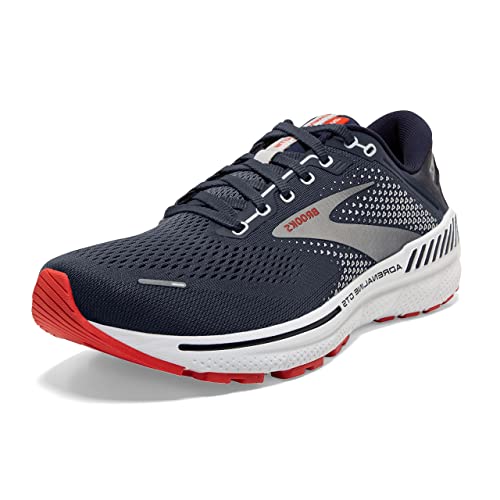
Brooks Men’s Adrenaline GTS 22 Supportive Running Shoe

Brooks Men’s Ghost 14 Neutral Running Shoe

Brooks Men’s Adrenaline GTS 20 Running Shoes

Brooks Women’s Cascadia 15 Trail Running Shoe

Brooks Men’s Ghost 15 Neutral Running Shoe
Why These Options Stand Out
The adidas Adizero Electric lands in the affordable lane for runners who want something nimble on foot. Unlike the Brooks stability picks on this list, this adidas leans light and clean, which makes short jogs and treadmill sessions feel quick off the ground. The white and black colorway stays versatile enough to pair with gym shorts or jeans after the run.
For newer runners or anyone logging a few miles a week, the price-to-weight balance is genuinely appealing. You won’t get the heavy cushioning some people expect from the Brooks line, but you also won’t feel like you’re dragging bricks through a 20-minute loop.
What It Does Well
- Featherweight construction that keeps short runs feeling quick
- Versatile neutral styling for gym, errands, or casual wear
- Entry-level price point that suits beginners testing the hobby
- Clean silhouette that pairs with most workout wardrobes
Worth Bearing In Mind
- Light build may wear faster for runners logging high weekly mileage
- Lacks structured stability features for overpronators
- Mesh upper can trap debris on dusty paths
Right Fit For
New runners keeping weekly mileage modest, or anyone wanting a budget trainer that doubles as a casual everyday sneaker.
Swap It Out When
You need firmer arch support for longer runs, in which case the Brooks Adrenaline GTS 22 is a stronger match.
PUMA built the Voltra as a casual-leaning lifestyle shoe rather than a serious mileage runner, which makes it a slightly different beast from the Adizero Electric that opened this list. Where the adidas leans toward performance, the Voltra leans toward all-day comfort with bold red color and that signature formstrip. Think of it as the option for people whose “run” is really a brisk walk to the train station.
For shoppers who split time between the gym locker room and weekend errands, the overlasted construction and X-Cell cushioning platform keep things stable without feeling clunky. It’s not a shoe designed for tempo intervals, but for its actual lane, it does the job.
Strong Points
- Stable cushioning platform that handles long walking days
- Bold colorway adds personality to casual outfits
- Reasonable entry price for casual athletic use
Trade-Offs To Consider
- Not engineered for serious mileage or speed sessions
- Limited breathability in warmer weather
Whose Shelf It Belongs On
Gym-goers and casual exercisers who want comfort and style without paying for performance features they won’t use.
Consider Something Else When
You need a real mileage runner, where the Brooks Ghost 15 offers better long-term comfort.
The Brooks Adrenaline GTS 22 represents the supportive end of this list, sitting well above the casual PUMA Voltra in terms of running intent. Where the Adizero Electric strips things back to keep weight low, the GTS 22 adds structured stability features that overpronators genuinely benefit from over longer distances. It carries the brand’s signature GuideRails system, which acts like soft bumpers around your stride to keep excess motion in check.
For runners who finish their longer runs with sore knees or tired arches, this is the kind of shoe that earns its place through repeat use. The price tag climbs compared to the lighter picks, but so does the engineering.
Useful Strengths
- Built-in stability system for runners who overpronate
- Structured midsole that holds up across high mileage
- Trusted brand reputation among distance runners
- Durable outsole construction that resists wear
Honest Caveats
- Heavier than minimalist trainers
- Stability feel may feel restrictive to neutral runners
- Higher price point than casual lifestyle options
Built With In Mind
Runners who need real arch and gait support, especially those logging weekly mileage over 15 miles.
A Better Fit Elsewhere
Neutral runners without stability needs may prefer the Brooks Ghost 15 for a softer, less structured ride.
The Ghost 14 sits in a sweet spot that the Adrenaline GTS 22 doesn’t quite hit: a neutral platform without sacrificing cushioning. It’s the shoe you grab when your gait stays naturally aligned but you still want plush comfort underfoot. Compared to the GTS 22, this feels softer and less corrective.
Runners with neutral mechanics who simply want a comfortable daily trainer often land on this Ghost platform. The mesh upper breathes well, and the segmented crash pad helps transitions feel smooth on easy-paced miles.
Key Advantages
- Plush neutral cushioning for high-mileage comfort
- Breathable mesh upper suited to warm-weather running
- Smooth heel-to-toe transitions on casual paces
- Versatile enough for walking, jogging, or standing work
A Few Limitations
- Lacks stability features for overpronators
- Older generation compared to Ghost 15
Perfect Match For
Neutral runners who want cushioned comfort for everyday jogging without the structure of a stability shoe.
Not Your Match When
You need corrective support for overpronation, which the Adrenaline GTS 22 handles more directly.
The Adrenaline GTS 20 carries DNA Amp midsole cushioning, which Brooks designed to bounce back more energy with each step. Compared to the newer GTS 22 and the neutral Ghost 14, this older GTS model feels slightly more responsive underfoot. The Fit Knit upper stretches and moves with your foot rather than fighting against it.
For runners who want support plus a little extra pep, this version of the GTS line strikes a fair balance. You give up some of the latest refinements but gain a more responsive feel on push-off.
Where It Delivers
- Energy-returning midsole adds spring to every stride
- Adaptive knit upper conforms to foot shape during runs
- Stability features without overly stiff ride
Points To Keep In Mind
- Older generation model with less refined upper
- Knit material may show wear sooner than traditional mesh
- Energy-return feel takes some adjustment for first-time users
Who Should Grab It
Runners seeking a snappy, supportive trainer at a price below the current flagship GTS models.
Look Elsewhere When
You want the most current upper materials, where the Ghost 15 represents a more refined option.
The Cascadia 15 shifts the conversation from pavement to trail, offering a rugged alternative to the road-focused picks earlier in this list. Where the Adrenaline GTS 22 and Ghost 14 handle sidewalks and tracks, the Cascadia handles dirt, rocks, and root-covered paths. The mesh upper uses stretch and structure zones strategically, so the shoe almost disappears on foot when the terrain cooperates.
Trail runners who occasionally find themselves on mixed surfaces will appreciate the protective rock plate and grippy outsole. It’s the kind of shoe that handles a wet trail morning without flinching.
What Makes Sense
- Trail-ready outsole grips loose and wet terrain
- Protective rock plate shields feet from sharp debris
- Refined mesh upper reduces hot spots on long outings
- Crash pad segments support varied foot strikes
Some Limits To Know
- Heavier than road running alternatives
- Aggressive lugs feel clunky on smooth pavement
- Trail-specific build is overkill for treadmill-only runners
Best Suited To
Trail runners and outdoor enthusiasts who tackle dirt paths, gravel roads, or mixed terrain regularly.
Where A Sibling Pick Shines
Road-only runners will find the Ghost 15 lighter and more efficient on pavement than the trail-focused Cascadia 15.
The Ghost 15 closes out this list as the most refined neutral option, building on the Ghost 14 with an updated upper and softer interior feel. Compared to the lighter Adizero Electric that opened the roundup, this shoe trades raw weight for plush comfort that holds up across long easy-paced runs. The neutral platform stays friendly to natural gaits.
For runners who want one shoe to handle weekday jogs and weekend long runs alike, the Ghost 15 earns its reputation through consistency rather than flashy features.
Positive Takeaways
- Soft interior feel reduces irritation on longer runs
- Refined mesh upper improves fit over earlier Ghost models
- Reliable neutral cushioning for daily training
- Versatile enough for casual wear after the run
Worth Noting
- Higher price tier than budget-focused picks
- Plush feel may feel too soft for runners preferring responsive shoes
Who Will Love This
Runners who log steady mileage and want a cushioned neutral shoe that feels broken-in from day one.
Reach For A Different Pick When
Budget matters most, in which case the adidas Adizero Electric delivers a lighter, more affordable option.
What To Weigh Before Choosing Budget Running Shoes
Match the Shoe to Your Gait
Knowing whether your foot rolls inward (overpronation), outward (underpronation), or stays neutral helps narrow the field fast. Runners with excess inward roll benefit from stability picks like the Brooks Adrenaline GTS 22 or GTS 20, which use guide systems to keep motion in check. Neutral runners can skip straight to cushioned options like the Ghost 14 or Ghost 15.
Cushioning Density and Feel
Cushioning isn’t one-size-fits-all. Plush platforms like the Ghost line absorb impact for easy miles, while responsive foam like DNA Amp in the GTS 20 adds spring for tempo work. The adidas Adizero Electric sits lighter with less foam, which suits shorter runs but feels thin on longer efforts.
Terrain Considerations
Most cheap running shoes target pavement, but trail options like the Cascadia 15 exist for off-road conditions. If your routes stay on sidewalks and treadmills, road-focused picks deliver better value. Mixed-terrain runners may want a shoe with grippier outsoles and protective features.
Fit and Sizing Quirks
Trying shoes on late in the day, when feet swell slightly, gives a more realistic fit feel. Half-size adjustments help runners with wider feet, and most Brooks models run true to size with a slightly roomier toe box than typical athletic shoes.
Key Considerations Across These Picks
Common Shopping Slip Ups
Going purely by sticker price often backfires. A $60 shoe that falls apart in two months costs more than a $120 pair lasting twice as long. Runners also tend to ignore gait type, picking flashy designs over supportive platforms. Test the shoe on your typical route before committing.
What Separates Premium From Basic
Higher-tier models invest in midsole foam technology, engineered mesh uppers, and outsole rubber compounds that hold up longer. The Brooks Ghost line, for example, refines each generation with subtle fit improvements that budget options skip. Paying more typically buys durability and comfort consistency over many miles, not just better aesthetics.
Frequently Asked Questions
How long do budget running shoes typically last?
Most affordable running shoes hold up for 300 to 500 miles before cushioning breaks down. Rotating between two pairs can extend the life of each.
Are trail running shoes necessary for casual jogging?
Not really. Trail-specific shoes like the Cascadia 15 add weight and lugs that feel clunky on pavement. Road-focused options handle sidewalks and treadmills more efficiently.
What’s the difference between stability and neutral shoes?
Stability shoes include guide systems to control foot motion, helping overpronators. Neutral shoes let your foot move naturally, which suits runners with balanced gaits.
Can cheap running shoes work for beginners?
Yes, light options like the Adizero Electric give beginners a low-cost entry point without major commitment. As mileage grows, upgrading to a Brooks neutral or stability model usually makes sense.
How do I know if I overpronate?
Wet foot test or gait analysis at a running shop reveals your foot strike pattern. Persistent knee or arch pain after runs often signals overpronation that benefits from stability shoes.
Wrap Up
The right running shoe depends more on your gait and mileage than your budget alone. Lightweight options like the Adizero Electric work for beginners, while cushioned neutrals like the Ghost 15 serve runners logging steady weekly miles. Match the shoe to your actual routine, and the value tends to follow naturally.