Trail-ready footwear shouldn’t look like a cast from a 1990s campsite, and modern hikers deserve better than the chunky-but-stiff options that have dominated the category. You’re after shoes that handle wet rock and loose gravel while still looking sharp enough for a post-hike coffee stop or a flight out of town.
The picks below lean into that overlap: protective outsoles, supportive midsoles, and styling that works beyond the trailhead. Foot shape, hike intensity, and weather exposure all shape which one earns its spot in your bag, so the list mixes low-cut walkers, mid-height boots, and waterproof builds.
A Snapshot Of The Selections

SCARPA Men’s Mojito Wrap Walking Shoes
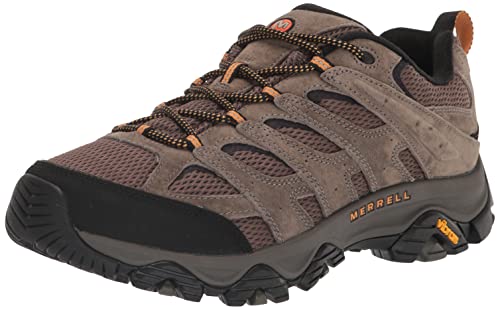
Merrell Men’s Moab 3 Hiking Shoe

Merrell Men’s Moab 3 Mid Hiking Boot

Merrell Men’s Moab 3 Mid Waterproof Hiking Boots

adidas Men’s Terrex Free Hiker 2.0 GORE-TEX
adidas Men’s Terrex Free Hiker 2.0 GORE-TEX
More On The Choices That Made The List
The Mojito Wrap leans into SCARPA’s approach-hybrid heritage: a low-cut silhouette that looks closer to a casual shoe than a chunky trail boot. A wrap-around lacing system, sometimes called a “ghilly” or “climbing-inspired” closure, lets you tailor the fit across the forefoot without pressure points.
It fits easily into carry-on bags and slides on for city walks in Lisbon, Vancouver, or Brooklyn. The trade-off is clear: this shoe isn’t built for weeklong backcountry trips, and aggressive off-trail terrain will push past its comfort zone.
Key Advantages
- Slim, fashion-friendly profile that transitions cleanly from trail to street
- Lightweight construction keeps feet fresh on long city days
- Adjustable lacing dials in fit across different foot shapes
- Suede-and-mesh upper breathes well in warm conditions
Worth Bearing In Mind
- Low-cut collar offers little ankle protection on rocky descents
- Suede uppers need occasional brushing and waterproofing spray to stay clean
Who It Suits Best
Travelers and urban walkers who want a shoe that handles cobblestones and light dirt paths without screaming “hiking boot.”
Reach For A Different Pick When
The Merrell Moab 3 Mid Waterproof Hiking Boots serve you better if your adventures include muddy stream crossings or wet roots.
The Moab 3 picks up where its predecessors left off, refining a formula that has carried millions of hikers onto trails worldwide. A Vibram outsole, a high-traction rubber compound made by a well-known Italian manufacturer, handles loose dirt and rocky stretches with quiet confidence.
Version 3 layers in a more supportive insole and a softer midsole, which keeps feet happy on day-long hikes without feeling sluggish. Compared to the SCARPA Mojito Wrap ahead of it, this is a more purpose-built trail shoe: chunkier, more protective, less stealth on city streets.
Real Benefits
- Vibram outsole grips confidently on wet rock and dry trail alike
- Roomy toe box accommodates wider feet and longer downhill miles
- Cushioned midsole reduces foot fatigue on multi-hour days
- Proven Moab lineage means replacement parts and accessories are widely available
Points To Keep In Mind
- Styling skews more outdoorsy than fashion-forward
- Mesh upper collects debris on sandy trails and needs occasional rinsing
Feature Snapshot
Made For
Weekend trail regulars who log a few miles each outing and want a shoe that slips on without a break-in period.
Look Elsewhere When
The adidas Terrex Free Hiker 2.0 GORE-TEX fits better if you prefer a sleeker profile and bouncier midsole feel.
The Moab 3 Mid takes everything the low-cut version does well and adds a mid-height collar that wraps above the ankle. That extra coverage matters on uneven terrain, where a rolled ankle can end a hike early.
Like its sibling, it leans on the same Vibram outsole and cushioned midsole platform. The trade-off shows up in weight and warmth: the mid-cut collar adds ounces and traps more heat, which feels excessive on a summer fire road.
Notable Upsides
- Mid-cut collar stabilizes ankles over loose rock and scree
- Familiar Moab comfort removes the break-in window
- Vibram outsole handles roots, mud, and wet rock reliably
Honest Caveats
- Heavier than the low-cut Moab 3, which adds up on long mileage
- Mid-cut collar can feel stiff until the leather flexes in
- Less breathable than low-cut options in hot, dry conditions
Best Suited To
Hikers tackling uneven terrain, light backpacking, or any trail where ankle support matters more than ounce-counting.
A Better Fit Elsewhere
The Merrell Moab 3 Hiking Shoe works better if your routes stay on graded fire roads or smooth day-hike trails.
This is the Moab 3 Mid with a waterproof membrane built into the boot. For trail runners and hikers who push through puddles, snow patches, and morning dew, that membrane keeps feet dry without the rubber-boot feel.
The mid-cut collar still gives ankle support on uneven ground, and the Vibram outsole handles slick surfaces. Owners commonly find the waterproofing trades a bit of breathability, so this boot runs warmer than the non-waterproof Moab 3 Mid.
Where It Delivers
- Waterproof membrane keeps feet dry through stream crossings and wet grass
- Mid-cut collar and trusted outsole handle technical terrain
- Compatible with the same Moab accessories as other versions
Practical Considerations
- Waterproof layer reduces airflow, which matters on hot summer hikes
- Membrane performance depends on keeping the boot clean; mud-caked uppers can limit breathability further
Feature Snapshot
Who Will Love This
Hikers who refuse to bail on a plan because of drizzle, mud, or early-spring snow patches underfoot.
Swap It Out When
The Merrell Moab 3 Mid Hiking Boot fits your needs better if dry trails and summer heat dominate your calendar.
The Terrex Free Hiker 2.0 borrows adidas’s BOOST midsole technology, a foam compound that compresses and rebounds with each step, giving the shoe a noticeably springy feel underfoot. That energy return is the headline feature, and it shows up most clearly when the trail tilts uphill for hours.
A GORE-TEX waterproof liner keeps rain and puddles at bay, and the Aurora Ivy colorway adds visual punch to a category that often leans brown and gray. The catch: the BOOST stack adds a touch of warmth, and the bold styling won’t suit every wardrobe.
A Few Highlights
- BOOST midsole adds lively rebound to long ascents
- GORE-TEX liner shrugs off rain and shallow stream crossings
- Distinctive colorway stands out from the typical trail palette
Things To Consider
- Thicker midsole stack feels chunky under narrower feet
- Style-forward colors may not match a muted outdoor kit
Feature Snapshot
Built With In Mind
Long-distance hikers and thru-hikers who appreciate a bouncier ride over traditional EVA foam.
Not Your Match When
The Merrell Moab 3 Hiking Shoe works better if you prefer a lower-profile shoe and a more neutral color palette.
The same Terrex Free Hiker 2.0 GORE-TEX platform, sized and offered in the 9.5 Medium fit window for shoppers who land between standard sizes. The lightweight build and responsive BOOST midsole translate directly from the size 12 sibling reviewed above.
Versatility is the main draw here: the shoe moves from damp forest trails to weekend travel days without missing a beat. You may find the aggressive lug pattern collects mud on groomed surfaces, but a quick rinse keeps the outsole clean.
A Strong Showing
- BOOST cushioning carries you through long days with less leg fatigue
- GORE-TEX waterproofing handles surprise weather shifts
- Lightweight frame beats many traditional hiking boots in the same category
Small Caveats
- Aggressive lugs can feel clunky on pavement and indoor floors
- Sizing between 9 and 9.5 may require trying both to dial in fit
Whose Shelf It Belongs On
Hikers with mid-range sizing who want one shoe that handles wet trails, long climbs, and travel days equally well.
Consider Something Else When
The Merrell Moab 3 Mid Waterproof Hiking Boots earn your attention if ankle support and a more traditional boot fit matter most.
What Matters Most Before Choosing Mens Fashion Hiking Shoes
Foot Shape And Fit Window
Start with your foot, not the brand. A wide forefoot needs a roomy toe box, and a narrow heel needs lacing that pulls snug without crushing. Trying shoes on with hiking socks in hand changes the experience dramatically, since the socks you wear on the trail should match the shoes you choose.
Hike Intensity And Terrain
Day hikes on graded paths ask less of a shoe than a multi-day trek with a loaded pack. Low-cut walkers like the SCARPA Mojito Wrap shine on easy terrain, while mid-cut boots earn their weight when the trail tilts toward scree and root tangles.
Weather Exposure
Damp climates, stream-heavy routes, and shoulder-season snow all push toward waterproof builds. GORE-TEX and similar membranes keep feet dry, but they also trap heat, so summer-only hikers may prefer breathable non-waterproof versions.
Style Beyond The Trail
Fashion-forward hikers want shoes that move from trailhead to taproom without a swap. Slim profiles, muted colors, and streetwear-friendly silhouettes like the Mojito Wrap work well for that audience, while traditional boots skew more utility than style.
Key Considerations Across These Picks
Where Shoppers Go Wrong
The biggest miss is buying for the trail you wish you hiked, not the trail you actually walk. A sleek low-cut shoe on a technical route ends in rolled ankles. A chunky waterproof boot on summer fire roads ends in sweaty feet and sore arches. Match the shoe to your real mileage, real terrain, and real weather.
Where The Extra Money Goes
Premium hiking shoes typically invest in better midsoles (BOOST foam versus basic EVA), more durable outsoles (Vibram compounds versus generic rubber), and waterproof membranes that last longer. The upgrade pays off most for hikers logging serious miles or tackling unpredictable weather; for casual weekend use, mid-tier options deliver nearly all the benefit.
Frequently Asked Questions
How Do Mens Fashion Hiking Shoes Differ From Regular Hiking Boots?
Fashion-leaning hiking shoes prioritize slimmer silhouettes and style-conscious colorways, often at the cost of some ankle support. Traditional boots lean into protective features over polish.
Are Waterproof Hiking Shoes Worth It?
For hikers in wet climates or shoulder seasons, waterproof membranes keep feet dry and reduce blister risk. In dry, hot conditions, breathability matters more than waterproofing.
How Long Should Mens Fashion Hiking Shoes Last?
Expect roughly 500 to 800 miles before midsole cushioning fades and outsoles wear smooth. Rotating between two pairs and cleaning after muddy hikes can stretch that window.
Can I Wear Hiking Shoes For Everyday Use?
Yes, especially low-cut options with breathable uppers. The trade-off is faster outsole wear if you log a lot of pavement miles between hikes.
Do I Need To Break In Mens Fashion Hiking Shoes?
Most modern hiking shoes feel comfortable from the first wear, though leather mids may loosen slightly over a few short walks. Synthetic uppers rarely require a break-in period.
Bottom Line
Match the shoe to your real terrain first, then your style preferences second. The right pair fades into the background on the trail and earns its place in your weekend rotation off it.