You want shoes that disappear on your feet, log easy mileage, and stay comfortable past the first hill. Runners chasing daily training comfort have more options than ever, and the right pair depends on whether your stride needs stability, plush cushion, or a roomier neutral ride. This guide walks through six models built for committed mileage and casual loops alike.
A Snapshot Of The Selections
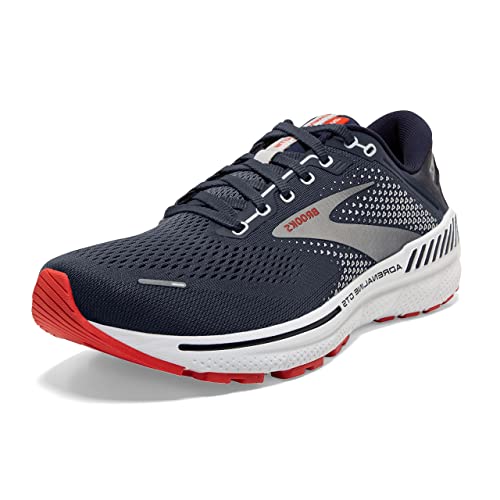
Brooks Adrenaline GTS 22 Supportive Running Shoe

Brooks Ghost 14 Neutral Running Shoe
ASICS Gel-Excite 11 Running Shoes

ASICS Gel-Contend 9 Running Shoes

Saucony Triumph 22 Sneaker

Saucony Cohesion 18
The Strengths Of Each Pick
Built for runners whose ankles roll inward mid-stride, the Brooks Adrenaline GTS 22 leans into structure without feeling like a brace. Overpronators (people whose feet collapse inward when they land) get a guided ride that softens impact and keeps fatigue in check on five- to ten-mile weekday runs. Compared to the Ghost 14 below, this model trades a touch of softness for firmer guidance along the arch.
The midsole blends responsive foam with a holistic support system that resists twisting across uneven sidewalks. Breathable engineered mesh keeps airflow moving during summer loops, and the segmented crash pad (the rubber grooves under the heel that smooth the landing) helps each footfall transition cleanly from heel to toe. For runners logging daily miles with mild to moderate stability needs, it earns its long-running reputation.
A Few Highlights
- Holistic GuideRails support keeps excess side-to-side motion in check without forcing a corrective feel.
- DNA LOFT cushion (a softer EVA foam blend) creates a balanced ride that handles long training days comfortably.
- Engineered mesh upper breathes well, useful for warm-weather pavement runs.
- Segmented crash pad smooths heel-to-toe transitions for tired legs.
- Worn by many recreational marathoners for its reliable, predictable feel.
Things To Consider
- The structured ride can feel firmer than neutral shoes like the Ghost 14, especially on easy recovery days.
- Runners with neutral mechanics may notice the guidance more than they need.
Feature Snapshot
Who It Suits Best
Runners who overpronate and want daily-mileage shoes with structured support and a familiar, dependable feel.
Consider Something Else When
The Brooks Ghost 14 suits neutral strikers who want a softer, less guided ride for everyday training.
Neutral runners looking for a versatile workhorse will find a familiar friend in the Brooks Ghost 14. The shoe skips the corrective posts found in stability models, letting the foot move naturally through each stride. That makes it a smart pick for runners whose gait already tracks straight or slightly outward.
Compared to the Adrenaline GTS 22 above, this model trades structure for a softer landing. The midsole uses DNA LOFT foam wrapped around a more traditional crash pad, and the engineered air mesh upper gives a roomier midfoot fit. Most runners find it transitions effortlessly from easy jogs to longer weekend miles.
What Earns Its Place
- Plush DNA LOFT midsole delivers a soft, quiet ride on pavement.
- Neutral geometry suits runners who don’t need posture-correcting posts.
- 3D Fit Print overlays (thin structural ribbons fused into the mesh) hold the midfoot without adding bulk.
- Doubles as a reliable walking and gym shoe between runs.
Honest Caveats
- No medial post means runners with pronounced overpronation may want the Adrenaline GTS 22 instead.
- Some wearers find the toe box a touch snug on wider feet.
Made For
Neutral strikers who rack up mixed mileage and prefer a cushioned, no-fuss daily trainer.
Reach For A Different Pick When
The Saucony Triumph 22 suits runners who want an even plusher underfoot feel for long, slow miles.
Beginners and casual runners find a comfortable entry point in the ASICS Gel-Excite 11. The shoe wraps the foot in an engineered jacquard mesh upper (a knit pattern woven directly into the fabric for ventilation zones) that feels airy without losing structure, which matters on humid summer loops. The lace-up closure pulls in evenly, and the polyester lining helps wick moisture during longer efforts.
The ride leans soft underfoot, making it approachable for new runners who haven’t yet adapted to firmer plates. Compared to the Brooks Ghost 14 above, it sits at a more accessible weight class while still delivering visible cushioning under the heel.
A Favorable Mix
- Engineered jacquard mesh upper gives breathable comfort for warm conditions.
- Soft underfoot feel helps newer runners adapt to road mileage.
- Lightweight profile reduces foot fatigue during recovery jogs.
Points To Keep In Mind
- Cushion is softer than premium models, which may feel less responsive on faster efforts.
- Durability of the lightweight outsole tends to fade faster than the ASICS Gel-Contend 9 below under heavy mileage.
Quick Facts
Who Will Love This
Casual runners and beginners who want breathable, lightweight shoes for short to moderate mileage.
Skip It When
The Saucony Cohesion 18 fits shoppers wanting similar accessibility with a touch more durable cushioning for daily wear.
Road runners looking for steady cushioning without premium pricing gravitate toward the ASICS Gel-Contend 9. The polyester upper and lining keep the build simple and breathable, while AMPLIFOAM cushioning (a resilient EVA foam designed for durable, everyday comfort) carries impact absorption through weekday miles. Rearfoot GEL technology (a silicone-based unit placed in the heel to absorb shock) softens landings for runners prone to heel strikes.
Compared to the ASICS Gel-Excite 11 above, this model adds Trusstic System technology (a plastic bridge under the midfoot that adds rigidity without weight) for a touch more torsional stability. You may find the trade-off worthwhile if your route includes uneven sidewalks.
Strong Points
- Rearfoot GEL unit absorbs shock for heel strikers.
- OrthoLite sockliner (a moisture-managing, breathable insole) provides step-in comfort right out of the box.
- AMPLIFOAM midsole offers durable cushioning at a lower price tier.
- Trusstic system adds midfoot integrity for light stability.
- Accessible price makes it a strong entry into structured road running.
Worth Noting
- Upper runs warmer than the Gel-Excite 11’s knit-style mesh for some wearers.
- Cushion feel is firmer than premium trainers on longer distances.
Best Suited To
Value-focused road runners who want structured cushioning and heel protection without overspending.
Look Elsewhere When
The Saucony Triumph 22 fits runners who want a more plush, premium-feeling ride for high weekly mileage.
The Saucony Triumph 22 aims for runners who treat their shoes like long-haul companions. An ultra-light, responsive PWRRUN PB super foam midsole (a PEBA-based foam prized for high energy return) carries a bouncy, cushioned feel that holds up across double-digit training runs. You may notice the energy return on uphills where lighter foam makes each push-off feel less laborious.
Compared to the Brooks Ghost 14 above, the Triumph 22 trades a touch of weight for a more energetic underfoot sensation. A wider platform and updated rocker geometry (the upward curve at the toe that helps the foot roll forward smoothly) encourage efficient transitions, while the XT-900 rubber outsole handles daily wear reliably.
Positive Points
- PWRRUN PB super foam delivers responsive cushioning that holds up over long miles.
- Wider platform provides a stable base for easy paces.
- Refined rocker geometry smooths heel-to-toe transitions for tired legs.
- XT-900 rubber outsole resists wear on pavement-heavy routes.
- Plush interior suits runners transitioning from walking to running.
Trade Offs
- Sits at a higher cost tier than most road shoes in this list.
- Plush feel can feel less locked-in for runners who prefer a firmer, racing-style ride.
Technical Sheet
Perfect Match For
High-mileage runners who want plush cushioning, smooth transitions, and a premium daily trainer.
A Better Fit Elsewhere
The Brooks Ghost 14 suits runners who want a more affordable neutral ride for everyday training.
The Saucony Cohesion 18 is built for newcomers building a running routine. VersaRun cushioning (a versatile midsole foam tuned for everyday comfort) carries daily impact, and the neutral platform lets the foot move without corrective posts. Runners easing into structured training will appreciate how unassuming the shoe feels from the first mile.
Compared to the ASICS Gel-Excite 11 above, this Saucony leans a touch more versatile for mixed-use days. It handles treadmill sessions and neighborhood runs with equal ease, depending on your rotation.
Features That Help
- VersaRun cushioning gives a comfortable ride for short to mid-distance efforts.
- Neutral design fits a wide range of footstrikes.
- Comfortable, secure upper helps new runners avoid hot spots.
- Accessible pricing eases first-time shoe commitments.
A Few Limitations
- Cushioning is less plush than the Saucony Triumph 22 above for runners chasing a softer feel.
- Not built for high-mileage training plans.
Right Fit For
New runners and casual walkers who want a versatile, comfortable neutral shoe for building a routine.
Another Choice May Suit
The ASICS Gel-Contend 9 fits shoppers who want similar accessibility with added heel cushioning for road runs.
Picking The Right Pair For Your Miles
Cushioning sits at the top of the priority list for most runners shopping for lightweight shoes. Foam softness affects how impact travels through knees and hips over time. Plusher options like the Saucony Triumph 22 spread forces across a thicker stack, while firmer trainers give more ground feedback.
Stability comes next. Runners whose ankles roll inward at landing benefit from guided platforms like the Brooks Adrenaline GTS 22, which use internal structures to limit excess motion. Neutral runners with straighter strides can save weight and dollars by skipping those posts.
Fit and upper construction matter more than specs suggest. An engineered mesh upper breathes better in warm climates, while a roomier toe box helps runners whose feet swell on longer efforts. Lace closure quality and heel collar padding affect how the shoe locks in, which matters on downhill stretches.
Durability rounds out the decision. Outsole rubber compound (the type of grippy material bonded to the bottom for traction) and midsole foam density dictate how long a shoe holds its cushioning. Lightweight foam tends to soften faster, so runners logging high weekly mileage may want a denser midsole for longer service life.
Smart Choices Before You Click
Where Shoppers Go Wrong
Many first-time buyers pick shoes based on looks alone rather than gait. A neutral runner saddled with a heavy stability shoe often ends up with blisters and unused posts, while overpronators in a soft neutral shoe feel arch fatigue within weeks. Visiting a local running shop for a quick gait assessment sidesteps that mistake.
Another common slip is ignoring upper fit. A snug forefoot creates hot spots within a few miles, and most athletic feet swell during longer efforts. Sizing up half a size or choosing a wider last (the foot-shaped mold the shoe is built around) prevents unnecessary discomfort.
When Paying More Pays Off
Premium foams like PWRRUN PB in the Saucony Triumph 22 cost more because they return more energy per gram. Runners logging 30-plus weekly miles feel that difference in fatigue levels across long runs, which can justify the higher upfront cost. For lower-mileage users, a budget-friendly option delivers similar comfort without the price jump.
Common Pitfalls When Shopping Lightweight Runners
Mistakes Worth Dodging
Chasing the lightest shoe possible often backfires. Stripped-down models can sacrifice midsole durability and outsole rubber, shortening the lifespan of the shoe. A balanced weight with reinforced high-wear zones usually serves daily runners better than an ultralight build that breaks down after a season.
Skipping the break-in walk is another misstep. Even the most comfortable shoes benefit from short test walks around the house to confirm fit before heading out for a real run.
What The Higher Tier Buys
Spending up gets you refined foam chemistry that holds its bounce longer and engineered uppers with zoned stretch and ventilation. The Saucony Triumph 22 illustrates that premium category, where the cushioning system carries runners through long efforts with less breakdown. For high-mileage runners, the upgrade often shows up as fewer aches at the end of a training block.
Frequently Asked Questions
How Often Should Lightweight Running Shoes Be Replaced?
Most road running shoes last between 300 and 500 miles before the midsole foam loses its rebound. Tracking mileage with a phone app helps you know when to rotate in a fresh pair.
Do Lightweight Shoes Offer Enough Support For Long Runs?
Modern lightweight trainers include structured midsoles and engineered uppers that hold up well for runs up to about 10 miles. Runners tackling longer distances may want a plusher max-cushion option.
Can Neutral Runners Wear Stability Shoes Without Discomfort?
Yes, but the corrective posts often feel unnecessary and may cause irritation along the arch. Neutral runners typically prefer the freedom of motion in shoes like the Brooks Ghost 14.
Are Mesh Uppers Durable Enough For Daily Training?
Engineered mesh holds up well for daily road running, though trail runners may want reinforced overlays for off-road debris. Airy uppers also help moisture escape on hot days.
What Sock Pairing Works Best With These Shoes?
Thin moisture-wicking running socks reduce friction inside lightweight shoes and help prevent blisters across longer efforts.
Final Verdict
Lightweight running shoes balance comfort, durability, and feel, so the right match depends on your gait, mileage, and climate. Runners needing stability reach for the Brooks Adrenaline GTS 22, while neutral strikers chasing plush cushioning find a friend in the Saucony Triumph 22. New runners and budget-minded shoppers can ease in with the ASICS Gel-Contend 9 or Saucony Cohesion 18. The best fit is the pair that disappears on your foot mile after mile.