Long shifts on concrete floors punish your feet, and hauling around heavy leather work boots makes everything worse. The right pair of mens lightweight work shoes can save your knees, your back, and your energy by the end of a double. This roundup looks at six pairs that handle real job-site demands without weighing you down, so you can focus on the work and not the aching.
The Main Contenders

Skechers Men’s Creston Moseco Slip-On

Ariat Men’s Hilo Slip-On Shoe

Georgia Boot Men’s Wedge Industrial Boot

KEEN Utility Lansing Low Steel Toe
KEEN Utility Vista Energy Low Composite Toe
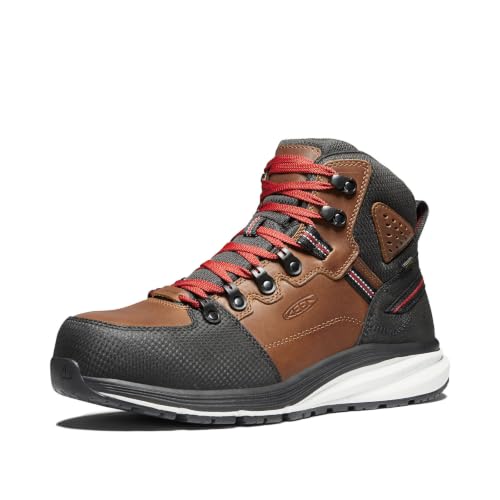
KEEN Utility Red Hook Mid Composite Toe
The Strengths Of Each Pick
Slip-on shoes earn their keep when you need to dash out the door, and the Skechers Creston Moseco leans into that grab-and-go simplicity. The woven canvas upper with its vintage finish and moc toe styling dresses up easily for casual Friday at the office or a Saturday errand run, while the relaxed fit gives your foot room to settle in rather than pinch.
Air-Cooled Memory Foam underfoot softens the ride for anyone clocking long hours on their feet in low-impact settings. The trade-off shows up in the absence of safety features, so you would not pick it for a job site with toe hazards. Light-duty retail, warehouse walking, restaurant shifts, and home project weekends all line up well with what this shoe offers.
What Pays Off
- Slip-on convenience cuts your morning routine in half, which adds up across a busy week.
- Memory foam insole cushions casual shifts so your heels feel less bruised by closing time.
- Relaxed fit design accommodates wider feet and high insteps without a break-in window.
- Canvas upper breathes well for warm environments where leather feels stifling.
Things To Consider
- No safety toe means it falls short on regulated industrial sites that require protective footwear.
- Canvas shows scuffs and stains faster than leather, so owners commonly rotate these out sooner.
- Outsole grip is tuned for indoor floors rather than slick outdoor terrain.
Who It Suits Best
Hospitality, retail, and home users who want comfortable everyday footwear without protective bulk.
Look Elsewhere When
Pick the Georgia Boot Men’s Wedge Industrial Boot instead when your workplace requires a tougher, resoleable build.
The Ariat Hilo pushes the comfort dial even further than the Skechers above, layering extra cushioning into a familiar slip-on silhouette. Ranch hands, weekend campers, and anyone bouncing between indoor and outdoor tasks on the same day appreciate the easy entry and breathable construction. The shoe feels closer to a recovery slipper than a traditional work boot.
Compared to the Creston Moseco, the Hilo skews toward more outdoor-friendly wear with a slightly burlier outsole pattern. You may find the canvas-like upper less protective around water and debris, so deep mud or wet grass calls for something more substantial. Light farm chores, barn work, and casual trail walks land right in its wheelhouse.
What Works In Its Favor
- Upgraded cushioning softens the impact of gravel paths and concrete barn floors alike.
- Slip-on entry suits the kind of quick trips where laces feel like wasted seconds.
- Lightweight build reduces leg fatigue on long days spent chasing animals or tackling fence lines.
Points To Note
- Lacks any safety toe, so it will not satisfy job sites with impact or compression hazards.
- Upper fabric can soak through in heavy rain, depending on conditions.
- Casual styling limits its usefulness for dressier workplaces.
Best Suited To
Ranch hands, weekend outdoorsy types, and casual wearers who want cushioned slip-ons for mixed indoor-outdoor days.
Skip It When
The KEEN Utility Lansing Low Steel Toe is the better call when your workplace mandates protective footwear.
The Georgia Boot Wedge Industrial Boot earns its place in any lineup that values longevity over flash. Goodyear welt construction, a method where the upper is stitched to a strip of leather that is then sewn to the outsole, lets a cobbler replace the sole when it wears thin rather than tossing the whole boot. Full leather uppers add real weight on the shelf, but they also age into a personalized fit that synthetic shoes never quite match.
Unlike the lightweight slip-ons above, this boot expects you to lace up every morning and commit to a break-in period. Wedge outsoles spread pressure across a wider footprint, which reduces hot spots during long standing shifts on flat surfaces. Warehouse workers, machinists, and shop owners with concrete floors get the most from the design.
Notable Gains
- Resoleable welt construction extends service life well beyond disposable synthetic builds.
- Leather upper molds to your foot shape, reducing the rubbing that plagues stiff new boots.
- Wedge outsole geometry cushions flat-surface work where traditional lugged soles feel clunky.
Trade Offs
- Heavier than the Skechers and Ariat options, so all-day wear can tire out your legs.
- Leather needs periodic conditioning to stay supple and resist cracking over time.
- No mention of a safety toe in the available source details.
Key Specs
Made For
Industrial workers, shop owners, and anyone who plans to wear the same boots for several years of service.
Reach For A Different Pick When
The KEEN Utility Vista Energy Low Composite Toe makes more sense when lighter weight and a safety toe both matter.
The Lansing Low brings steel toe protection into a low-profile package that skips the chunky ankle coverage of traditional work boots. KEEN builds the shoe on a wider last, a molded form that determines shoe shape and volume, which suits folks whose feet feel squeezed by narrow safety footwear. At roughly 21 ounces per boot, it lands on the lighter end of the steel-toe category without sacrificing impact protection.
Water-resistant leather and a moisture-wicking lining help when the work environment runs humid or your boots catch unexpected splashes. The low-cut design trades ankle support for mobility, which means ladder work and uneven terrain call for extra caution. Light industrial, warehouse, and landscaping shifts on stable ground suit this shoe best.
Points In Its Favor
- Steel toe delivers required impact protection for jobs that mandate safety footwear.
- Wider last accommodates broad feet and reduces the side-pinching common in narrower work shoes.
- Low height keeps weight down while leaving ankle mobility intact for bending and crouching.
Honest Caveats
- Low height offers no ankle protection for uneven ground or heavy rolling hazards.
- Steel toe adds cold conductivity in unheated environments during winter months.
Quick Facts
Who Will Love This
Warehouse, light industrial, and landscaping workers who need steel toe protection in a wider, lower-profile build.
Swap It Out When
The KEEN Utility Red Hook Mid Composite Toe is the better fit for wet environments and tasks that benefit from ankle support.
The Vista Energy Low reads more like a running shoe than a work boot, and that is exactly the point. KEEN.ReGEN midsole cushioning returns a claimed 50% of the energy from each step back into your stride, which softens the grind of long warehouse routes. Carbon-fiber toes weigh less than steel while still meeting industrial impact standards, and a breathable mesh upper keeps air circulating during warm shifts.
At roughly 17 ounces per shoe, this is the lightest safety-toe option in the lineup and noticeably easier on the knees than heavier builds. Compared to the Lansing Low above, you trade water-resistant leather for athletic agility and energy return. Active job sites where you cover lots of ground, like large warehouses, logistics centers, and distribution floors, line up well with its strengths.
Real-World Strengths
- Energy-return midsole reduces the heavy-leg feeling you get by the end of an extended walking shift.
- Carbon-fiber toe protects without the cold conductivity or extra weight of steel.
- Breathable mesh upper prevents the swamp-foot feeling common in fully sealed work boots.
- KonnectFit heel capture system holds your foot in place during lateral movements and quick pivots.
Small Caveats
- Mesh upper offers limited water resistance, so wet environments call for waterproof alternatives.
- Low height skips ankle support, which may feel unsteady on uneven outdoor terrain.
Feature Snapshot
Right Fit For
Logistics, warehouse, and distribution workers who log serious mileage on indoor routes each shift.
Consider Something Else When
Choose the KEEN Utility Red Hook Mid Composite Toe when wet conditions or ankle support are non-negotiable.
The Red Hook rounds out the lineup as the boot for messy conditions that punish lesser shoes. Waterproof full-grain leather shrugs off puddles and morning dew, while TecTuff overlays in high-abrasion zones protect the toe and heel from scuffs against pallets and racking. Mid-cut height adds ankle support that the lower Vista Energy cannot match, which matters when you climb ladders or work on uneven concrete.
At roughly 21 ounces per boot, it sits heavier than the Vista Energy but lighter than most traditional work boots, so it splits the difference between protection and agility. The KEEN.ReGEN midsole brings the same energy-return claim to a tougher package, cushioning routes that mix standing and walking. Warehouse work with frequent loading dock exposure, outdoor construction on dry ground, and any shift where water hits your feet unexpectedly all benefit from this build.
Useful Strengths
- Waterproof construction keeps feet dry through wet dock floors and morning dew.
- Mid height delivers ankle stability for ladder climbs and uneven work surfaces.
- TecTuff abrasion overlays extend the upper’s life in high-wear zones.
- Composite toe weighs less than steel while still meeting protective standards.
Some Limits To Know
- Heavier than the Vista Energy Low, so all-day wear adds up across long shifts.
- Waterproof membranes trade breathability, which can feel warm in hot indoor spaces.
Core Details
Whose Shelf It Belongs On
Warehouse, dock, and outdoor workers who need waterproof protection plus ankle support on demanding routes.
A Better Fit Elsewhere
Pick the KEEN Utility Vista Energy Low Composite Toe when breathability and lighter weight matter more than waterproofing.
What Matters Most Before Choosing Mens Lightweight Work Shoes
Start with the actual demands of your work site, because every other decision flows from there. Safety toes, meaning a reinforced cap that protects against impact and compression, matter most where dropped objects or rolling loads are a daily risk. For office-adjacent or retail settings, plain cushioned shoes like the Skechers and Ariat slip-ons will serve you just as well without the extra weight.
Foot Shape And Fit
Wider feet struggle in narrow safety-toe lasts, so KEEN’s broader form factor pays off for anyone who has been pinched by standard sizing. Try shoes on at the end of the day when your feet are slightly swollen, which mirrors how they feel after a full shift. A thumb’s width of room at the toe prevents bruised toenails on downhill walks.
Cushioning And Energy Return
Foam midsoles, the layer between the insole and outsole that absorbs shock, range from basic EVA, a lightweight foam common in entry-level shoes, to engineered foams that return energy with each step. Workers logging serious mileage notice the difference by week two of a long assignment. Pick a higher-return midsole when your shift mixes standing and walking rather than pure standing.
Material And Climate
Leather lasts longer but breathes less, while mesh and canvas cool better yet soak through faster. Your local climate and the typical conditions on your route should drive the choice. Waterproof membranes trap heat in summer, so weigh that trade-off before locking in.
Weight Versus Durability
The lightest shoes in this roundup sacrifice some toughness, while the heavier resolable boots reward patience with years of service. If you rotate between several pairs, lighter wins matter more. If you wear the same pair daily and want them to last, durability earns its weight.
Key Considerations Across These Picks
Where Shoppers Go Wrong
Treating all work footwear the same is a fast path to sore feet and premature replacements. The biggest slip-up is choosing style over function, picking a casual slip-on for a regulated job site that requires safety toes. Another common trap is ignoring break-in time, since leather boots like the Georgia Wedge feel stiff for the first week before they conform. Setting a realistic adjustment window prevents you from returning shoes that simply needed patience.
When Paying More Pays Off
Higher-tier models in this category earn their keep through better midsoles, lighter safety toes, and tougher upper materials. The KEEN Vista Energy and Red Hook show what extra engineering buys, including energy-return foam, carbon-fiber toes, and waterproof membranes. Spending up makes the most sense for full-time workers who log serious hours, where comfort compounds daily and durability offsets the higher upfront cost over years of service.
Frequently Asked Questions
How heavy should mens lightweight work shoes actually feel?
A noticeable reduction compared to traditional work boots is the goal, so anything around 17 to 22 ounces per shoe lands in the lightweight zone. Heavier builds feel fine for short shifts but add up fast on long routes.
Are safety toes required for every work environment?
Not always, since many office, retail, and home settings have no impact hazards. Industrial sites, warehouses with forklift traffic, and construction zones typically mandate protective footwear, so check your workplace policy before choosing.
Do waterproof work shoes keep feet cooler than breathable ones?
Generally no, because waterproof membranes block both water and air. Mesh and canvas uppers breathe better in hot conditions but let moisture through during wet weather, so the trade-off depends on your climate.
How long should a quality pair of work shoes last?
Most lightweight synthetic builds serve you well for one to two years of daily use, while resolable leather styles like the Georgia Wedge can stretch across many seasons with periodic resoling. Rotation between two pairs often doubles the lifespan of either.
Can I use athletic socks with these work shoes?
Yes, moisture-wicking athletic socks pair well with nearly every option here and help prevent blisters on long shifts. Avoid pure cotton socks, which trap sweat and increase friction against the skin.
Bottom Line
The right pair of mens lightweight work shoes comes down to matching your actual job demands rather than chasing the lowest weight on the spec list. Slip-ons like the Skechers Creston Moseco and Ariat Hilo handle light-duty comfort, while the KEEN trio layers in safety toes, waterproofing, or energy-return cushioning for tougher environments. Pick the build that matches your route, your hazards, and your climate, and your feet will thank you by the end of the shift.