A ten-hour shift on a hard kitchen floor punishes your feet, your knees, and your lower back long before the dinner rush ends. Choosing the right pair of mens non-slip restaurant shoes changes that math completely: fewer slips on wet tile, less fatigue by closing time, and enough comfort that the last prep table of the night feels no worse than the first. Kitchen crews, dishwashers, line cooks, and front-of-house runners all share the same basic needs in this category, so this roundup focuses on grip, support, durability, and how each shoe fits into a real workday behind the line.
The Essentials At A Glance

SUADEX Non Slip Work Shoes Slip On Food Service

Crocs Unisex-Adult Bistro Graphic Clogs Slip Resistant
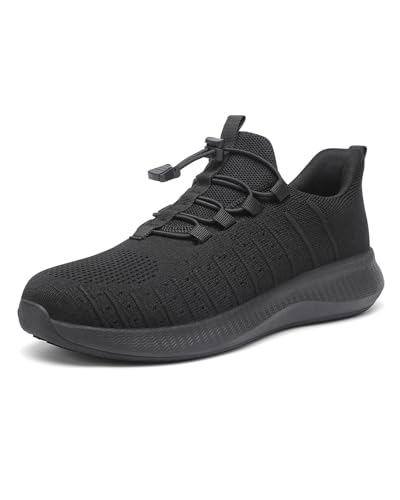
VikoViren Non Slip Work Shoes for Men Slip on Chef Shoes

VikoViren Non Slip Work Shoes for Men Restaurant Sneakers
The Strengths Of Each Pick
The SUADEX non-slip work shoe earns its spot as the practical opening pick for crews who need real traction without a heavy price tag. A slip-on profile means no laces to untie when the dish pit catches fire, and the arch-support construction helps take pressure off the plantar fascia (the thick band of tissue running along the bottom of your foot) through long prep shifts. The waterproof upper keeps stray splashes from soaking through during pot wash or steam-table work, which is a quiet win most people don’t think about until the first soggy sock of the night.
Where this shoe fits best is in busy kitchens where staff rotate stations and need a forgiving fit out of the box. Compared with the Crocs Bistro below, the SUADEX leans more toward a sneaker silhouette, so it feels less ventilated on humid nights. You may also find the sizing runs slightly generous for narrow feet, so trying them on with work socks in mind is worth the effort.
The Helpful Details
- Slip-on design cuts the time between arriving at work and clocking in.
- Arch support helps reduce foot fatigue across an eight- to ten-hour standing shift.
- Waterproof exterior shields socks from splashes, spills, and dish-spray zones.
- Neutral black styling matches nearly any uniform, from chef coats to front-of-house polos.
- Slip-resistant outsole designed for wet tile and greasy kitchen floors.
Things To Consider
- Ventilation is limited, so feet can run warm during summer brunch rushes.
- Widish fit may require thicker socks or a half-size adjustment for narrower feet.
- Cushioning tends to compress over months of heavy daily use.
Who It Suits Best
Entry-to-mid-level kitchen staff who want traction and arch support without spending a full paycheck on a single pair of shoes.
Where Another Pick Suits Better
The Crocs Bistro Graphic Clog is a better call when easy rinse-cleaning and breathability matter more than arch structure.
The Crocs Bistro Graphic Clog is the pair most line cooks and dishwashers reach for when the day turns into a puddle parade. The molded Croslite (a soft, closed-cell foam that absorbs impact and resists odor) construction weighs almost nothing on the foot, which matters when you’re sprinting between the pass and the pantry. The slip-resistant tread is designed around kitchen-floor standards, so traction on wet quarry tile feels more confident than a regular sneaker outsole. Owners commonly mention that a quick rinse under the prep sink is all it takes to clean off a shift’s worth of grease, flour, and soda splash.
The tradeoff is the open heel and ventilated upper: in cold walk-ins or drafty dish pits, your feet cool down fast. Unlike the SUADEX slip-on above, this clog skips formal arch support in favor of roomy footbed space, so people with high arches may want to pair it with aftermarket insoles for the longest shifts.
A Favorable Mix
- Slip-resistant outsole meets common kitchen-floor traction benchmarks.
- Croslite foam keeps the shoe light enough to wear through a double.
- Closed-toe design still leaves the heel open for cooling airflow.
- One-piece molded body rinses clean in seconds at the end of a shift.
- Graphic upper adds a bit of personality without breaking uniform codes.
Worth Noting
- Minimal built-in arch support can leave high arches aching by closing time.
- Open heel lets in cold air and stray splash from behind the dish pit.
- Loose, roomy fit means long strides may catch the back edge on some floors.
Quick Facts
Made For
Servers, dishwashers, and prep cooks who want a breathable, rinse-and-go shoe and don’t need strong arch structure built in.
Swap It Out When
The SUADEX slip-on is a smarter pick for crews who spend most of the night standing still and need firmer arch support through prep work.
The VikoViren slip-on chef shoe lands in the middle of this roundup as a no-fuss workhorse for line cooks who hate fiddling with laces at the start of a shift. The water-resistant upper keeps the foot dry through pot wash and steam-table work, and the slip-resistant outsole is shaped to channel liquid away from the contact patch on wet tile. Where the Crocs Bistro leans casual, this shoe leans more toward a traditional sneaker silhouette, so it pairs well with a clean chef coat or front-of-house uniform. The cushioning underfoot feels balanced for crews alternating between standing at the pass and walking the floor for refills.
Worth knowing up front: this is a lighter-duty construction compared with heavy-duty leather work boots, so the upper can scuff faster in dish-pit environments where steel racks are part of the landscape. You may also notice the fit runs closer to standard than the roomy Crocs, which is great for narrow feet but tightens up for anyone with a wide forefoot.
A Few Highlights
- Slip-on entry saves seconds at the start of every shift and break.
- Water-resistant surface shrugs off splashes from sinks, kettles, and steam pans.
- Sneaker profile reads cleaner with front-of-house uniforms than a clog.
- Lightweight build helps reduce leg fatigue through double shifts.
Honest Caveats
- Lighter upper materials can scuff against metal racks and pot edges over time.
- Standard-width fit may feel snug for people with wider forefeet.
- Less ventilation than the Crocs Bistro in hot, steam-heavy kitchens.
Best Suited To
Line cooks and prep staff who move constantly between stations and want a clean sneaker look with light water protection.
Look Elsewhere When
The VikoViren restaurant sneaker below is a better match when you want a more traditional athletic silhouette and spend less time around standing water.
The VikoViren restaurant sneaker rounds out this shortlist as a dependable, athletic-style option for front-of-house runners and back-of-house staff who bounce between the dining room and the kitchen. The slip-resistant tread handles tile transitions, host-stand carpet edges, and back-of-house wash-down zones without losing grip. The sneaker shape looks at home under black server pants or chef pants, so the uniform stays consistent from open to close. Owners commonly mention that the shoe feels broken-in within a day or two rather than the week-long磨合 you sometimes get with a stiff work boot.
On the flip side, this model skips the more obvious water-resistant treatment found on its sibling above, so it isn’t the first pick for dish-pit crews working ankle-deep in splash. Depending on your station, you may want to keep a second pair of waterproof shoes as a backup for heavy wash-down nights.
What Earns Its Place
- Athletic sneaker silhouette blends in with restaurant uniforms.
- Slip-resistant outsole grips well across tile, hardwood, and back-of-house mats.
- Short break-in period keeps first-week soreness to a minimum.
- Lighter weight helps runners cover miles across a long dinner service.
Points To Keep In Mind
- Less water resistance than the VikoViren chef shoe above, so puddle zones are a watch-out.
- Cushioning tends to flatten faster under constant standing than the SUADEX option.
Feature Snapshot
Whose Shelf It Belongs On
Front-of-house servers, food runners, and back-of-house staff who want a sneaker profile that fits restaurant uniforms and handles mixed flooring.
Reach For A Different Pick When
The VikoViren slip-on chef shoe is the smarter move for dish-pit shifts where standing water and splash are part of the nightly routine.
What To Weigh Before Choosing Mens Non-Slip Restaurant Shoes
Slip Resistance Is Non-Negotiable
Outsole rubber compound and tread pattern matter far more than brand name when the floor is wet. Look for outsoles specifically labeled for kitchen or food service use, and pay attention to how the tread channels liquid away from the contact patch. A flat, smooth outsole loses grip fast, even on dry tile, once a layer of grease shows up.
Fit Affects Fatigue More Than Cushioning
The right fit through the midfoot and heel keeps your foot stable, which keeps your knees and lower back from overworking. Try shoes on at the end of a workday when your feet are slightly swollen, and leave enough room in the toe box for natural splay (the way your toes spread when bearing weight) during long standing shifts.
Material Choice Sets The Comfort Tone
Lightweight molded foam clogs breathe well and rinse clean in seconds, but offer less arch structure. Synthetic slip-ons handle splash better and hug the foot more securely, though they can run warm. Leather-style work shoes last longer but break in slower and weigh more per step.
Match The Shoe To The Station
Dish-pit crews benefit from water-resistant uppers and closed-toe protection, while runners and servers often prefer breathable clogs or athletic profiles. Choosing by station prevents you from overpaying for features you won’t use, or skimping where you actually need them.
Key Considerations Across These Picks
Mistakes Worth Dodging
Sizing by your casual shoe size is the most common slip-up in this category, because kitchen shifts swell your feet far more than a desk day does. Skipping the break-in walk, ignoring your arch height, and choosing looks over traction round out the usual traps first-timers fall into.
Where The Extra Money Goes
Higher-tier pairs tend to buy denser midsole foam, more aggressive tread compounds, and reinforced toe caps that survive months of metal-rack contact. The upgrade pays off for crews on their feet six days a week, while lighter-use kitchens often do just fine with a mid-range slip-on or clog.
Frequently Asked Questions
How often should I replace my restaurant work shoes?
Most slip-resistant outsoles keep their grip for roughly six to twelve months of full-time kitchen work, though heavy dish-pit wear shortens that window. Replace them once the tread looks smooth across the ball of the foot or your knees start aching again.
Can I wear regular sneakers as kitchen shoes?
Standard athletic sneakers often lack the slip-rated outsole compounds commercial kitchens require, and many kitchens enforce a closed-toe, slip-resistant policy for safety. A dedicated work shoe is the safer, longer-lasting choice.
Are clogs better than slip-ons for standing all day?
Clogs breathe better and rinse clean fastest, while slip-ons hug the foot more securely and offer firmer arch support. The better choice depends on whether airflow or stability matters more in your station.
Do non-slip shoes actually work on greasy floors?
Shoes labeled slip-resistant use softer rubber compounds and tread patterns that channel liquid, which measurably improves grip on wet, greasy tile. They are not slip-proof, but they cut the risk significantly compared with regular footwear.
How do I clean kitchen shoes without damaging them?
A quick rinse under warm water and a drop of dish soap handles most clogs and synthetic uppers, while leather or heavy-duty builds need a damp cloth and air-drying. Avoid machine washing, which breaks down glue and outsole bonds over time.
Wrap Up
The right pair of mens non-slip restaurant shoes quietly carries you through spills, sprints, and standing hours without becoming the story of your shift. Match the shoe to your station, pay attention to fit and traction over branding, and your feet will thank you long after the dinner rush ends.