Runners logging weekly miles know the foot pain story: knees barking after long Sunday loops, arches flattening by the third mile, that nagging ache that ruins an otherwise solid week. The right pair changes everything. This roundup focuses on six road-ready options with built-in arch structure, foam that rebounds, and outsoles that hold up to daily pavement. Each pick balances support, weight, and feel for different foot shapes and running styles, so you spend less time guessing and more time moving.
A Fast Comparison Of The Options
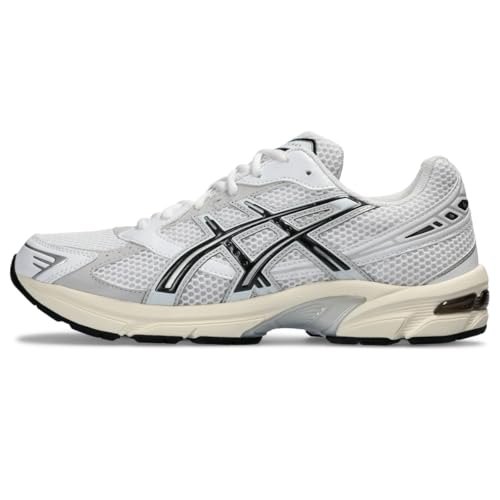
ASICS Men’s GEL-1130 Sportstyle Shoes

Brooks Men’s Adrenaline GTS 22 Running Shoe
ASICS Men’s Gel-Excite 11 Running Shoes

ASICS Men’s Gel-Contend 9 Road Running Shoes

Saucony Men’s Triumph 22 Sneaker

Saucony Men’s Cohesion 18
Why These Options Stand Out
The GEL-1130 borrows its bones from a 2008-era stability trainer, the kind runners used to log serious base mileage in before max-stack foam took over. ASICS rebuilt that silhouette with suede paneling over a mesh base, so the shoe pulls double duty on a commute and on a 5K. The GEL cushioning sits where it always did, in the rearfoot, softening heel strikes without bulking up the profile.
This is a shoe that earns its place on a runner who treats their shoes like weekend gear, not strictly performance kit. You step into that suede-lined heritage feel, then trust the medial post to keep your foot from collapsing on longer efforts. It looks casual enough to wear post-run without changing.
Bright Spots
- Heritage stability construction supports mild overpronation on easy days
- GEL rearfoot pad absorbs heel impact, easing stress on plantar fascia
- Suede and mesh upper breathes well across seasons and resists scuffs
- Sportstyle silhouette transitions from running to errands without a shoe change
- Lightweight build reduces fatigue on 3-5 mile recovery runs
Small Caveats
- Suede paneling needs occasional brushing to keep its clean look
- Less foam stack than modern trainers, so long tempos feel firmer
- Limited colorways in some size runs, depending on availability
Feature Snapshot
Right Fit For
Runners with mild overpronation who want one shoe that handles easy miles and post-run coffee stops equally well.
Look Elsewhere When
You want maximum cushioning for marathon blocks, since the Brooks Men’s Adrenaline GTS 22 brings a thicker foam stack to the same stability category.
The Adrenaline GTS line has been a fixture in the stability category for years, and the GTS 22 carries that reputation forward. It uses Brooks’ GuideRails system, which is a holistic approach to support that gently steers excess knee and ankle motion rather than forcing a hard stop. The result feels less corrective and more like a steady hand guiding each stride.
For runners who log 20-30 miles a week on pavement and notice their arches screaming after back-to-back days, this shoe earns serious consideration. The structured upper holds the midfoot without pinching, and the foam has enough give to handle longer efforts. It’s the pair you’d reach for on a tired Tuesday when motivation runs thin but the body still needs to move.
What It Does Well
- GuideRails technology reduces excess joint motion without rigid posts
- DNA LOFT cushioning softens impact across longer training runs
- Structured midfoot wrap keeps the foot locked during turns and hills
- Durable outsole rubber holds up to weekly mileage on asphalt
- Reliable fit across foot widths makes repeat purchases easy
Points To Note
- Heavier than neutral trainers, which matters on race day
- Stability feel may feel overcorrected for runners with neutral gait
Key Attributes
Whose Shelf It Belongs On
Daily-mileage runners with moderate to severe overpronation who need structured support without feeling locked in.
Skip It When
You want a lighter, lower-profile feel, since the Saucony Men’s Triumph 22 offers plush cushioning in a more neutral, agile package.
The Gel-Excite 11 targets the runner who is just starting out, coming back from a break, or simply doesn’t need a race-day weapon under their sneakers. ASICS built it around an engineered jacquard mesh upper, which is a knit-style fabric with woven patterns that improve airflow where your foot sweats most. Pair that with rearfoot GEL cushioning and you get a soft, forgiving ride at a price that doesn’t punish the learning curve.
For someone easing into a couch-to-5K plan or rebuilding base mileage after injury, this shoe covers the basics without overwhelming. The lace-up closure locks the midfoot, the tongue stays put, and the outsole grips sidewalk concrete without feeling clunky.
Noteworthy Benefits
- Jacquard mesh upper breathes well during summer training blocks
- GEL rearfoot cushion softens heel strikes for new runners
- Polyester lining wicks moisture to keep socks drier on long runs
- Secure lace-up closure holds the midfoot through easy miles
- Lightweight feel reduces the intimidation factor for beginners
Honest Caveats
- Less structured support than dedicated stability trainers
- Foam stack compresses faster than premium models under heavy mileage
Made For
First-time runners and anyone rebuilding base mileage who wants comfort and breathability without a heavy price tag.
Consider Something Else When
You have a history of overpronation or plantar fasciitis, since the ASICS Men’s GEL-1130 Sportstyle Shoes offer more structured medial support.
The Gel-Contend 9 is ASICS’ answer for runners who want brand-name reliability without the premium price tag. It carries an OrthoLite sockliner, which is a foam footbed made from open-cell polyurethane that resists compression and adds a layer of step-in comfort. Layer AMPLIFOAM cushioning beneath that and rearfoot GEL at the heel, and the shoe handles 3-5 mile loops without punishing your joints.
This is the kind of shoe that earns a spot in a rotation for someone running 10-15 miles per week, mixing jogging days with treadmill sessions. Trusstic technology, a structural shank under the midfoot, adds stability without bulking the sole, so the shoe feels planted through turns.
Positive Points
- OrthoLite sockliner delivers step-in comfort and resists long-term compression
- AMPLIFOAM midsole balances softness and durability for daily use
- Trusstic technology improves midfoot stability without extra weight
- Accessible price point makes it ideal for first-pair purchases
Worth Noting
- Breathable mesh upper runs warm in humid summer conditions
- Outsole grip is solid on dry pavement but less confident on wet trails
- Limited arch structure compared to dedicated support shoes
Feature Rundown
Best Suited To
Budget-minded runners and casual joggers who want reliable ASICS engineering without premium-tier pricing.
Reach For A Different Pick When
You need all-day plush cushioning for high-mileage weeks, since the Saucony Men’s Triumph 22 is built around a softer superfoam midsole.
The Triumph 22 is what Saucony reaches for when a runner wants one shoe that handles recovery jogs, daily training, and long Sunday runs without compromise. The midsole uses PWRRUN PB, a superfoam blend with PEBA-based compounds that delivers energy return while staying soft underfoot. It feels like running on a cloud that still wants to go somewhere.
Saucony widened the platform and tuned the rocker geometry this round, so the shoe rolls smoothly from heel-strike to toe-off. The full-length XT-900 rubber outsole holds up to hundreds of miles without wearing through prematurely. For high-mileage runners who treat their feet like an investment, this is the kind of shoe that justifies its price tag through sheer comfort.
Why It Works Well
- PWRRUN PB superfoam midsole delivers plush cushioning with energy return
- Broader platform and tuned rocker geometry promote smooth transitions
- XT-900 rubber outsole resists wear across high-mileage training blocks
- Neutral support profile suits a wide range of foot shapes
- Updated upper fit accommodates swelling on long efforts
Practical Considerations
- Premium materials put it at a higher price tier than most picks
- Plush stack height may feel unstable for runners used to firmer shoes
Who Should Grab It
High-mileage runners and comfort-first athletes logging 30+ miles per week who want one shoe for nearly every kind of run.
Swap It Out When
You need structured stability for overpronation, since the Brooks Men’s Adrenaline GTS 22 is purpose-built for that gait pattern.
The Cohesion 18 is Saucony’s versatile neutral runner, designed for walkers and casual joggers who want VersaRun cushioning without the bulk of a training shoe. The midsole foam feels soft at slow paces, comfortable enough for all-day wear, and the upper secures the foot without pressure points.
This shoe is the right pick for someone whose “run” is actually a 20-minute walk-jog interval or a couple of miles after work. It handles gym sessions, dog walks, and Saturday errands with the same ease. The fit is accommodating for wider feet, and the price stays friendly for shoppers building a first rotation.
Practical Pluses
- VersaRun cushioning delivers comfort across varied daily activities
- Neutral platform suits walkers and light runners equally well
- Secure, comfortable fit accommodates wider foot shapes
- Affordable entry point for shoppers building a starter rotation
Small Limitations
- Less responsive foam for runners aiming at faster paces
- Minimal arch structure may disappoint flat-footed runners needing more support
Who It Suits Best
Casual walkers and light runners who want one comfortable, affordable shoe for daily activity rather than serious training miles.
A Better Fit Elsewhere
You want a shoe built for true running mileage, since the ASICS Men’s Gel-Excite 11 delivers more running-specific cushioning at a similar price.
What Matters Most Before Choosing Mens Running Shoes With Arch Support
Arch support gets all the headlines, but it rarely tells the whole truth about whether a shoe works for your feet. The arch is just one part of a system that includes cushioning, stability features, fit, and how the shoe behaves on your specific surfaces.
Match support to gait. Neutral runners with high arches often thrive in cushioned, unstructured shoes like the Saucony Triumph 22. Flat-footed runners or those whose ankles roll inward benefit from stability features like the Adrenaline GTS 22’s GuideRails. Getting this wrong either wastes the support features or makes them feel like dead weight underfoot.
Prioritize fit over features. A shoe loaded with arch support is useless if the toe box pinches or the heel slips. Try to test fit at the end of the day when feet are slightly swollen, since that’s the size your foot becomes after 10 miles. Leave about a thumb’s width of space at the toe for downhill descents.
Cushioning is personal. Maximalist shoes feel soft and protective but can feel unstable for runners used to firmer setups. Moderate-stack trainers like the Gel-Excite 11 offer a balance between ground feel and impact absorption. Match the stack height to your experience level and injury history.
Consider your surface. Road running shoes prioritize smooth outsoles and breathable uppers. If your “road” includes gravel paths or light trails, look for more aggressive lug patterns. All six picks here target paved surfaces, so trail runners should look elsewhere.
Key Considerations Across These Picks
Common Shopping Slip Ups
Picking by brand alone is one of the easiest ways to end up with a shoe that fights your feet. ASICS, Brooks, and Saucony all make excellent trainers, yet the specific model within those lineups matters far more than the logo on the side. The Gel-Contend 9 and the Gel-Excite 11 share a brand and similar price points, but they fit and feel noticeably different. Always match the model to your gait and mileage goals, not the brand reputation.
Another trap is assuming arch support solves foot pain on its own. Shoes with medial posts or stability features help overpronators, but they can feel restrictive or even cause new discomfort for runners with neutral or high arches. If you’ve never had a gait analysis, the Adrenaline GTS 22’s GuideRails system is worth experiencing, since it offers support without the hard posts that bother some runners.
What Separates Premium From Basic
The jump from budget-friendly to premium-tier running shoes comes down to midsole chemistry and upper engineering. Budget picks rely on standard EVA foam, which compresses faster and returns less energy with each stride. Premium models like the Triumph 22 use PEBA-based superfoam blends that stay bouncy across hundreds of miles, so the shoe feels lively deep into a training cycle instead of going flat by month three.
Upper construction matters too. Premium shoes use engineered mesh with targeted ventilation and reinforcement, while budget picks often use simpler weaves that breathe less effectively. Outsole rubber compounds also vary, with premium options using higher-density carbon rubber in high-wear zones for longer tread life. Paying more generally buys you longevity and consistent comfort across heavier mileage.