A high instep, that extra height across the top of your foot where the laces sit, can make ordinary sneakers feel like a vise the moment you lace up. Too much pressure across the metatarsals turns a quick walk into a slow ache, and most store displays never flag the issue at all. This guide lines up six running-leaning picks from familiar athletic brands, all chosen because their lasts, uppers, and midsole stacks give tall arches somewhere to land. The goal is simple: a shoe that lets your foot sit naturally without wrestling the laces every time.
A Quick View Of The Lineup

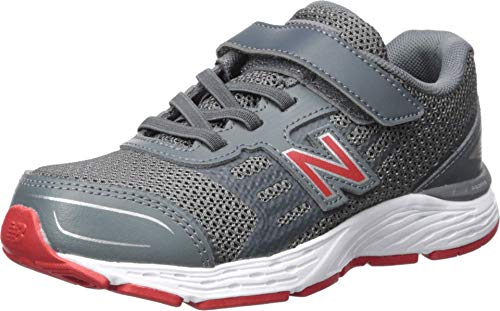
New Balance 680v5
ASICS Men’s Gel-Excite 11 Running Shoes

ASICS Men’s Gel-Contend 9 Road Running Shoes

Saucony Men’s Triumph 22 Sneaker

Saucony Mens Cohesion 18
More On The Choices That Made The List
The Champion low-top opens the list as the most relaxed, low-commitment option in this roundup. Its low-top silhouette trims height above the ankle, which gives the upper more flex as you tighten the laces, so a foot with extra vertical clearance tends to sit inside the shoe rather than press against it.
Wear it for quick errands, a campus loop, or a coffee shop walk, anywhere you want athletic styling without a performance fit. Compared with the New Balance 680v5 that follows, this pick trades cushioning depth for breathability and a softer break-in. In our view, anyone who treats sneakers like casual footwear rather than gear will feel right at home here.
Practical Advantages
- Low-top cut reduces pressure across a tall midfoot, so the laces rarely dig in.
- Lifestyle-leaning shape pairs easily with jeans, joggers, or shorts.
- Lightweight build suits long days of casual wear without foot fatigue.
Trade Offs
- Lacks the structured cushioning that dedicated runners rely on for long miles.
- Casual styling won’t satisfy shoppers who want a technical look.
Made For
Casual wearers with a high instep who want an easygoing, low-profile sneaker for daily life.
Reach For A Different Pick When
Runners logging real mileage should turn to the Saucony Triumph 22 for deeper cushioning under a high arch.
The New Balance 680v5 leans into a roomy, forgiving upper, and that’s exactly the geometry a tall midfoot asks for. The IMEVA midsole is a compressed EVA blend that New Balance uses widely; it keeps weight down while adding a soft step-in feel, and an absorb crash pad sits under the heel to soften landings on longer walks.
For shoppers on their feet all day, from nurses to delivery drivers, the 680v5 offers a wider forefoot and a slightly elevated toe box that lets the foot splay without squeezing. Versus the Champion that opened the list, this shoe is built more for movement than style. One thing worth considering is that this is an older model in New Balance’s running catalog, so color options on the listing can shift quickly.
The Value In It
- Engineered upper materials balance softness with structure, so a high arch rests instead of presses.
- Crash pad under the heel softens repetitive impact during long shifts.
- Lightweight construction keeps the shoe from feeling bulky on foot.
Points To Keep In Mind
- Not built for serious speed work or racing.
- Sizing can run slightly narrow for shoppers with a wide forefoot.
Quick Facts
Right Fit For
Active walkers and shift workers who want cushioned support through hours on their feet.
Consider Something Else When
Runners chasing a softer, more energetic midsole will get more from the ASICS Gel-Excite 11.
The Gel-Excite 11 is engineered for runners who want a smooth, plush stride without a stiff racing feel. Its engineered jacquard mesh upper (a knit fabric woven directly into shape, with built-in stretch zones) wraps the foot in breathable comfort and gives a high instep somewhere to flex instead of fight. Polyester lines the upper, insole, and interior, which keeps moisture moving and the foot cooler on warmer days.
Lace-up closure locks the fit without flattening the arch, and the modern, lightweight feel works for both long walks and easy-paced runs. Where the New Balance 680v5 leans on a simple engineered build, the Excite 11 adds jacquard mesh and ASICS’ gel heritage. Depending on your stride, you may want a half size up if you prefer extra room across the forefoot.
What Earns Its Place
- Jacquard mesh upper gives a high midfoot real flex through every lace setting.
- Breathable polyester construction keeps heat from building during longer sessions.
- Lightweight build makes the shoe feel invisible during easy miles.
Some Limits To Know
- Lacks the structured stability tech found on the Gel-Contend 9 below.
- Cushioning is softer, so shoppers used to firmer rides may want time to adjust.
Feature Snapshot
Best Suited To
Runners with a high instep who want a breathable, lightweight daily trainer for easy miles.
Look Elsewhere When
Overpronators looking for guided stability should try the ASICS Gel-Contend 9 instead.
The Gel-Contend 9 is ASICS’ entry-level stability trainer, and that mix of support, cushioning, and accessible pricing makes it a natural fit for newcomers. An Ortholite sockliner (a breathable foam insole that resists odor and adds step-in comfort) softens the first few miles, while AMPLIFOAM cushioning gives the midsole a durable, responsive feel underfoot.
Trusstic technology, a hidden plastic shank under the midfoot, reduces weight without sacrificing arch integrity, and rearfoot GEL technology absorbs impact where the heel strikes first. The polyester upper and lining keep things light and cool on a neighborhood loop. Compared with the Gel-Excite 11 above, this model trades a touch of softness for guided stability. Depending on your gait, you may find the structured feel reassuring on longer walks.
Good Reasons To Consider
- Rearfoot GEL absorbs heel strike, easing pressure for runners with sensitive joints.
- Ortholite sockliner adds step-in comfort that holds up over months of use.
- Trusstic technology lightens the midfoot while keeping the arch supported.
- Polyester upper keeps weight manageable on a budget.
Honest Caveats
- Heavier than the Gel-Excite 11, which can feel noticeable on speed days.
- AMPLIFOAM is durable but lacks the energetic rebound of pricier foams.
Feature Rundown
Whose Shelf It Belongs On
New runners and value-focused shoppers who want guided stability without overspending.
Swap It Out When
Runners chasing a softer, more energetic daily ride will prefer the Saucony Triumph 22.
The Saucony Triumph 22 sits at the top of this list in both price and plushness. Its PWRRUN PB super foam midsole (Saucony’s PEBA-based foam, prized for being both soft and lightweight) is light, responsive, and tuned for daily use, while a broader platform and updated rocker geometry guide the foot smoothly from heel to toe.
The full-length XT-900 rubber outsole adds durable traction for road miles and stands up well to daily wear. Runners with high arches appreciate how the Triumph’s tall midsole stack gives a raised instep room to settle without collapsing under the laces. Versus the ASICS Gel-Contend 9, this shoe is a clear upgrade in cushioning feel, though the gap shows up in the price tag more than the fit.
Positive Points
- PWRRUN PB midsole delivers an energetic, all-day cushioned feel underfoot.
- Updated rocker shape eases the transition from heel strike to toe-off.
- XT-900 rubber outsole holds up to daily training on pavement.
- Broader platform gives a tall arch a stable, planted base.
Where It May Fall Short
- Costs more than every other pick on this list.
- The taller midsole can feel tippy for shoppers used to lower-profile trainers.
Spec Overview
Who Should Grab It
Runners with a high instep who want premium cushioning for high-mileage daily training.
A Better Fit Elsewhere
Shoppers on a tighter budget will get a similar protective feel from the Saucony Cohesion 18.
The Saucony Cohesion 18 closes the list as a versatile neutral cushioning shoe that doesn’t overwhelm first-time runners with aggressive geometry. VersaRun cushioning gives the shoe an all-day comfort feel, and the secure fit locks the heel without pinching the midfoot. Neutral support means there’s no added posting to fight against, which suits shoppers whose feet land straight.
For new runners easing into a routine, this pair is approachable enough to wear on errands and capable enough for short jogs. Compared with the Triumph 22 above, the Cohesion 18 trades the premium foam and rocker geometry for a friendlier price and a simpler ride. In most neighborhoods, the Cohesion 18 feels right at home on sidewalks and light park paths.
What Makes Sense
- VersaRun cushioning softens impact for first miles and easy walks alike.
- Neutral support lets the foot land naturally without added correction.
- Secure fit holds the heel in place during casual training.
Soft Spots
- Lacks the premium foam feel of Saucony’s higher-tier daily trainers.
- Style leans basic, so shoppers wanting a standout look may want to look elsewhere.
Perfect Match For
Beginners and casual runners with a high instep who want a no-fuss neutral trainer at a fair price.
Where A Sibling Pick Shines
Runners ready to step up to plush daily cushioning will appreciate the Saucony Triumph 22’s PWRRUN PB midsole.
What To Weigh Before Choosing Mens Shoes For High Instep
A high instep means the top of your foot arches higher than average, so the upper’s height, the lacing system’s flex, and the tongue’s padding decide whether a shoe feels neutral or punishing. Shop for shoes with engineered mesh or knit uppers, roomy toe boxes, and lacing patterns that let you skip eyelets without losing hold. Midsole stack height also matters: a taller midsole lifts the foot and gives the instep breathing room, while a low, flat shoe tends to press down on top.
For runners logging real miles, look for cushioning foams, gel pods, or rubber pads in the heel that absorb impact over many strides. Walkers and casual wearers usually do fine with lighter, lifestyle-leaning shoes that prioritize a flexible upper over structured cushioning. Width matters too, and many brands offer wide variants that ease pressure across a tall midfoot without forcing you to size up and swim in the heel.
Sizing strategy is simple. Try a half size up if you plan to wear thicker socks or want extra room across the forefoot, but check that the heel still locks in place. When possible, test fit late in the day when feet are slightly swollen, which better mimics how your feet behave on longer walks or runs.
Key Considerations Across These Picks
Where Shoppers Go Wrong
The most common slip-up is choosing a shoe by colorway or style instead of fit. A sleek, low-profile racer looks fast on the shelf, but it almost always crowds a high instep and turns into a source of pressure by mid-afternoon. Another frequent mistake is ignoring upper material; stiff leather or heavy overlays lock a tall midfoot in place instead of letting it flex.
Skipping the lacing adjustment is just as costly. Many wearers pull the laces tight across the top of the foot because that’s how sneakers arrive in the box, when skipping an eyelet or using a runner’s loop at the top would relieve pressure and still hold the heel. Finally, don’t assume your usual size translates between brands. A New Balance medium can fit like a Saucony wide, and vice versa, so always check the brand’s specific sizing notes.
When Paying More Pays Off
Higher-tier running shoes cost more because they layer advanced foams, refined geometry, and durable outsoles into one package. PWRRUN PB in the Saucony Triumph 22, for example, is lighter and more resilient than entry-level EVA, which means the cushioning stays lively after months of daily training rather than packing out early. The upgrade pays off most for shoppers who log real miles, carry heavier builds, or simply want a softer ride underfoot.
For casual wearers or brand-new runners, premium features rarely earn their keep. The Saucony Cohesion 18 and ASICS Gel-Contend 9 deliver enough cushioning and structure for everyday use without overspending. Think of premium tiers as tools for serious mileage, not status symbols. If your weekly wear stays under a few easy walks or short jogs, a mid-range trainer will serve you well and leave room in the budget for socks or insoles.
Frequently Asked Questions
How Do I Know If I Have A High Instep?
A simple thumb test helps: press your thumb into the top of your foot between the laces and the ankle. If you need to push through more than an inch of space before feeling bone, you likely have a high instep and should look for flexible uppers and roomy toe boxes.
Should I Size Up For A High Instep?
A half size up can help if the brand runs narrow, but going too large lets the heel slip and causes blisters. Look for shoes with wide variants or stretchy mesh uppers first, and only size up when no wider option exists.
Are Running Shoes Better Than Lifestyle Sneakers For High Instep?
Running shoes usually win for fit because they use engineered mesh, soft tongues, and stretchy uppers designed around foot motion. Lifestyle sneakers can still work for casual wear, but they often carry stiffer materials that press on a tall midfoot.
How Long Does A Cushioned Running Shoe Last?
Most cushioned trainers hold up well for several hundred miles of running, though casual walking can extend that timeline significantly. Once the midsole feels flat or the outsole shows smooth patches, the shoe has likely run its useful course.
Can Insoles Help A High Instep Fit Better?
Yes. A cushioned or arch-supporting insole can lift the foot slightly inside the shoe, which changes how the laces sit across the top. Removing the stock insole and replacing it with a thinner aftermarket option also frees up vertical room without sizing up.
Closing Remarks
A high instep doesn’t have to mean sore laces and skipped walks. The six picks above cover the spread from casual lifestyle sneakers to plush daily trainers, so the right fit comes down to how often you wear them and how far you push. Match the shoe to the use case, double-check the lacing system, and your feet will thank you on the next mile.