Walking through a frozen parking lot or trudging a snowy trail demands more than any old boot can give. Cold seeps through thin rubber, wet socks follow sloppy seams, and a slick patch can ruin your whole morning. The right pair of mens snow shoes keeps your feet dry, your steps steady, and your winter routine intact. These five picks cover different budgets, climates, and use cases, so you can stop guessing and start walking.
An Overview Of The Picks
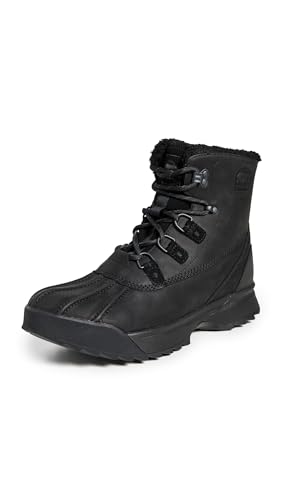
Sorel Scout 87′ Lux Waterproof
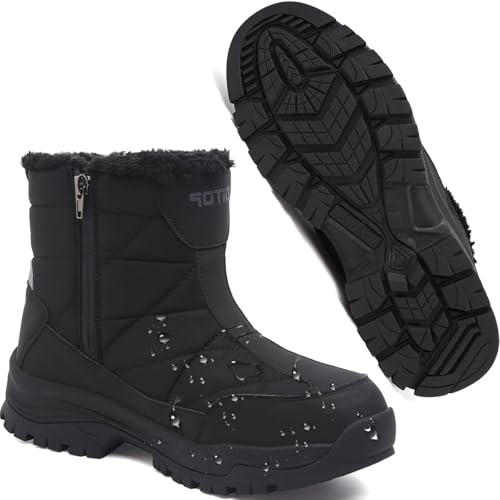
ziitop Snow Boots for Men Winter

The North Face Thermoball Traction Bootie

Columbia Men’s Konos TRS Shoe

NORTIV 8 Men’s Wide Winter Boots
Meet The Standout Selections
The Sorel Scout 87′ Lux is the kind of boot you reach for when the temperature drops below freezing and the sidewalk hasn’t been salted. A waterproof shell keeps slush from seeping in during morning commutes, while the shearling lining wraps your foot in soft warmth that feels more like a slipper than a winter boot. D-ring laces let you cinch the fit quickly when you’re rushing out the door.
For someone who walks to work or spends long stretches outside in urban cold, this is a sensible splurge. It’s heavier than the lightweight picks further down this list, so trail runners may want to keep scrolling.
What It Does Well
- Shearling lining delivers noticeable warmth the moment you slip them on
- Waterproof construction keeps feet dry through slush and shallow puddles
- D-ring lace hardware makes tightening fast and secure, even with gloves on
- Stylish enough to pair with casual winter outfits, not just workwear
- Durable upper holds up to daily wear through a full winter season
Things To Consider
- Heavier than trail-oriented boots, which can tire out longer walks
- Shearling needs occasional airing out to stay fresh after heavy use
- Sizing can run snug for those with wider feet
Made For
Urban commuters and casual wearers in genuinely cold climates who prioritize warmth and style over athletic performance.
Consider Something Else When
If you need roomy toe-box comfort or have wider feet, the NORTIV 8 Men’s Wide Winter Boots offers a more accommodating fit.
Slip-on boots solve one of winter’s small but persistent headaches: bending down to lace up when your fingers are numb. The ziitop Snow Boots for Men Winter lean hard into that convenience, pairing a fur-lined interior with a waterproof outer and an anti-slip outsole. For quick dog walks, driveway shoveling, or grabbing the mail, they’re a no-fuss option that won’t blow your winter budget.
Compared to the Sorel Scout 87′ Lux above, this pair trades premium materials for accessible pricing and grab-and-go simplicity. It’s a sensible second pair to leave by the back door.
Strong Points
- Slip-on design saves time on quick trips in cold conditions
- Waterproof exterior keeps light snow and slush from soaking through
- Anti-slip tread helps reduce slips on icy porch steps
- Fur lining adds comfort without the bulk of a heavy winter boot
Trade Offs
- Less ankle support than taller lace-up styles for deeper snow
- Construction feels lighter than premium options, so longevity may vary with heavy use
- Not insulated enough for extended time standing in subzero temperatures
Who It Suits Best
Anyone who needs a grab-and-go boot for short outdoor chores and light winter errands in moderate climates.
Look Elsewhere When
If you want a more technical, trail-capable build, the Columbia Men’s Konos TRS Shoe handles active outdoor use better.
The North Face Thermoball Traction Bootie is built for movement. Thermoball insulation (a synthetic fill that mimics down’s loft while resisting moisture) keeps feet warm without the puffy bulk of traditional winter boots. The traction outsole grips slick surfaces, making this a strong match for winter runners, dog walkers covering real distance, or anyone who treats sidewalks like trails.
Where the Sorel Scout 87′ Lux leans cozy, this bootie leans athletic. You’re trading shearling softness for a lighter, more responsive ride that handles longer distances with less fatigue.
What Helps Most
- Lightweight construction reduces leg fatigue on long winter walks
- Synthetic insulation stays warm even if the boot gets damp
- Traction outsole offers grip on packed snow and icy patches
- Bootie silhouette fits comfortably under pant legs for active use
Points To Keep In Mind
- Lower cut lets in snow during deeper drifts or unplowed walks
- Less cushioning than a traditional hiking boot for rough terrain
- Not the warmest pick for someone standing still outdoors for hours
Best Suited To
Active walkers and winter athletes who want warm, grippy footwear that moves with them across urban and light trail terrain.
Skip It When
Deep snow and prolonged stationary exposure call for a taller, fully insulated option like the Sorel Scout 87′ Lux.
Strictly speaking, the Columbia Men’s Konos TRS is a hiking and trekking shoe rather than a dedicated snow boot, but it earns its spot here for shoulder-season wear. The mesh upper keeps feet from overheating on cool but not frigid days, and no-sew overlays add durability without bulk. An underfoot system layers cushioning, stability, and traction into a ride that handles wet pavement and dry trails with equal ease.
This is the pick for someone whose winter leans more toward forty-degree drizzle than ten-degree blizzards. It’s breathable where heavier boots feel stifling.
Positive Points
- Breathable mesh prevents sweaty feet during active movement
- Lightweight build makes it comfortable for all-day wear
- Wet-or-dry traction handles varied terrain reliably
- Versatile style works for hikes, errands, and casual wear
Honest Caveats
- Mesh upper is not waterproof for deep snow or heavy rain
- Minimal insulation makes it unsuitable for sub-freezing days
- Less ankle protection than a mid or tall boot on uneven ground
Right Fit For
Hikers and active shoppers in mild winter climates who want one shoe that bridges fall, winter, and early spring.
A Better Fit Elsewhere
For genuinely cold and snowy conditions, the Sorel Scout 87′ Lux provides the waterproof warmth this shoe can’t.
Standard-width winter boots squeeze anyone with broader feet, and that pinching gets worse in cold weather. The NORTIV 8 Men’s Wide Winter Boots addresses that problem head-on with a roomier last and a tread designed specifically for snow and ice. If you’ve ever felt your toes press against the front of a boot halfway through a winter walk, this is the relief you’ve been waiting for.
Compared to the ziitop pair earlier in this list, this boot goes wider and more rugged. It’s a step up in construction for shoppers who need the extra room without sacrificing traction.
Everyday Perks
- Wide-fit design accommodates broader feet without compression
- Snow-and-ice tread pattern grips slick surfaces confidently
- Taller shaft keeps snow out during deeper drifts
- Sturdy build supports daily wear through harsh conditions
Worth Noting
- Wider fit may feel loose for shoppers who normally wear standard widths
- Bulkier construction adds weight compared to lighter picks
- Style leans utilitarian rather than fashion-forward
Perfect Match For
Shoppers with wide feet or anyone who walks regularly on icy, snow-packed pavement.
Reach For A Different Pick When
Those wanting a lighter, slip-on convenience should check the ziitop Snow Boots for Men Winter instead.
What To Weigh Before Buying Mens Snow Shoes
Choosing the right winter footwear starts with honest answers about your daily routine. A boot that excels on a quiet neighborhood walk can feel like dead weight on a long trail, and a lightweight trail shoe can leave you shivering during a stationary wait at a snowy bus stop. Matching the boot to your real environment matters more than chasing specs on paper.
Warmth Versus Breathability
Insulation keeps heat in, but too much of it turns active feet into sweaty feet. Synthetic fills like Thermoball stay warm even when damp and work well for movement. Down-style or shearling linings feel luxurious but shine when you’re mostly standing or walking slowly. Pick based on whether you’ll be moving constantly or standing still.
Waterproofing And Traction
A waterproof shell is only as useful as the tread beneath it. Look for rubber outsoles with deep, multi-directional lugs (the raised patterns on the sole that bite into soft ground) for snow and siping (tiny slits cut into the rubber that increase surface grip on ice). Boots that skip waterproofing trade dryness for breathability, which is fine in damp shoulder seasons but miserable in real winter.
Fit And Foot Shape
Standard widths squeeze many shoppers, especially after socks get thicker in winter. Wide-fit designs exist for a reason, and trying boots on with the socks you intend to wear prevents the morning-after regret. If you plan to use orthotic insoles, factor in that extra volume before committing.
Build Quality Versus Price
Cheaper pairs often use thinner soles and lighter stitching that wear through within a season. Higher-tier boots cost more up front but typically last several winters. Think of it as cost per wear: a boot that lasts three seasons is often a better deal than a budget pair replaced every year.
Smart Considerations Across These Picks
A few patterns show up again and again when shoppers hunt for winter boots. Knowing them ahead of time saves both money and frustration.
Common Slip Ups
Plenty of shoppers grab a boot based on looks alone and discover too late that the sole is too smooth for ice or the insulation is paper-thin. Always check the outsole pattern and the listed insulation type before committing. Skipping socks-on try-on sessions is another recurring mistake, since winter socks take up noticeably more room than summer pairs.
What The Higher Tier Buys
Premium boots earn their keep through better waterproof membranes, tougher outsoles, and materials that hold up to repeated freeze-thaw cycles. You’re paying for boots that don’t delaminate (separate at glued seams) after one bad winter. For daily commuters and anyone outdoors for hours, that upgrade usually pays for itself in longevity alone.
Frequently Asked Questions
How Should Mens Snow Shoes Fit?
Mens snow shoes should fit snug around the heel and instep with enough room in the toe box to wiggle your toes freely. Trying them on with your thickest winter socks gives the most accurate sense of real-world fit.
Are Snow Boots Different From Winter Boots?
Snow boots typically feature waterproof construction and aggressive tread for snow and ice, while general winter boots may focus more on insulation with lighter traction. For genuinely snowy conditions, dedicated snow boots hold up better.
Can Mens Snow Shoes Handle Ice?
Boots with rubber outsoles and siped tread patterns grip ice far better than smooth-soled options. For severe ice, you can add removable ice cleats that strap over regular boots.
How Do I Need To Care For Snow Boots?
Wiping off salt and slush after each wear and letting boots air-dry at room temperature extends their lifespan. Conditioning leather uppers occasionally prevents cracking, while fabric boots benefit from a gentle brush to clear packed snow.
When Should I Replace My Snow Boots?
Replace your snow boots when the tread wears smooth, the waterproof membrane fails, or the insulation compresses and stops holding warmth. For most daily users, that means every two to four seasons.
Bottom Line
The right mens snow shoes depend on where winter takes you. Urban commuters in deep cold get the most from the Sorel Scout 87′ Lux, while active walkers gravitate toward the Thermoball Traction Bootie. Wide-foot shoppers, budget shoppers, and mild-climate hikers each have a pick waiting. Match the boot to your conditions, and your feet will thank you every morning.