Slogging through long runs with knees that drift inward, or finishing a five-miler with arches that ache for hours, is the kind of frustration that quietly pushes people away from running. The right pair of stability shoes changes that story, easing overpronation (when the foot rolls inward too much on landing) and giving tired legs a steadier platform. The six pairs below all bring real support, but each one shines in a different scenario, so the goal here is matching your stride and your habits to the shoe that suits them best.
A Quick View Of The Lineup
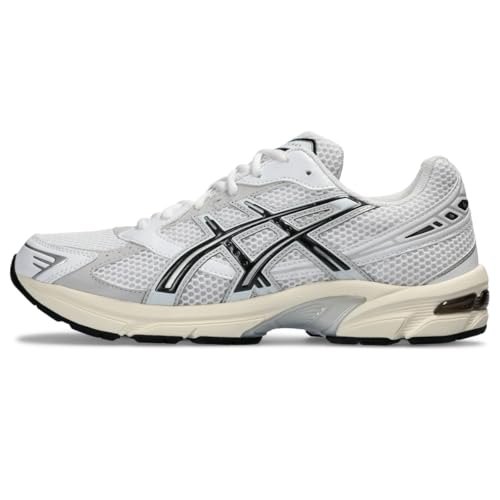
ASICS Men’s GEL-1130 Sportstyle Shoes

Brooks Men’s Adrenaline GTS 22 Supportive Running Shoe
ASICS Men’s Gel-Excite 11 Running Shoes

ASICS Men’s Gel-Contend 9 Running Shoes

Saucony Men’s Triumph 22 Sneaker

Saucony Mens Cohesion 18
More On The Choices That Made The List
The GEL-1130 borrows its silhouette from a 2008 stability runner, which gives it that throwback look runners keep pulling from the closet. The suede paneling softens the upper, and GEL cushioning tucked into the heel softens landings. Compared with the more performance-driven GEL-Excite 11 later in this list, the 1130 leans lifestyle while keeping honest stability cues.
For someone who walks most of the day or logs light jogs around the neighborhood, it lands as a comfortable everyday shoe with running DNA. Runners chasing pure speed will want something engineered for tempo work instead.
Positive Takeaways
- Heritage silhouette pairs easily with jeans and shorts
- GEL cushioning softens heel strikes during long walks
- Suede paneling adds structure without stiffness
- Genuine stability geometry from the GEL-1000 lineage
- Versatile for travel days and casual office wear
Worth Noting
- Less ventilated than mesh-heavy performance shoes
- Suede can scuff in wet conditions, so owners commonly treat the upper with a spray protectant
Whose Shelf It Belongs On
Style-first walkers and casual joggers who want one pair that handles errands and easy miles alike.
Where Another Pick Suits Better
Runners logging serious weekly mileage will find more responsive support in the Saucony Triumph 22.
The Adrenaline GTS 22 has been a go-to for overpronators (runners whose feet roll inward noticeably on landing) for years, and the latest version keeps that reputation intact. Brooks’ GuideRails technology acts like bumpers along the side of the foot, keeping excess inward motion in check without a harsh medial post (a firmer wedge built into the inner midsole). The result feels structured yet natural, and the cushion stays soft enough for daily training.
Long-run comfort is where this shoe quietly pulls ahead of more budget-focused stability options. The engineered mesh upper breathes well on warm days, and the platform handles tempo runs just as confidently as recovery jogs. Where it does demand commitment is break-in time, as the structured upper can feel snug during the first few outings.
Reasons It Performs
- GuideRails system offers holistic stability, not just arch support
- DNA LOFT cushioning softens long runs and recovery days
- Engineered mesh balances airflow and structure
- Durable rubber outsole holds up on varied pavement
Points To Note
- Structured fit may feel stiff during the first few runs
- Heavier than minimalist trainers, which some runners notice on hills
- Sizing runs slightly narrow for wider feet, so trying a wide option is worth it
Right Fit For
Daily trainers who log 20 to 40 miles a week and need steady guidance through every stride.
Skip It When
Newer runners looking for a softer entry-level feel will likely prefer the ASICS Gel-Excite 11.
The Gel-Excite 11 is ASICS’ welcoming handshake to newer runners, pairing a breathable jacquard mesh upper (a woven fabric with tiny ventilation patterns) with GEL cushioning in the rearfoot. It feels light on the foot and forgiving through the heel, which makes those first 5Ks less of a punishment. The lace-up closure locks the midfoot without pinching, and the platform keeps overpronation in check without feeling clinical.
For someone building a weekly habit, this shoe handles easy runs and gym sessions without complaint. More experienced runners chasing high mileage will find the cushioning simpler than what the Brooks Adrenaline GTS 22 delivers.
Where It Delivers
- Engineered jacquard mesh keeps feet cool on warm days
- Rearfoot GEL softens impact for achy joints
- Lightweight build reduces foot fatigue
- Accessible price for first-time stability buyers
Honest Caveats
- Outsole wear can show up sooner under aggressive training schedules
- Less structured than the Adrenaline GTS 22 for heavy overpronators
Quick Facts
Who Will Love This
Beginners easing into a running routine who want comfort and gentle guidance from day one.
A Better Fit Elsewhere
Runners who pile on weekly miles will find the Saucony Triumph 22 a more durable long-term companion.
The Gel-Contend 9 is the value-oriented corner of ASICS’ stability lineup, and it brings meaningful tech to a modest price. AMPLIFOAM cushioning keeps the ride plush, while the Trusstic System (a reinforced shank under the midfoot) adds midfoot integrity so each step feels planted. Rearfoot GEL absorbs impact on heel strikes, which matters for runners easing into longer distances on hard surfaces.
The polyester upper and Ortholite sockliner (a breathable, moisture-wicking insole) give the shoe a comfortable step-in feel right out of the box, making it an honest pick for first-time stability buyers. Where it leans simple is midsole complexity, since it cannot match the energy return of premium foams.
What Works In Its Favor
- Ortholite sockliner offers comfortable step-in feel
- Trusstic System reinforces midfoot stability without bulk
- AMPLIFOAM cushioning softens daily pavement runs
- Road-friendly outsole grips sidewalks and light trails
Some Limits To Know
- Lacks the premium midsole foam found in flagship trainers
- Heavier than racing-style shoes, which tempo runners may notice
Key Product Details
Made For
Casual pavement runners and walkers wanting stability features without stretching the budget.
Consider Something Else When
Runners training for longer races may want the extra cushioning of the Saucony Triumph 22.
The Triumph 22 is Saucony’s plush daily trainer, built around PWRRUN PB super foam (a lightweight, nitrogen-infused midsole compound) that feels springy without losing its softness. The broader platform and updated rocker geometry encourage smooth heel-to-toe transitions, and the XT-900 rubber outsole (a durable carbon rubber) handles daily wear without complaint. For high-mileage runners, this shoe is a kindness to tired feet.
Where it edges past the Brooks Adrenaline GTS 22 is in cushion depth and ride fluidity. The trade-off shows up in stack height (the total amount of material between foot and ground), since this taller build may feel tippy to runners used to lower-profile trainers. Anyone chasing a luxurious feel over long miles will appreciate the upgrade.
Where It Excels
- PWRRUN PB foam delivers responsive, lightweight cushion
- Updated rocker geometry smooths every stride
- XT-900 rubber outsole offers lasting durability
- Premium comfort for high-mileage weeks
Trade-Offs To Consider
- Taller stack height can feel unstable on sharp turns
- Premium price reflects the upgraded midsole tech
Feature Snapshot
Best Suited To
High-mileage runners and marathon trainers who want plush cushioning for long road days.
Look Elsewhere When
Budget-focused shoppers will get more value from the ASICS Gel-Contend 9.
The Cohesion 18 is a versatile neutral cushioning shoe (a trainer that softens impact without adding structured stability elements) that emphasizes comfort over flash. VersaRun cushioning pads each step, and the secure fit wraps the foot without squeezing. It works well for walking, jogging, and gym sessions, making it a sensible choice for people who want one shoe to handle most of their day.
Runners with pronounced overpronation may want the more guided ride of the Brooks Adrenaline GTS 22. For everyone else, this is an honest, dependable option.
What Stands Out
- VersaRun cushioning softens every step
- Secure lockdown keeps the foot centered
- Durable outsole handles sidewalks and treadmills alike
- Budget-friendly pricing for a daily driver
Points To Keep In Mind
- Neutral cushioning offers less structure for pronounced overpronators
- Plain styling may not appeal to runners who want a standout look
Feature Card
Who Should Grab It
Active walkers and casual joggers who want a comfortable, no-fuss daily trainer at a friendly price.
Swap It Out When
Runners needing firmer guidance for overpronation should look at the ASICS Gel-Contend 9 instead.
Matching Stability Features To Your Stride
Stability running shoes work by limiting how much the foot rolls inward after landing, easing strain on the knees, shins, and arches. Heavier runners or those recovering from injury usually benefit from denser midsole foam, while lighter runners often get enough guidance from a simpler medial post or Trusstic-style shank. Shoe weight matters too, since heavier trainers tire out legs faster on longer runs.
Drop, the difference in cushion height between heel and toe, shapes how a shoe feels underfoot. Traditional stability shoes hover around 8 to 12 mm, which suits heel strikers who land heel-first. Lower drops feel flatter and more natural but can strain calves during the transition. Trying both feels different, and the right pick depends on your gait and the surfaces you train on most.
Upper fit is the hidden dealbreaker. Engineered mesh breathes well in summer, while suede and overlays add structure for narrow feet. Wide-footed runners should look for brands offering wide variants, since squeezing into a narrow toe box creates blisters fast. The right combination of cushion, support, and fit turns a stability shoe from a chore into a quiet advantage.
What To Weigh Before Clicking Through
Common shopping pitfalls trip up plenty of first-time stability buyers. The biggest one is choosing a shoe based on cushion softness alone, when what overpronators actually need is structural guidance. Another trap is sizing up too aggressively, since stability shoes feel snug at first but loosen by a half size after break-in. Reading the brand’s fit notes saves a return.
The upgrade conversation gets interesting once weekly mileage climbs past 25. Premium foams like Saucony’s PWRRUN PB or Brooks’ DNA LOFT keep legs fresher across long runs, and durable rubber outsoles stretch replacement cycles. For casual runners, mid-tier stability shoes like the ASICS Gel-Contend 9 deliver most of the support at a fraction of the cost. The case for spending up depends entirely on how often the shoes hit pavement.
Frequently Asked Questions
How do I know if I need stability running shoes?
A quick wet test or gait analysis at a local running shop reveals whether your foot rolls inward noticeably. Knee or arch pain after runs often points to overpronation, which stability shoes help address.
Can I use stability shoes for walking and the gym?
Yes, most stability shoes handle walking, light jogging, and gym sessions well. The supportive midsole benefits long days on your feet.
How long do stability running shoes typically last?
Around 300 to 500 miles is a common range, though heavier runners may wear through outsoles sooner. Tracking miles by date or app helps you replace shoes before support fades.
Are stability shoes heavier than neutral trainers?
They tend to be slightly heavier due to added support structures, though modern foams have narrowed the gap. The trade-off shows up most during fast workouts.
Should I size up in stability shoes?
Sizing up aggressively can cause heel slippage. Most runners do well sticking to their standard size and allowing a short break-in period.
Final Verdict
The best stability shoe is the one that matches your gait, your weekly mileage, and your budget without forcing compromises. Brooks’ Adrenaline GTS 22 is the safe daily pick for most overpronators, while the Saucony Triumph 22 rewards runners who chase plush long-distance comfort. For shoppers watching the budget, the ASICS Gel-Contend 9 and Saucony Cohesion 18 deliver honest stability at a friendlier price, and the GEL-1130 earns its spot when style matters as much as support. Trust your stride, and the right pair will feel obvious the moment you lace it up.